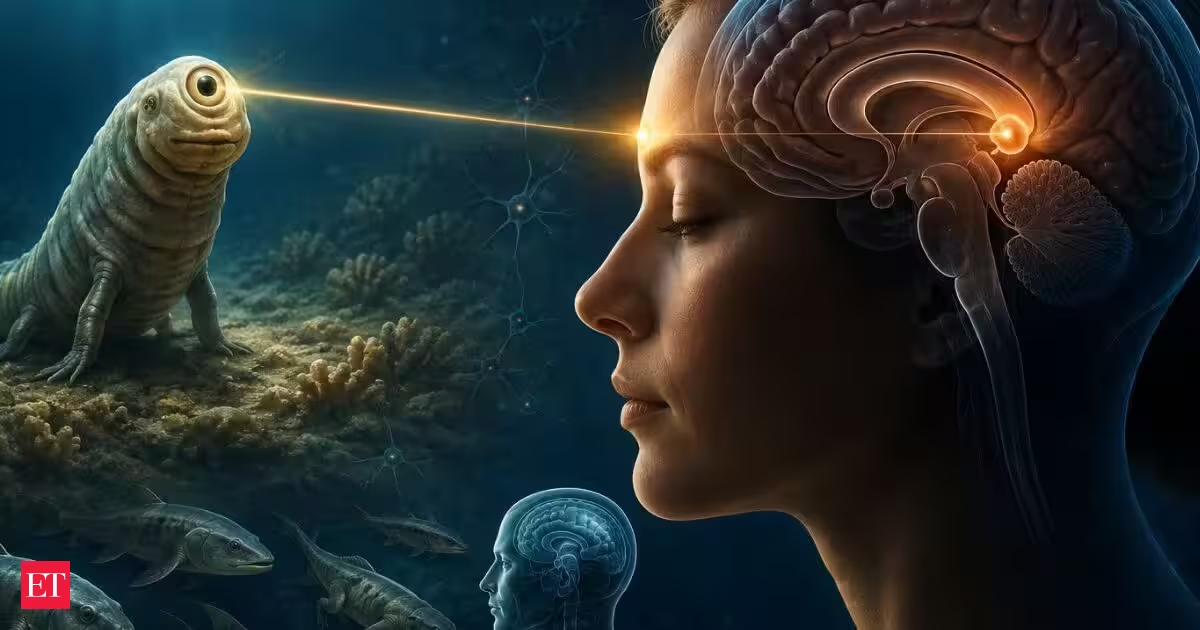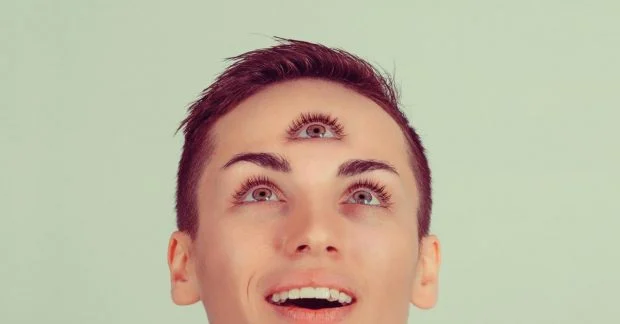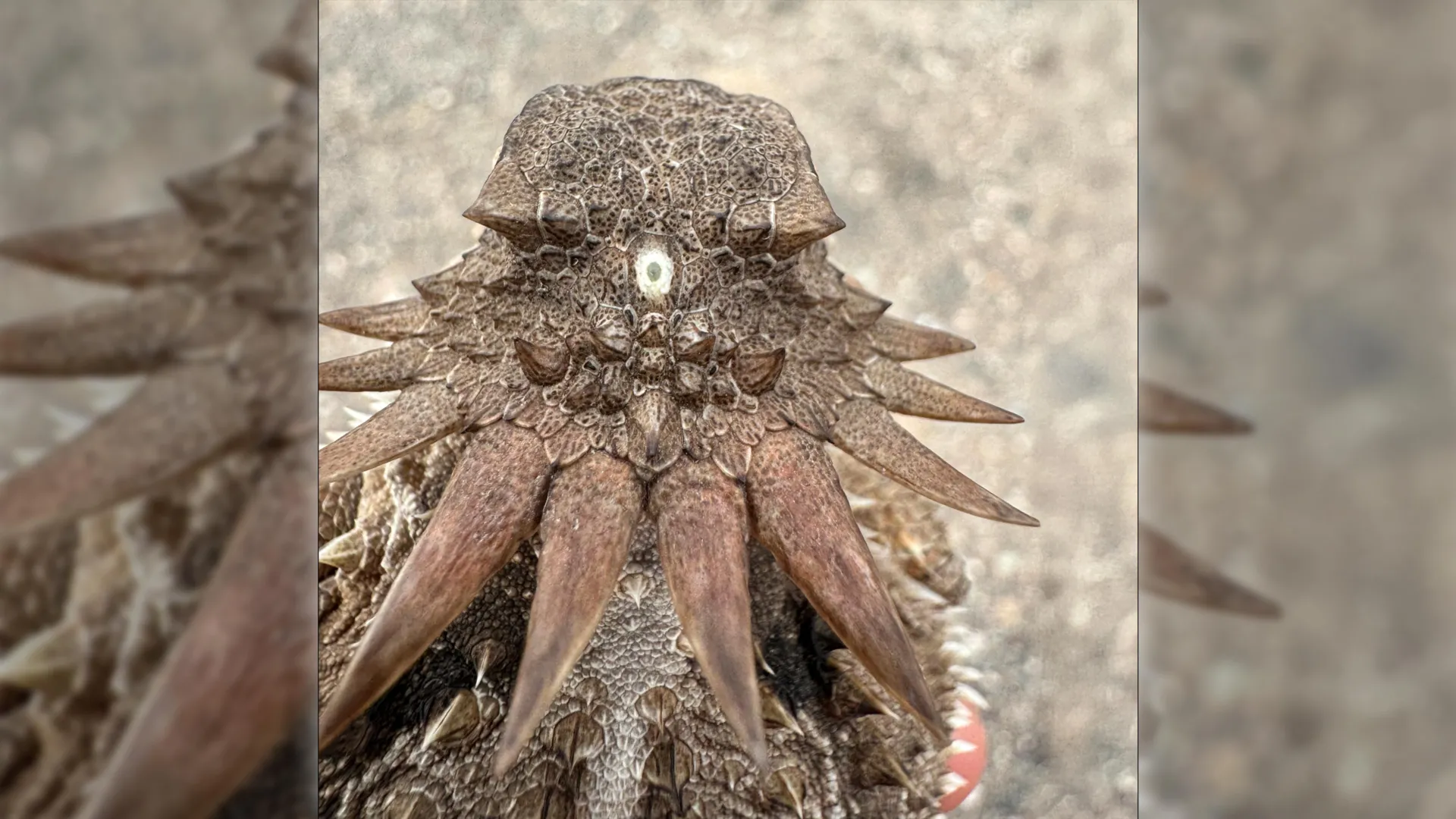
If you were to ever find yourself in close proximity to a tuatara – a strange, lizard-like creature from New Zealand – you may notice something startling on the top of its head: a functioning third eye.
Much like the more prominent eyes on the side of a tuatara’s head, its third, or parietal, eye has a lens, a retina and nerve connections to the brain.
The fact that a vertebrate like a reptile, which is very much on our side of the tree of life, has such a sophisticated third eye may come as somewhat of a surprise. But the truth is, humans have one too.
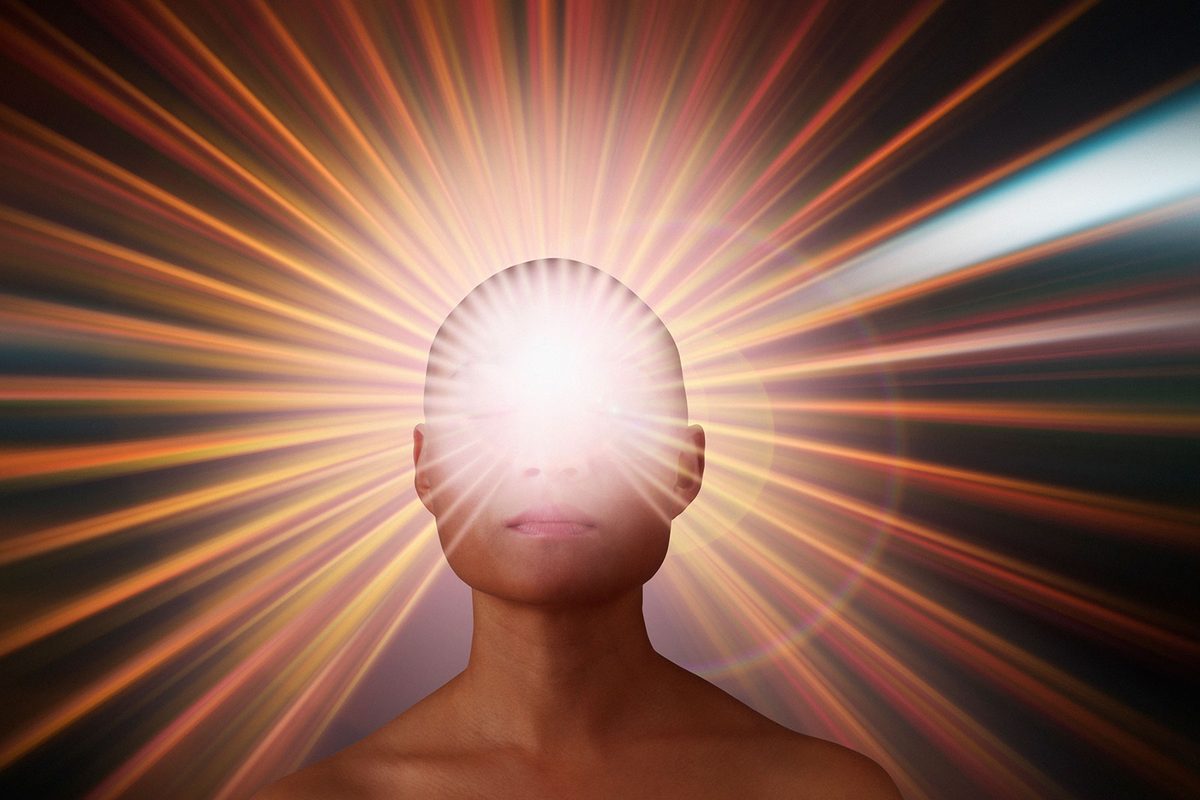
Ours is called the pineal gland, and while today it lies buried deep within the brain, long since cut off from direct sunlight, it still plays a crucial role in dictating how our body responds to light and dark.
Now, a sweeping new hypothesis published in the journal Current Biology is attempting to explain exactly where that little gland came from. The findings reveal that our third eye comes from some of our most ancient ancestors. And understanding it may finally explain one of the deepest puzzles in the evolution of sight.