Electronic implants are helping people to see again. Their promise is profound, but so are the risks. Progress must be guided by ethics and accessibility
I
n medical terms, the eye is not the window to the soul, but to the mind. The retina and the optic nerve are outgrowths of neural tissue, and the remarkable success of electronic implants in restoring sight shows how far brain-computer interfaces have come. These have not delivered a sci-fi vision of augmented humans with incredible new powers but, perhaps more happily, significant progress has been made, restoring ability and agency to those who have suffered injury or disease.
People with age-related macular degeneration face a fading world. The disease, affecting about 600,000 people in the UK, causes progressive loss of central vision. There is no cure, but new trials offer something else: a new way of seeing.
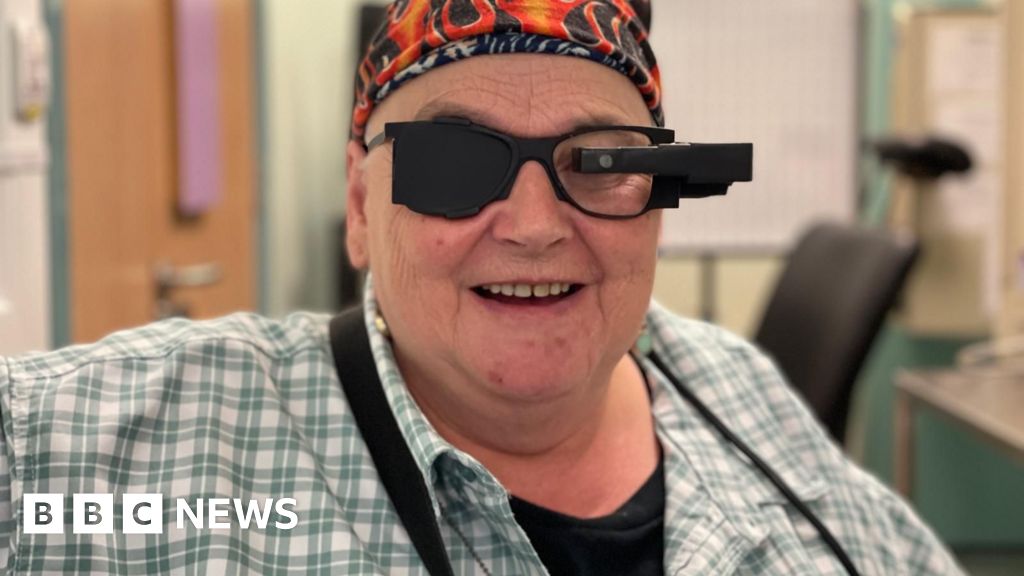
Patients at several trial sites across Europe, including Moorfields eye hospital in London, were fitted with a surgically implanted microchip in their retina. Just 4mm square and 30 micrometres thick, the chip functions as a pattern converter. Visual information recorded by a camera in a pair of glasses is beamed to the chip via infrared light, which the chip converts to electrical signals detected by the retina, restoring the lost link between the eye and the brain. After one year, 84% of patients in the 38-person trial were able to read letters and numbers with the device, having previously lost vision, with the average improvement equal to about five lines on a standard eye-test chart.