Once again, digital tools are running ahead of regulators. Civil liberties must not be sacrificed to policing
I
t is a familiar story. Extravagant claims are made on behalf of novel computerised tools. The public are told that this or that digital application or system is going to change the world for the better. Efficiencies will be unlocked and problems solved as human limitations are overcome by networked devices plugged into vast stores of data. Anyone who questions the narrative is a pessimist or, perhaps, a criminal.
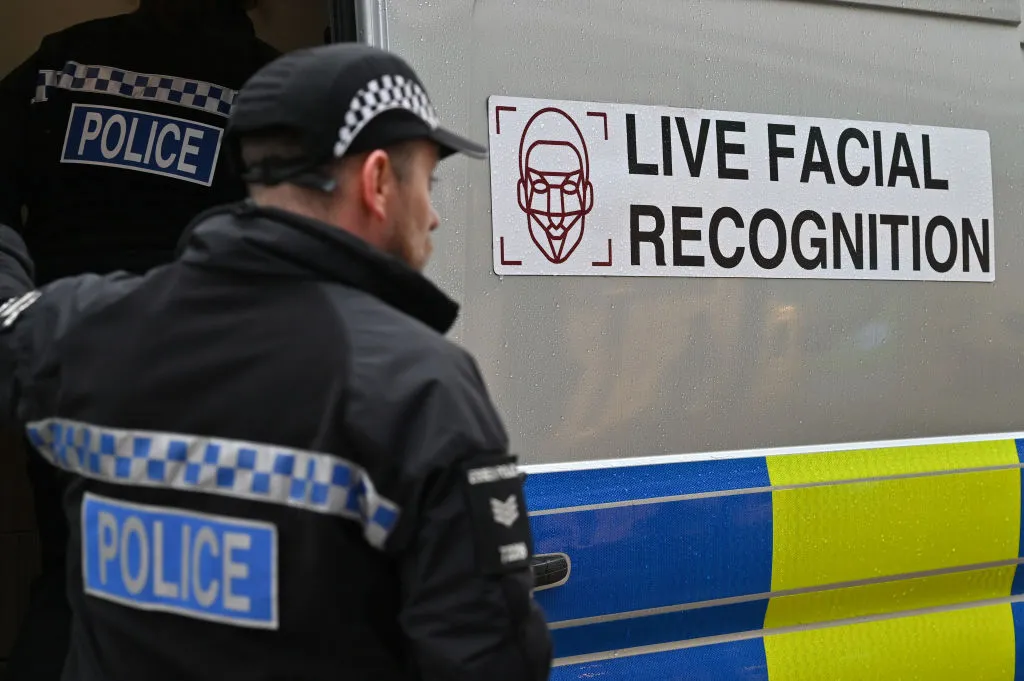
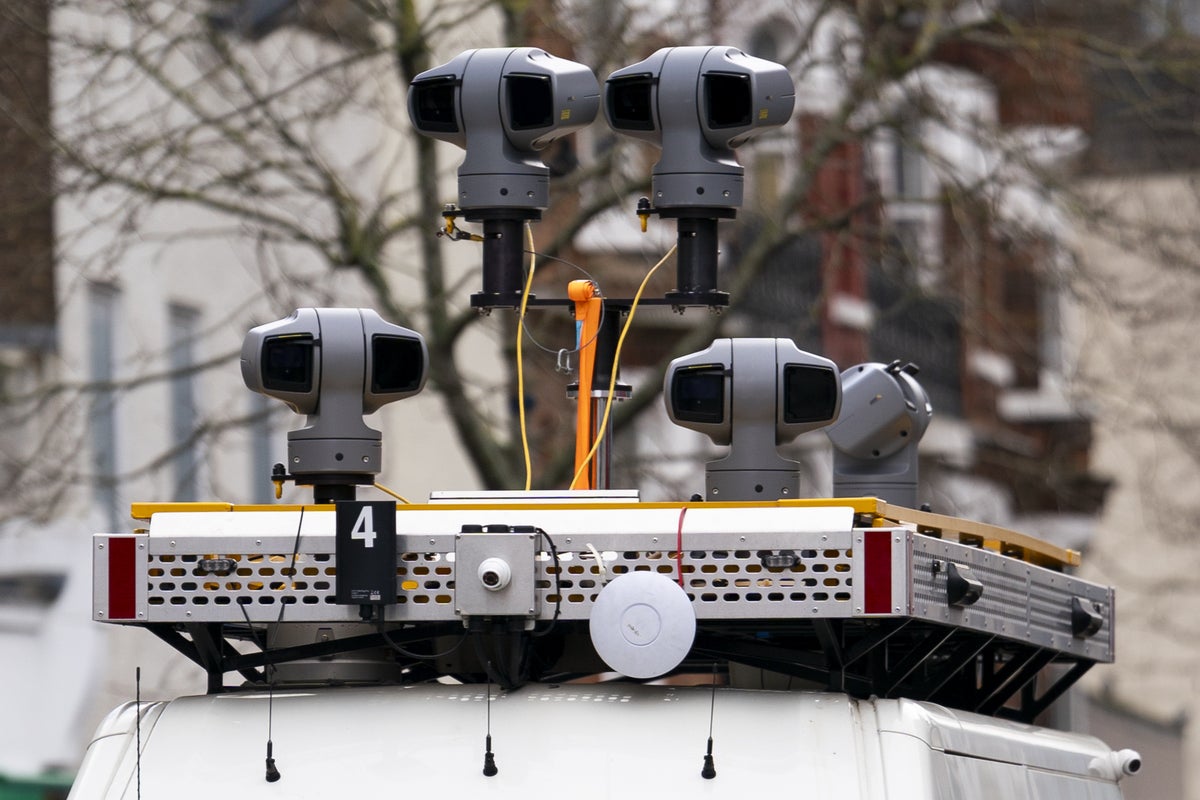
This appears to be the logic behind arguments put forward on behalf of one such tool – live facial recognition technology. Law-abiding citizens have “nothing to fear” from the police’s increased reliance on mounted cameras, said the Home Office minister, Sarah Jones, last month, after a high court challenge brought on human rights and privacy grounds failed. The use of AI-powered identification software, made by the Japanese company NEC, “only locates specifically wanted people”, she added. Last year, Ms Jones described the technology as “the biggest breakthrough for catching criminals since DNA”.
Sir Mark Rowley, the Metropolitan police commissioner, is equally enthusiastic, and London’s mayor, Sir Sadiq Khan, gave his blessing to a pilot scheme. There is no doubt that policing is under pressure, despite sharp falls in homicides and knife crime. Shoplifting has recently risen across England and Wales, as have religious and racial hate crimes. It is not hard to see why, from the police’s point of view, the ability to match the faces of passersby with those stored on a database of suspects is very handy.