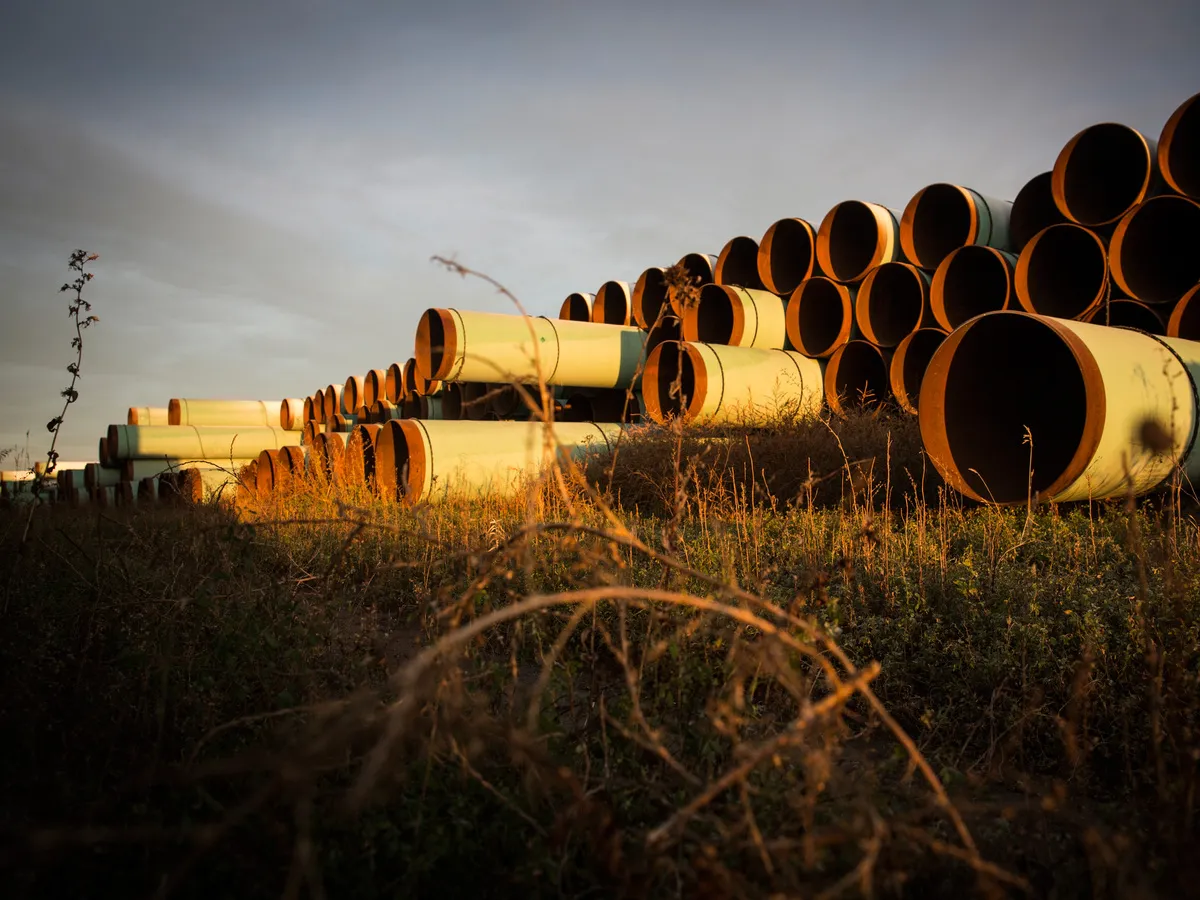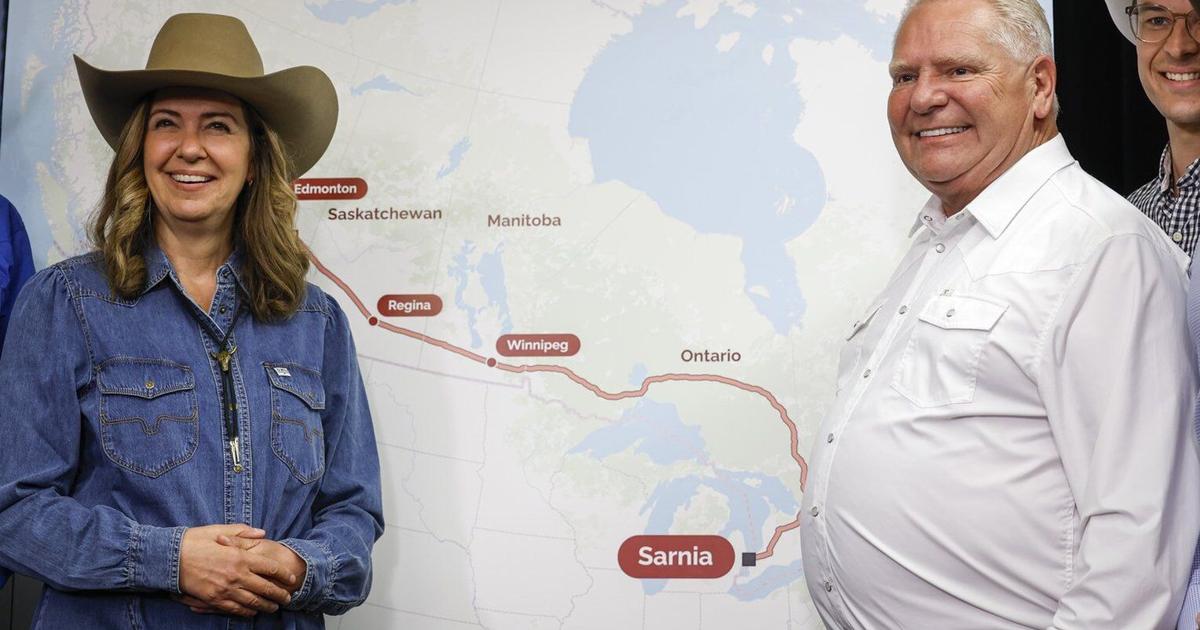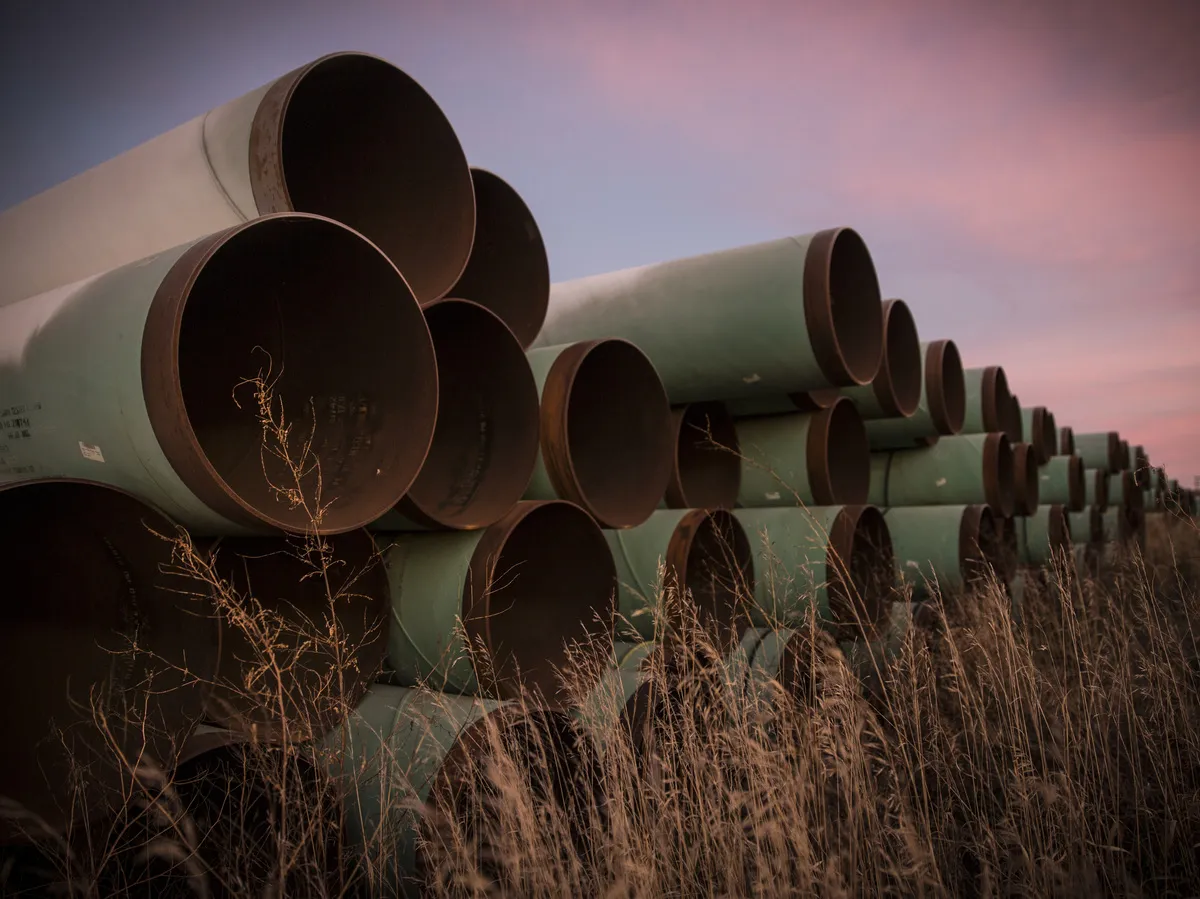
Skip to Content News Archives Economy Energy Oil & Gas Renewables Electric Vehicles Mining Commodities Agriculture Real Estate Mortgages Mortgage Rates Finance Banking Insurance Fintech Cryptocurrency Work Wealth Smart Money Wealth Management Investor Personal Finance Family Finance Retirement Taxes High Net Worth FP Comment Executive Women Puzzmo Newsletters Financial Times Business Essentials More Innovation Information Technology FP500 Podcasts Small Business Lives Told Tails Told Shopping Financial Post Store Obituaries Place a Notice Advertising Advertising With Us Advertising Solutions Postmedia Ad Manager Sponsorship Requests Classifieds Place a Classifieds ad Working Profile Settings My Subscriptions Saved Articles My Offers Newsletters Customer Service FAQ News Economy Energy Mining Real Estate Finance Work Wealth Investor FP Comment Executive Women Puzzmo Newsletters Financial Times Business Essentials HomeOil & GasHow Keystone came back from the deadWatch: A renewed Keystone XL pipeline could deepen Canada's dependence on the U.S. market, not diversity exports You can save this article by registering for free here. Or sign-in if you have an account.Miles of unused pipe, prepared for the proposed Keystone XL pipeline, sit in a lot on October 14, 2014 outside Gascoyne, North Dakota. Photo by Andrew Burton/Getty ImagesKeystone XL was supposed to be dead.Subscribe now to read the latest news in your city and across Canada.Exclusive articles from Barbara Shecter, Joe O'Connor, Gabriel Friedman, and others.Daily content from Financial Times, the world's leading global business publication.Unlimited online access to read articles from Financial Post, National Post and 15 news sites across Canada with one account.National Post ePaper, an electronic replica of the print edition to view on any device, share and comment on.Daily puzzles, including the New York Times Crossword.Subscribe now to read the latest news in your city and across Canada.Exclusive articles from Barbara Shecter, Joe O'Connor, Gabriel Friedman and others.Daily content from Financial Times, the world's leading global business publication.Unlimited online access to read articles from Financial Post, National Post and 15 news sites across Canada with one account.National Post ePaper, an electronic replica of the print edition to view on any device, share and comment on.Daily puzzles, including the New York Times Crossword.Create an account or sign in to continue with your reading experience.Access articles from across Canada with one account.Share your thoughts and join the conversation in the comments.Enjoy additional articles per month.Get email updates from your favourite authors.Create an account or sign in to continue with your reading experience.Access articles from across Canada with one accountShare your thoughts and join the conversation in the commentsEnjoy additional articles per monthGet email updates from your favourite authorsSign In or Create an AccountorAfter years of political fights, legal challenges and environmental opposition, then-United States president Joe Biden revoked the cross border permit for the pipeline in 2021. TC Energy later cancelled the project, ending what became one of the most controversial energy proposals in North America.Now, the idea is back — sort of.U.S. President Donald Trump has signed a presidential permit allowing Bridger Pipeline Expansion LLC to build and operate cross-border facilities at the Canada-U.S. boundary in Phillips County, Montana. The project is not Keystone XL under the same name, but it could use some of the same Canadian infrastructure and serve a similar purpose: moving more Alberta crude into the U.S. system.Get the latest headlines, breaking news and columns.By signing up you consent to receive the above newsletter from Postmedia Network Inc.A welcome email is on its way. If you don't see it, please check your junk folder.The next issue of Top Stories will soon be in your inbox.We encountered an issue signing you up. Please try againOn the Canadian side, South Bow Corp., the TC Energy spinoff that now owns Keystone-related assets, is evaluating a project called Prairie Connector. That line could move crude from Hardisty, Alta., to the U.S. border. From there, Bridger’s proposed route would run through Montana to Guernsey, Wyoming.From Guernsey, Canadian crude could be conncted into the broader U.S. pipeline network, which stretches through Cushing, Oklahoma, and eventually to the Gulf Coast, where many refineries can process heavy crude.For Alberta, the appeal is clear. More pipeline space means fewer bottlenecks, more options for producers and potentially stronger prices for Canadian oil. It could also help Canada present itself as a more reliable supplier to the U.S.But this is not the West Coast pipeline Alberta has also been pushing for. It would deepen the country’s dependence on the U.S. market, not diversity exports.The project also is not a done deal. It still needs permits, customer commitments and a final investment decision. Join the Conversation This website uses cookies to personalize your content (including ads), and allows us to analyze our traffic. Read more about cookies here. By continuing to use our site, you agree to our Terms of Use and Privacy Policy.
How Keystone came back from the dead
Keystone XL was supposed to be dead. Now, the idea is back, but this isn't the West Coast pipeline Alberta has been pushing for. Watch now
791 words~4 min read