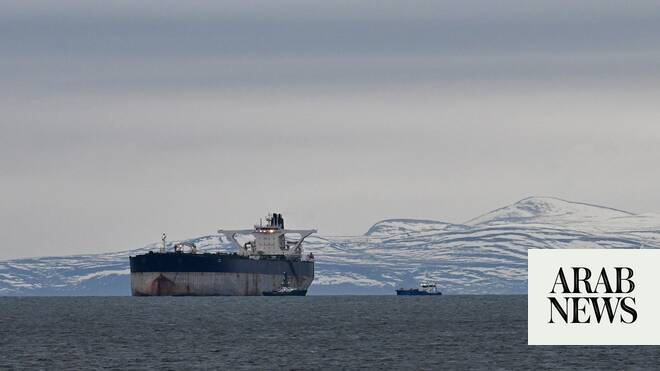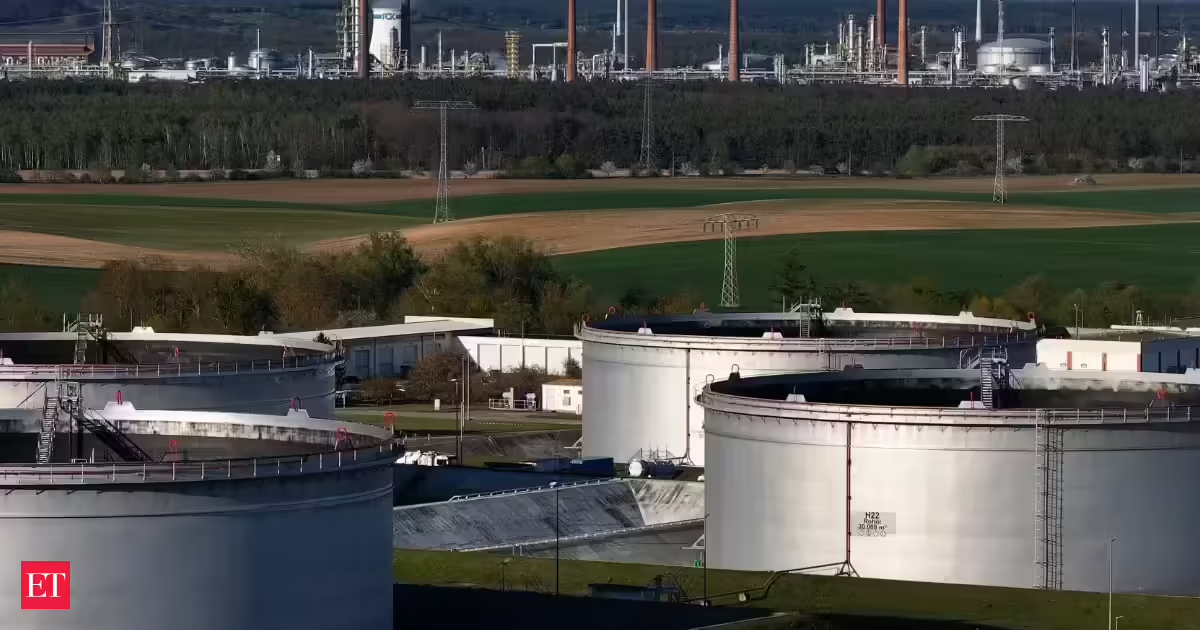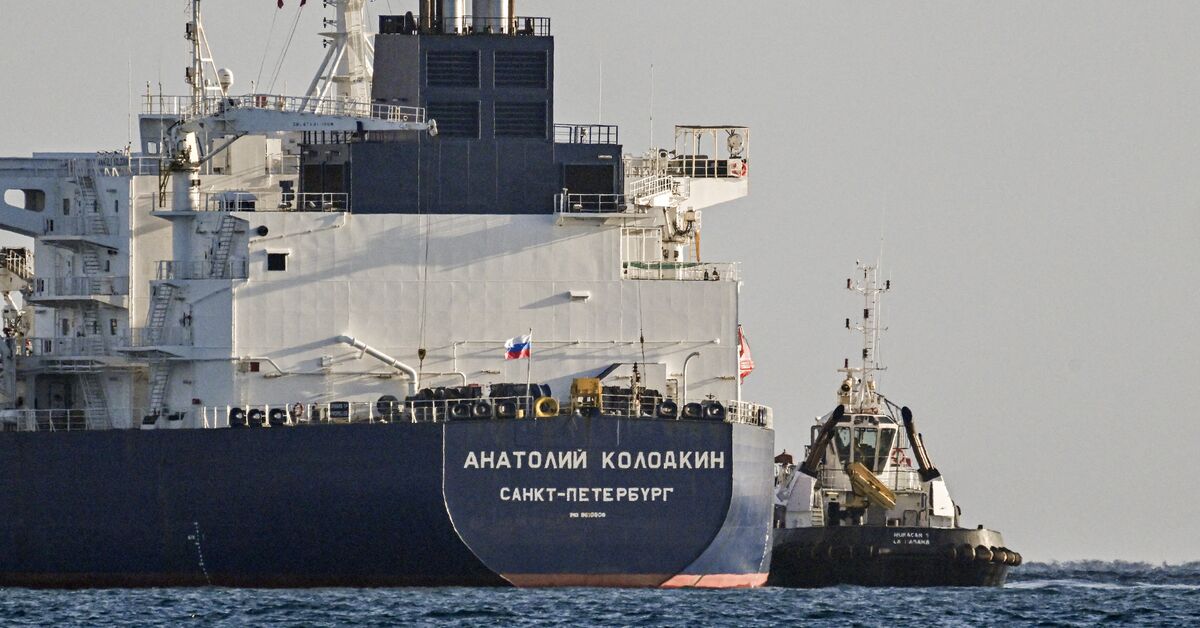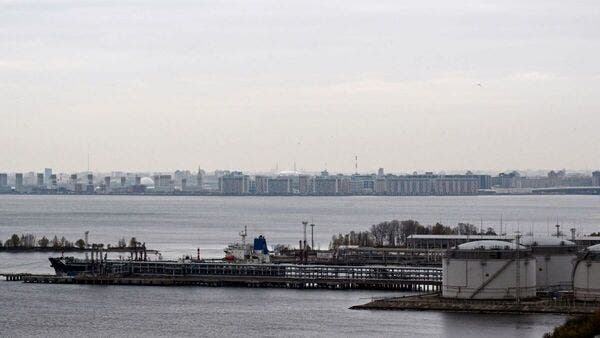
WASHINGTON -- Washington remains deeply divided over the latest US sanctions waiver for Russian oil, which allows at-risk nations to buy Russian shipments already loaded at sea, as disruptions tied to the US-Israeli confrontation with Iran roil global energy markets.Treasury Secretary Scott Bessent has argued the measure is needed to stabilize energy markets and limit China’s leverage over discounted Russian crude, while Democratic critics, including key Senators Jeanne Shaheen and Elizabeth Warren, say repeated exemptions risk weakening pressure on Moscow.In an interview with RFE/RL, Michael Parker, a former investigator and section chief in the US Treasury’s Office of Foreign Assets Control (OFAC), explains why sanctions relief remains one of Washington’s most important diplomatic bargaining tools.RFE/RL: What does the Treasury Department’s decision to extend the Russian oil waiver for another 30 days signal about the administration’s priorities? Is energy stability beginning to outweigh sanctions pressure on Moscow?Michael Parker: I think what's important to start with, kind of at a threshold level, is understanding what the general license issued by the Treasury Department actually covers. What it authorizes is oil that is already at sea and has been since April 17. Of course, this oil was already the subject of a prior waiver, or general license, to US sanctions up until approximately yesterday or the day before.What this extended general license does is not add any additional oil that has since been loaded onto ships and put onto the high seas. It still covers the same stranded oil, so to speak, from April 17. I would view this as a very narrow and limited waiver for the purpose of selling oil that had already been covered by that prior general license. There’s no real expansion beyond that except for the time period in which it can be sold.
Sanctions Expert Michael Parker On Russia, Iran, And Whether Waivers Work
Washington is sharply divided over the latest US sanctions waiver for Russian oil. Michael Parker, a former investigator and section chief in the US Treasury’s Office of Foreign Assets Control (OFAC), explains why sanctions relief remains Washington’s sharpest diplomatic bargaining tool.
1,458 words~7 min read