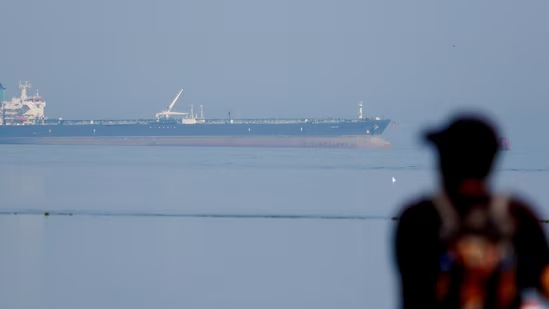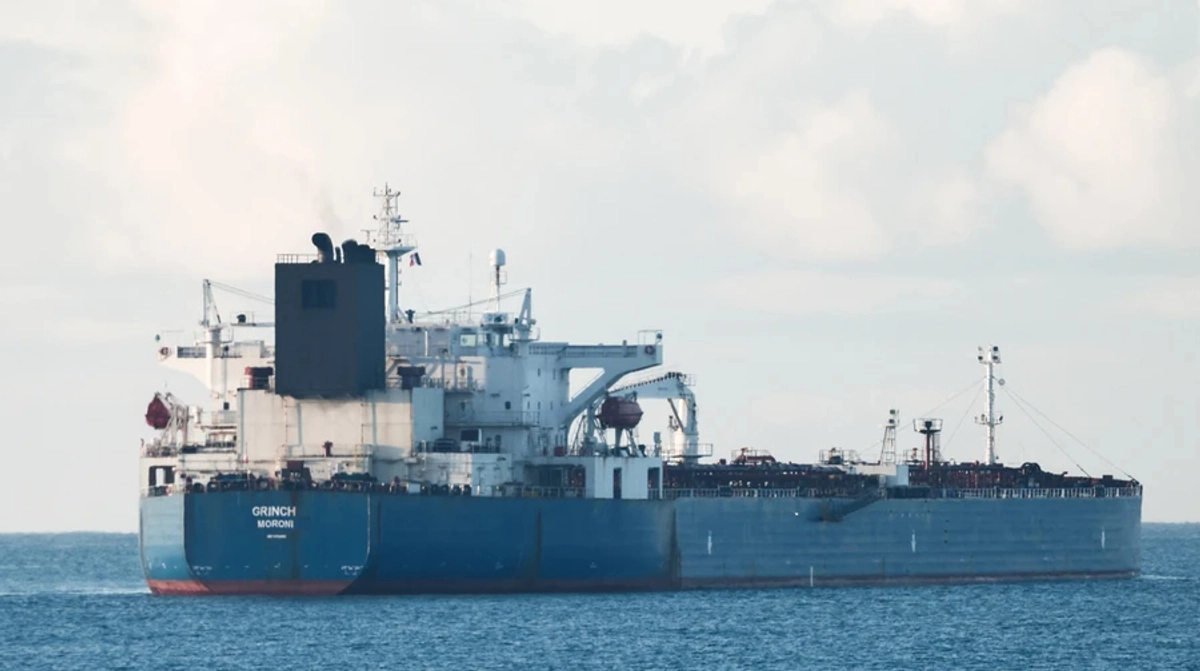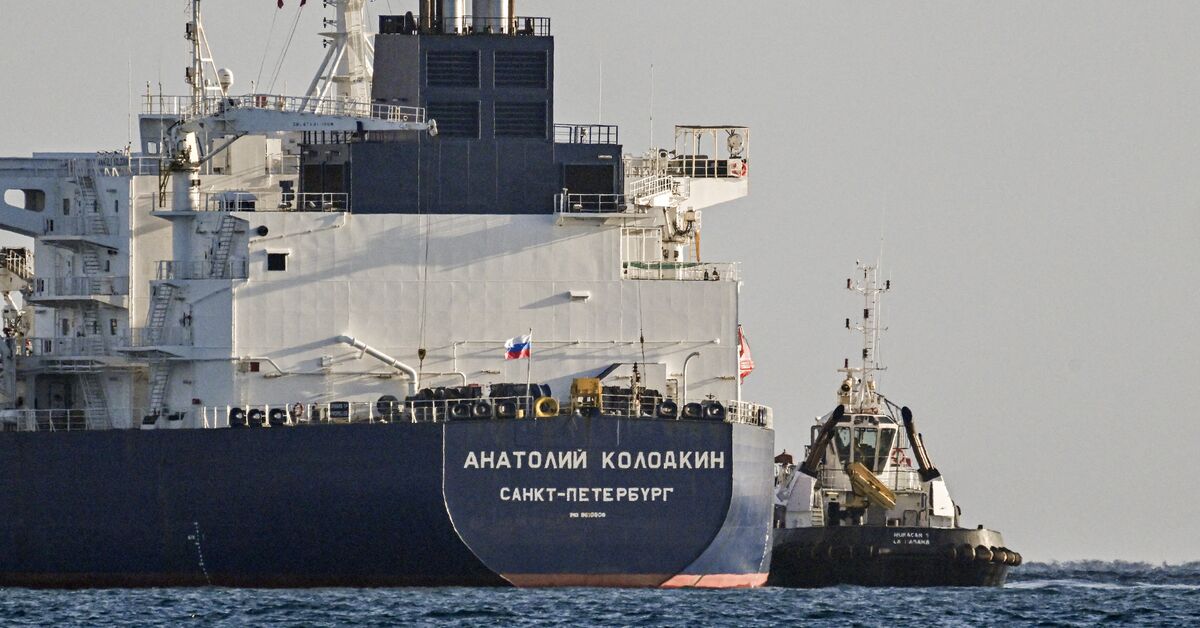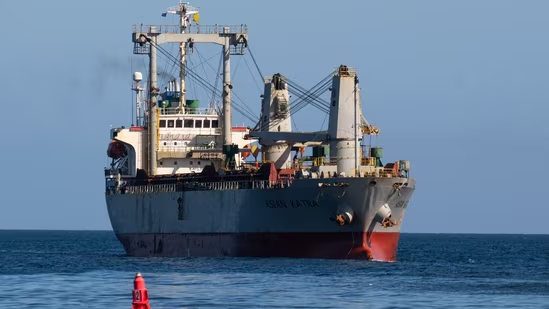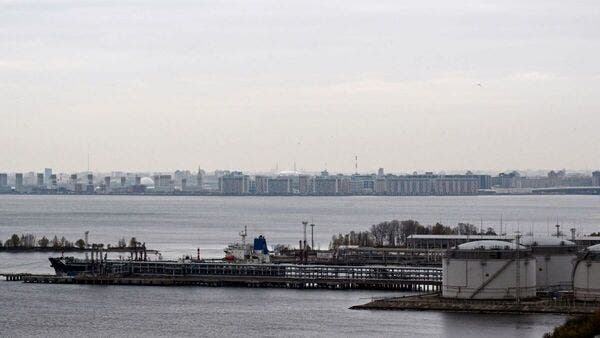
The US Treasury will extend its sanctions waiver on Russian seaborne oil, which lapsed on Saturday, after several countries asked for more time to buy it, a source familiar with the decision said on Monday. The waiver will last another 30 days and was sought by several poor and vulnerable countries cut off from Gulf oil supplies by the Iran war and the closure of the Strait of Hormuz, the source said.The source declined to name the countries requesting the extension. For all the latest headlines, follow our Google News channel online or via the app.The action marks the second time the Treasury has allowed the sanctions waiver to lapse and subsequently extend it. The waiver was first issued in March in an attempt to ease oil supply shortages and mitigate price spikes prompted by the US-Israeli attacks on Iran by releasing sanctioned Russian oil and petroleum products stranded in tankers. The move has done little to reduce oil prices but has aided India, which was among the largest buyers of Russian oil prior to the US issuing severe sanctions against Russian oil majors to put pressure on Moscow over its war in Ukraine. On Monday, benchmark Brent oil futures prices rose about 1.5 percent to about $111 a barrel as continued supply concerns outweighed the Russian waiver extension and a report from an Iranian news agency that the US was considering temporarily lifting sanctions on Iranian oil as part of negotiations over peace talks. US Treasury Secretary Scott Bessent, who is in Paris for a Group of Seven finance leaders meeting, said that he wanted G7 and other allies to enforce Iran sanctions more strongly. “We call upon all our G7 and indeed all of our allies and the rest of the world to follow the sanctions regime, so that we can crack down on the illicit finance that is fueling the Iranian war machine and give this money back to the Iranian people,” Bessent told reporters. Read more:
US Treasury to extend sanction waiver on Russian seaborne oil, source says
The US Treasury will extend its sanctions waiver on Russian seaborne oil, which lapsed on Saturday, after several countries asked for more time to buy it,
330 words~2 min read