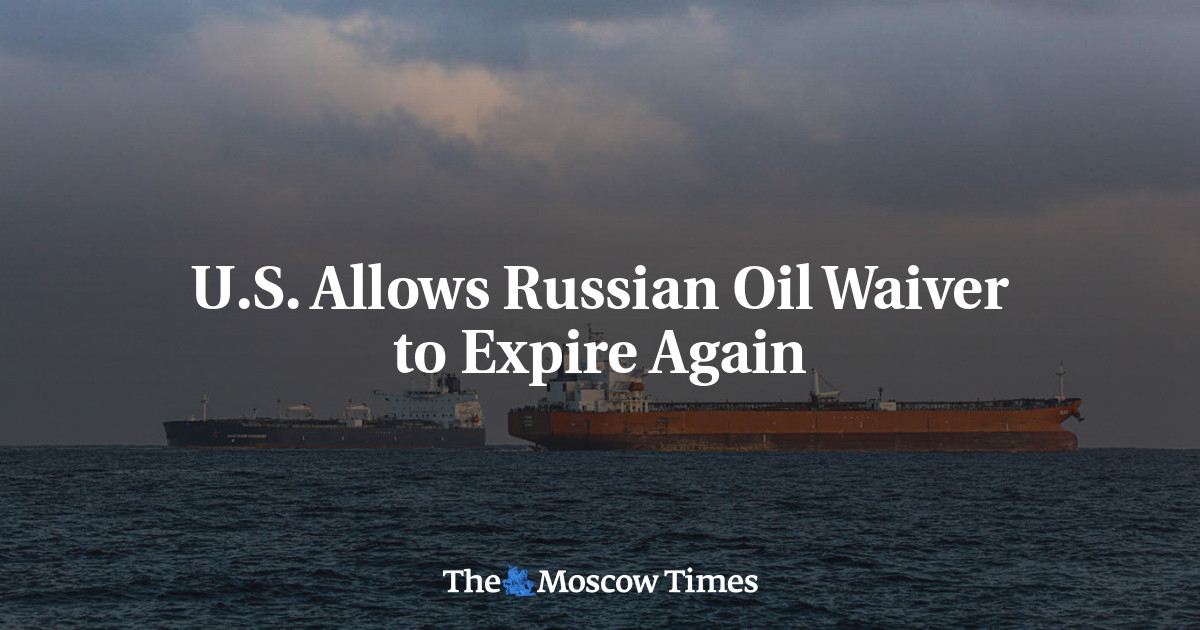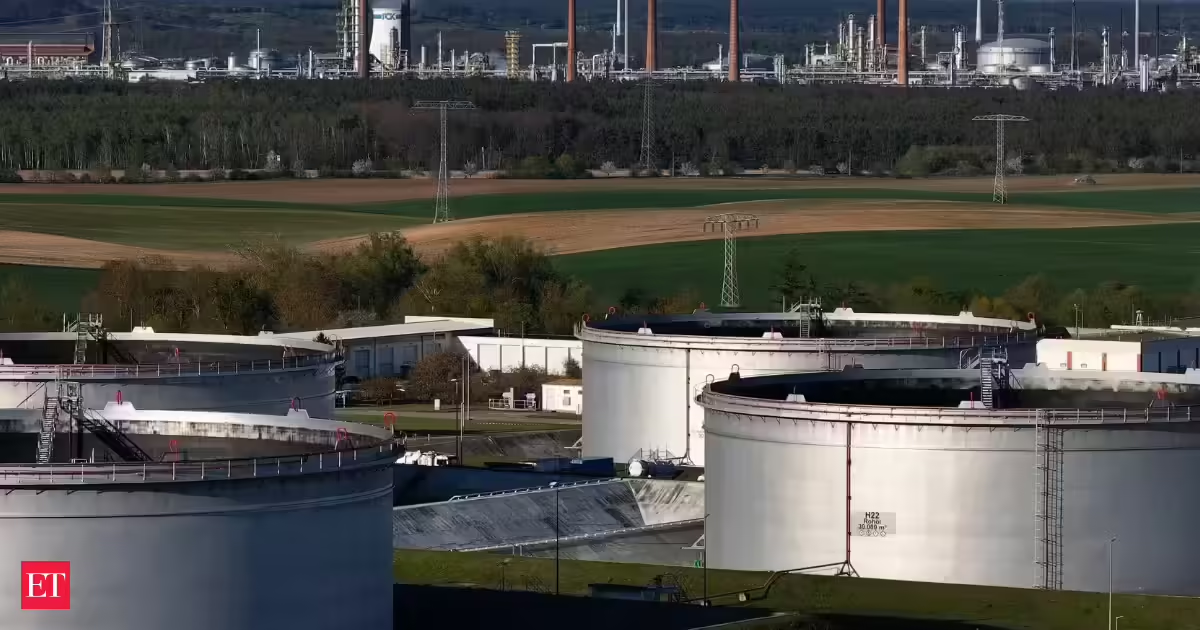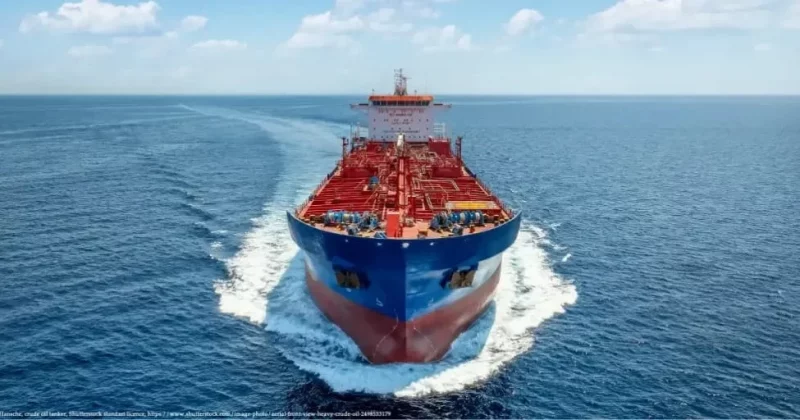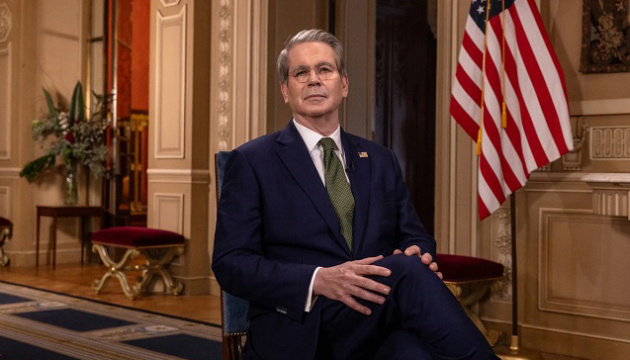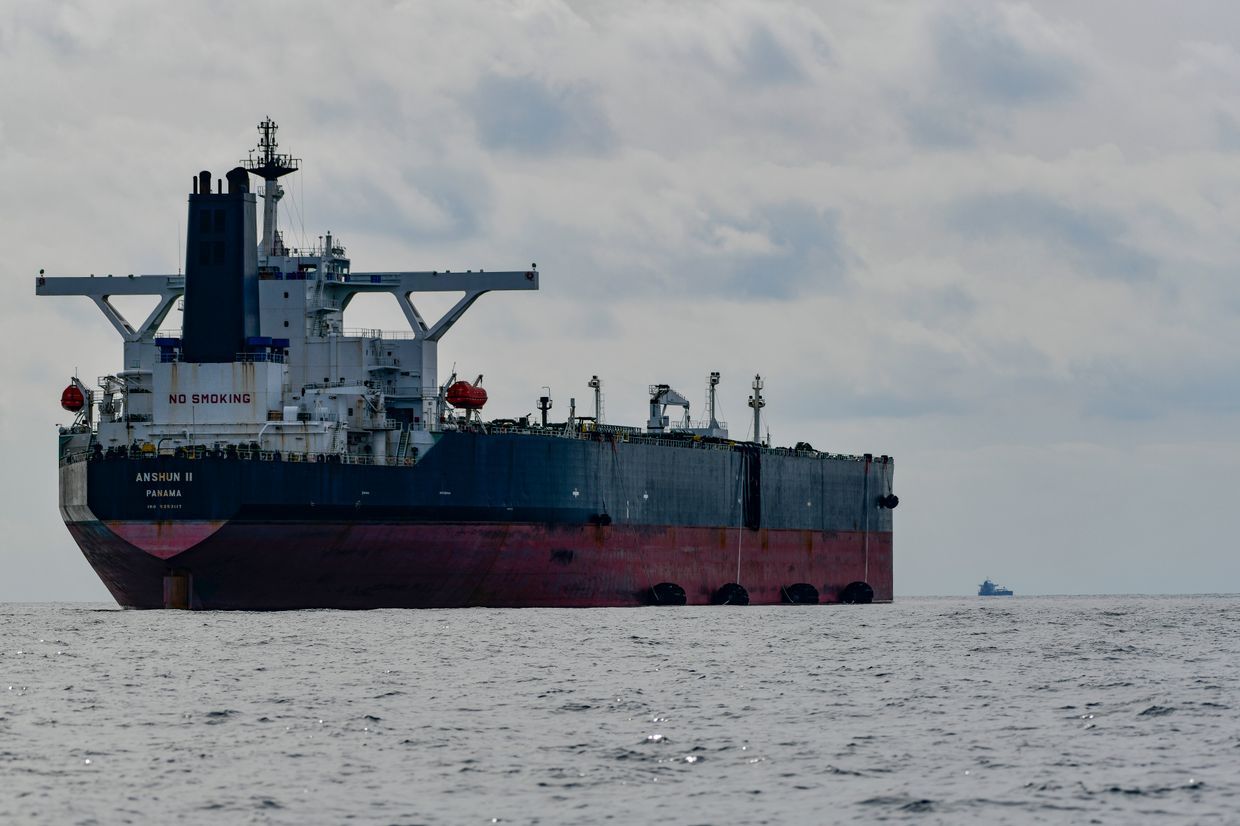
PoliticsMay 18, 2026 7:43 pm (Updated: May 18, 2026 8:19 pm) • 2 min readThe Panamanian-flagged Tiger Wings, carrying crude oil from Russia, is seen moored off the Petron oil refinery on April 1, 2026, in Limay, Bataan province, Philippines. (Ezra Acayan/Getty Images)Editor's note: One U.S. official initially told the Kyiv Independent that Washington had not decided to renew the Russian oil sanctions waiver. U.S. Treasury Secretary Scott Bessent later announced that the U.S. had renewed it.The United States has renewed a sanctions waiver allowing countries to purchase Russian seaborne oil stranded at sea, U.S. Treasury Secretary Scott Bessent said on May 18.This marks the third time Washington has granted Moscow a sanctions waiver amid volatility on global oil markets triggered by the U.S. war against Iran."This extension will provide additional flexibility, and we will work with these nations to provide specific licenses as needed," Bessent said. "This general license will help stabilize the physical crude market and ensure oil reaches the most energy-vulnerable countries."The previously issued waiver, which expired on May 16, allowed countries to purchase Russian oil and petroleum products loaded onto vessels between April 15 and May 16. It replaced an earlier 30-day exemption that expired on April 11.Senate Democrats previously said the initial waiver, combined with elevated global oil prices during the Iran war, provided Russia with roughly $150 million per day — more than $4 billion by the time the first exemption expired, according to estimates shared with the Kyiv Independent.The latest extension is the second time the Trump administration has renewed the sanctions relief despite earlier public statements indicating it would not do so.Bessent said on April 25 that Washington did not plan another renewal of the waiver for Russian oil and petroleum products stranded at sea.The previous extension also came only days after Bessent had said the waiver would not be renewed.The war in the Middle East has benefited Russia, which saw increased revenues from higher energy prices and stronger demand for its oil and gas exports.
US again grants Russia oil sanctions waiver despite Treasury chief's pledges not to
The latest extension is the second time the Trump administration has renewed the sanctions relief despite earlier public statements indicating it would not do so.
334 words~2 min read