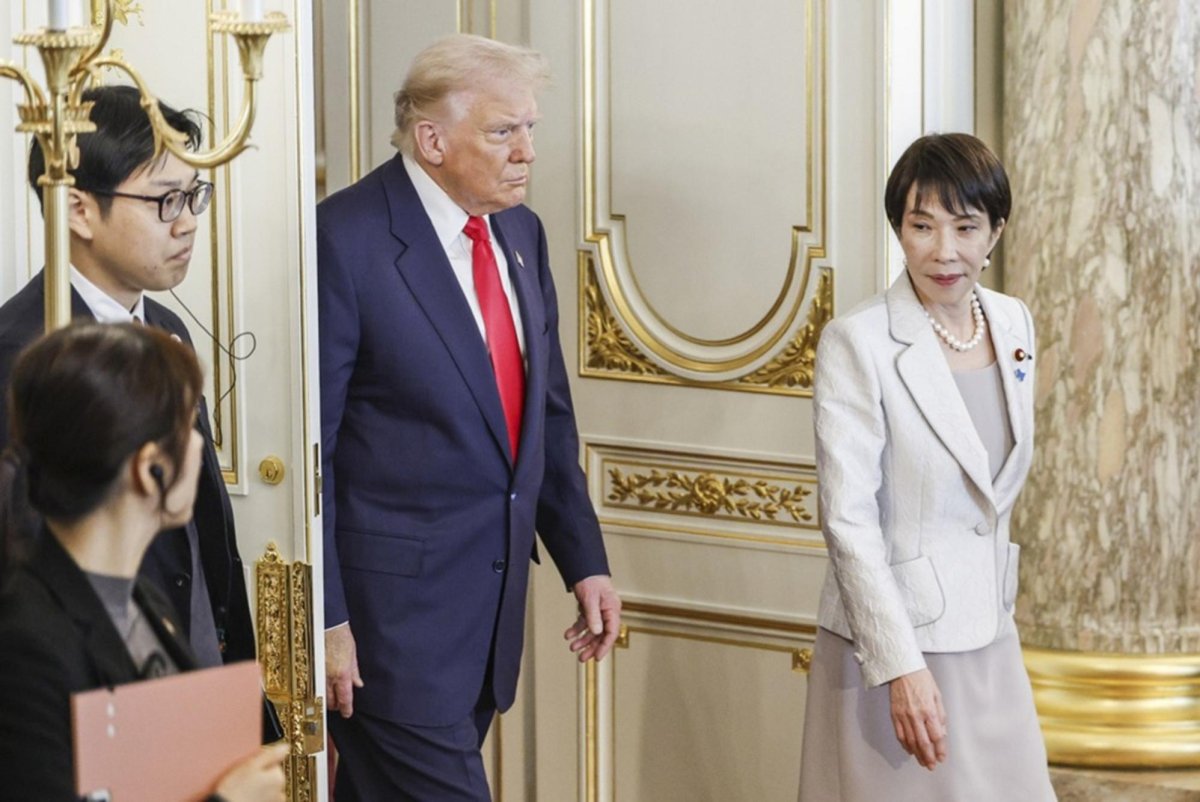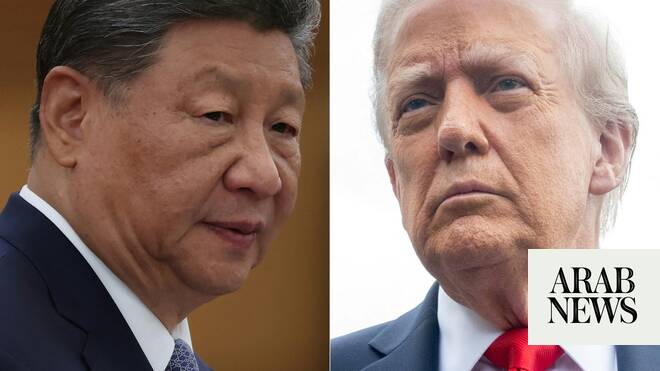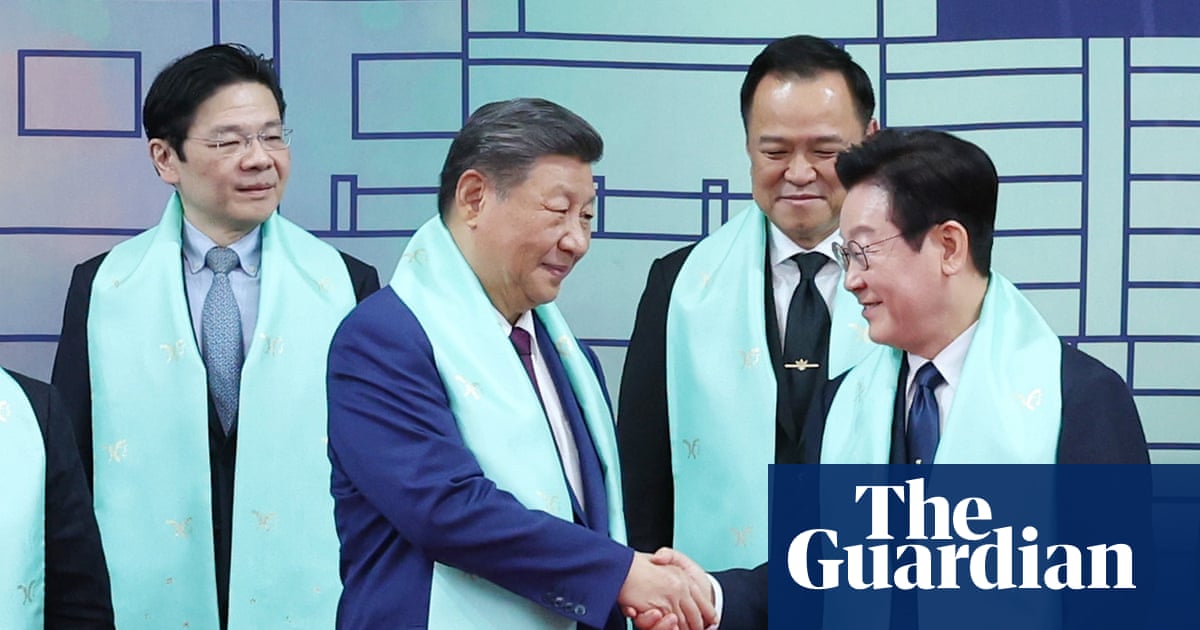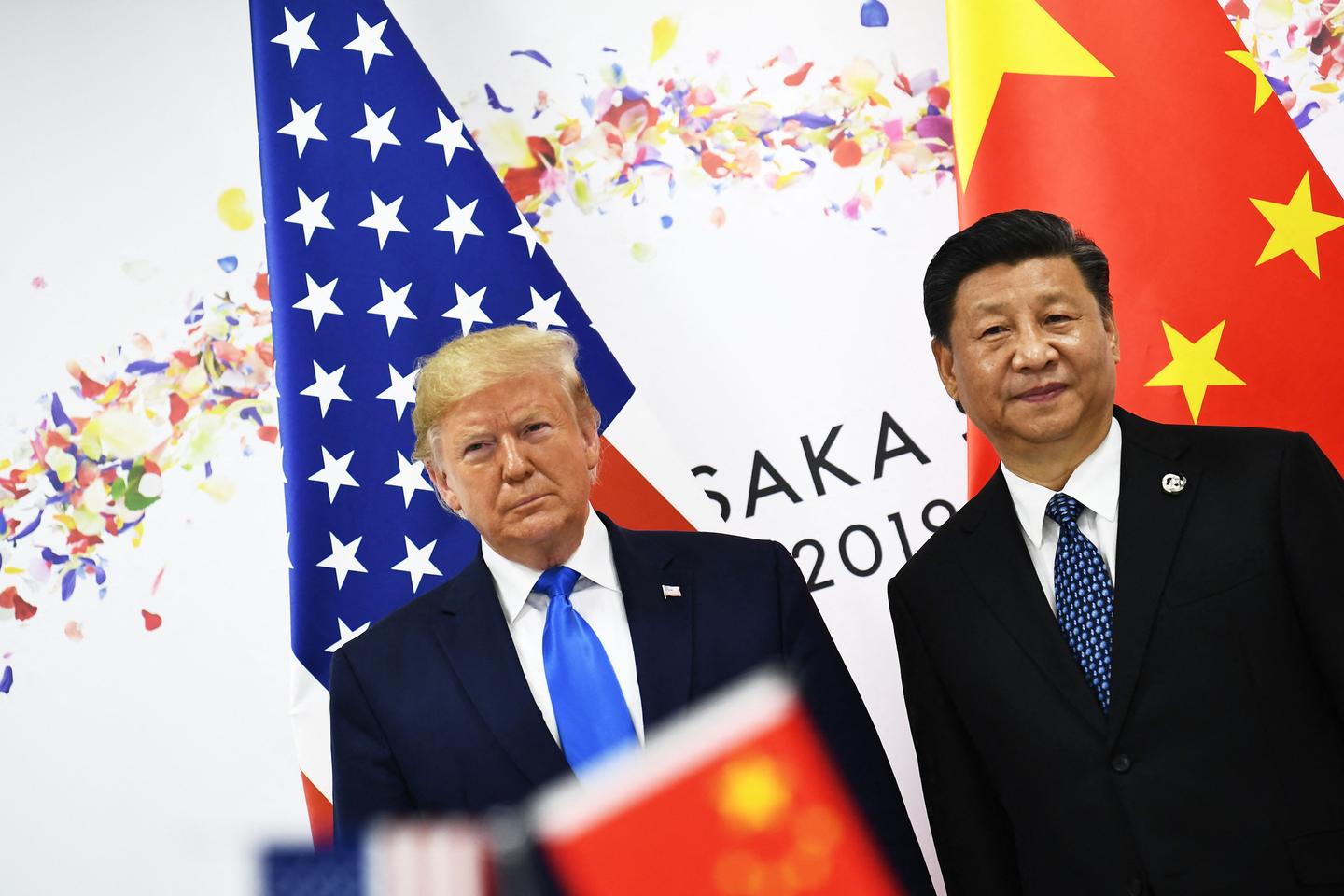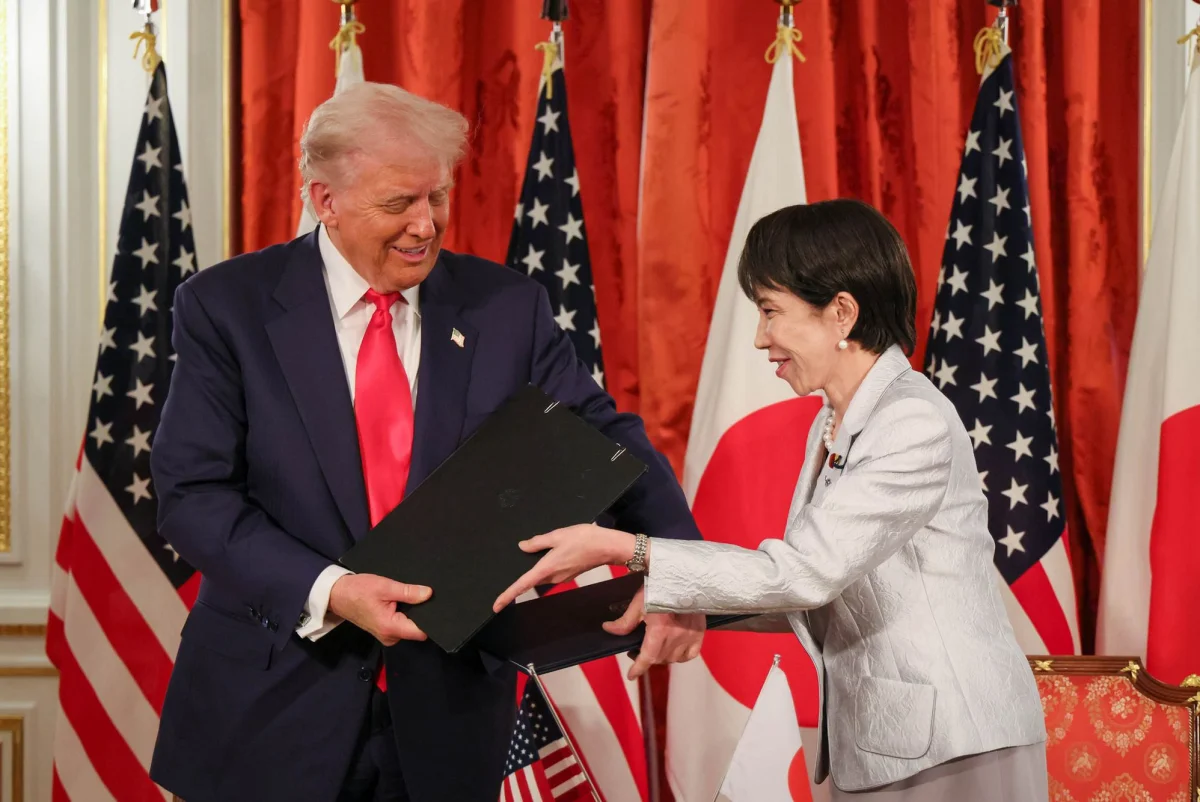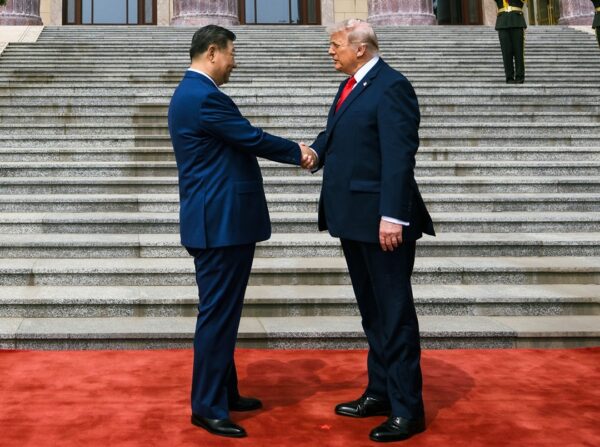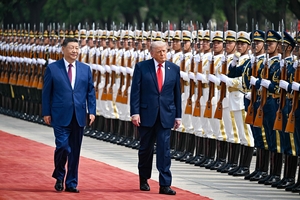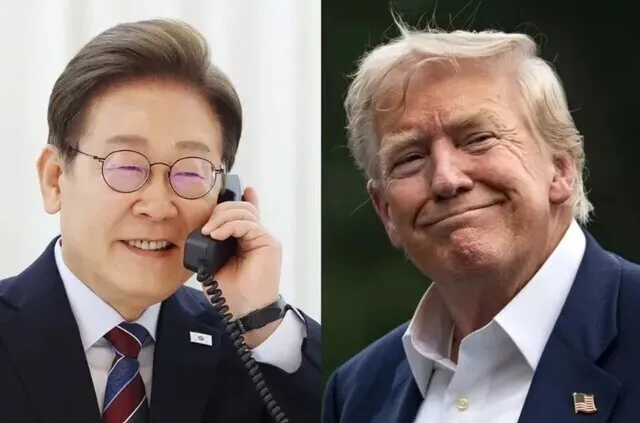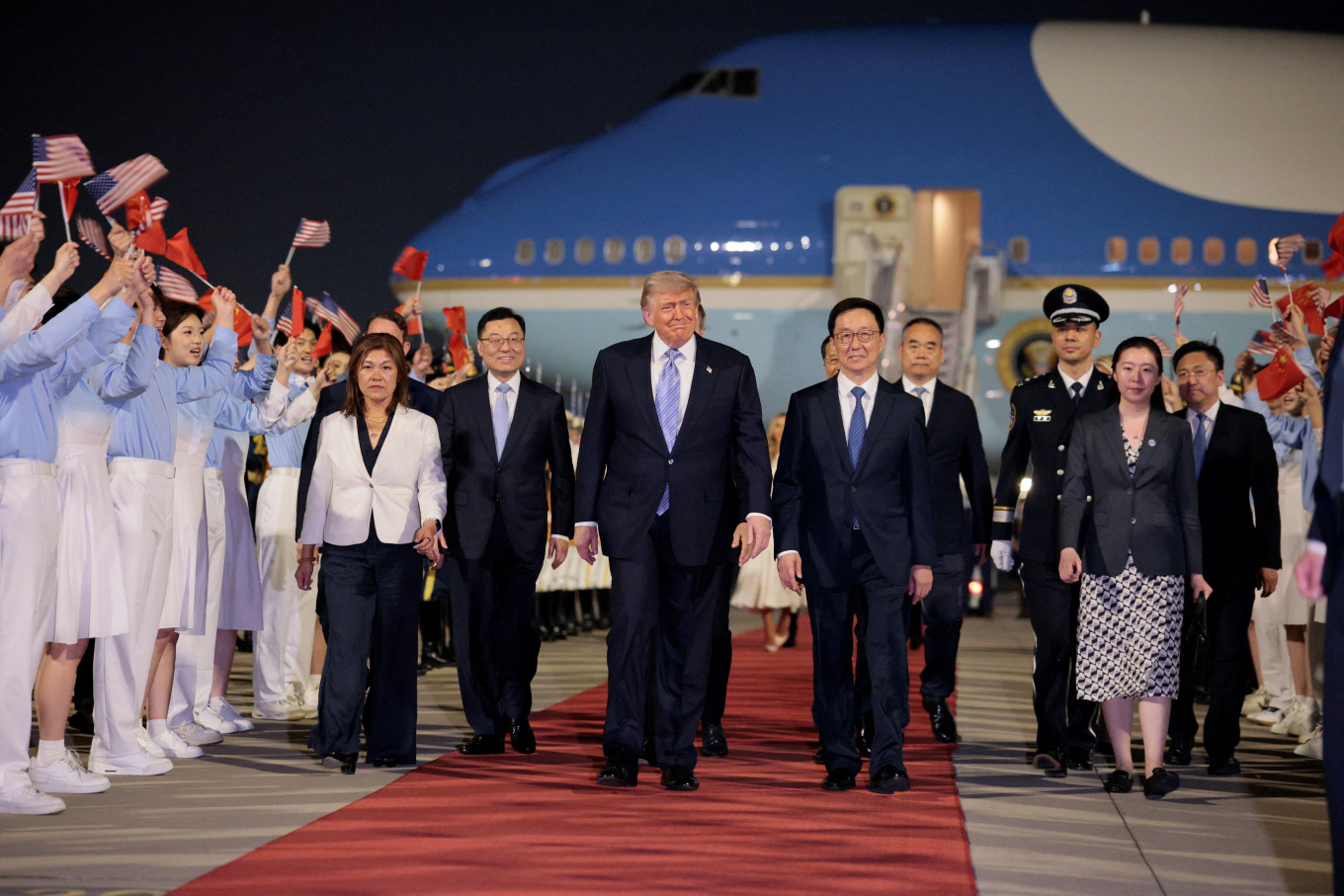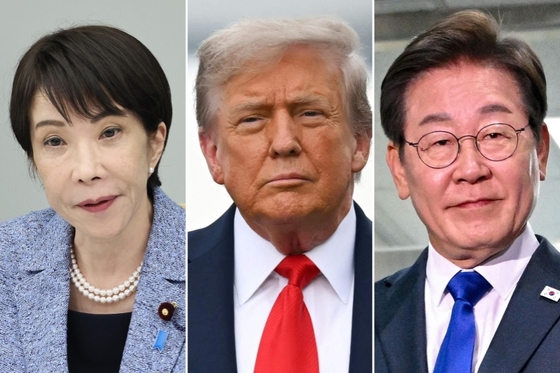
1. Following U.S. President Donald Trump's three-day visit to China, allies Japan and South Korea quickly sought phone calls to assess the outcomes of the high-stakes U.S.-China talks. [para. 1] On May 15, the day Trump concluded his trip, Japanese Prime Minister Sanae Takaichi requested a call and spoke with Trump for about 15 minutes from Air Force One en route to the U.S., receiving a briefing on his Beijing meetings. [para. 2] The Mainichi Shimbun reported that Takaichi was likely the first foreign leader to converse with Trump during his return flight. [para. 4] Takaichi stated she received a "quite detailed explanation" of the trip, and the two discussed economic and security issues related to China. [para. 5] She expressed gratitude for Trump's help on Japanese issues and both sides reaffirmed the "ironclad U.S.-Japan alliance," agreeing to maintain close communication in the Indo-Pacific region. [para. 6][para. 7] They also anticipated meeting at the Group of Seven summit in France starting June 15. [para. 7]2. Japan has long feared "Japan passing," a scenario where the U.S. bypasses Tokyo to engage China directly on strategic issues affecting Japanese interests. [para. 3] Takaichi did not explicitly state whether Taiwan was discussed. [para. 8] Japanese Chief Cabinet Secretary Minoru Kihara noted that a stable U.S.-China relationship is "extremely important" for global stability, and the government would monitor impacts on Japan. [para. 9] A Japanese Foreign Ministry official pointed out that proper management of U.S.-China relations helps prevent global economic instability, but added that if the relationship is "too good or too bad, it is difficult for Japan to handle." [para. 10][para. 11] Before the summit, Japan conveyed its stance on Indo-Pacific stability to both Washington and Beijing. [para. 11]3. Ahead of the summit, U.S. Treasury Secretary Scott Bessent visited Japan on May 11-12, meeting with Takaichi and Finance Minister Satsuki Katayama to discuss Trump's trip, Sino-U.S. relations, and economic security. [para. 13] On May 13, Bessent traveled to South Korea to meet President Lee Jae-myung, then held economic consultations with Chinese Vice Premier He Lifeng at Incheon International Airport before joining Trump's delegation to China. [para. 14] Tokyo had sought an advance U.S.-Japan summit after learning of Trump's China visit, aiming to convey its position directly to the president. [para. 15] On March 19, Takaichi held a summit at the White House during her first U.S. visit as prime minister, but the Iran war delayed the Sino-U.S. summit from April to mid-May. [para. 16]4. On May 17, South Korean President Lee Jae-myung spoke with Trump for about 30 minutes, discussing the Sino-U.S. summit results, the Korean Peninsula situation, and the U.S.-South Korea alliance. [para. 18] This call, initiated by Seoul, was the first direct dialogue between the two leaders in nearly 200 days since their October 2025 APEC meeting. [para. 18] Lee congratulated Trump on his successful return visit to China after nine years. [para. 19] Trump briefed Lee on U.S.-China relations and discussions on economics, trade, the Korean Peninsula, and the Middle East. [para. 21] The two exchanged views on peace on the Korean Peninsula; Lee praised Trump's consultations with Xi Jinping, and Trump committed to promoting stability based on close U.S.-South Korea cooperation. [para. 22] They discussed implementing the Joint Fact Sheet from November 2025, covering trade, tariffs, semiconductors, artificial intelligence, shipbuilding, nuclear energy, and security cooperation. [para. 23][para. 24] They also exchanged views on follow-up tariff negotiations, the nuclear energy pact, and nuclear-powered submarines. [para. 25] South Korean National Security Adviser Wi Sung-lac noted that security topics are linked to economic issues, with progress in behind-the-scenes consultations. [para. 25]5. Tokyo and Seoul officially announced that Prime Minister Takaichi will make a state visit to South Korea from May 19-20, her second visit since becoming prime minister and third meeting with Lee. [para. 26] Yonhap News Agency reported that the trip is a reciprocal visit following Lee's visit to Takaichi's hometown in January, and is expected to further build mutual trust and friendship between the leaders. [para. 27]AI generated, for reference only
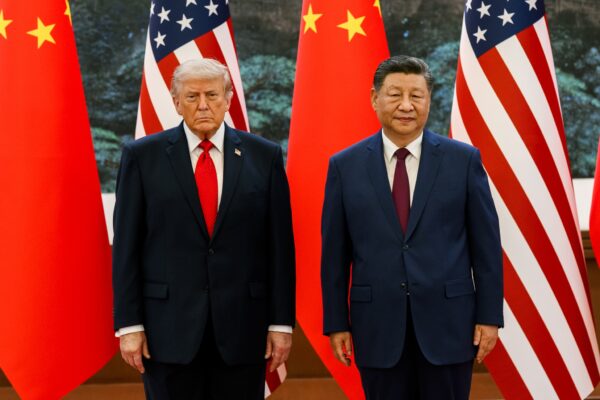
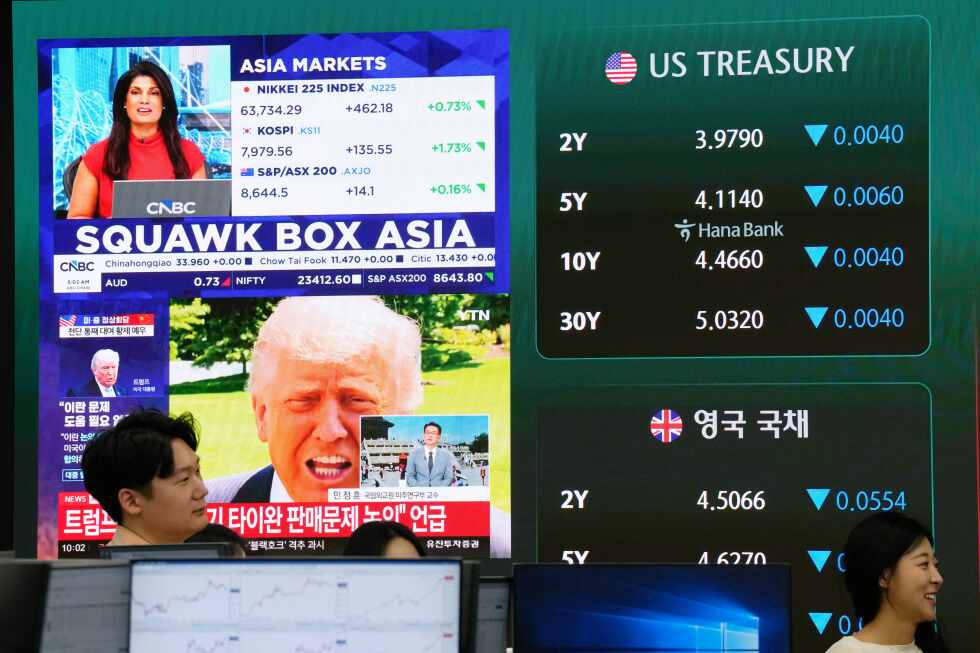
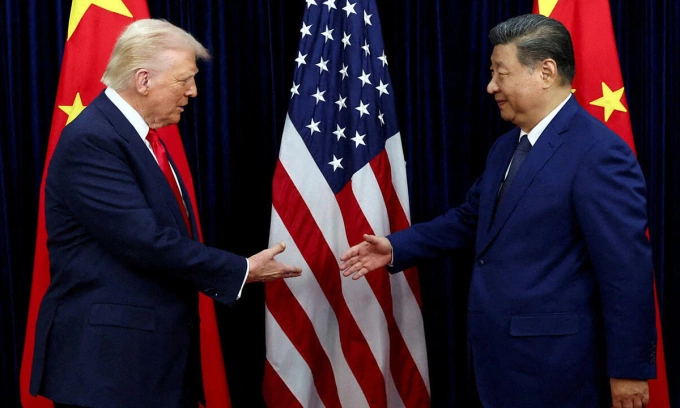
Asian Allies Rush to Consult Trump After His China Visit
Leaders of Japan and South Korea press for details on the Sino-U.S. summit, highlighting fears of being bypassed in trans-Pacific strategic shifts
671 words~3 min read