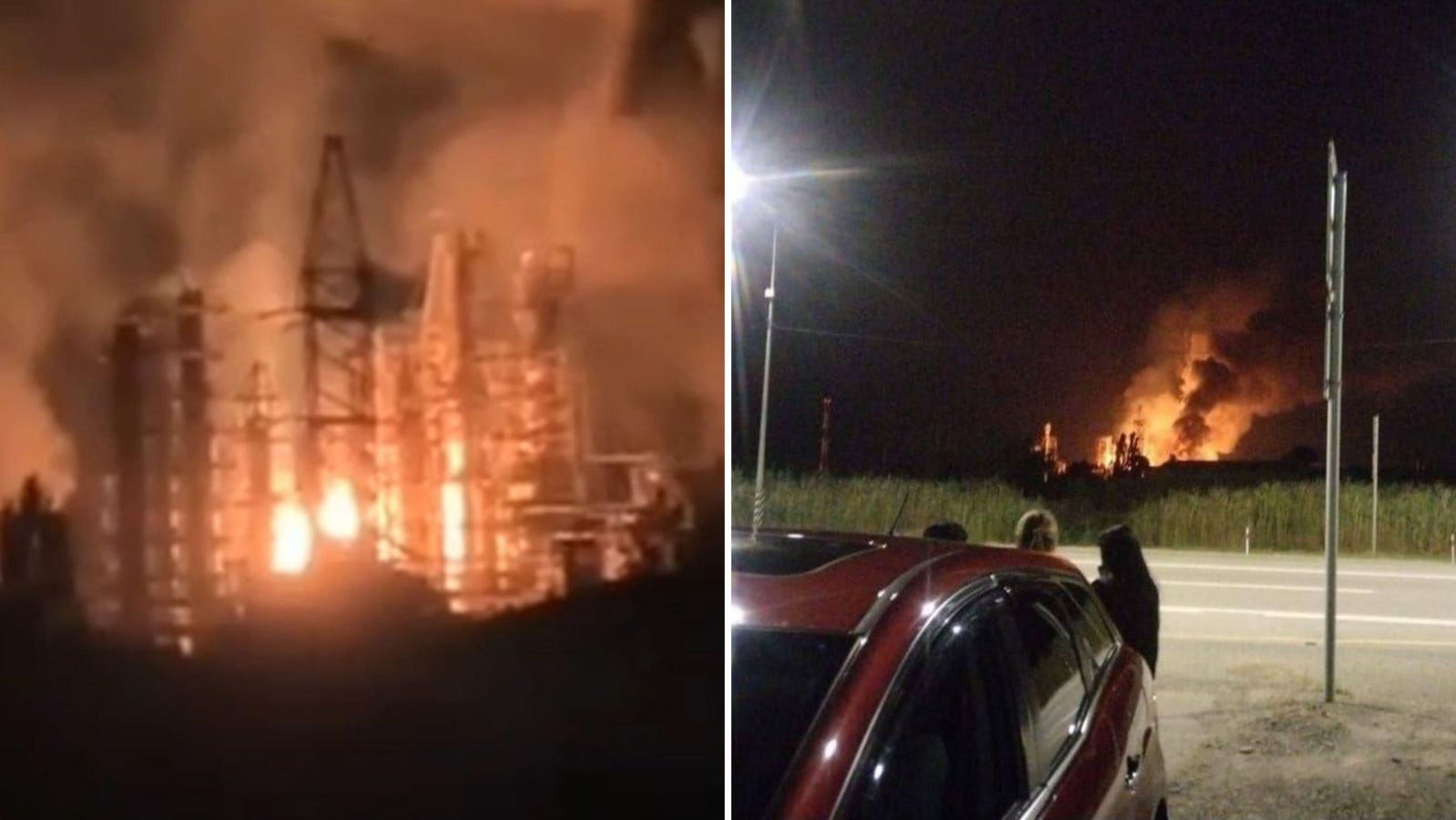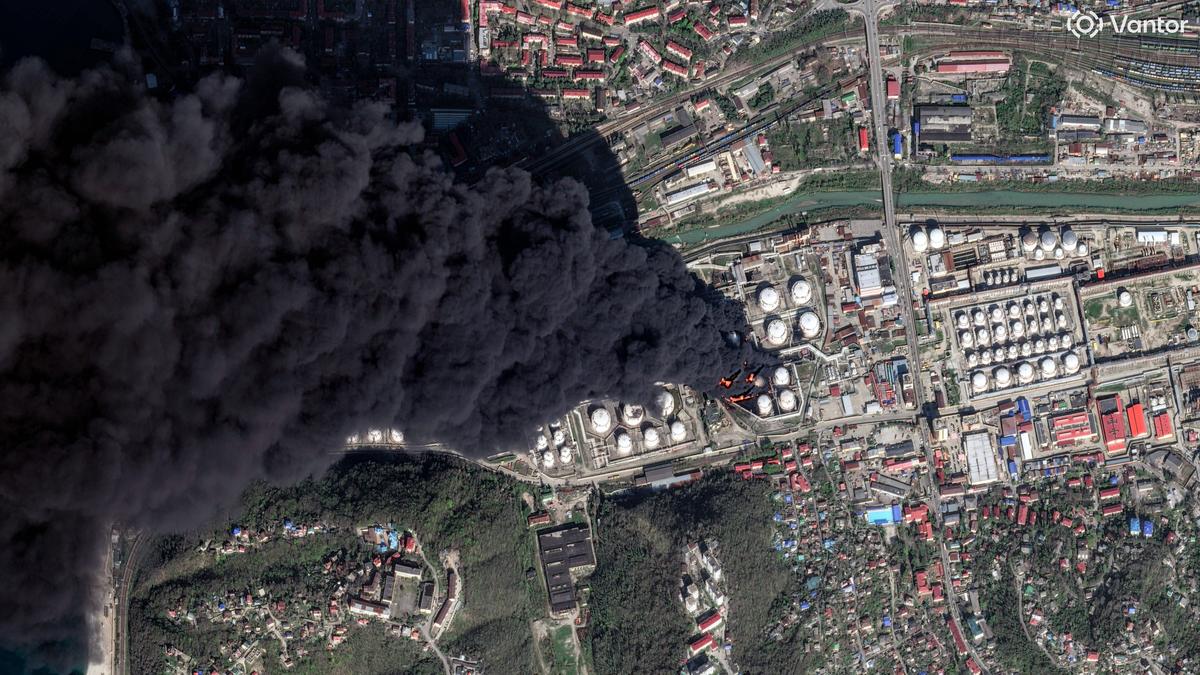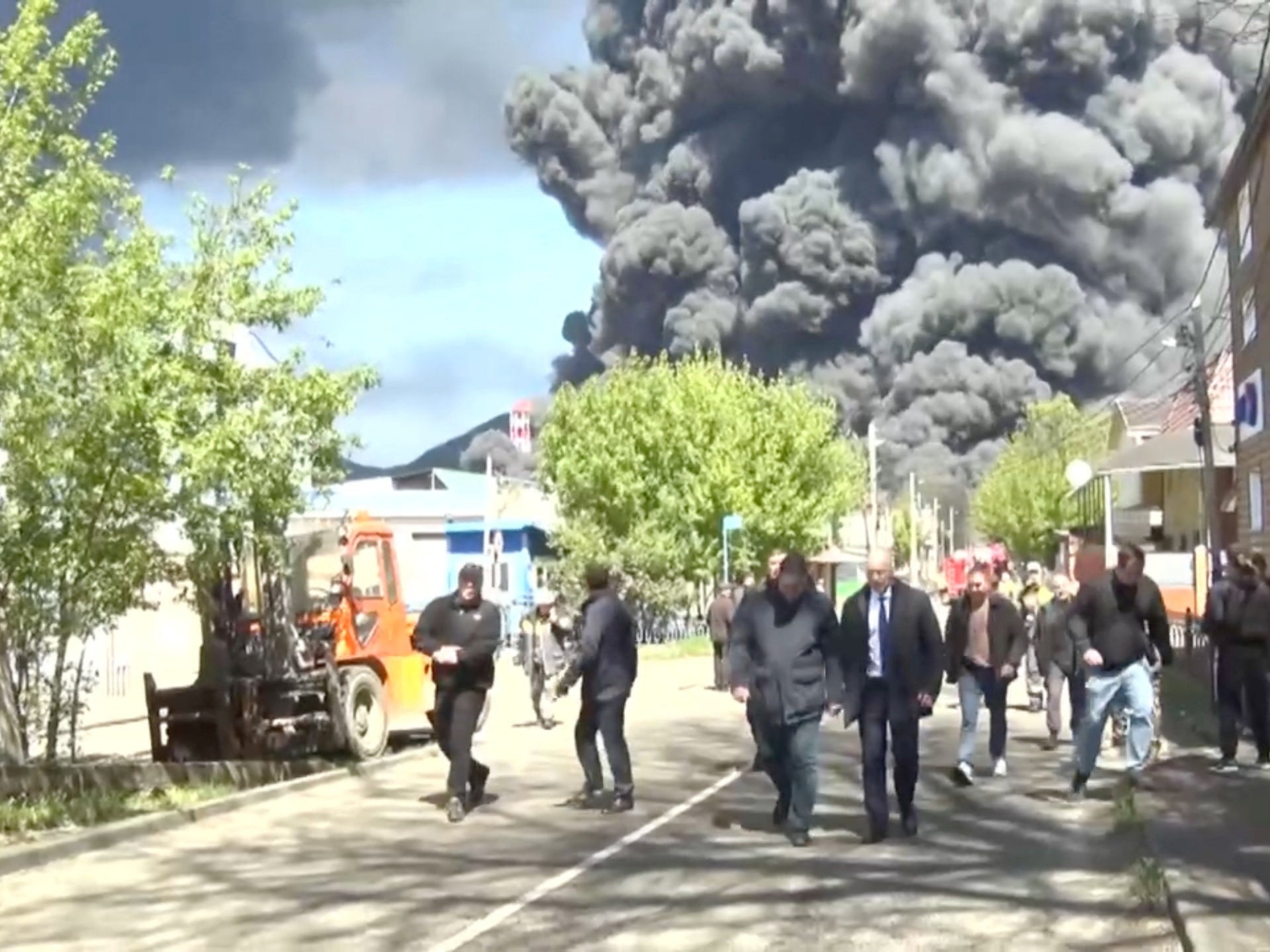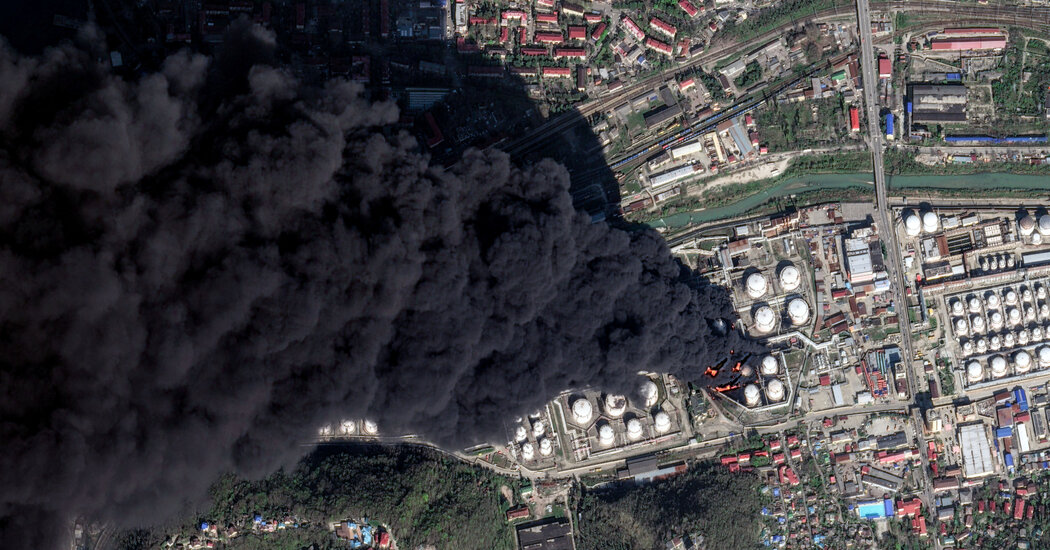
AdvertisementSKIP ADVERTISEMENTYou have a preview view of this article while we are checking your access. When we have confirmed access, the full article content will load.As Ukraine Hits Oil Refineries, Russians Pay a Heavy Environmental TollAfter invading more than four years ago, Moscow has usually been the one causing ecological disaster. But Kyiv’s strikes, intended to cut into the Kremlin’s oil revenue, have flipped the script.Listen · 8:17 min A satellite image from the aerial mapping company Vantor of a Russian oil facility in Tuapse, Russia, after Ukrainian drone attacks in April.Credit...Vantor, via ReutersMay 19, 2026, 5:02 a.m. ETYevgeny Vitishko, who lives in the Russian town of Tuapse, always wears white shirts. But the day a local oil refinery caught fire after a Ukrainian drone strike, he thought that would not be a good idea.“I could see droplets of oil and soot on my clothes,” said Mr. Vitishko, 52, a prominent environmental activist. “The smell was so strong. It’s like you’re standing next to an exhaust pipe.”An ecological disaster is unfolding in Tuapse, a resort town and port on the Black Sea. Four drone attacks in April and May, part of a growing campaign of Ukrainian strikes on energy export infrastructure deep inside Russia, have caused what Mr. Vitishko called the biggest oil spill along Russia’s Black Sea coast during his lifetime.Apocalyptic pictures of oil-laden rain and towering clouds of pitch-black smoke have emerged. Dangerous levels of toxins have filled the air, the local authorities say, and tons of oil have been released into waterways. Russian officials have refused to publicly estimate how much oil has been spilled, reporting only that about one million cubic feet of contaminated pebbles and soil has been removed from the coast line.More than four years into the fighting, Ukraine is bringing the war home to Russia. Kyiv now produces large numbers of its own long-range drones and cruise missiles, and in scores of attacks this year, Ukrainian forces have been firing them at oil facilities and other sites up to 1,000 miles into Russian territory.The attacks are intended to cut into Russia’s oil revenue just as Moscow expects a windfall from supply disruptions in the Middle East.Thank you for your patience while we verify access. If you are in Reader mode please exit and log into your Times account, or subscribe for all of The Times.Thank you for your patience while we verify access.Already a subscriber? Log in.Want all of The Times? Subscribe.AdvertisementSKIP ADVERTISEMENT
As Ukraine Strikes Russian Oil Sites, an Environmental Disaster Unfolds
After invading more than four years ago, Moscow has usually been the one causing ecological disaster. But Kyiv’s strikes, intended to cut into the Kremlin’s oil revenue, have flipped the script.
410 words~2 min read