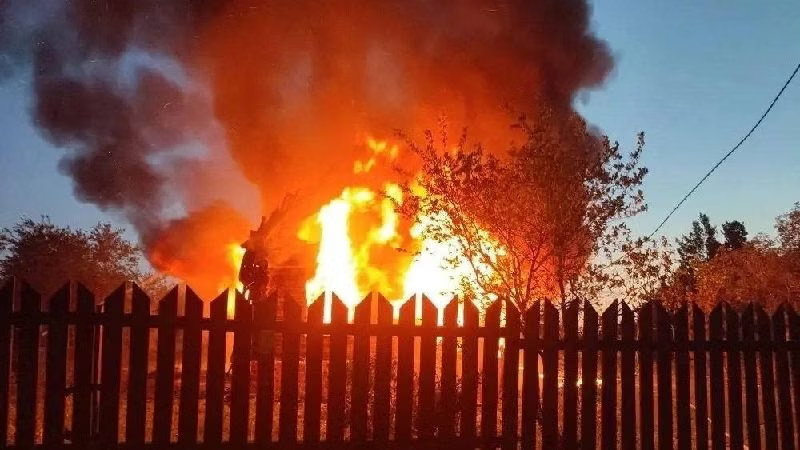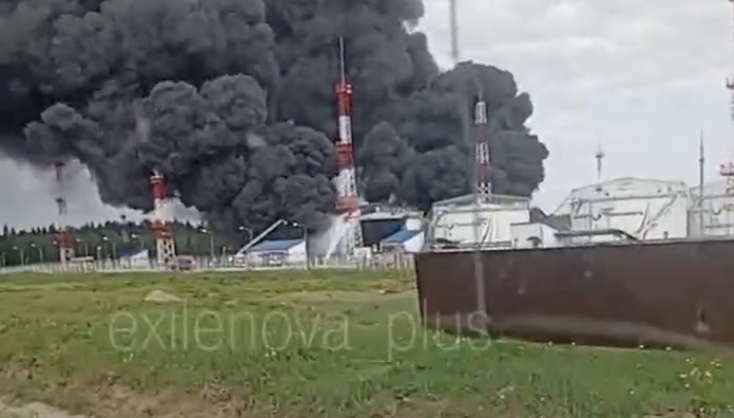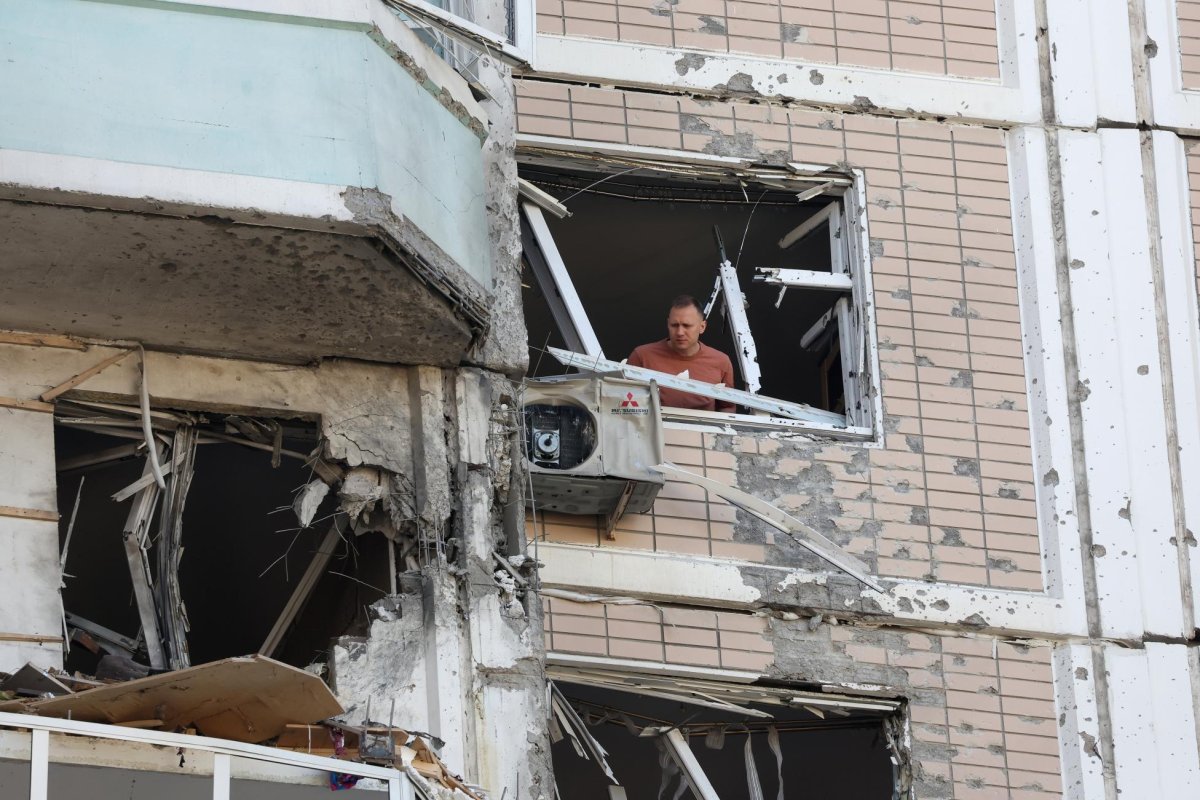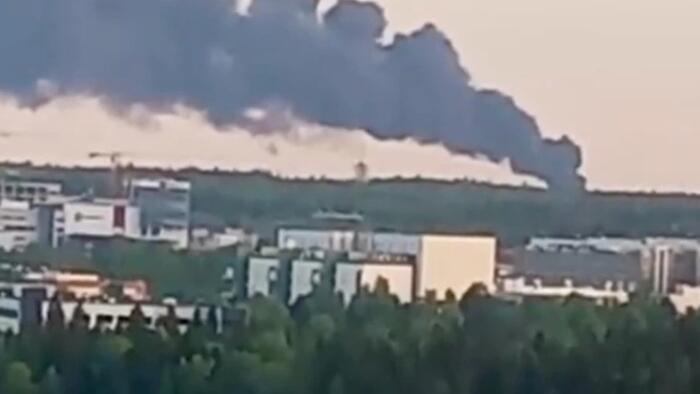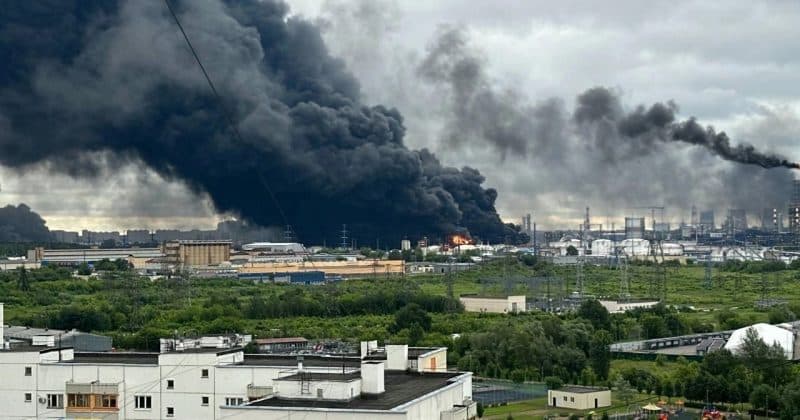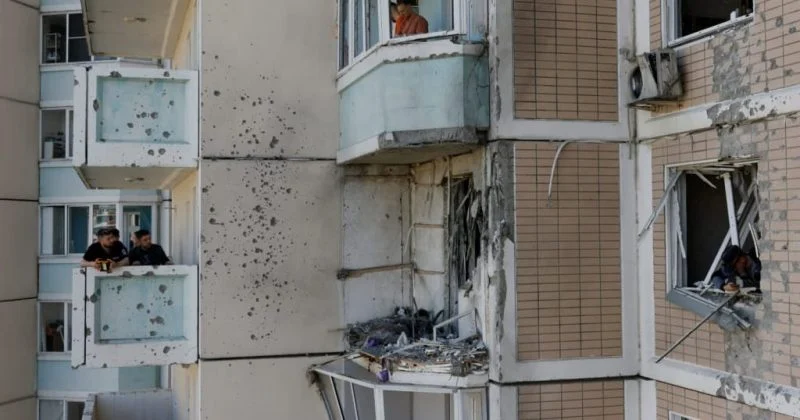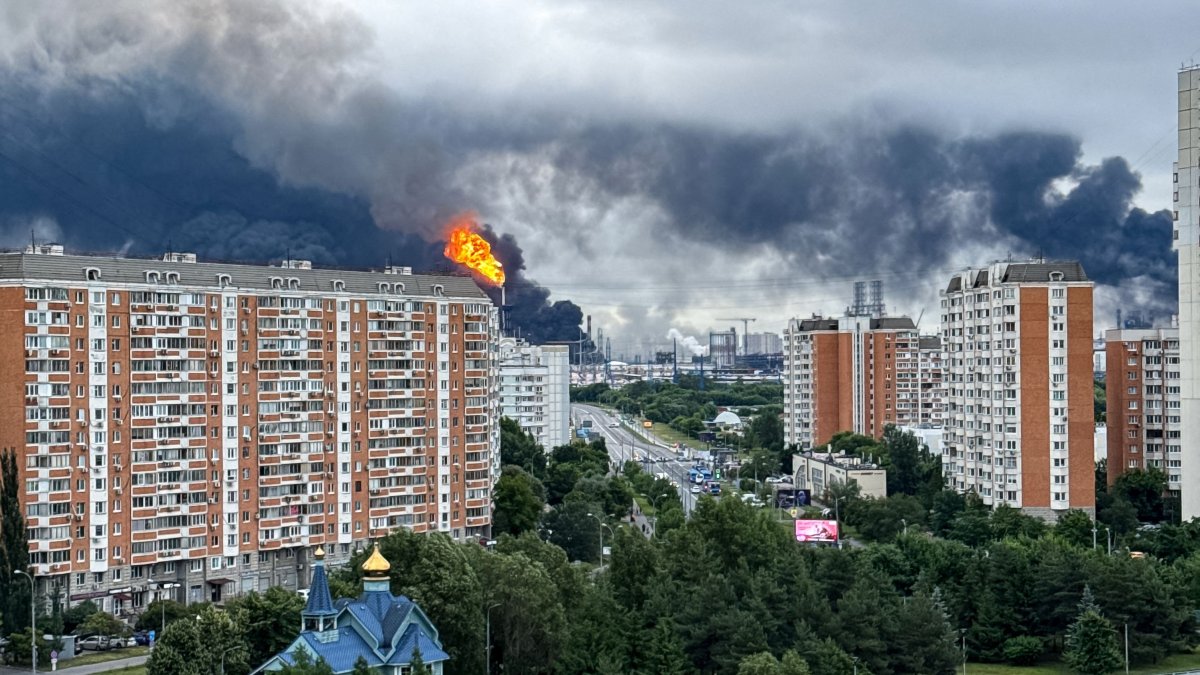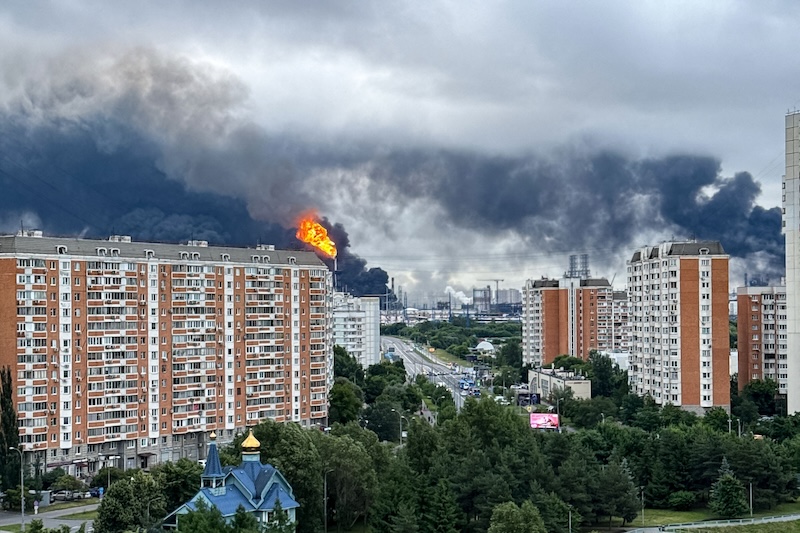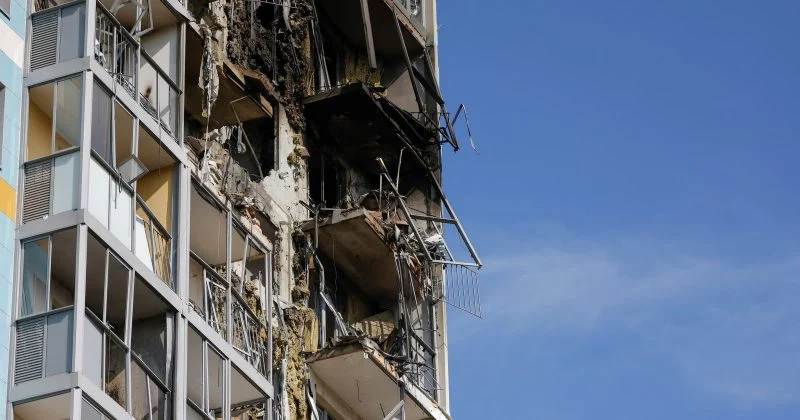
Ukrainian drones targeted multiple locations across Moscow and surrounding regions, with Russian authorities claiming to have intercepted over 400 drones across just two days. Residential buildings in Moscow sustained damage, with debris from intercepted drones falling into populated areas. Energy infrastructure was also hit, with a refinery in the Moscow area taking damage, and major airports in the capital region were forced to cancel flights and suspend operations during the attacks.
Casualties were reported mostly in border regions such as Belgorod and Bryansk, with debris also damaging residential areas within Moscow.
Since mid-2023, Ukraine has significantly increased its drone strikes deep within Russian territory, targeting Moscow and key infrastructure such as oil depots and military sites. The Russian government has criticized these actions as acts of terrorism while claiming to intercept most incoming drones.
For energy markets, strikes on Russian energy infrastructure have implications for global fuel supply. Individual strikes on single facilities rarely move prices on their own, but the cumulative effect of a months-long campaign targeting Russian energy infrastructure is a different story.