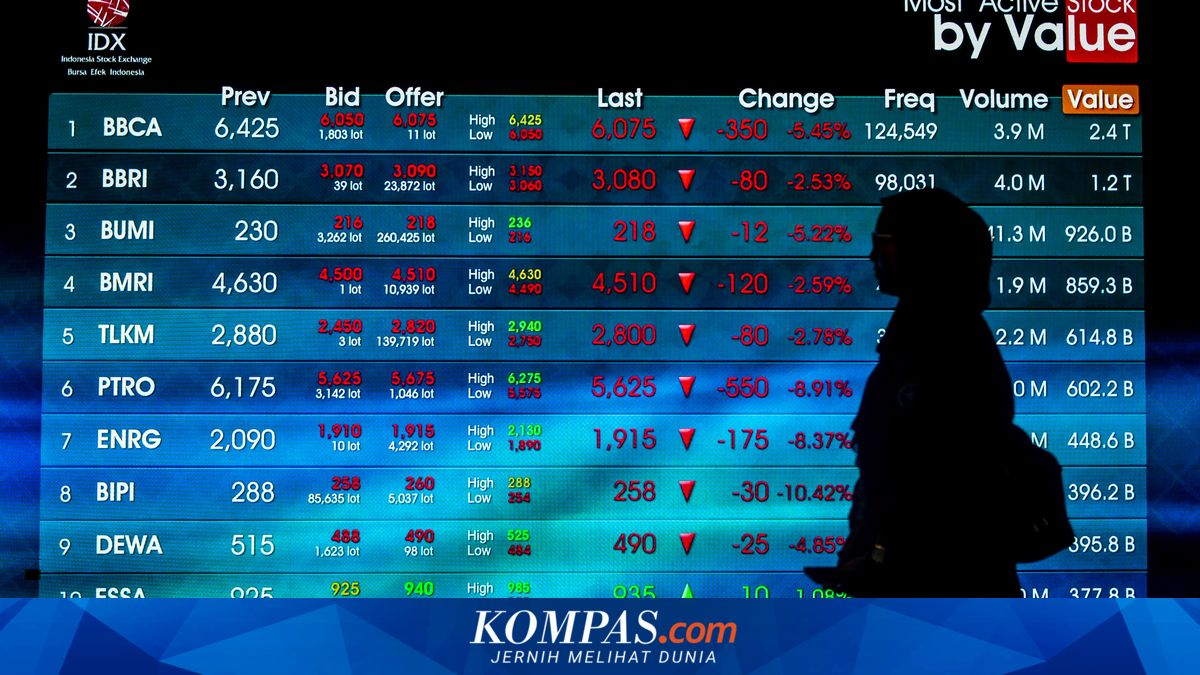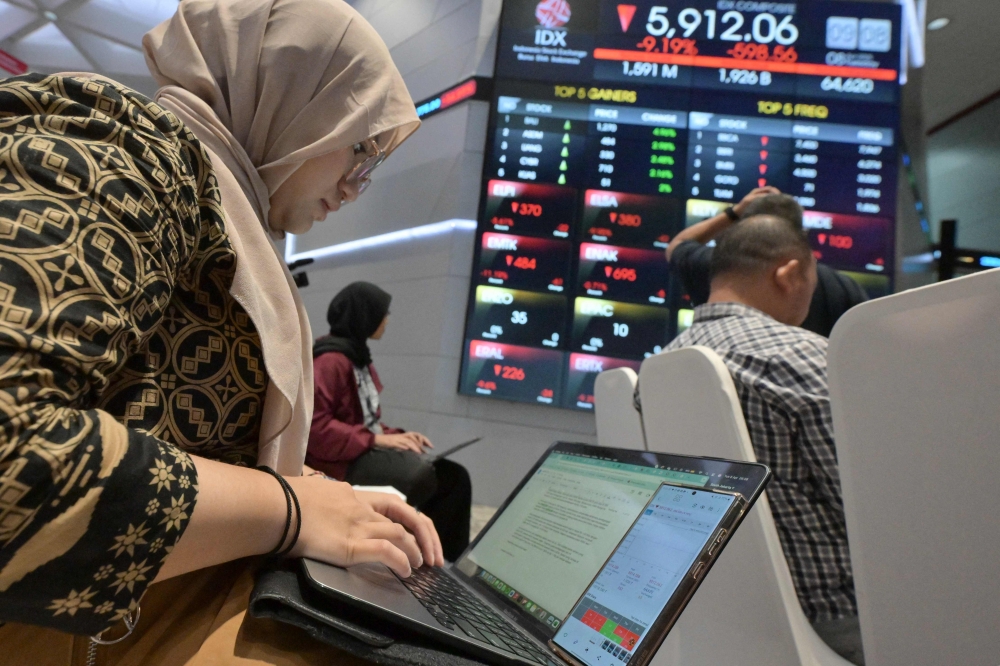
Beyond negative sentiment related to warning from global index compiler MSCI, global investors have also become more sensitive to concerns surrounding Indonesia’s fiscal resilience, particularly amid rising global energy prices.
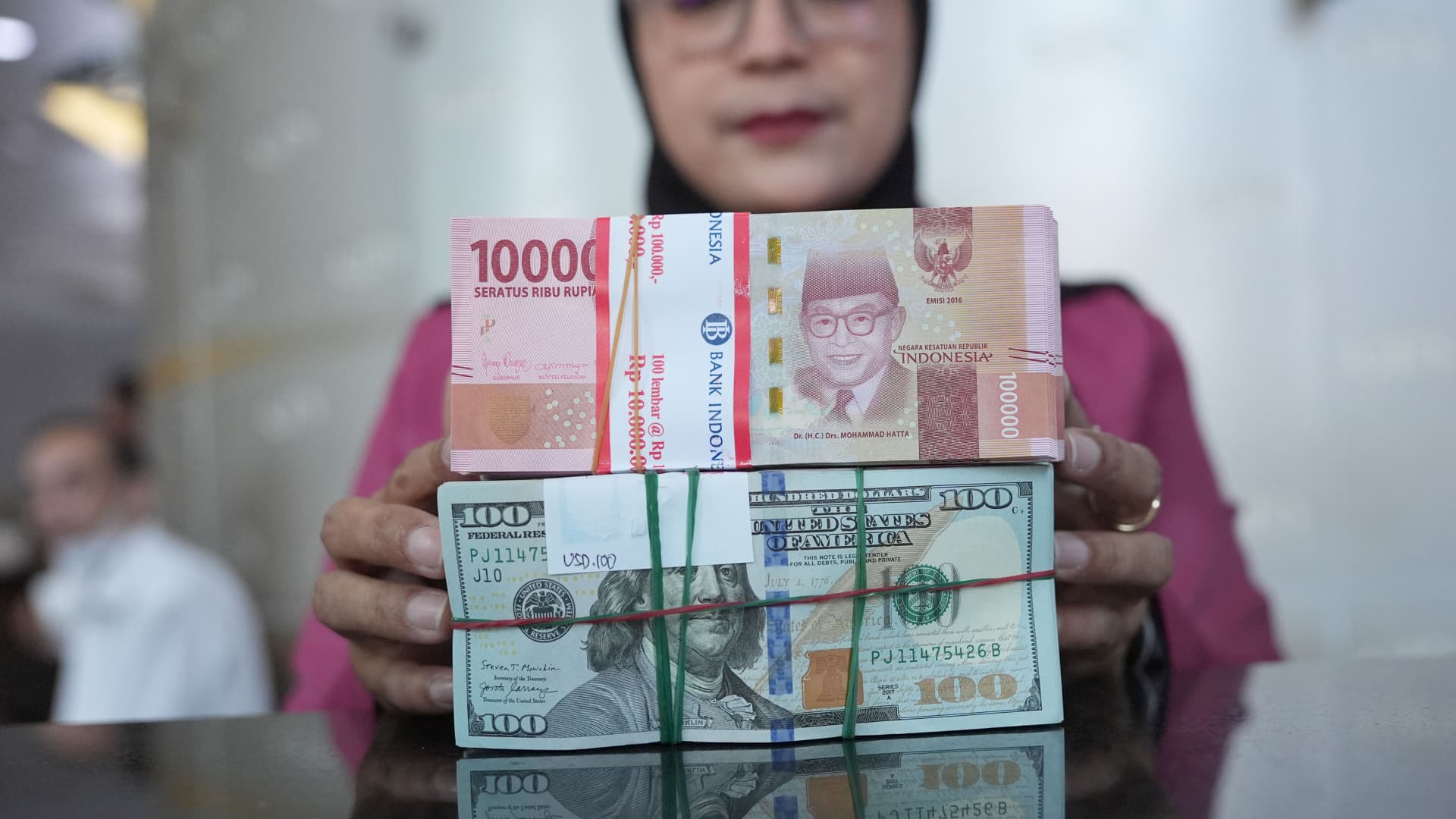
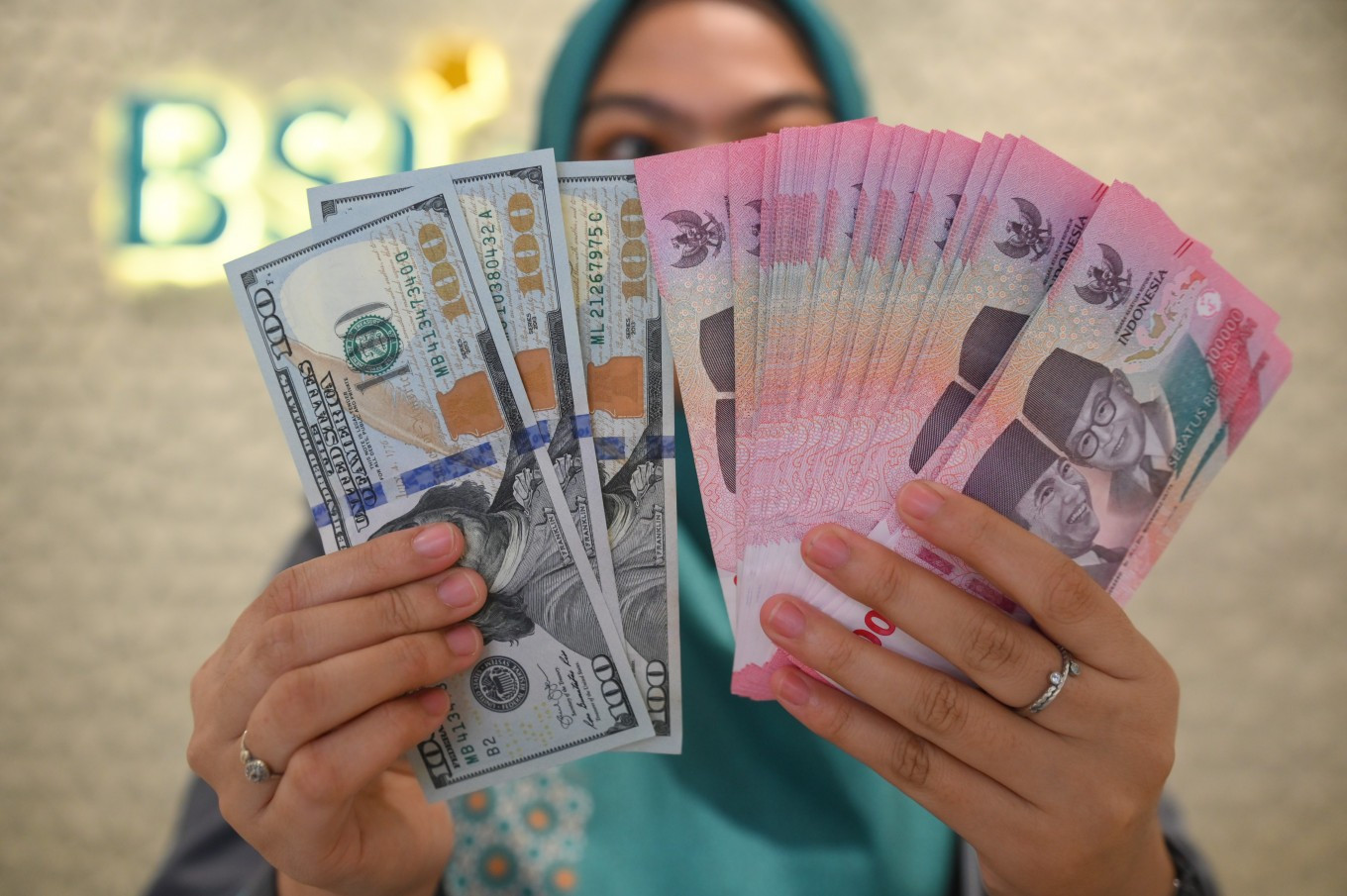
An employee displays Indonesian rupiah and United States dollar banknotes at Bank Syariah Indonesia in South Tangerang, Banten, on Jan. 21, 2026. (Antara/Hafidz Mubarak A)
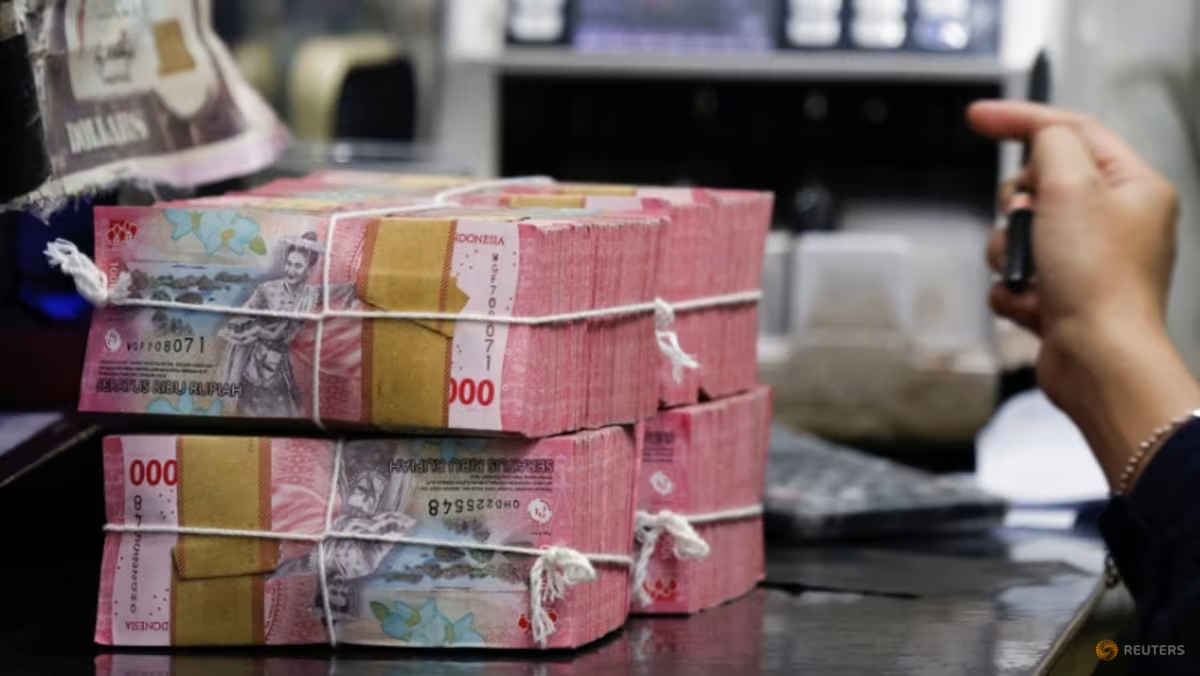
Pressure on local financial markets has intensified again as the rupiah weakened to 17,658 per United States dollar, depreciating around 5.8 percent year-to-date (ytd) as of Monday. At the same time, foreign capital outflows from domestic financial markets have continued, reaching approximately Rp 51 trillion (US$2.9 billion), consisting of around Rp 41 trillion in equity outflows and around Rp 10 trillion in bond outflows.This reflects growing caution among global investors toward emerging market assets amid heightened global uncertainty, ranging from escalating geopolitical tensions in the Middle East and rising global oil prices, to expectations that global interest rates will remain higher for longer.
Pressure on the rupiah intensified after the renewed US-Israeli war on Iran heightened market concerns over potential disruptions to global oil supply due to possible restrictions in the Strait of Hormuz. Rising oil prices subsequently strengthened the US dollar as a safe-haven asset while also triggering risk-off sentiment across global markets.