17 minutes ago
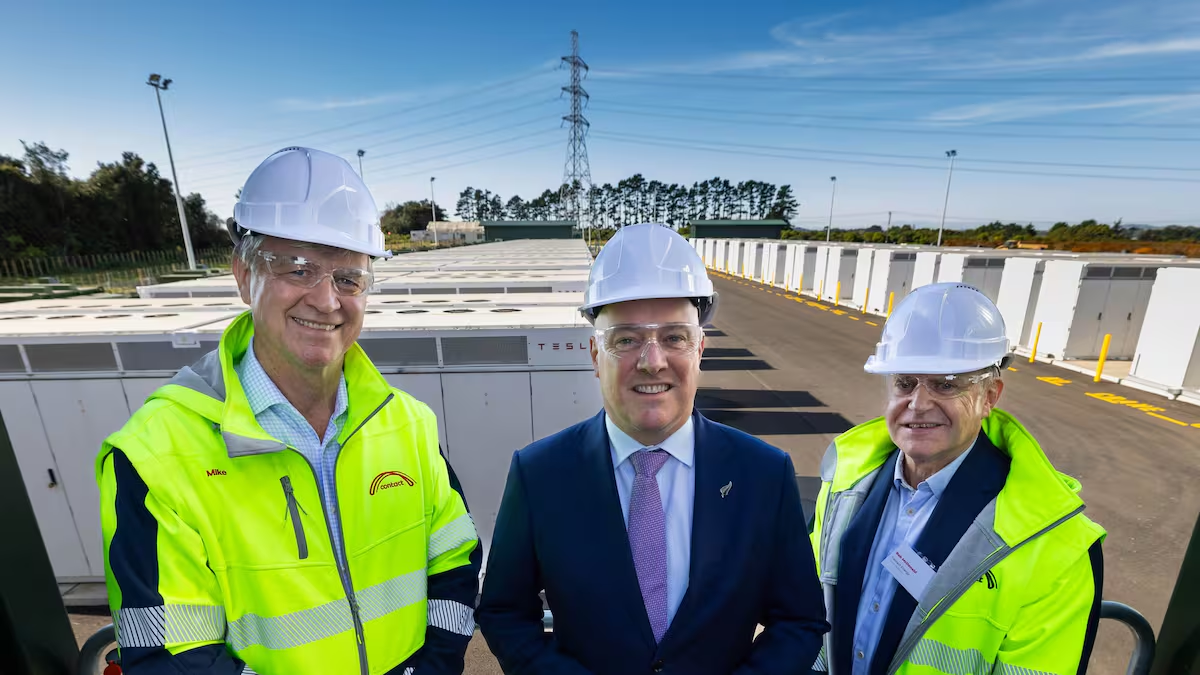
New solar and geothermal generation means New Zealand no longer faces the same risk of running out of power in winter in so-called "dry years", according to Contact Energy Chief Executive Mike Fuge.
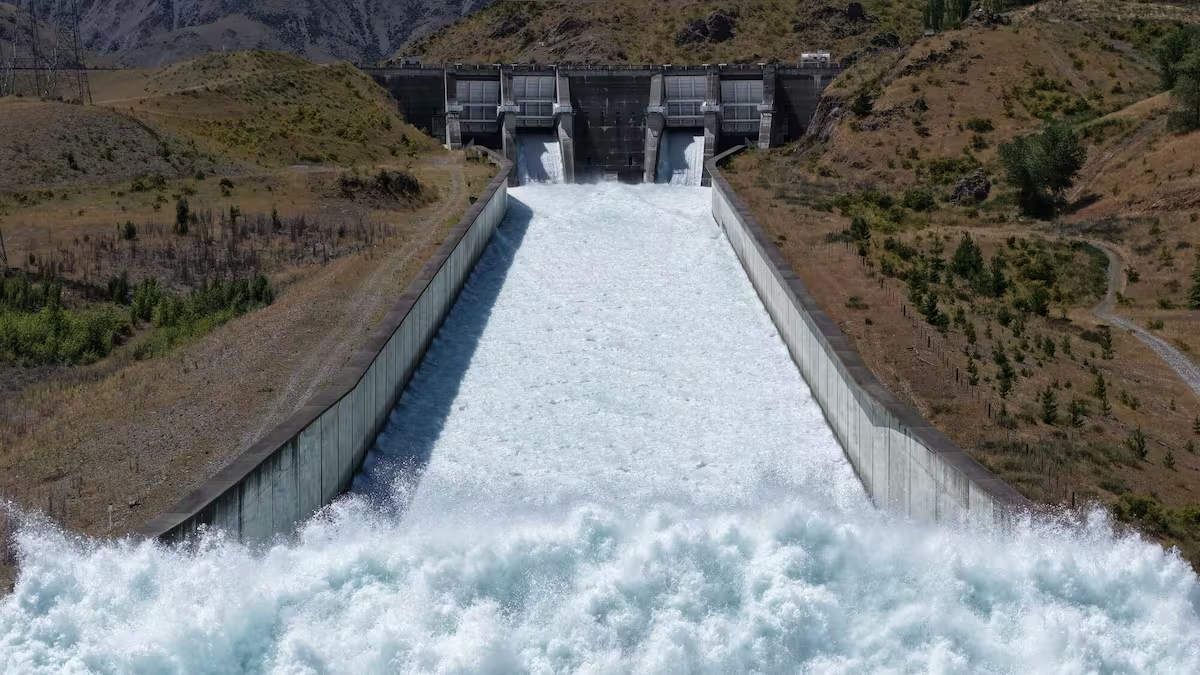
Hydro-generation is the country's largest power source but can be limited in years when rain and snow melt don't fill up the hydro lakes - leading to something called dry year risk.
In 2024, low lake levels, along with a lack of wind and falling gas supplies, sparked a winter energy crisis that sent wholesale prices skyrocketing, with some businesses being forced to close.
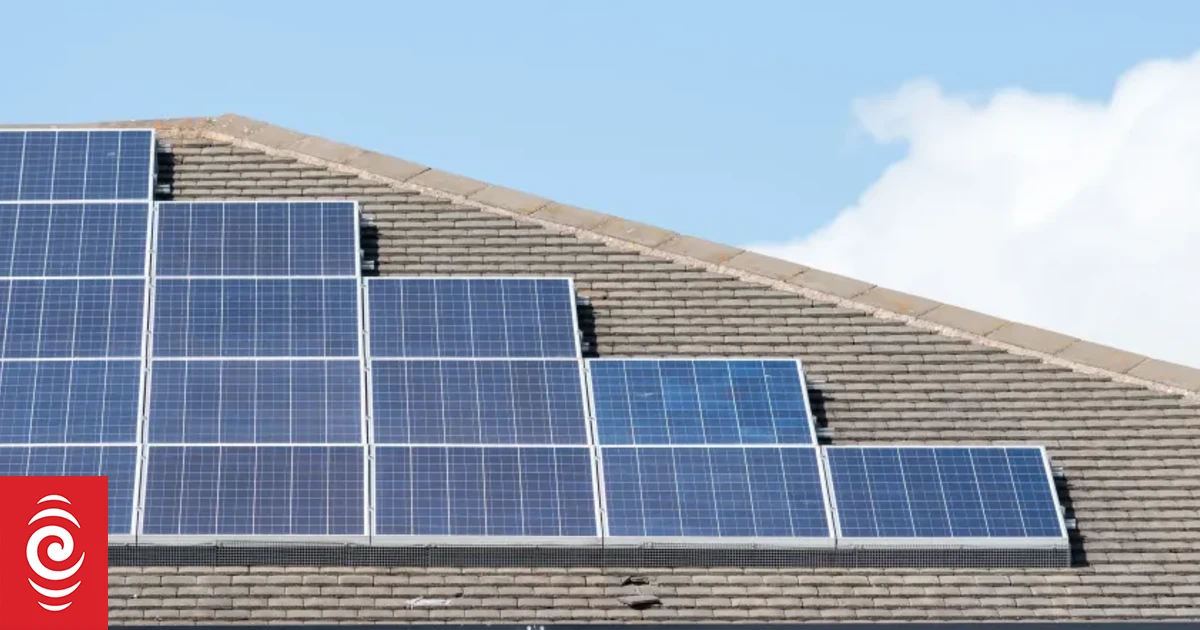
Fuge told RNZ the risk of a future dry year event has "moved downwards" thanks to the use of increased solar power in summer, and extra baseload from geo-thermal plants, allowing the company to get more out of its hydro assets.