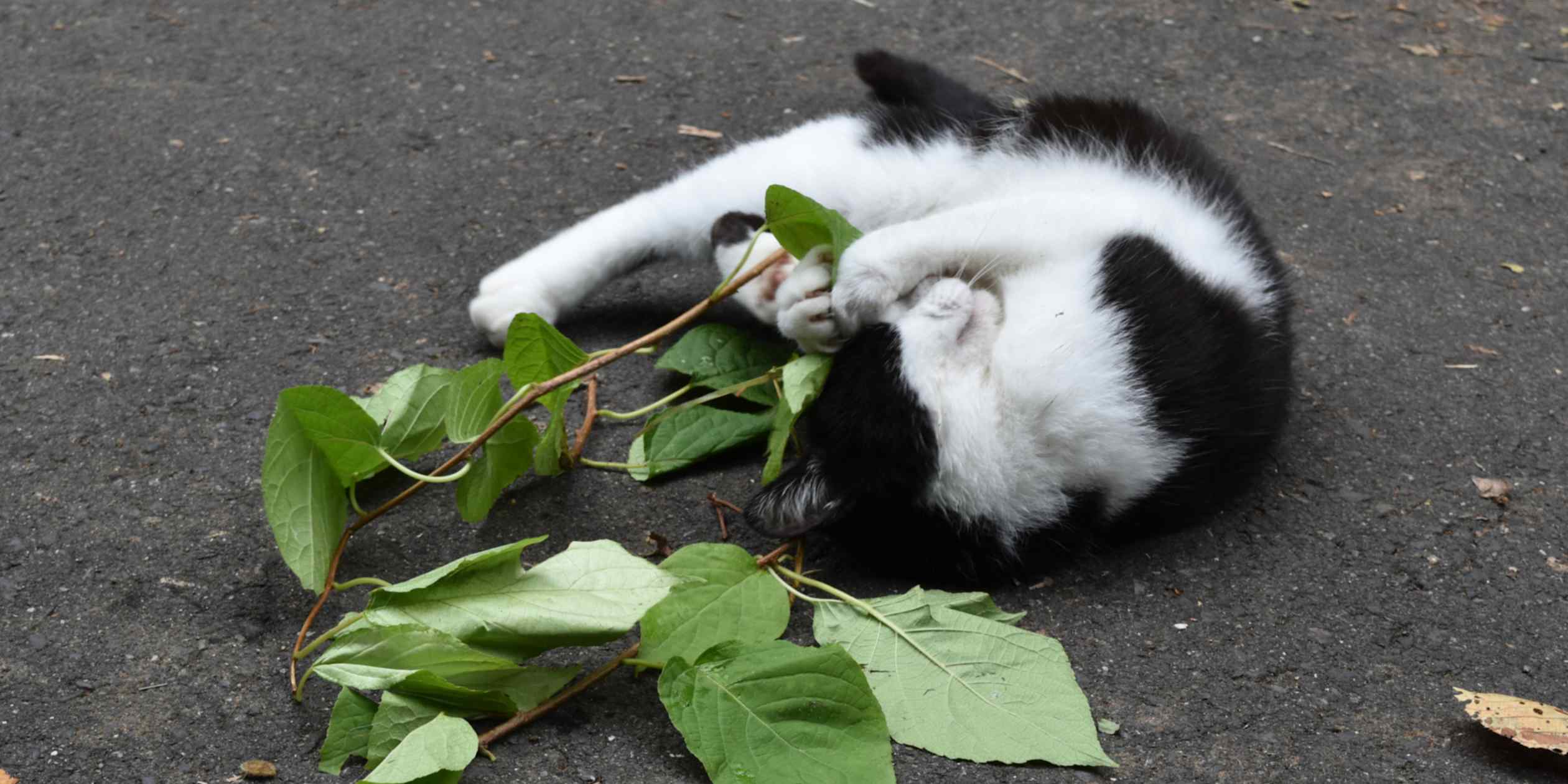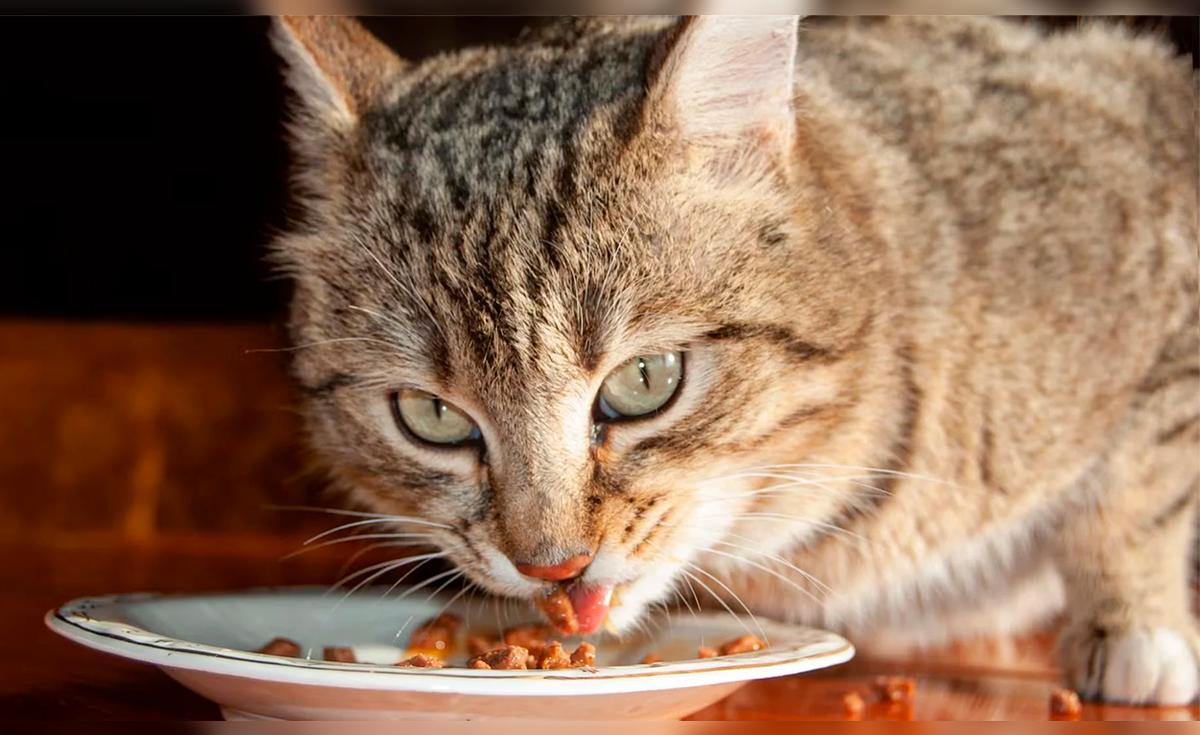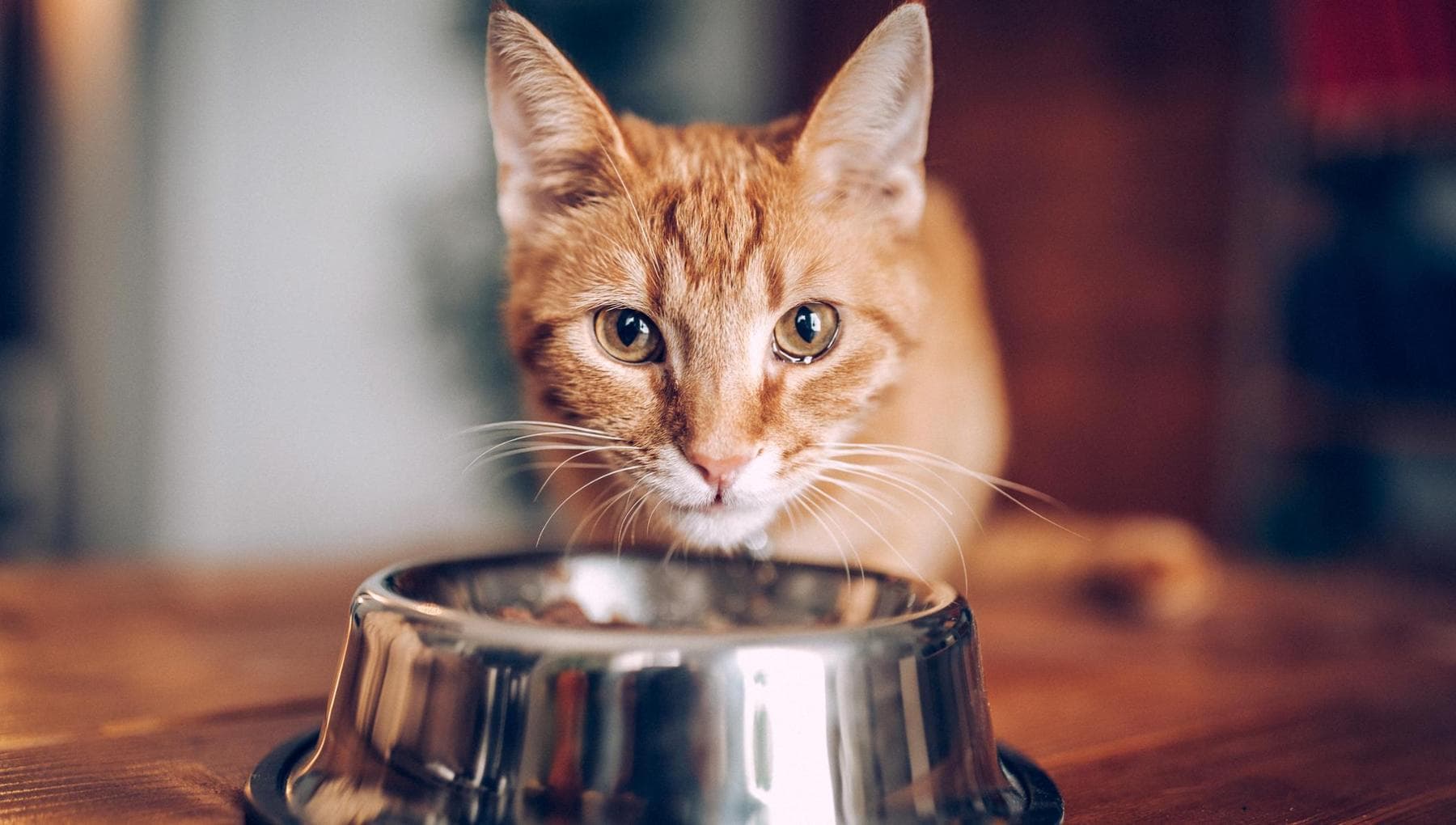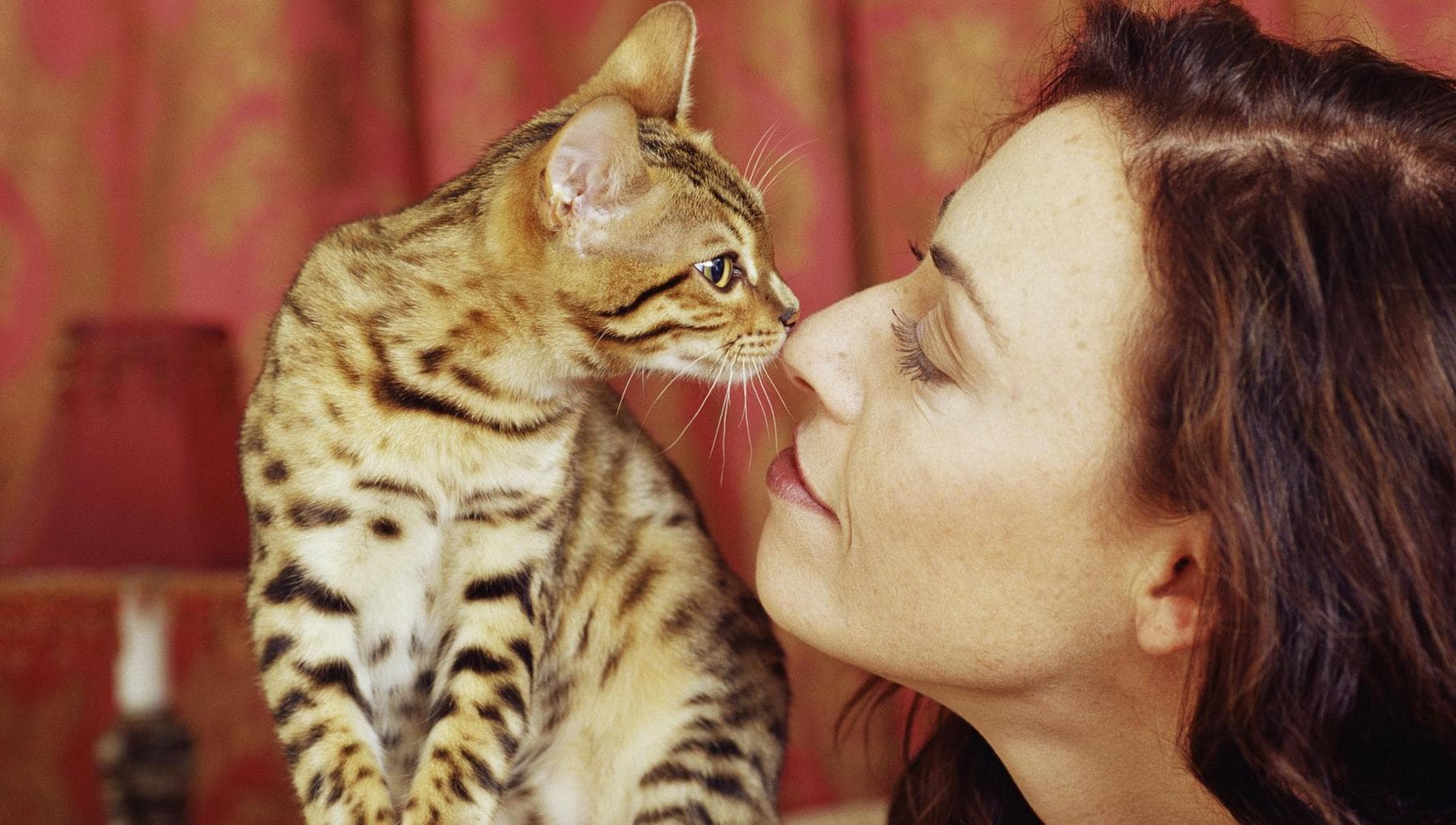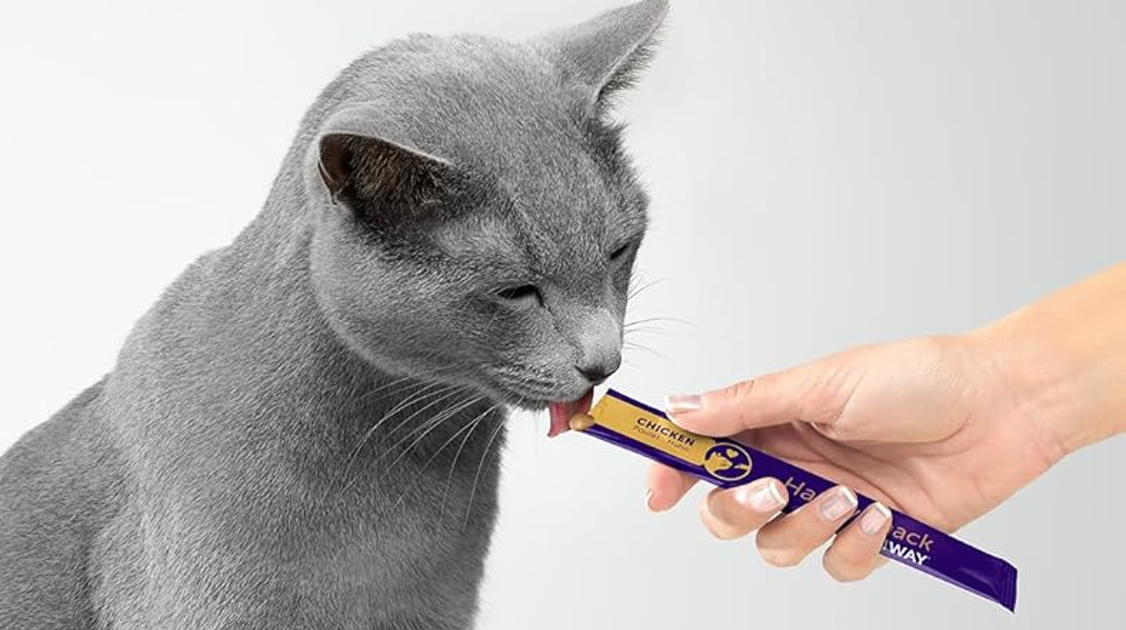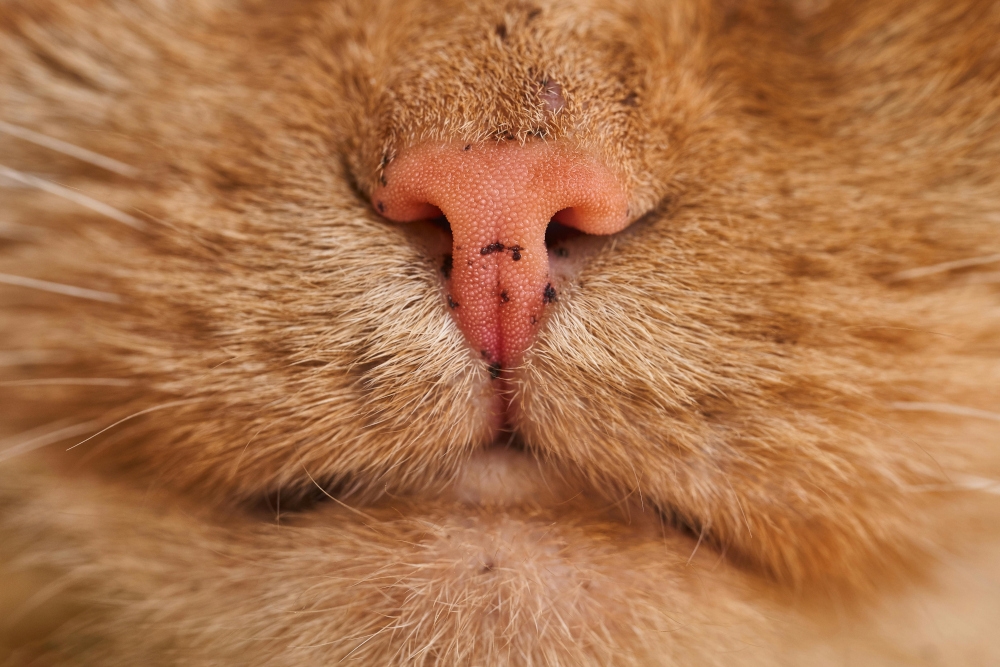
The researchers found that when cats are repeatedly given the same food, the amount they eat gradually declines. However, their appetite can rebound when the smell changes — even if the food itself remains the same. — Pexels.com pic (New users only) It's tax relief season! Get up to RM300 when you save with Versa! Plus, enjoy an additional FREE RM10 when you sign up using code VERSAMM10 with a min. cash-in of RM100 today. T&Cs apply. Monday, 18 May 2026 9:00 PM MYT MORIOKA (Japan), May 18 — Picky eating in cats may have less to do with finicky personalities and more to do with their sense of smell, Kyodo News reported, citing a new study by a team at Iwate University in north-eastern Japan.The researchers found that when cats are repeatedly given the same food, the amount they eat gradually declines.However, their appetite can rebound when the smell changes — even if the food itself remains the same.The findings, published in the April 1 issue of the international scientific journal Physiology and Behaviour, highlight the role of olfactory cues in shaping feline eating habits.The study may also help improve care for older or sick cats with reduced appetites and aid in the development of new pet foods.Cats tend to eat small amounts several times a day, often leaving food behind. This behaviour has long been attributed to mood or instinct, but the underlying mechanism has remained unclear.“Our research provides an answer to a question many cat owners have,” said Masao Miyazaki, a professor of molecular and cellular biology who led the study.In the experiment, 12 cats were fed six times at regular intervals, with 10-minute breaks between feedings. When the same food was provided each time, the amount consumed steadily decreased.However, when a different food was introduced at the sixth feeding, the cats’ intake increased. A similar recovery was observed when a new scent was added to the same food at the final feeding.The team also found that continued exposure to the same smell between meals reduced how much the cats ate, while introducing a different scent helped maintain a higher intake.The researchers concluded that cats’ eating patterns are influenced not only by satiety but also by “olfactory habituation,” in which sensitivity to a repeated smell fades, and “dishabituation,” where a new stimulus restores interest.“Simply rotating foods with different smells could help encourage cats to eat,” Miyazaki said. “We hope this will contribute to building a better relationship between cats and their owners.” — Bernama-Kyodo
Why your cat suddenly stops eating the same food: Japanese study points to smell as key factor
MORIOKA (Japan), May 18 — Picky eating in cats may have less to do with finicky personalities and more to do with their sense of smell, Kyodo News reported, citing a new study by...
417 words~2 min read