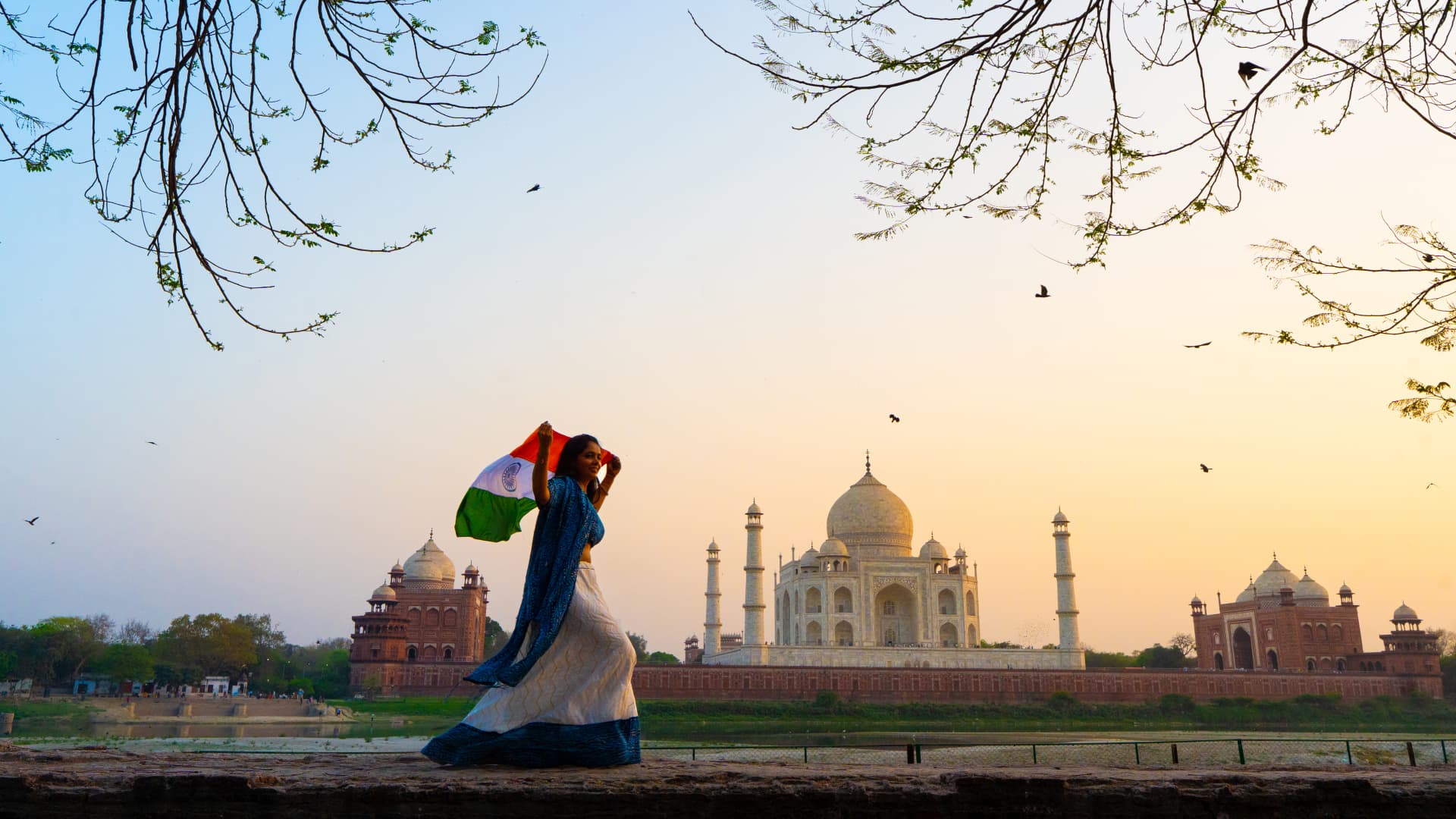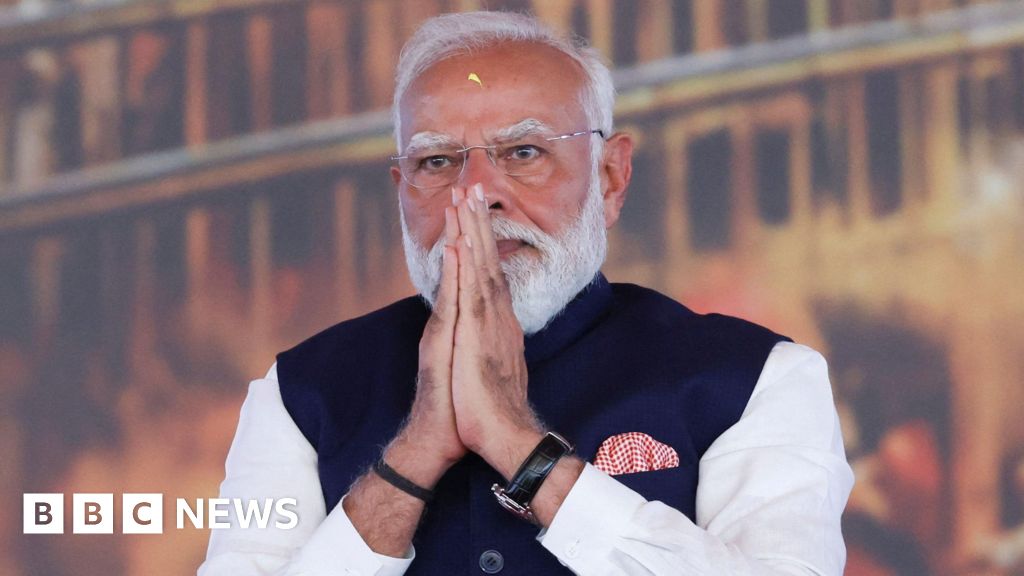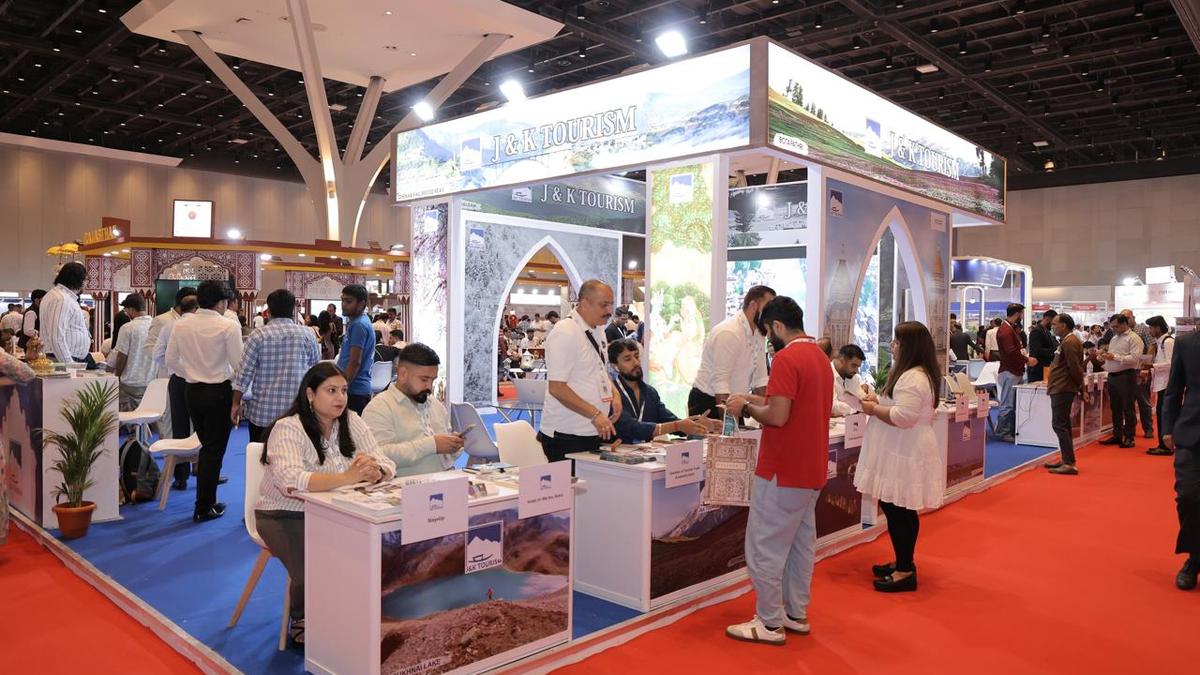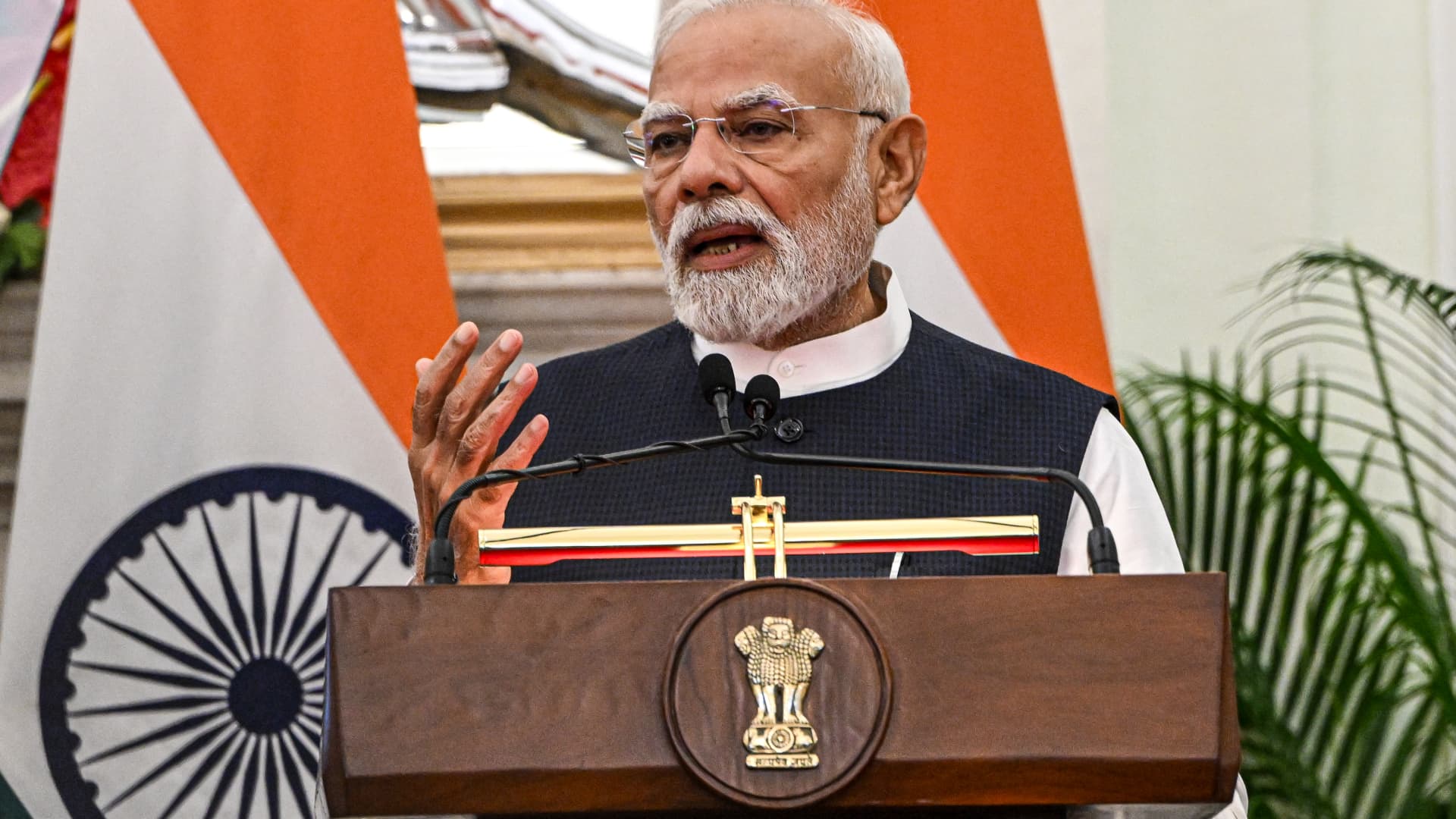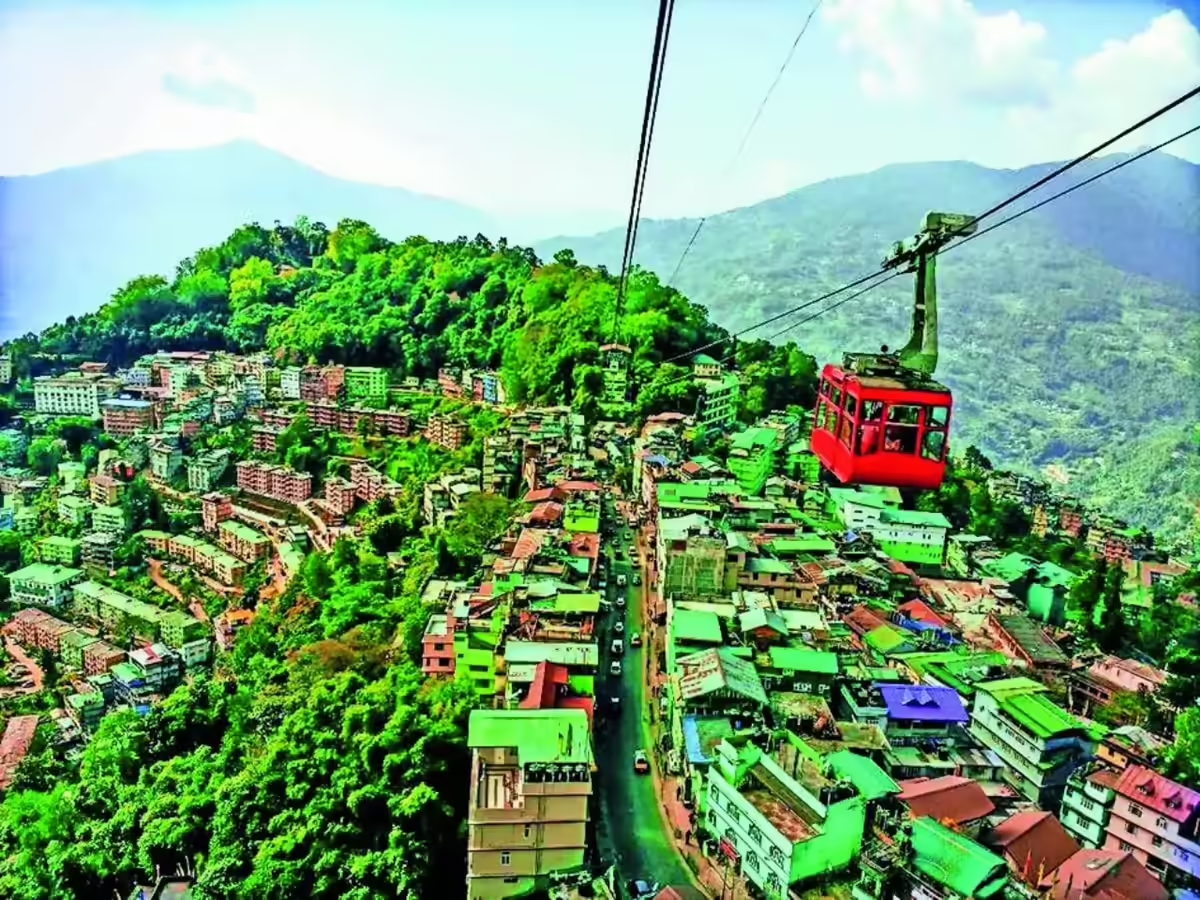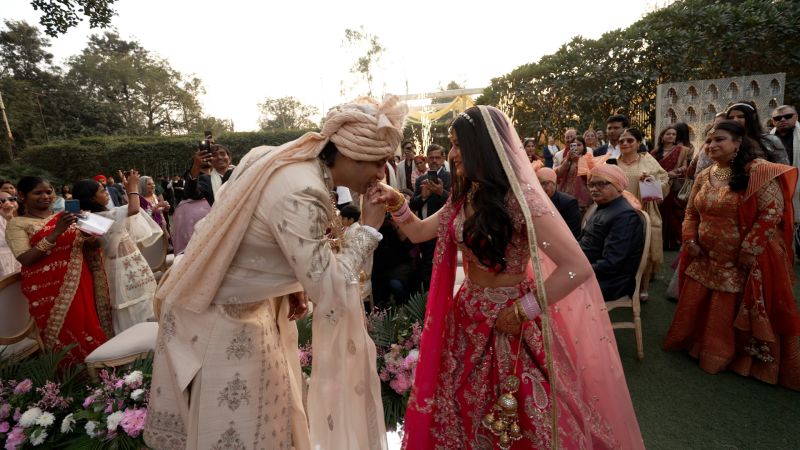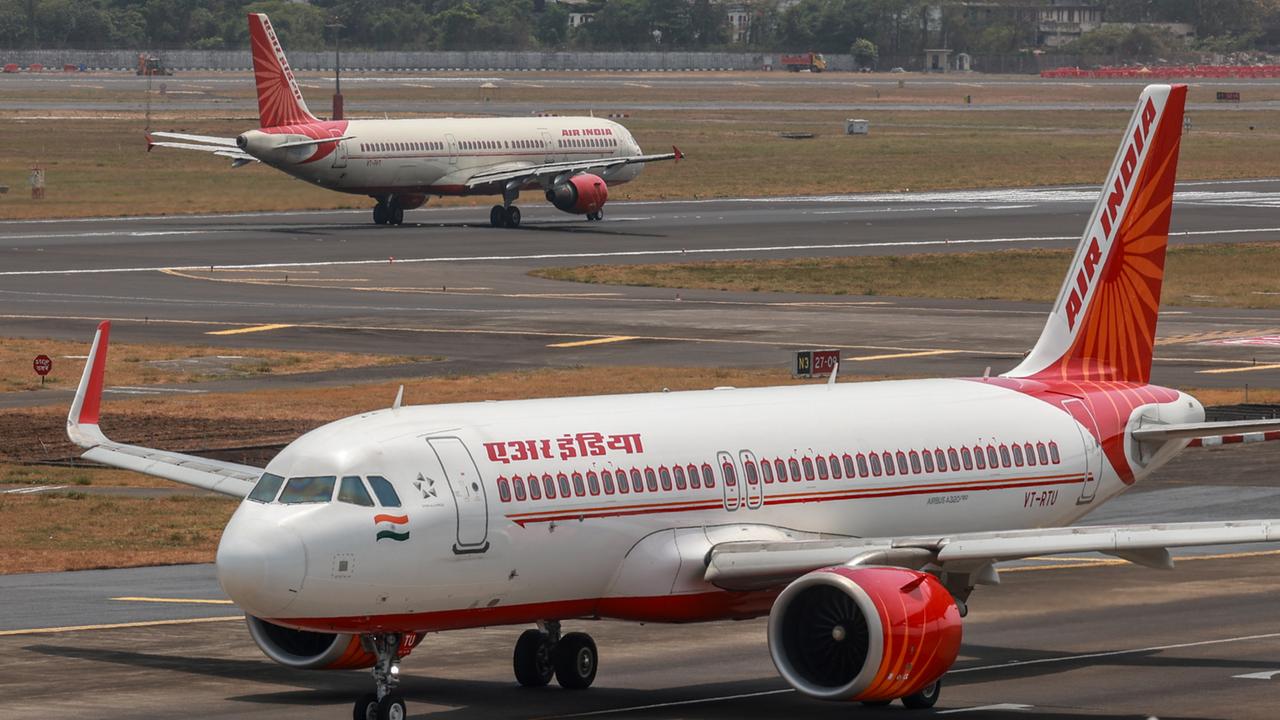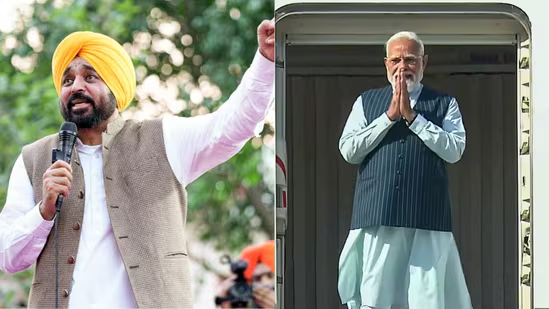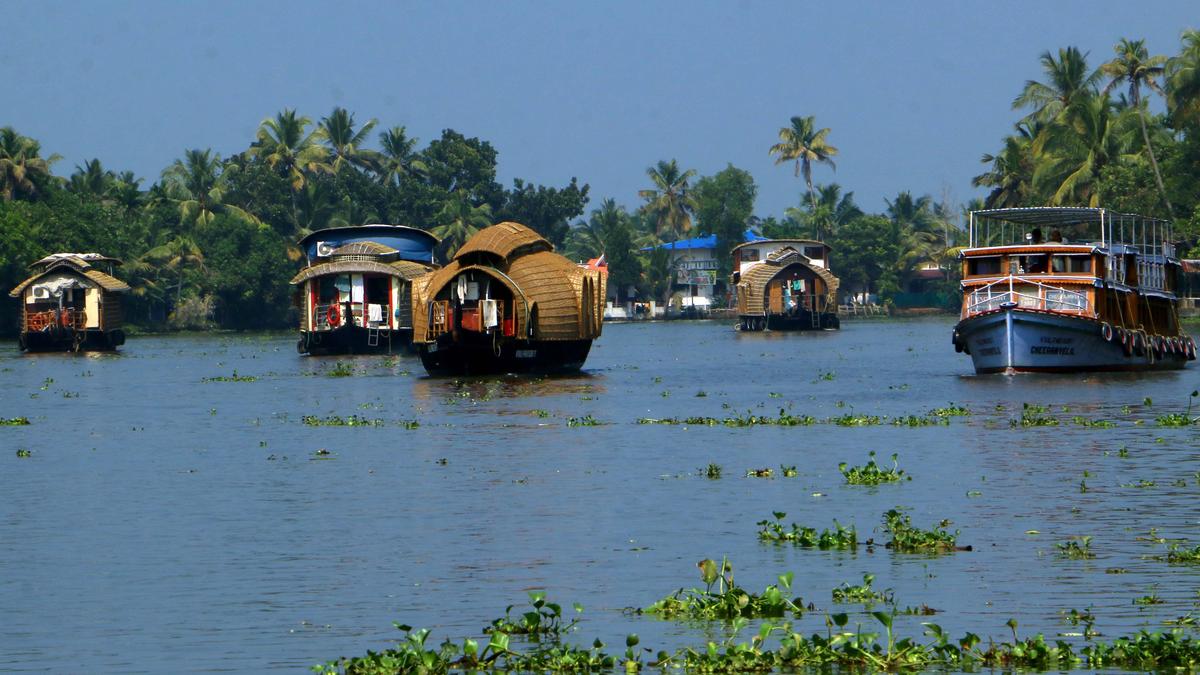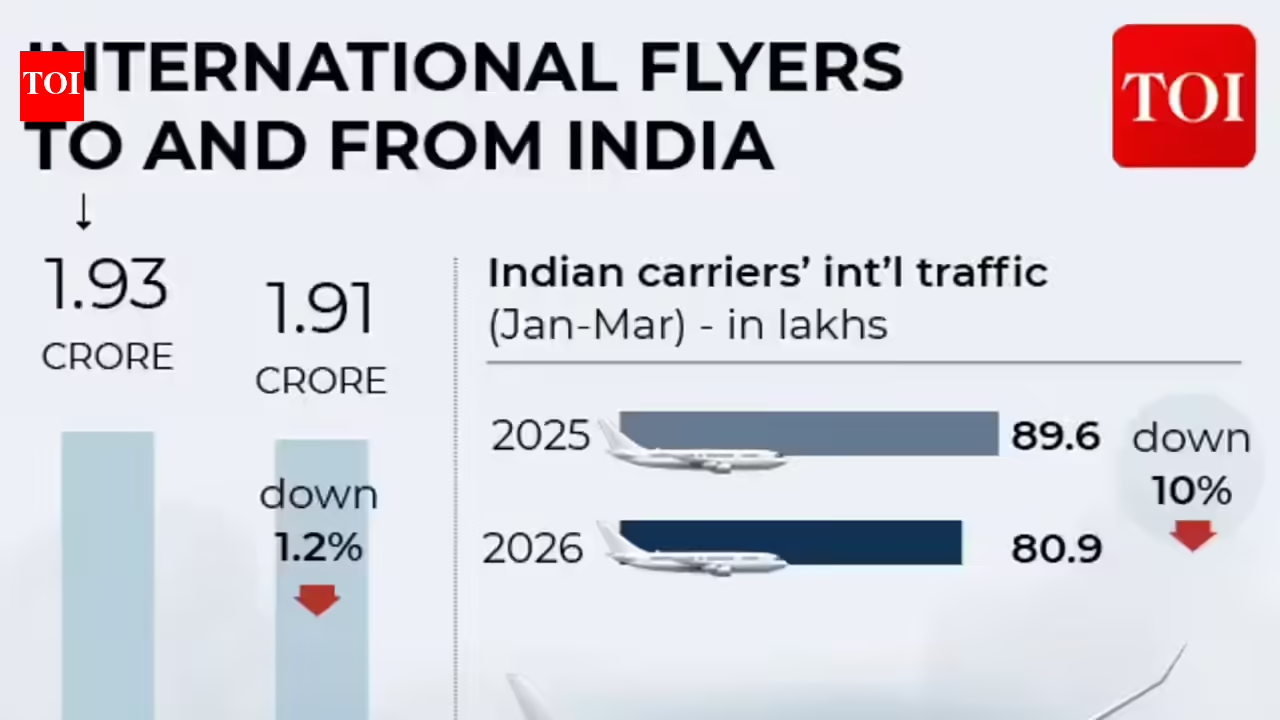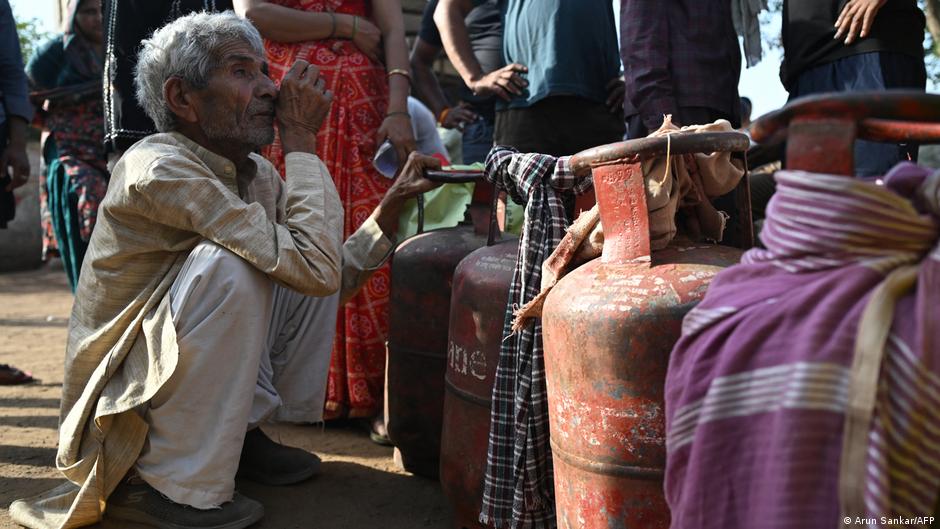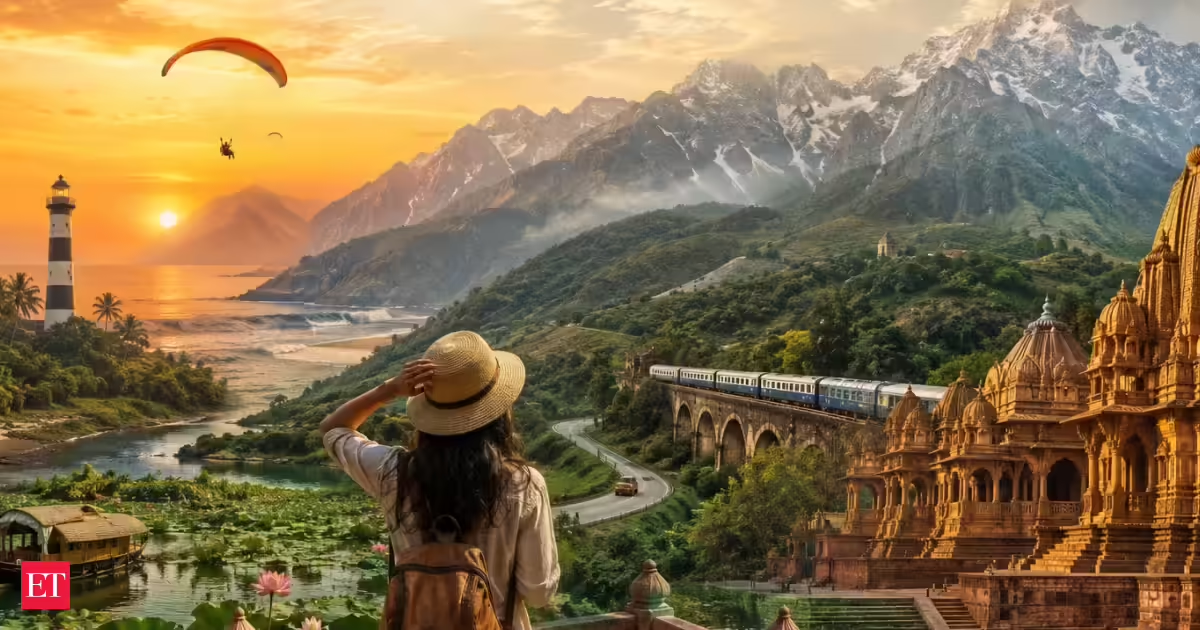
A renewed push for domestic tourism in India has emerged after Prime Minister Narendra Modi urged citizens to avoid non-essential foreign travel for a year, as the country looks to reduce foreign exchange outflows and trim its import bill amid a crisis triggered by the West Asia conflict.Industry executives believe the appeal could further strengthen demand for local travel, benefiting airlines, hotels, homestays, tour operators, and state tourism boards across India.The appeal is part of a broader set of austerity measures proposed by the Prime Minister as India grapples with the economic impact of the ongoing West Asia crisis. The shift comes amid rising global inflation and surging energy prices, with crude oil trading above $100 a barrel after Iran’s closure of the Strait of Hormuz disrupted nearly a fifth of global oil and liquefied natural gas supplies.Read more: Outbound travel slows as Indians rethink foreign holidays amid crisis and costsWill domestic tourism benefit?The annual report of the Tourism Ministry showed that in 2025, India recorded foreign tourist arrivals of 9.02 million (provisional), generating foreign exchange earnings of Rs 2,73,638 crore (provisional estimate of 2025). Besides, as per the data furnished by State/UT Governments and other information available with the Tourism Ministry, there were 4,132.8 million(provisional) domestic tourist visits (DTVs) across the country during the year 2025. “The appeal by Prime Minister Modi to promote domestic travel has a huge positive impact on the travel and hospitality sector. In addition to growing interest in realising just how many undiscovered areas there are in India, such appeals also help enhance the overall tourism infrastructure by creating a positive economic impact on local communities, more jobs and better infrastructure,” Ravi Gosain, President, Indian Association of Tour Operators (IATO), told ET Online.Also read: Air India terminates flights to multiple destinations as fuel price bitesOutbound boom in recent yearsDespite the push for domestic tourism, outbound travel from India has remained strong in recent years, fuelled by rising disposable incomes and an expanding middle class.According to ACKO India Travel Report 2025, “By 2027, India is projected to become the world's fifth-largest outbound travel market, with spending expected to touch $89 billion. Overseas expenditure hit $31.7 billion in FY24 — a 25% jump from the previous year.”Japan has become a favoured destination for Indian travellers, recording a 53% increase in visitors since 2019. Vietnam has also captivated Indian tourists, with new direct flights more than tripling passenger traffic to the Southeast Asian country.“While global headwinds such as rising fuel costs and geopolitical uncertainties are realities we monitor closely, our bookings through May remain strong and are growing year on year. That resilience is a testament to how deeply travel is woven into people's lives today,” said Hari Ganapathy, co-founder, Pickyourtrail.Ranjan Murthy, Co-Founder, Joy-N-Crew, said, “Prime Minister Narendra Modi’s call to prioritise domestic tourism could gradually accelerate a meaningful shift towards premium domestic travel experiences, shorter getaways, road trips and culturally rooted itineraries within India. The current phase is likely to push the industry towards building stronger domestic tourism products while maintaining balance between aspirational outbound travel and sustainable local tourism growth.”AgenciesTourism growth outlookAccording to the World Travel & Tourism Council (WTTC), the sector’s contribution to GDP is projected to rise from $256 billion in CY24 to $523 billion in CY34, supporting about 63 million jobs.A joint report by the Ministry of Tourism and NITI Aayog estimates wellness tourism alone could contribute $18 billion to India's GDP by 2030, highlighting growth in specialised tourism segments.“The industry has had a generally positive outlook on the future of domestic travel, with strong demand for domestic tourism over the last few years. Domestic tourism, as a result of the appeal, continues to gain confidence and interest from travellers. The overall mood and level of booking activity with respect to domestic tourism remains very encouraging,” said Gosain.Hospitality sector to gainHotel operators and industry experts expect local tourism, destination weddings, and experiential travel to remain resilient amid global uncertainty and a rising preference for spending within the country.“Amid the growing national focus on strengthening domestic tourism and encouraging more mindful travel choices, India’s hospitality sector is witnessing strong momentum, driven by domestic demand. Over the past few years, domestic travel has emerged as a key growth engine for the industry, with sustained demand across leisure destinations, spiritual tourism, weddings, MICE, and emerging markets across tier II and III cities,” Nikhil Sharma, Managing Director & Chief Operating Officer, South Asia, Radisson Hotel Group, told ET Online.“We are seeing strong traveller interest across destinations such as Kashmir, Nainital, Mussoorie, Shimla, Goa, Jaipur, Udaipur, Ayodhya, Rishikesh, and key wildlife and experiential destinations, reflecting the growing appetite among Indian travellers to explore diverse experiences within the country,” he added.Welcoming the Prime Minister’s call, the Hotel Association of India said the appeal would encourage citizens to explore more destinations within the country.“... This sentiment has the ability to accelerate a significant and measurable boost in domestic consumption and presents a huge opportunity for India’s tourism and hospitality sector,” Hotel Association of India President KB Kachru said. Kachru added that increased domestic travel is expected to boost demand for hotels, resorts, local destinations, and regional tourism experiences across the country. It can further strengthen employment generation by supporting small tourism businesses, and accelerate growth in tier II and tier III destinations. “In the current volatile geopolitical environment, stronger domestic tourism also contributes meaningfully towards conserving foreign exchange while building a more resilient and self-reliant travel ecosystem,” he said.Even before Modi’s appeal, the hospitality sector’s growth trajectory reflected rising investor confidence, with strategic acquisitions and fresh capital infusion expected to fuel further expansion.“We believe the continued focus on domestic travel and tourism will create a meaningful long-term opportunity for the Indian hospitality sector. India is already witnessing a strong shift towards leisure, experiential and destination-led travel, supported by improving infrastructure, connectivity and evolving consumer preferences. This will further support demand across hospitality segments including leisure stays, weddings, MICE and regional tourism markets, while also accelerating interest in high-quality travel experiences within the country,” said Shwetank Singh, MD & CEO, Chalet Hotels Limited.Hotel transactions in India touched Rs 3,587 crore (about $397 million) in 2025, up from Rs 3,074 crore ($340 million) a year earlier, highlighting strong momentum in both business and leisure travel demand.“The Prime Minister’s remark may have a short-term impact on outbound leisure travel and overseas destination weddings, especially for segments that rely heavily on discretionary spending. However, from the hospitality industry’s perspective, it also opens up a significant opportunity for domestic tourism and India-led experiences to gain further momentum,” Amit Kumar Singh, Founder & Managing Director, OPO Hotels & Resorts, told ET Online. What is the industry seeking?Industry bodies are also pushing for a range of measures to further strengthen the sector alongside the appeal.Federation of Associations in Indian Tourism and Hospitality (FAITH) called for measures such as easing visa norms, improving connectivity and significantly strengthening India’s tourism promotion abroad to attract foreign visitors.FAITH Secretary General Rajiv Mehra also endorsed the sentiment behind the Prime Minister’s appeal, urging Indians to reduce leisure travel abroad and avoid hosting weddings overseas.In recent years, more Indians have been travelling abroad for holidays, while affluent families are increasingly opting for foreign destinations for lavish weddings.Commenting on measures for the industry, the IATO President stressed the need for focused government support for inbound tourism.“As important as promoting domestic tourism is, the need for inbound (visiting from other countries) tourism to have specific focused government policies is needed,” he said.He added, “Tour operators encourage the government to continue to strengthen its promotional marketing internationally (i.e., Incredible India), simplify and expand e-visa offerings for inbound visitors, better air transportation connections, improve the way the government collects Goods and Services Tax (GST) on the entire travel and hospitality sector, and assist in building the needed infrastructure at new and developing tourism locations.”Foreign travel faces short-term turbulence?While there is optimism among domestic tourism players, Reuters reported that PM Modi’s suggestion to avoid unnecessary foreign travel could affect new bookings after inflationary pressures reduced summer overseas travel inquiries by as much as 15%. "The Prime Minister has a great following, and people sometimes take his advice very seriously ... they may postpone it to next year," said Gosain. "We (had) already seen a 10% to 15% reduction in inquiries or business for this summer season."In an interview to PTI, travel booking aggregator ixigo's Group CEO Aloke Bajpai said until the West Asia crisis gets resolved, "there will be some impact on the international business for flights, for everyone".In recent weeks, travel aggregator stocks such as EaseMyTrip, Yatra Online and Ixigo, along with shares of airline operators and holiday planners, have come under pressure amid concerns over rising fuel costs, geopolitical uncertainty and the potential impact on outbound travel demand.Even as outbound travel from India has risen more than 14% since the pandemic, the country is yet to fully recover to pre-Covid foreign tourist arrival levels, according to Tourism Ministry data, a gap that needs attention in coming times.
Indians may be roaming closer to home because of a war far away
India Tourism Sector and Iran War: Prime Minister Modi's call to curb foreign travel for a year aims to boost domestic tourism, conserve foreign exchange, and reduce the import bill amid the West Asia crisis. Industry experts anticipate a surge in local travel, benefiting airlines, hotels, and tour operators. This initiative could also foster infrastructure development and job creation within India.
1,502 words~7 min read