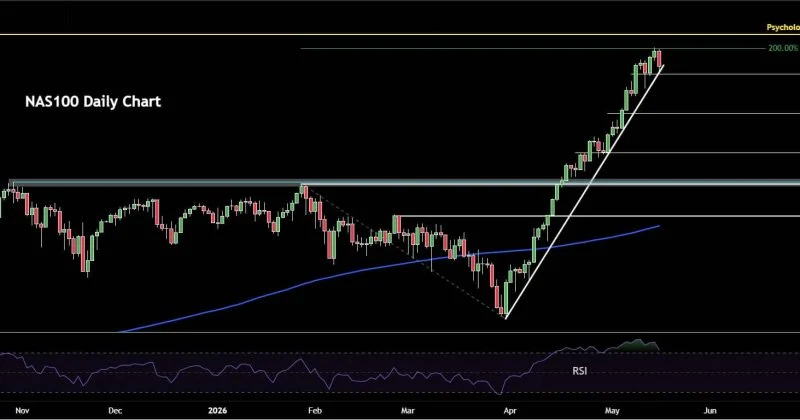
The Nasdaq closed as the weakest major US index after investors decided a tech rally was a good time to cash out. The catalyst wasn’t a single catastrophic earnings miss or regulatory bombshell. It was something far more mundane and, arguably, far more consequential: rising Treasury yields.
The 10-year Treasury yield climbed to 4.18%, a level that functions like a slow-acting sedative for high-growth tech stocks. When risk-free government bonds start paying more, the relative appeal of holding volatile equities, particularly richly valued ones, starts to dim.
What happened and why it matters
The selloff was broad but had a clear epicenter. Large-cap tech names, the very stocks that powered the Nasdaq’s recent rally, bore the brunt of the profit-taking. This is textbook behavior when yields rise: investors reassess whether the future earnings baked into tech valuations are worth the wait when Treasuries are offering a decent return today.
Broadcom added fuel to the fire. The chipmaker’s stock fell after its sales outlook failed to meet investor expectations, serving as a company-specific drag on an already jittery tech sector.