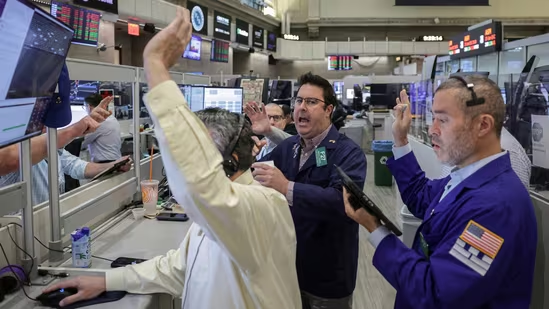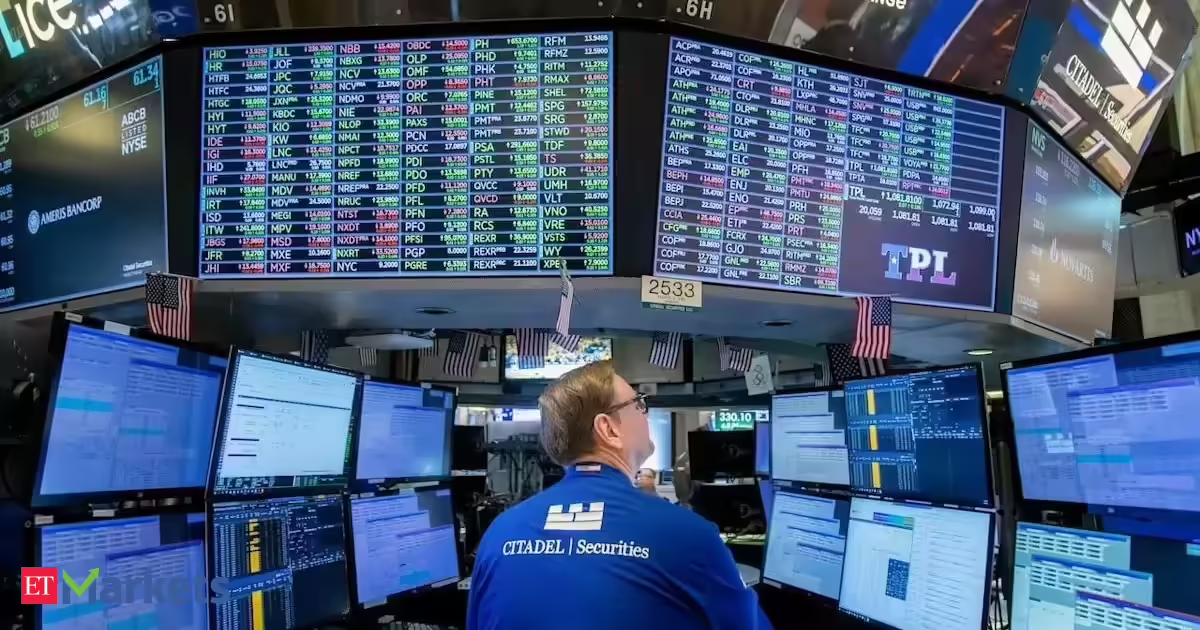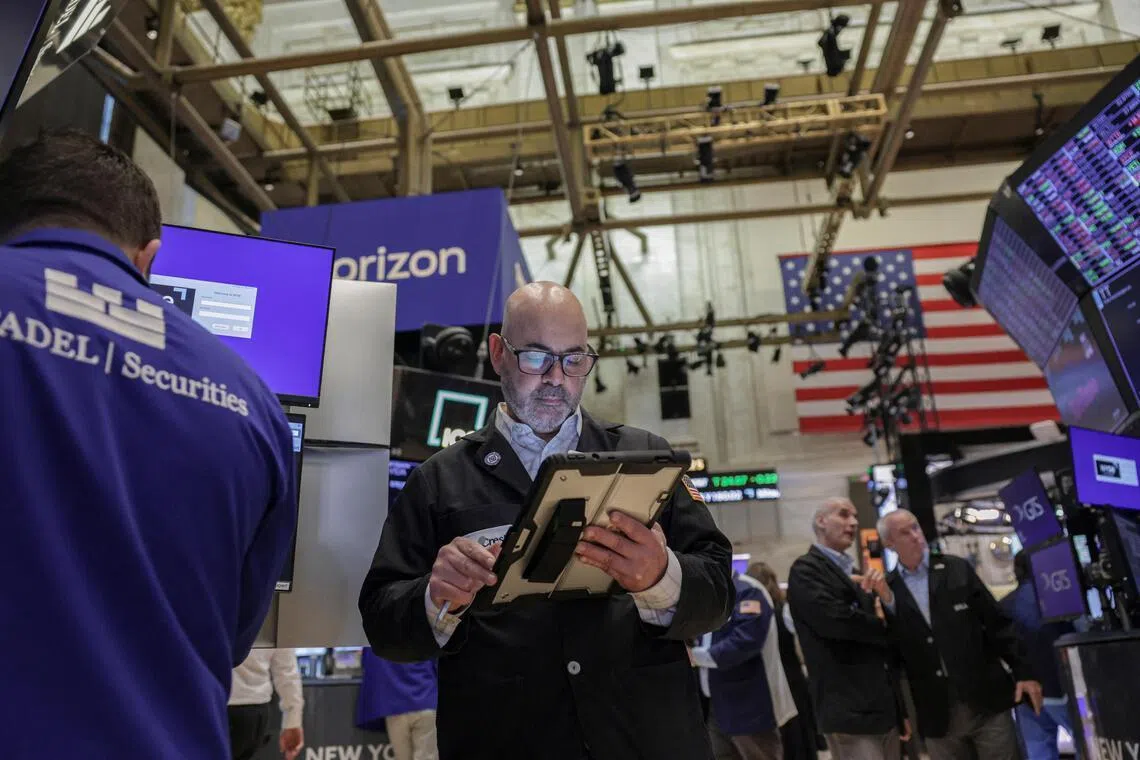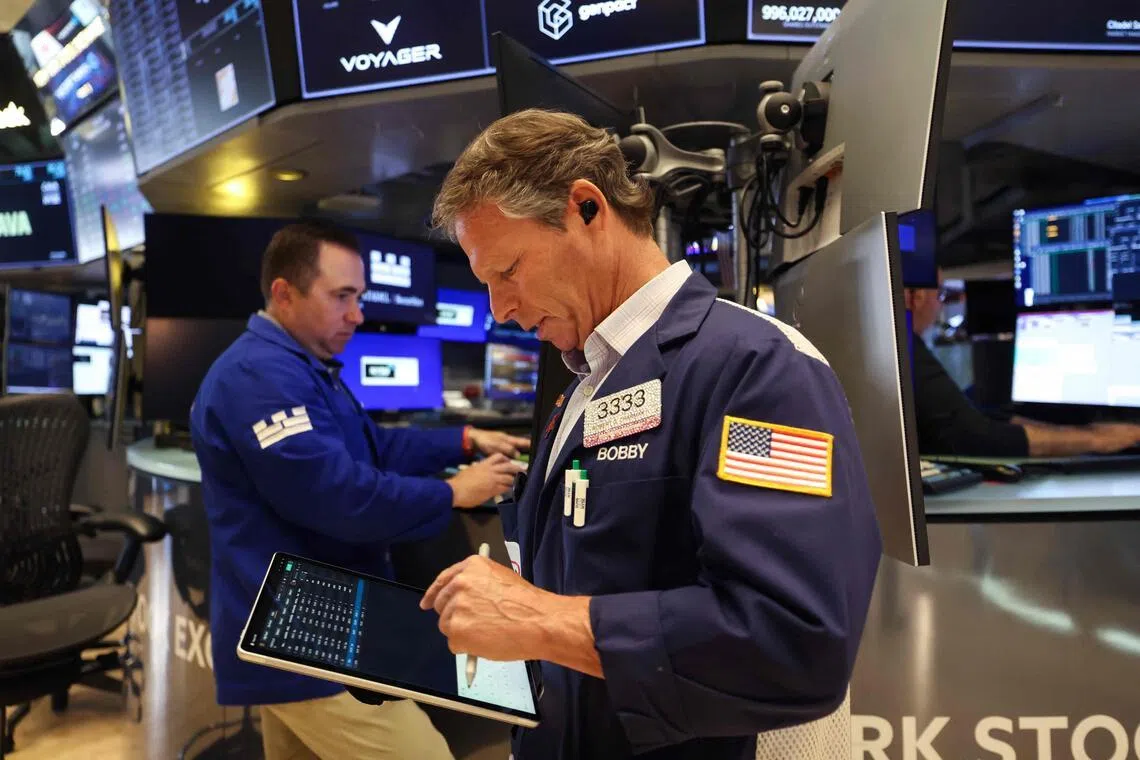
A selloff in global bonds halted a rally in stocks, with concern intensifying that central banks will be forced to tighten policy to keep inflation in check amid persistently elevated oil prices.Equities dropped around the world, with the S&P 500 falling 1%. Technology shares bore the brunt of the selling after leading gains from 2026 lows. US 10-year yields topped 4.5% while Japan’s 30-year yield hit 4% for the first time. In the UK, a political crisis lifted long-bond rates to a 28-year high. The dollar was set for its best week since March. US crude rose to $105.With no end to the Iran conflict in sight, speculation has grown that the effective closure of the Strait of Hormuz will deepen the energy disruptions that risk fueling inflation. Back-to-back data this week showed mounting war-driven price pressures, prompting traders to boost bets on Federal Reserve hikes.President Donald Trump said he didn’t push his Chinese counterpart Xi Jinping to pressure Tehran to revive Hormuz, offering no sign of a breakthrough in the standoff over the waterway. China believes the strait should be reopened as soon as possible, Xinhua reported, citing Foreign Minister Wang Yi. While a geopolitical advancement would help in the short term, inflation will take longer to come down, according to Florian Ielpo at Lombard Odier Asset Management. Markets are adjusting to that reality, he noted.“Risk sentiment is being dented by a global rise in bond yields, driven by a combination of inflation concerns, expectations for central-bank hikes, and worries around government debt as countries look to cushion the impact of higher energy prices,” said Angelo Kourkafas at Edward Jones.A bond market spooked by fears of accelerating inflation will be an early test for incoming Fed Chair Kevin Warsh.“What is really, really going to be important for Kevin Warsh is keeping inflation expectations in check,” Subadra Rajappa at Societe Generale Americas told Bloomberg Television. “When inflation expectations start to get a bit unhinged, then he has a problem on his hands.”Central banks cannot directly resolve an energy shock by raising rates, but the prospect of fiscal stimulus appears to be complicating the inflation outlook, Kourkafas noted. That said, he bets the Fed will avoid overreacting to what may prove to be a temporary situation.Meantime, bullish calls on stocks will be challenged if Treasury 10-year yields hit 5%, a level that usually depresses price-to-earnings ratios,” Lori Calvasina at RBC Capital Markets told Bloomberg Television.Aside from the bond rout, a pullback in chipmakers that had fueled a sharp rally since the end of March also dragged down the market Friday. Despite the losses, the S&P 500 was on track for a seventh straight weekly advance - the longest winning run since December 2023.“There are signs of extended positioning and extreme optimism, which could lead to a natural and healthy period of consolidation,” said Mark Hackett at Nationwide. “Ultimately, however, if the macro and earnings environment remain supportive, the path of least resistance is higher.”Corporate Highlights:
Stocks fall as inflation jitters lift bond yields: Markets wrap
Global stocks drop as inflation fears elevate bond yields, with the S&P 500 down 1% amid rising technology sector losses.
795 words~4 min read