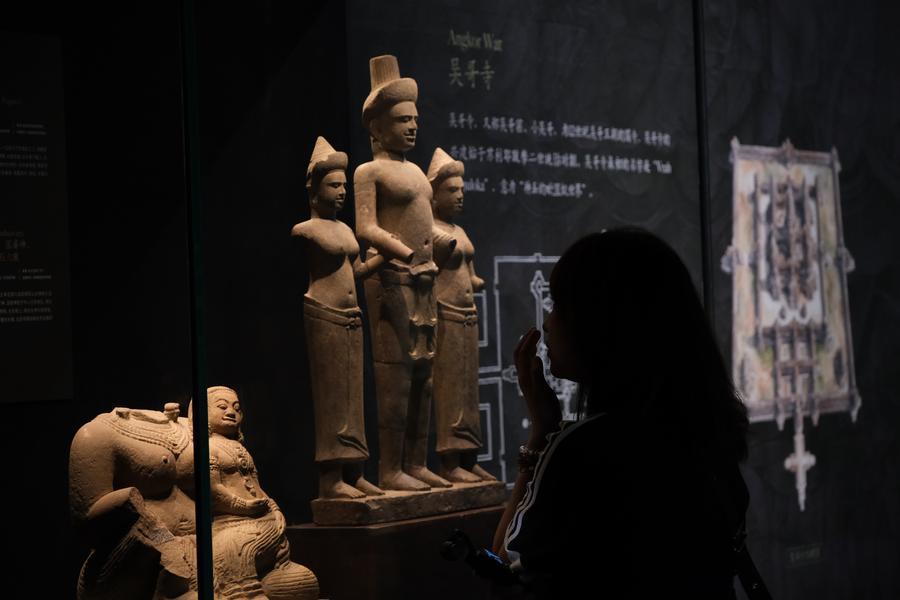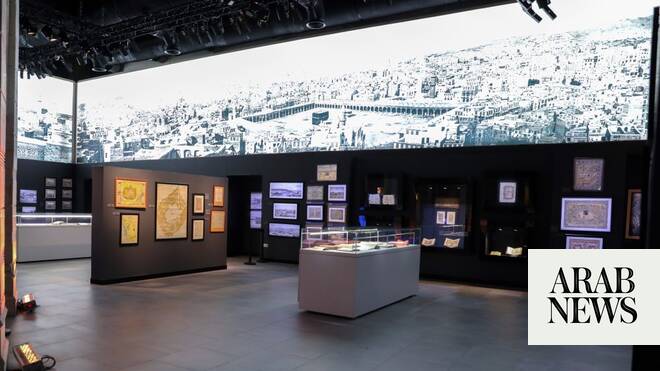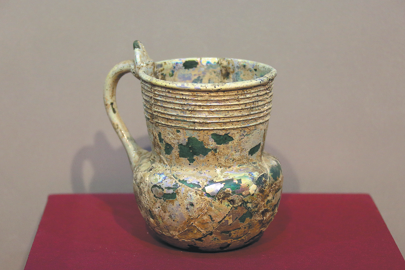
Cultural relics are exhibited at the National Museum of Afghanistan in Kabul, on Thursday. XINHUA
KABUL — The National Museum of Afghanistan stands as a living sanctuary where the millennia-old history and identity of the Afghan people are intricately woven together. It serves as a steadfast custodian, preserving and transmitting this precious heritage from one generation to the next.
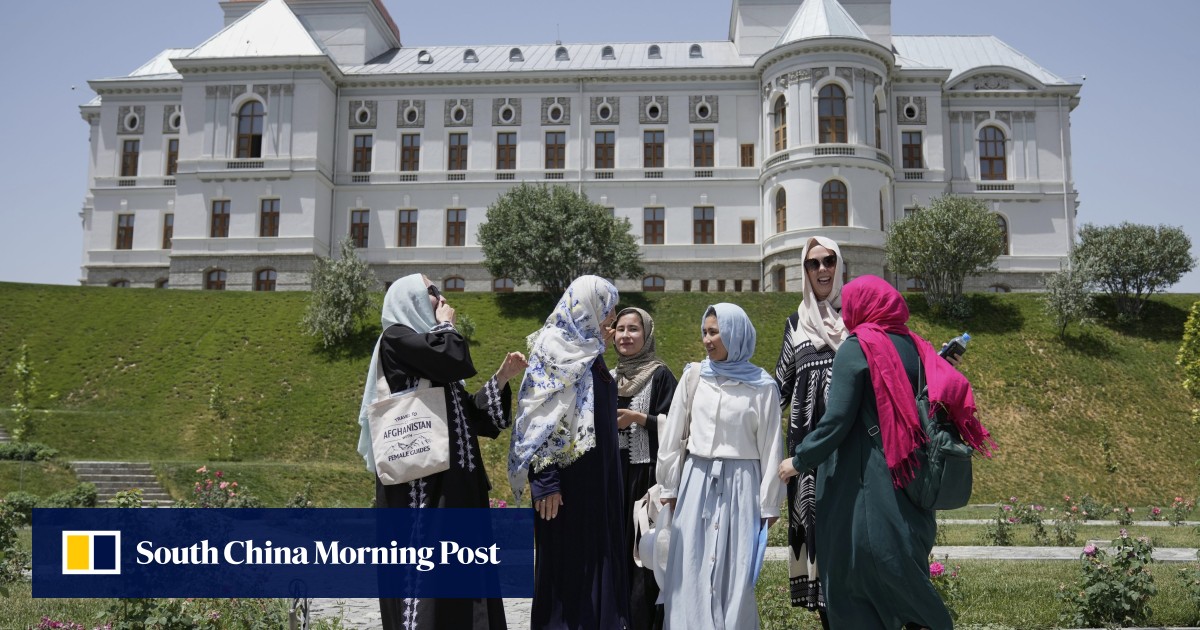
As the world marks International Museum Day on Monday, Afghanistan's premier cultural institution, located on the western edge of Kabul, continues to draw visitors despite decades of conflict, political upheaval and uncertainty.
Today, this invaluable institution houses more than 60,000 historical artifacts, embodying a rich tapestry of eras from the Kushan Empire and the intertwined Greco-Buddhist heritage to the Bronze Age, the mighty Achaemenid Empire, the Hellenistic world, the Greco-Bactrian period, and Islamic dynasties.
With priceless artifacts, such as illuminated manuscripts adorned with gold and lapis lazuli, a semiprecious stone used in jewelry, and historical documents, the museum offers a profound narrative of the country's rich civilizations, captivating both locals and international visitors.