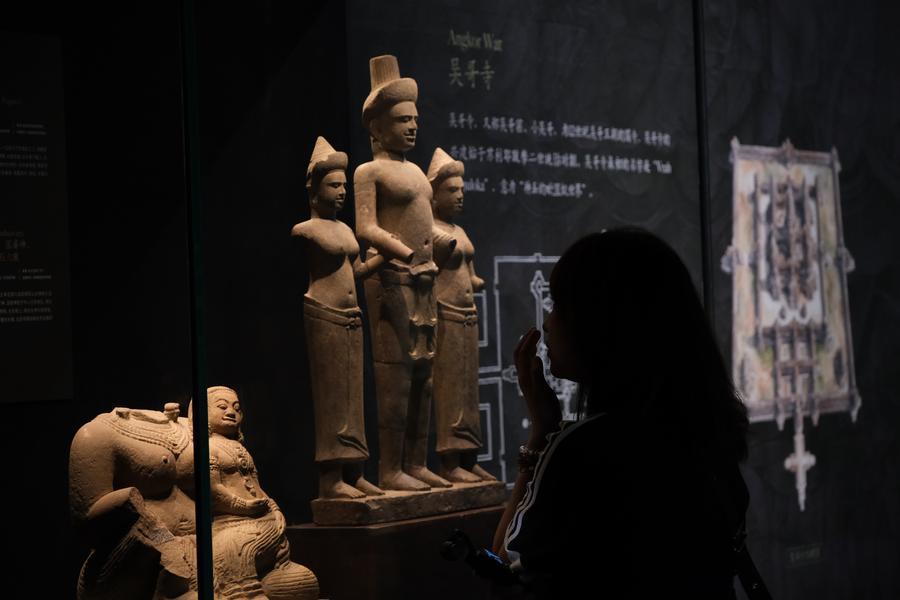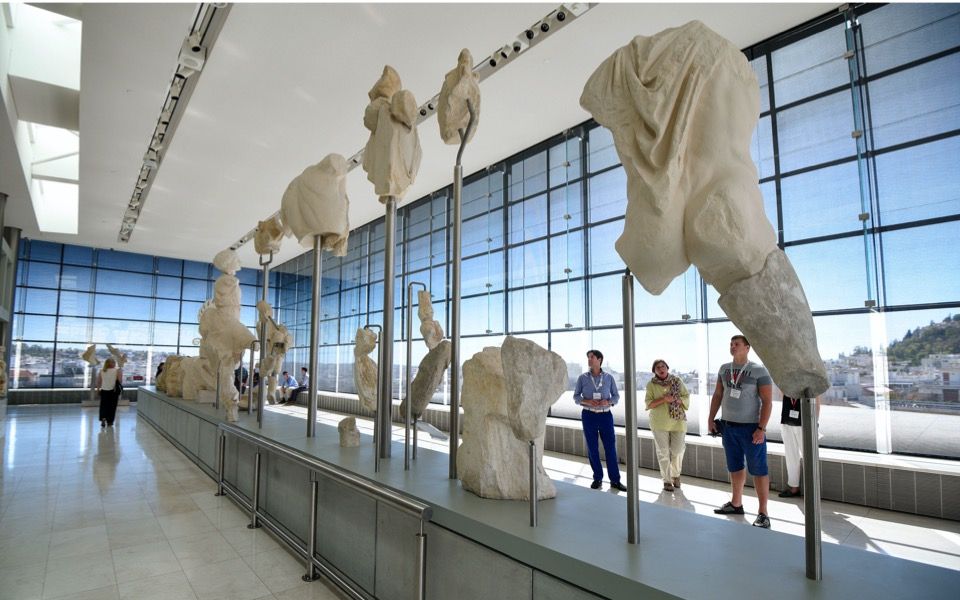
Around 530 BC, the world's first public museum opened its doors in the Mesopotamian state of Ur, in modern-day Iraq. The curator was a priestess princess, and the museum was part of the palace complex, displaying artifacts from the region with informational labels in multiple languages.
Fast forward some 2,500 years, and museums no longer only offer stationary exhibits accompanied by written information. From digitized collections to social media accounts to virtual reality, recent technology allows viewers to interact with collections in new ways.
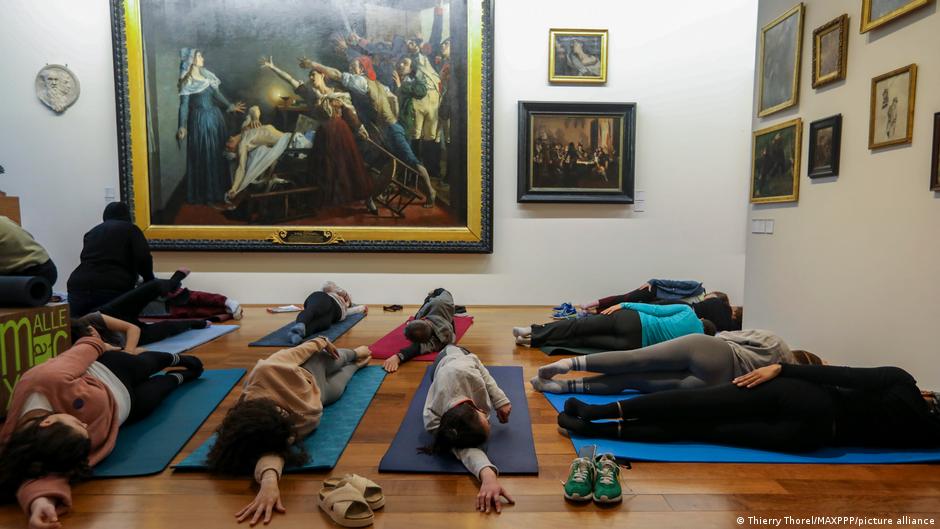
But recently, an even more profound shift has been taking place, one that goes to the very heart of what a museum is supposed to be and provide. It is a shift in focus from the objects on view to those doing the viewing, as museums become places that foster engagement and participation while serving broader societal needs.The Seddulbahir Fortress museum, in Canakkale, Turkey, runs oral history projects incorporating local voices into the museum narrative; it is nominated for European Museum of the Year Image: Egemen Karakaya
A new museum definition for a new era
"Museums are moving in this direction," Sandro Debono, a museum thinker, consultant and academic, explained to DW.