https://arab.news/25pmz
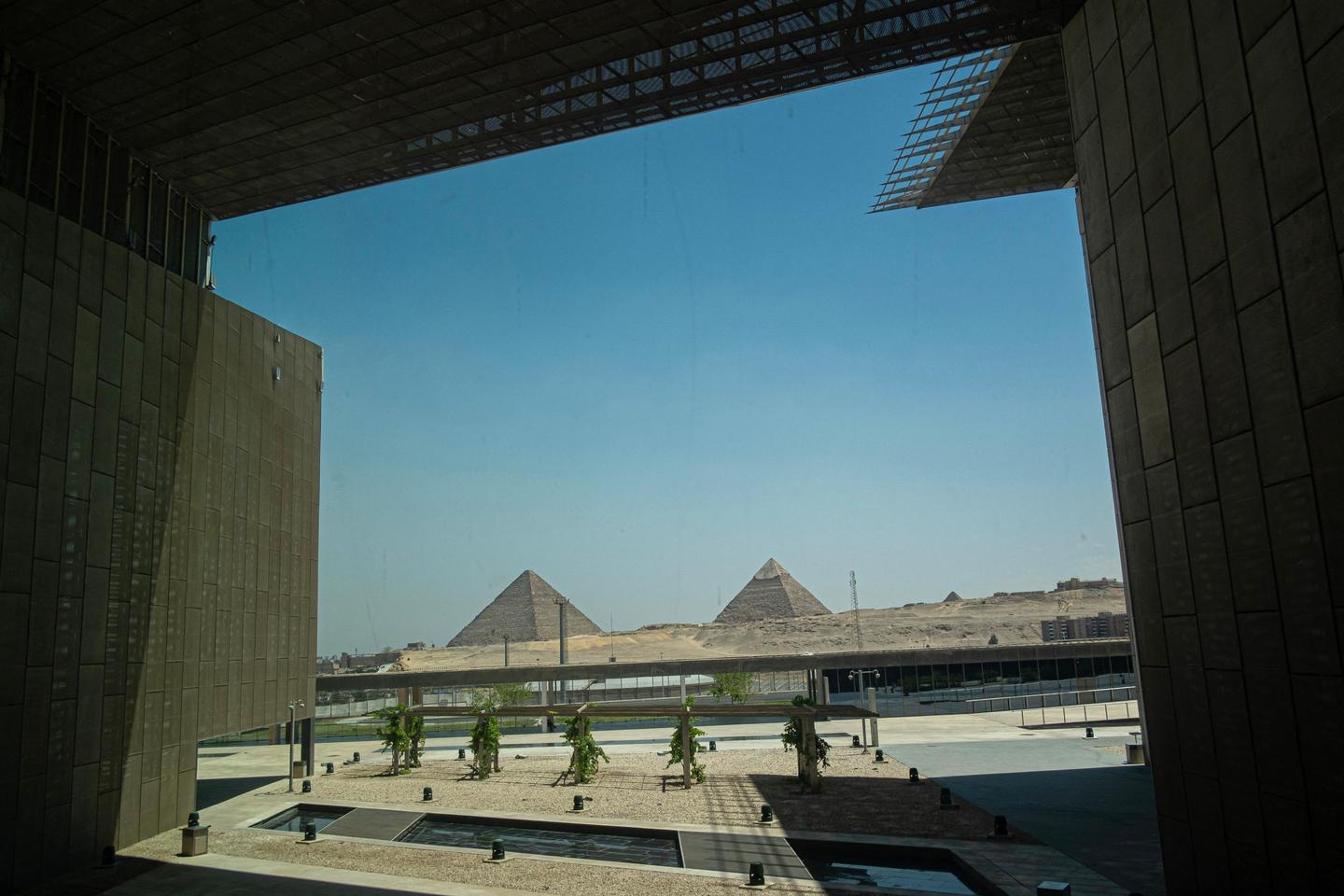
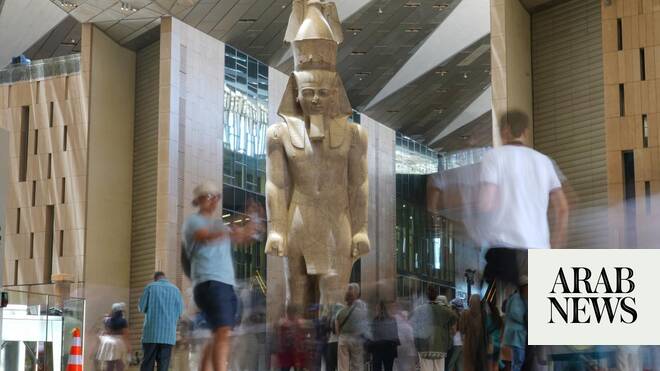
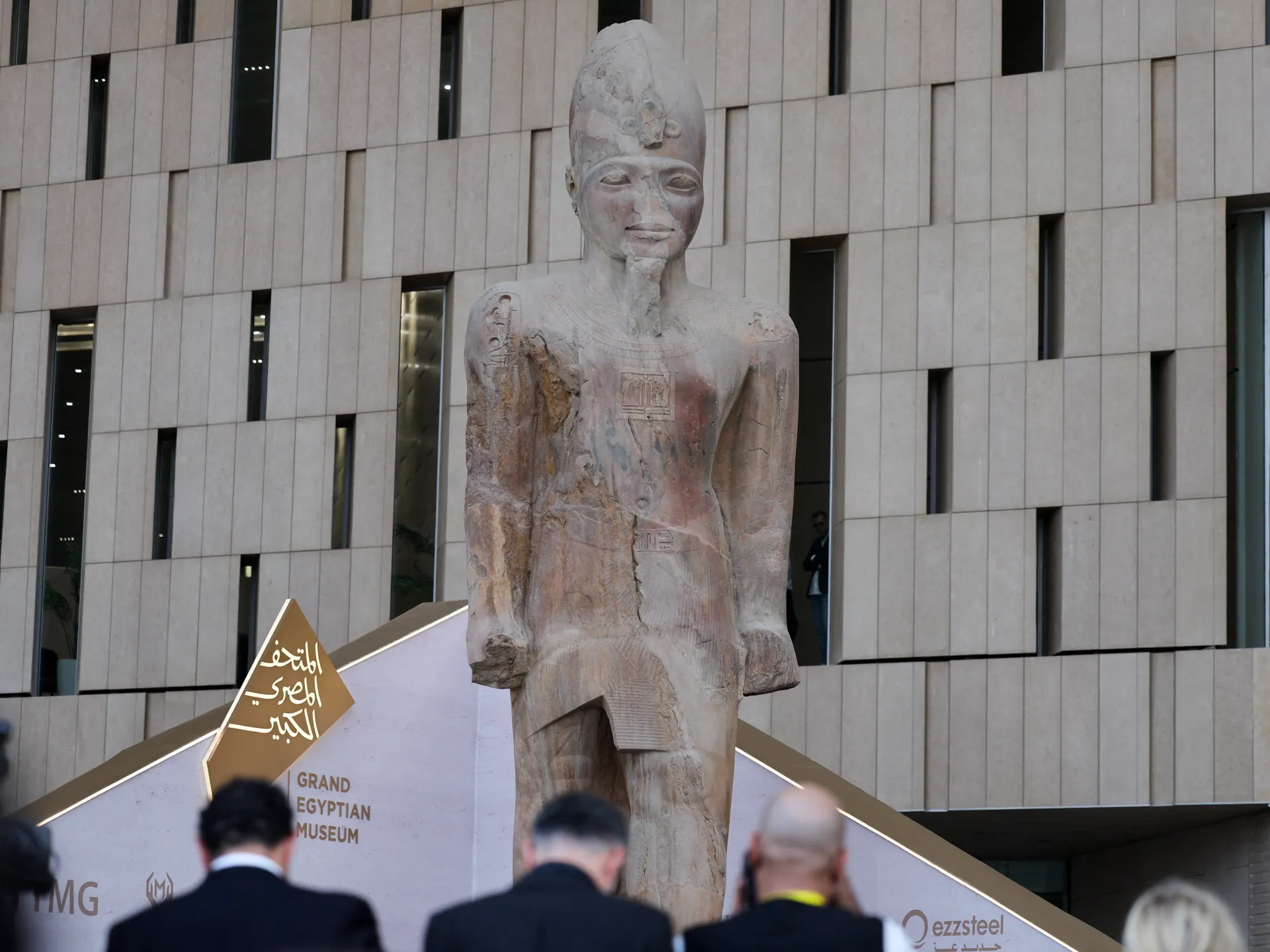
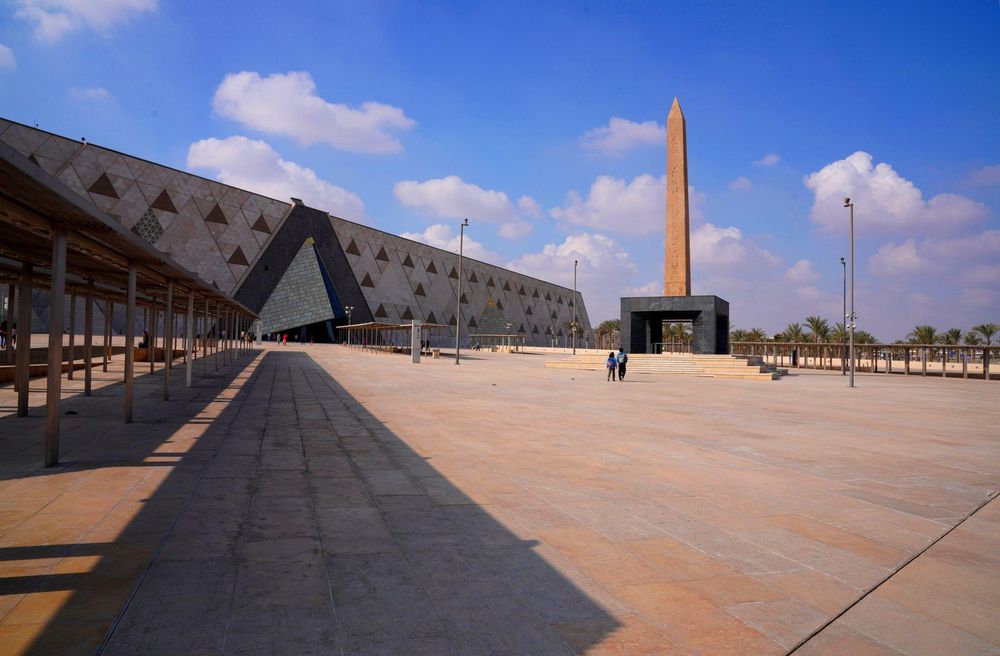
At the foot of the Giza pyramids, on the sacred land of ancient Memphis — the first capital of the world’s oldest known nation — a new and unprecedented project is taking shape: the Grand Egyptian Museum. Far beyond being a traditional cultural edifice or archaeological display, it is a symbolic expression of Egypt’s strategic transformation toward redefining its global stature. It bridges an unparalleled civilizational legacy with contemporary capabilities in design, administration and international promotion.
Scheduled for official inauguration on Nov. 1, after years of meticulous planning and delays, the Grand Egyptian Museum is set to become a turning point in the history of museology worldwide. It is a multidimensional development project that reflects Egypt’s ambition to rebuild its soft power on modern foundations.
The idea emerged in the 1990s, spearheaded by artist and former Culture Minister Farouk Hosny. In 2002, former President Hosni Mubarak laid the foundation stone, launching a long journey of design, planning and implementation, one not without its setbacks, particularly amid the political turbulence following 2011.
The project was revitalized under the decisive leadership of President Abdel Fattah El-Sisi, who placed the museum under direct presidential supervision. He prioritized integrating the development of the surrounding area, including the Giza Plateau, Sphinx International Airport and the Fayoum highway, transforming the entire region into a unified cultural and tourism zone.