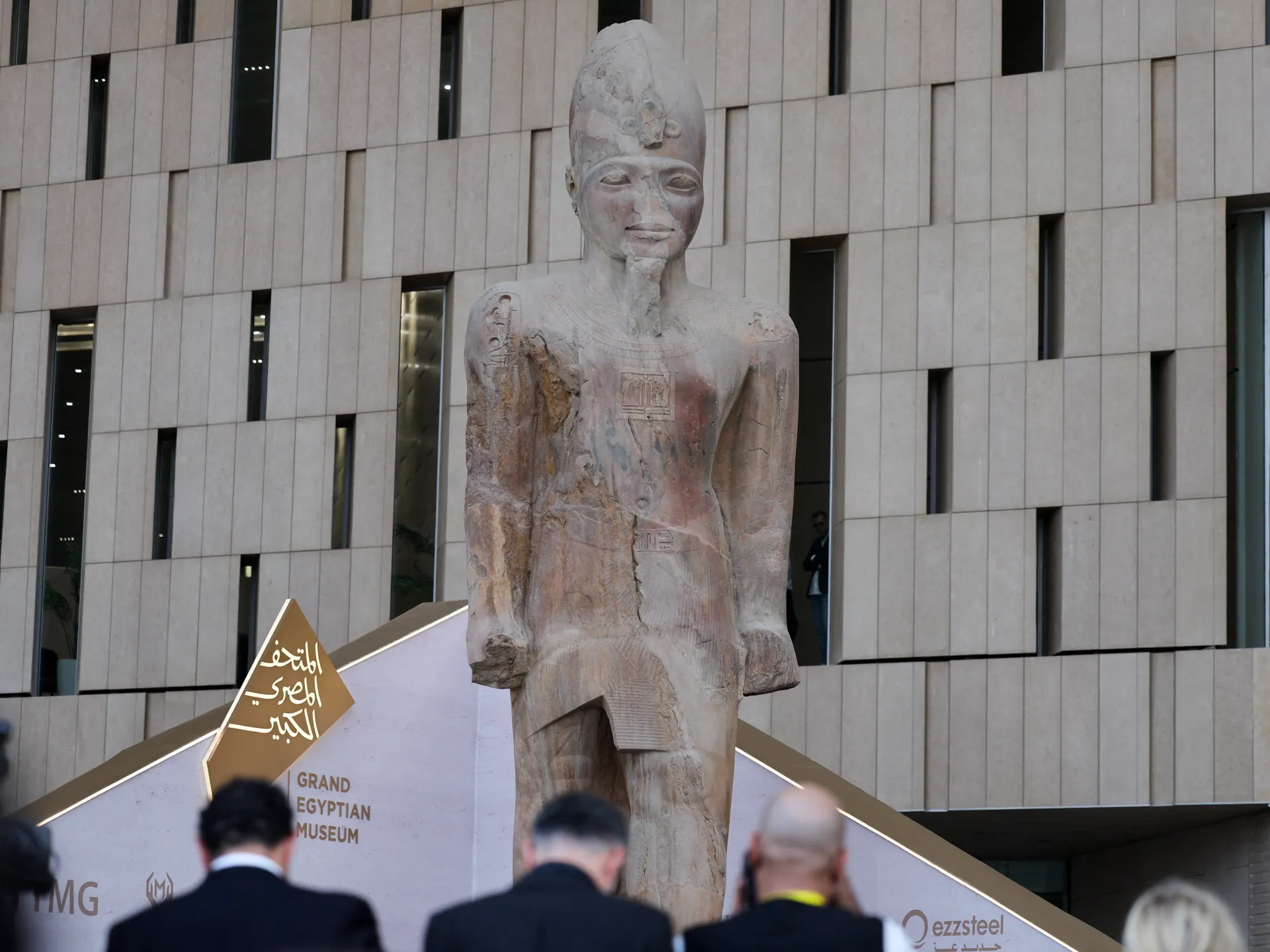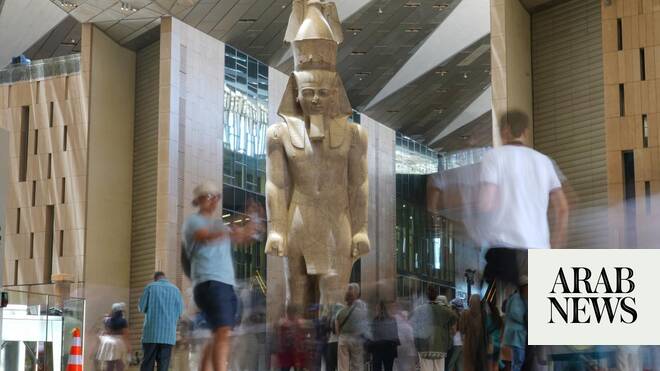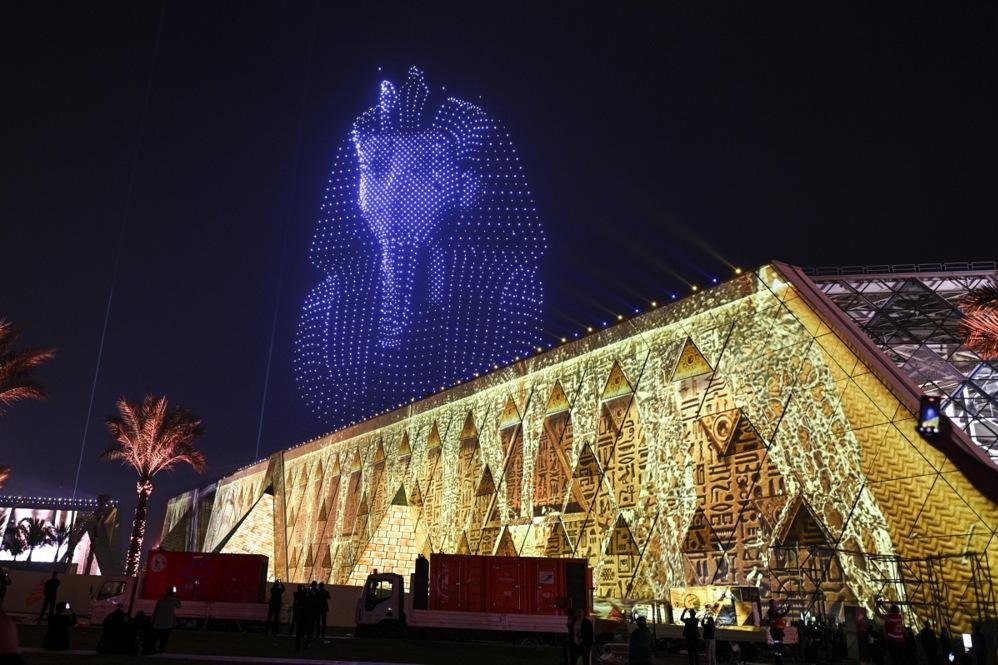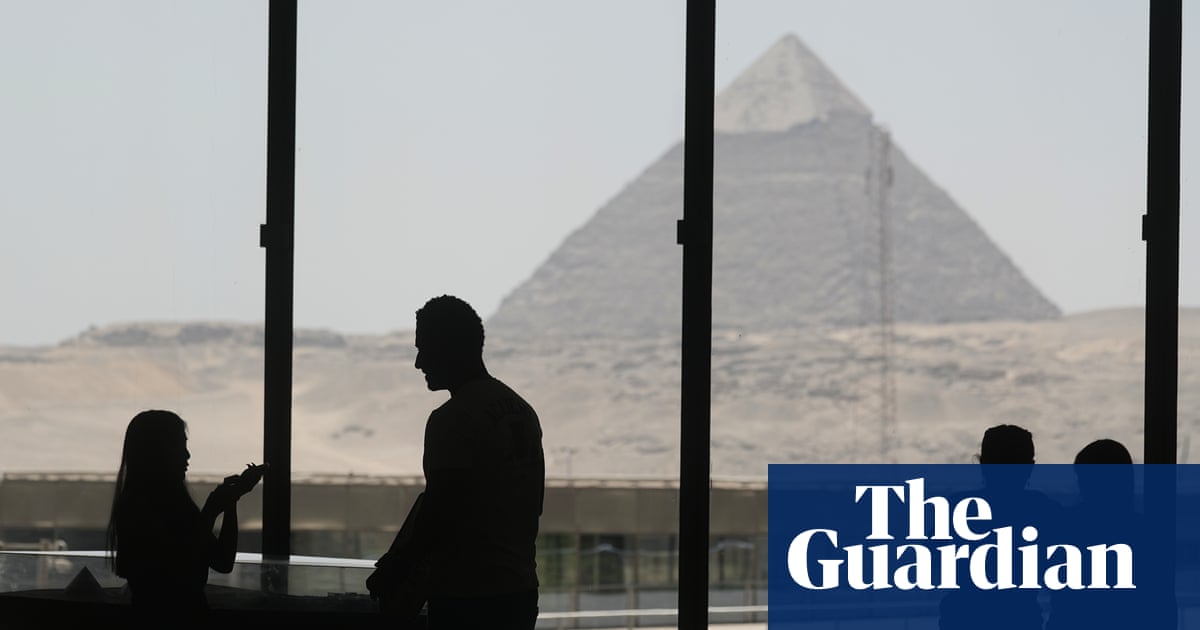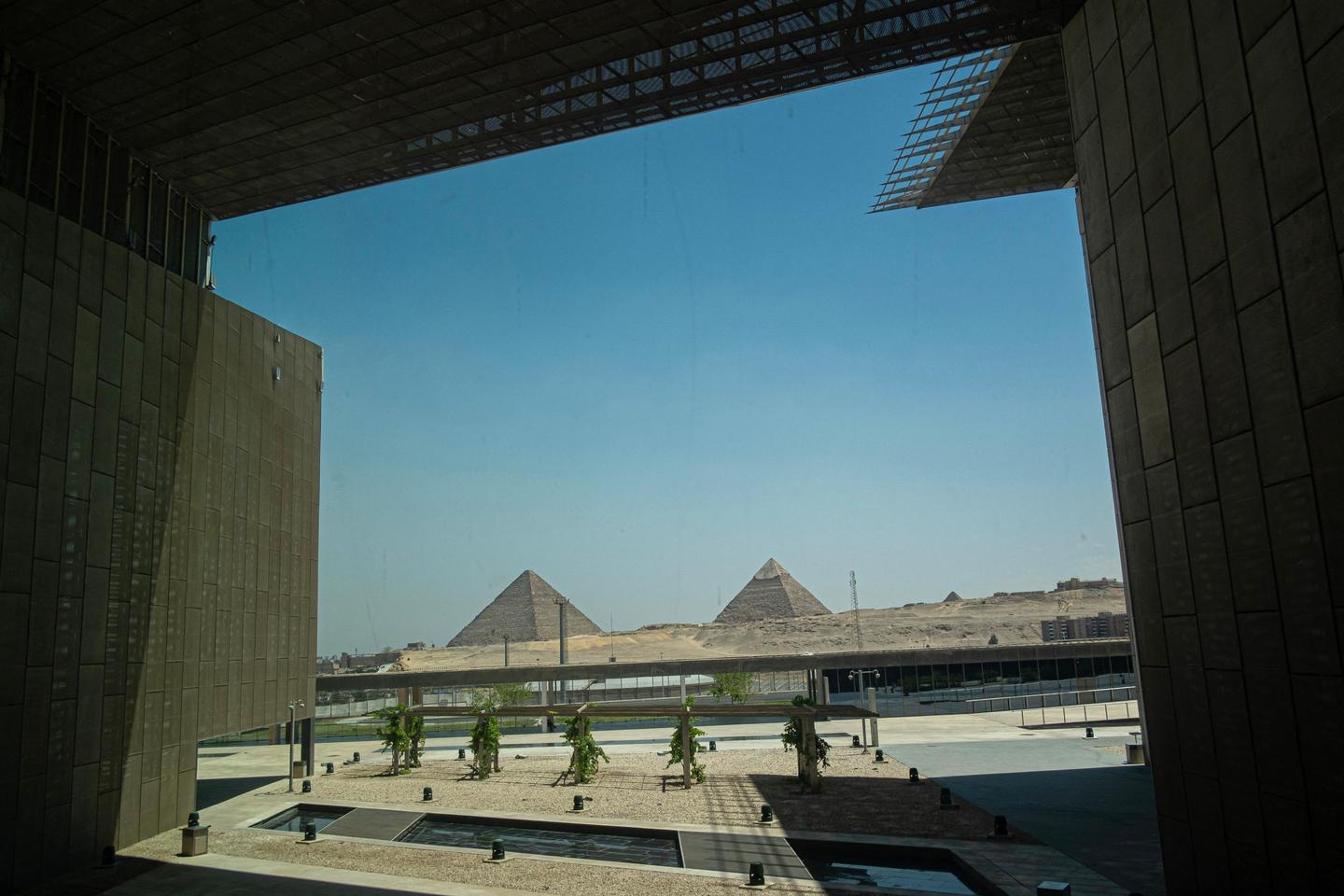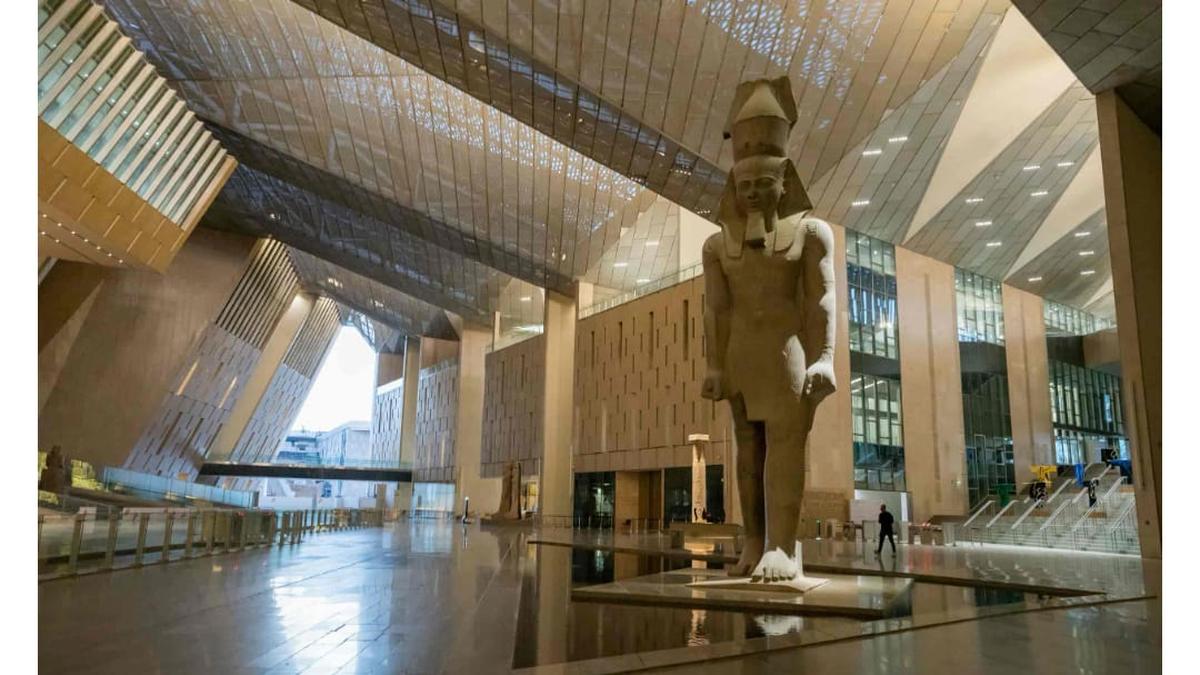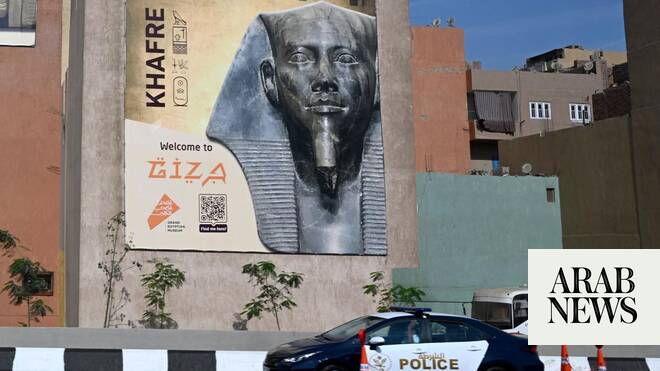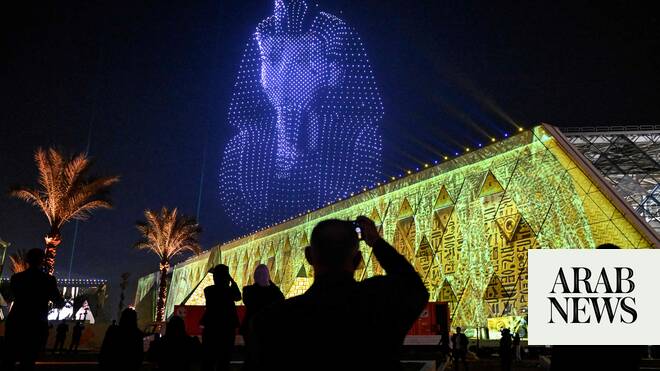
Near one of the Seven Wonders of the Ancient World - the Great Pyramid of Khufu at Giza - Egypt is officially opening what it intends as a cultural highlight of the modern age.
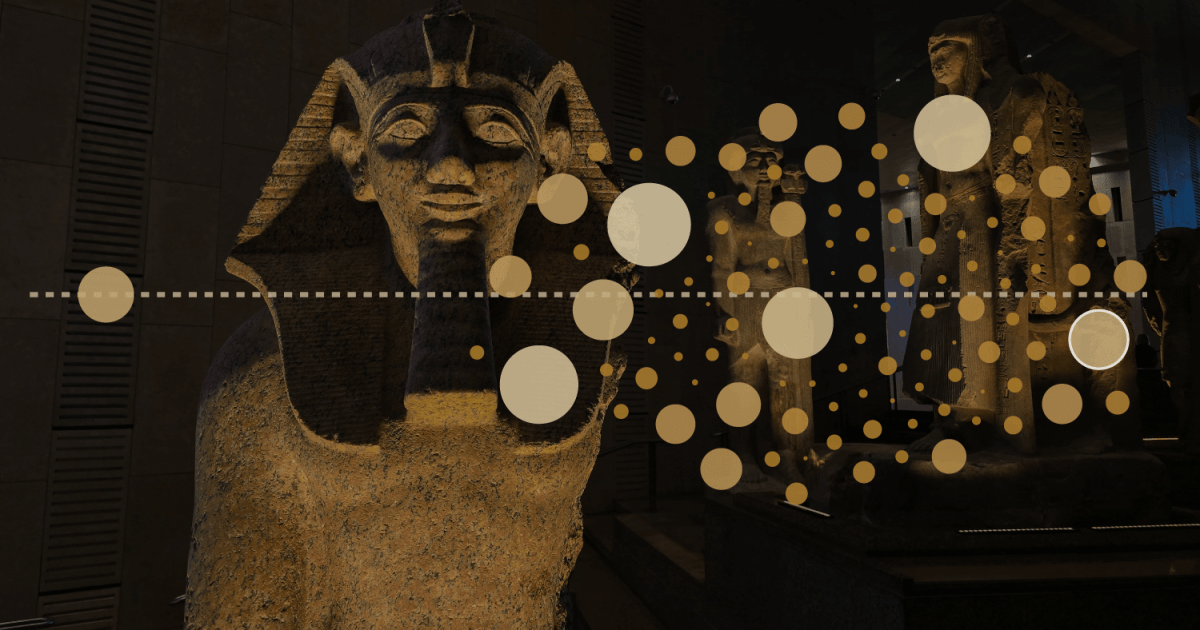
The Grand Egyptian Museum (GEM), described as the world's largest archaeological museum, is packed with some 100,000 artefacts covering some seven millennia of the country's history from pre-dynastic times to the Greek and Roman eras.
Prominent Egyptologists argue that its establishment strengthens their demand for key Egyptian antiquities held in other countries to be returned – including the famed Rosetta Stone displayed at the British Museum.
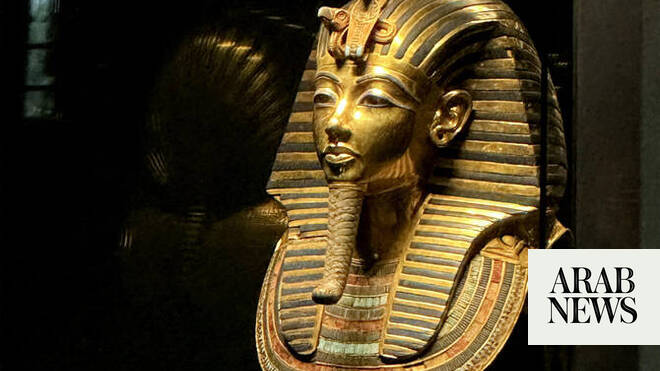
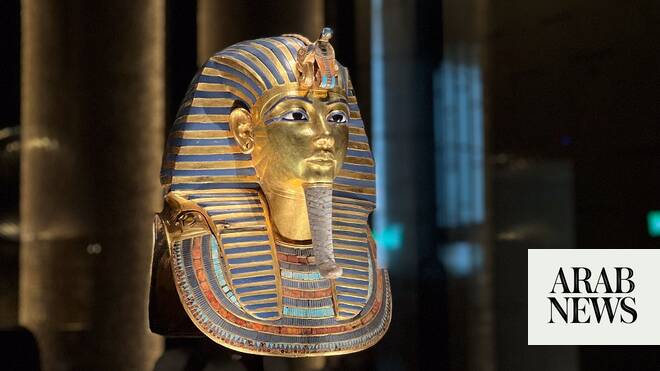
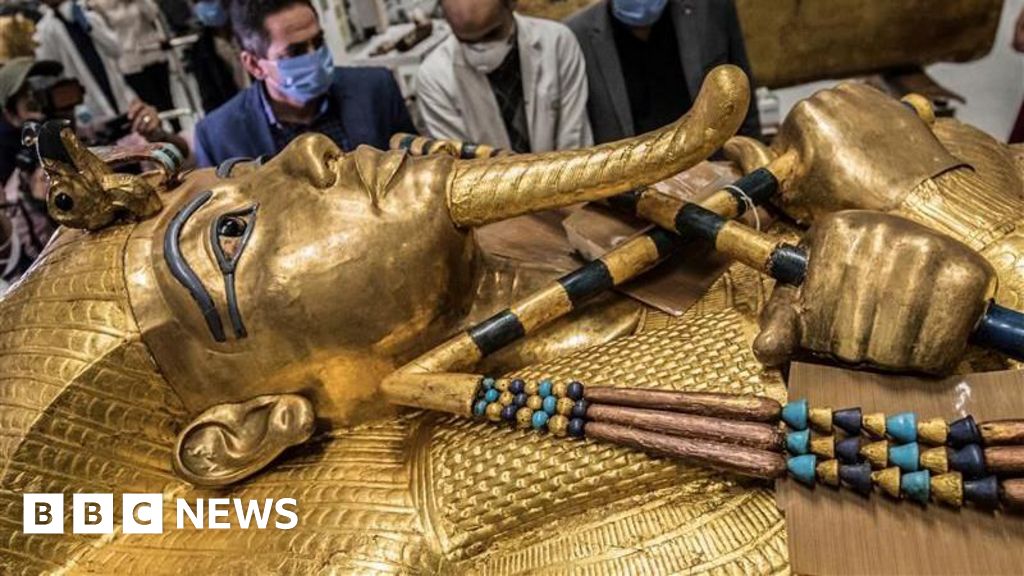
A main draw of the GEM will be the entire contents of the intact tomb of the boy king Tutankhamun, displayed together for the first time since it was found by British Egyptologist Howard Carter. They include Tutankhamun's spectacular gold mask, throne and chariots.
"I had to think, how can we show him in a different way, because since the discovery of the tomb in 1922, about 1,800 pieces from a total of over 5,500 that were inside the tomb were on display," says Dr Tarek Tawfik, President of the International Association of Egyptologists and former head of the GEM.