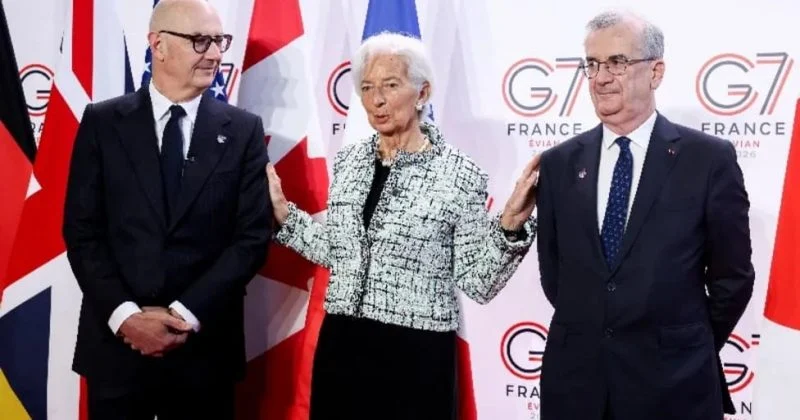
The world’s top finance officials are gathering in Paris this week with a familiar problem that’s gotten considerably less familiar in its intensity: bond markets are selling off, and nobody seems quite sure where the floor is.
G-7 finance ministers and central bankers are meeting against a backdrop of rising global bond-market volatility, widening trade friction, and the kind of systemic anxiety that tends to make policymakers reach for the group-chat button. The immediate concern isn’t a single crisis. It’s the convergence of several slow-moving ones.
The core problem: imbalances with nowhere to hide
French Finance Minister Roland Lescure set the tone by framing the discussions around what he called “deep-seated global economic imbalances.” Those imbalances, which span trade deficits, fiscal expansion, and divergent monetary policy paths across major economies, have been building for years. What’s changed is the speed at which they’re manifesting in debt markets.
The concern among ministers isn’t theoretical. It’s that the turbulent unwinding of financial markets Lescure referenced could shift from possibility to reality if coordination falters.