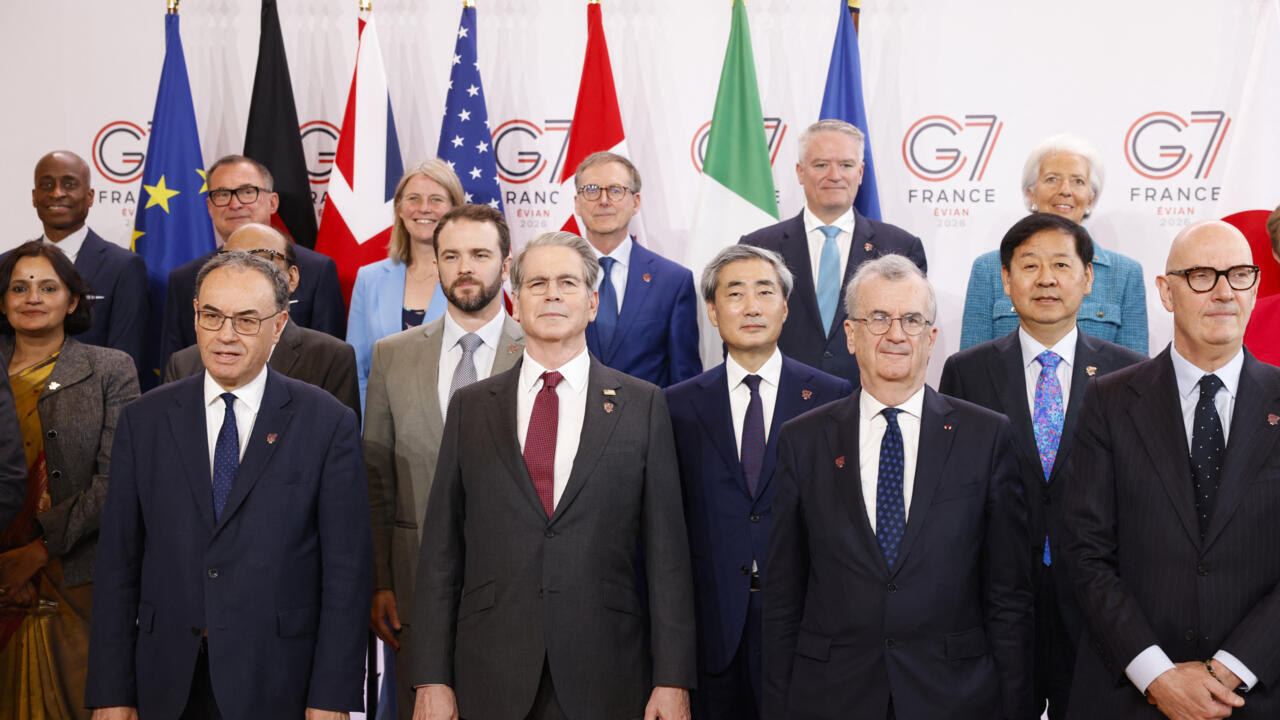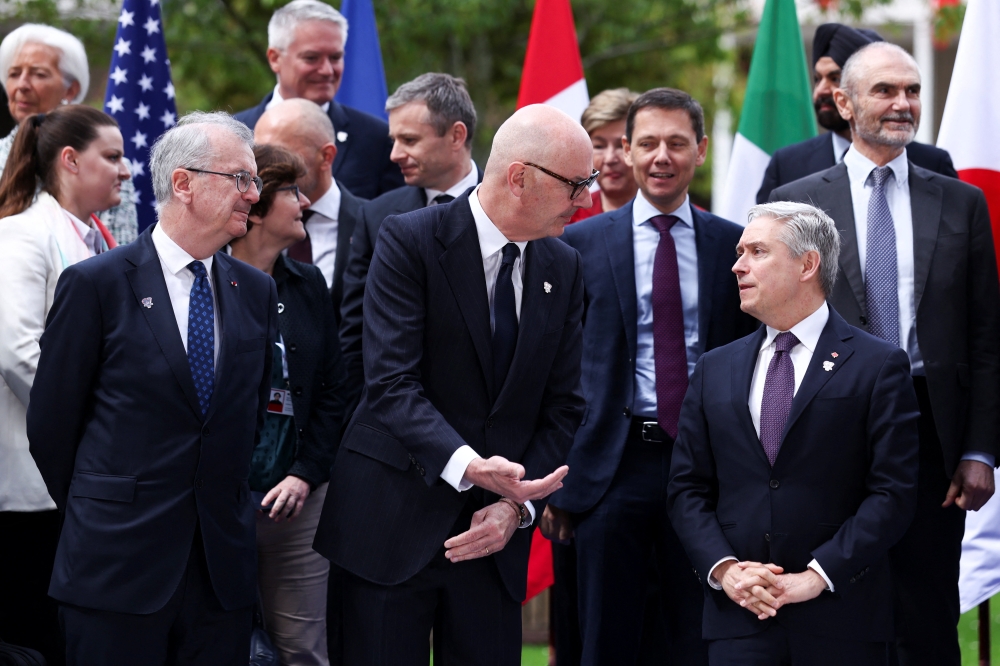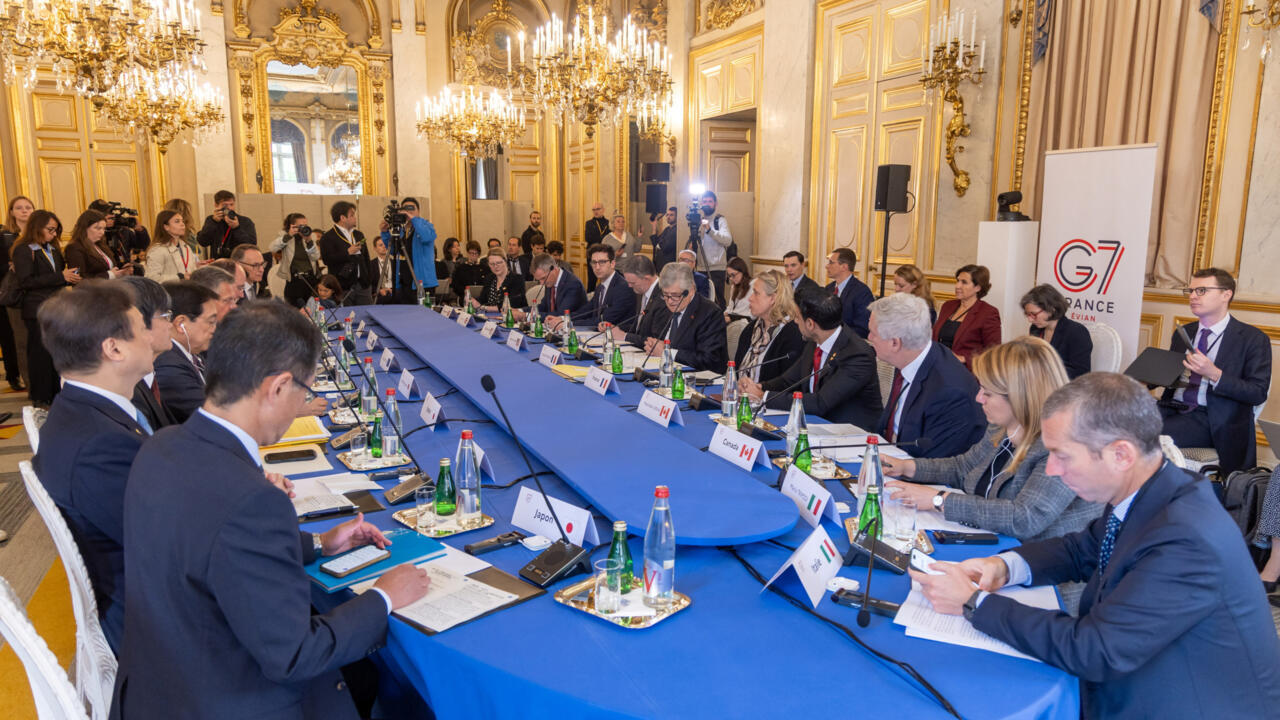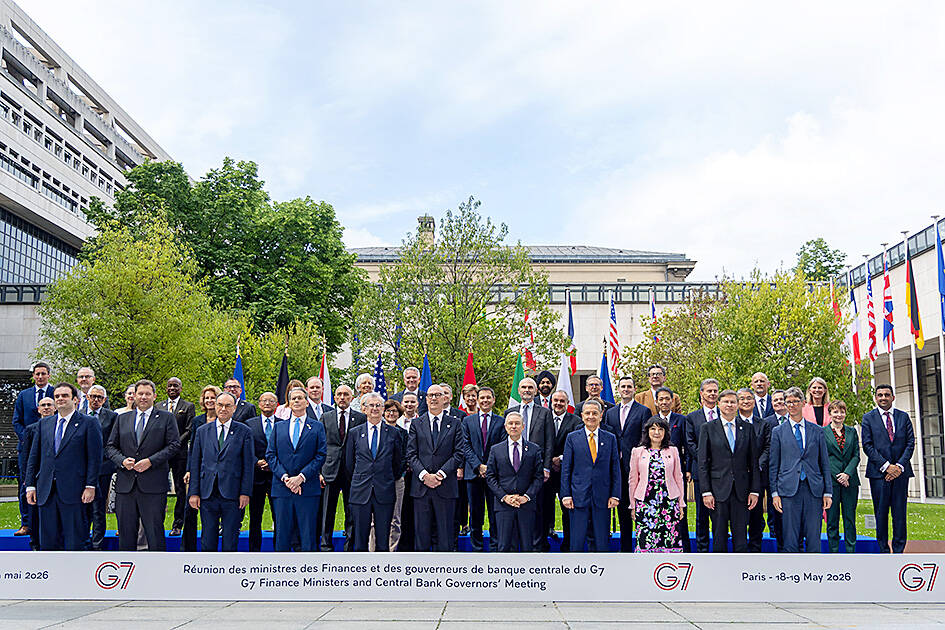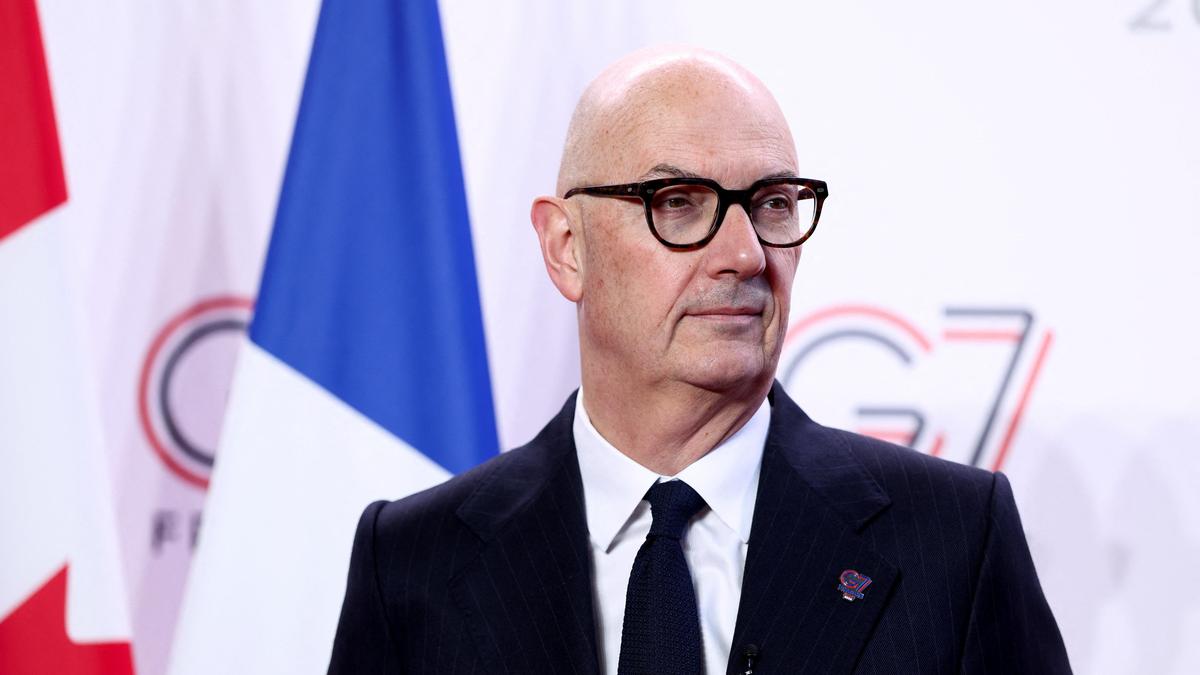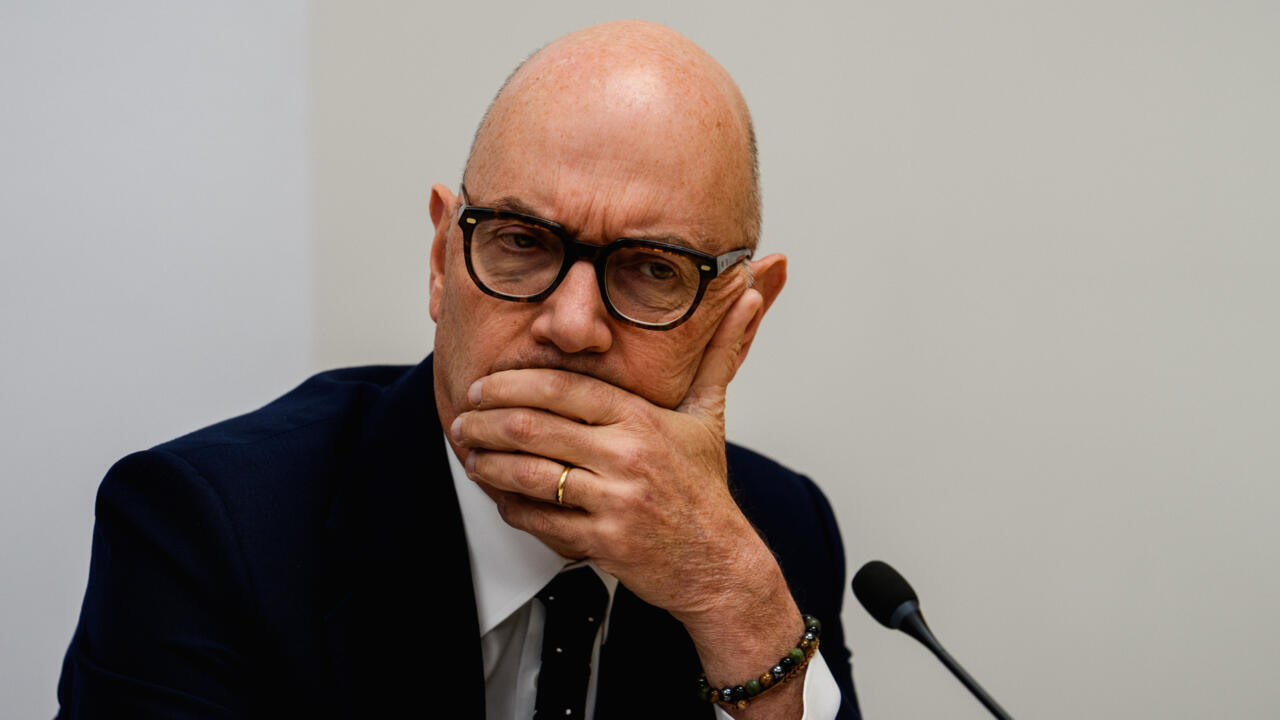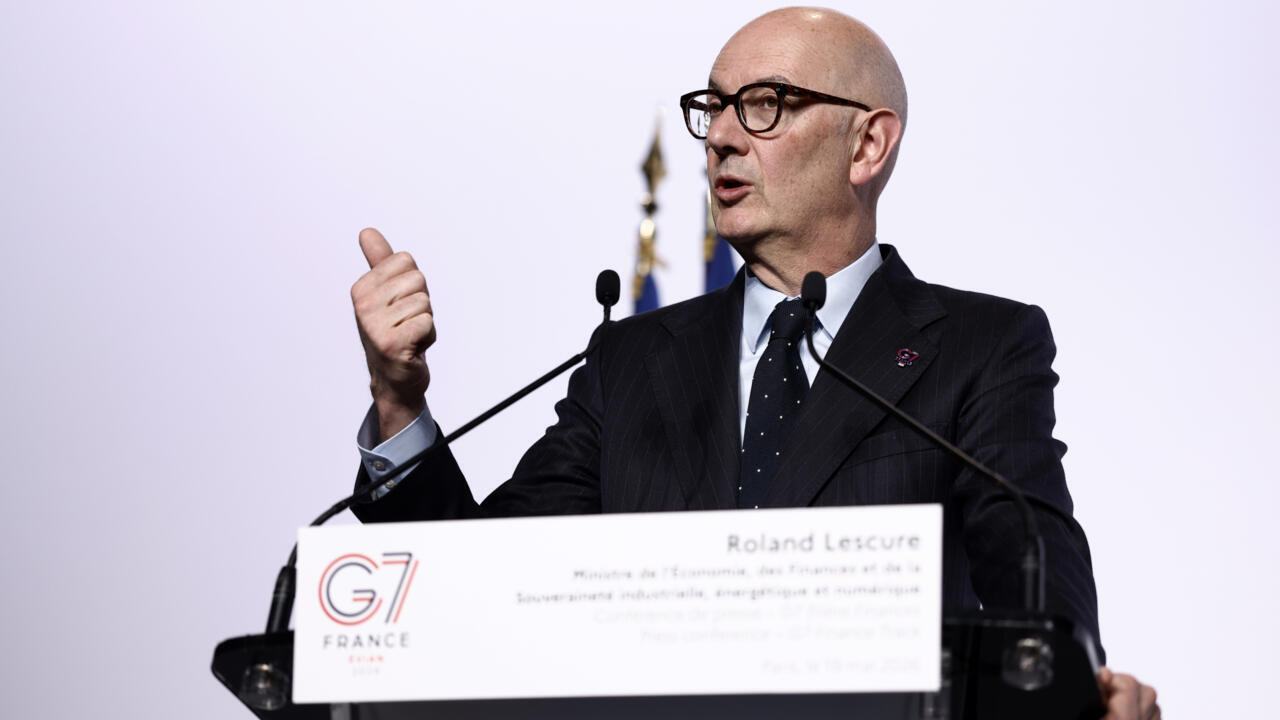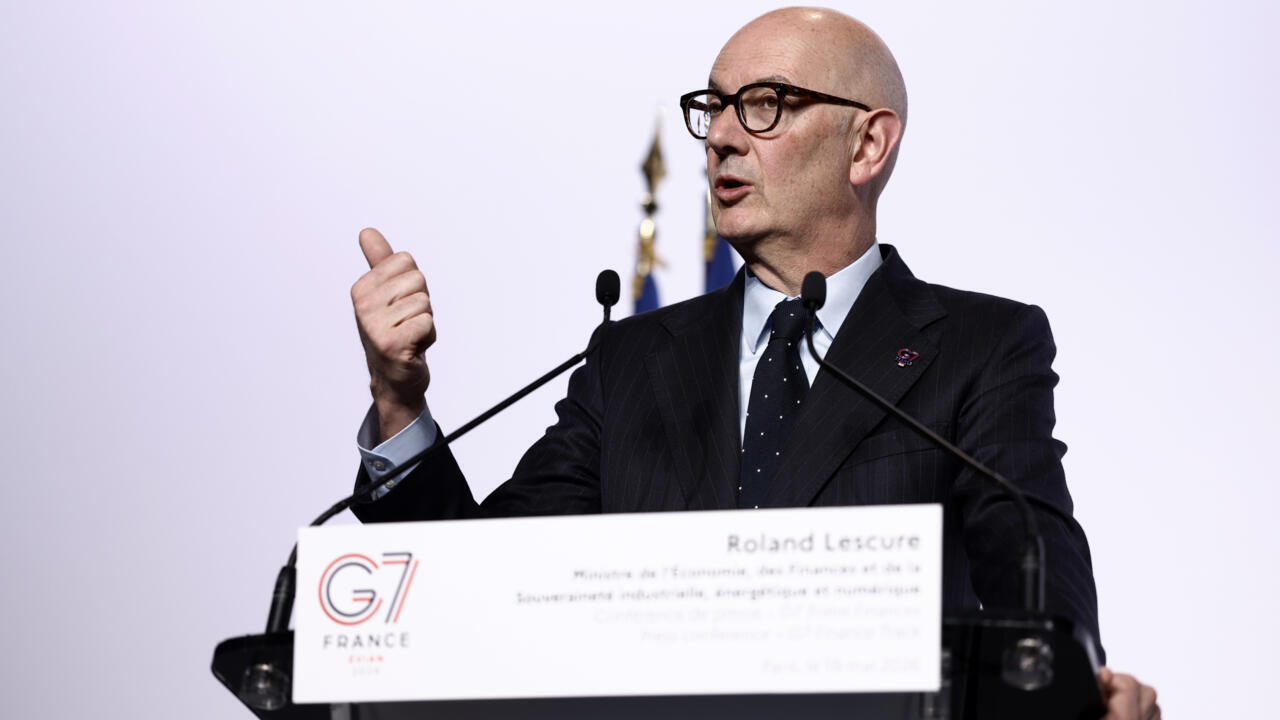
The meeting of the G7 finance ministers came as economies grapple with the fallout from the US-Israeli war on Iran, while European nations fret over the tariff blitz from the US administration under President Donald Trump and fears of a softening line on Russia."We have had frank, sometimes difficult, direct discussions to find long-term and short-term solutions to major global economic challenges in order to guarantee economic stability," said French Finance Minister Roland Lescure after the meeting attended by US Treasury Secretary Scott Bessent. But the final communique of the G7 ministers and central bank governors reaffirmed "our commitment to multilateral cooperation in addressing risks to the global economy".Against the backdrop of the Middle East war, the statement highlighted "multiple and complex global challenges requiring coordinated responses"."Economic uncertainty has heightened risks to growth and to inflation, amid the ongoing conflict," it said.'Considerable progress'
US Secretary of Treasury Scott Bessent attended the talks © Kenzo TRIBOUILLARD / AFP
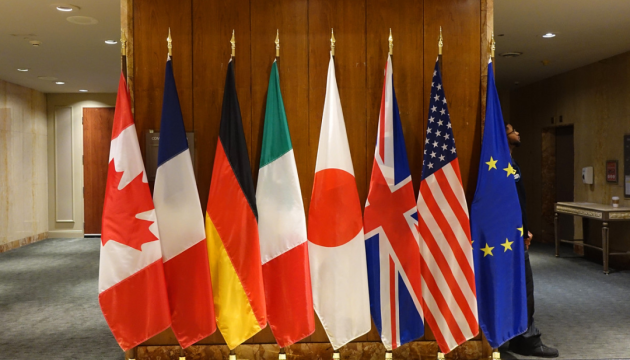
The statement singled out "pressures on energy, food, and fertilisers supply chains, which particularly affect the most vulnerable countries". It urged a "swift return to free and safe transit" through the Strait of Hormuz, a key Gulf waterway where shipping remains severely restricted after Iran imposed an effective blockade at the start of the war. The Paris meeting, held under France's rotating G7 presidency, prepares the ground for a summit in the French Alpine lakeside resort of Evian in June, chaired by President Emmanuel Macron, which should be attended by Trump. In line with Macron's aim to broaden the relevance of the G7 club which groups Canada, Germany, France, Italy, Japan, the UK and US, non-member nations Brazil, India, Kenya and South Korea were invited to the Paris meeting."I think we have made considerable progress in the work, so that our leaders can (in Evian), I hope at least, conclude it on such important, very concrete issues as critical minerals and the resolution of global imbalances," Lescure said.'Unanimous' on RussiaAs concern grows over how to combat the surge in crude oil prices due to the war in the Middle East, the US unsettled allies by announcing a temporary extension of the suspension of sanctions on Russian oil stored at sea.The "willingness to keep pressure on Russia was unanimous," Lescure insisted.But before the second day of talks started, EU economy commissioner Valdis Dombrovskis denounced the latest US waiver of sanctions on Russian oil."From the EU point of view, we do not think that this is a time to ease pressure on Russia," Dombrovskis said."In fact, Russia is the one which is gaining from the war in Iran and the increase in fossil fuel prices," he said. "If anything, we would need to strengthen the pressure."