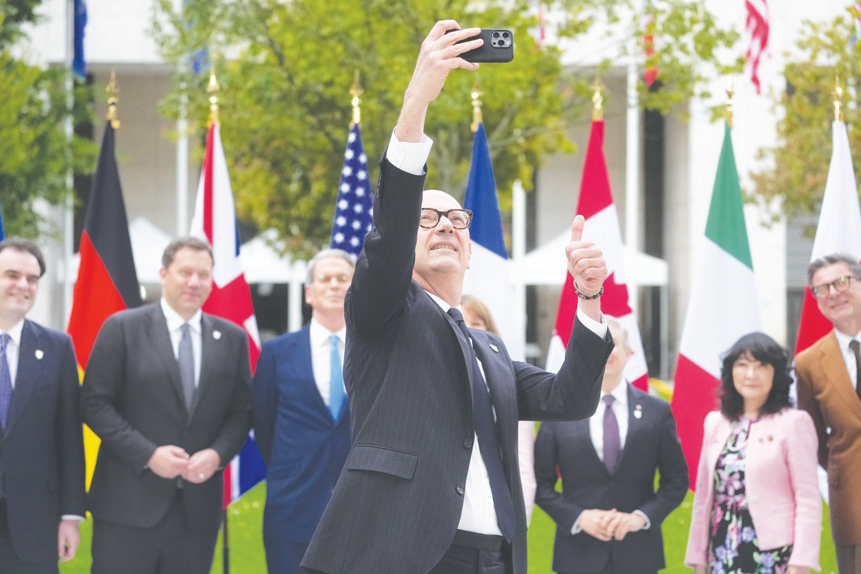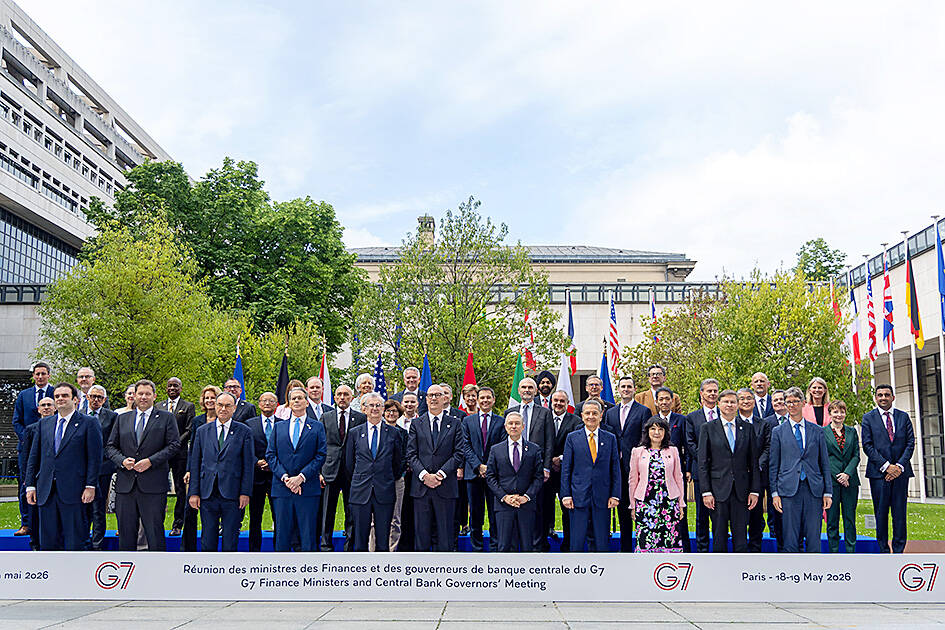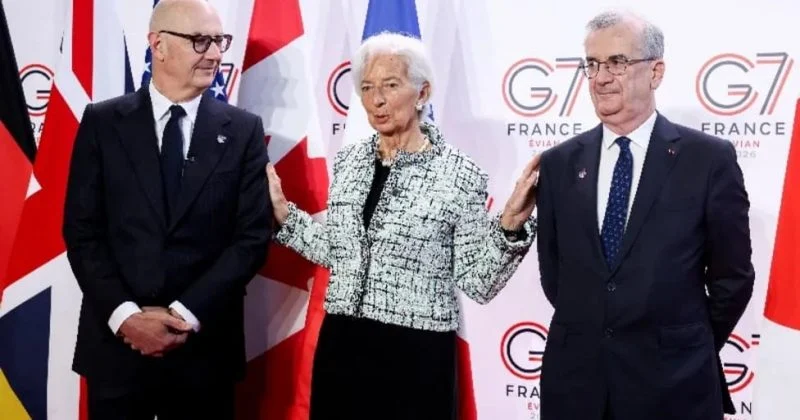
Finance ministers and central bankers from the G7 nations gather on Monday in Paris where they will try and settle differences on everything from the stalemate in Iran, securing supply chains for critical minerals and the oil-price shock. As host, France will try and keep the plates spinning.
Issued on: 18/05/2026 - 08:19
2 min Reading time
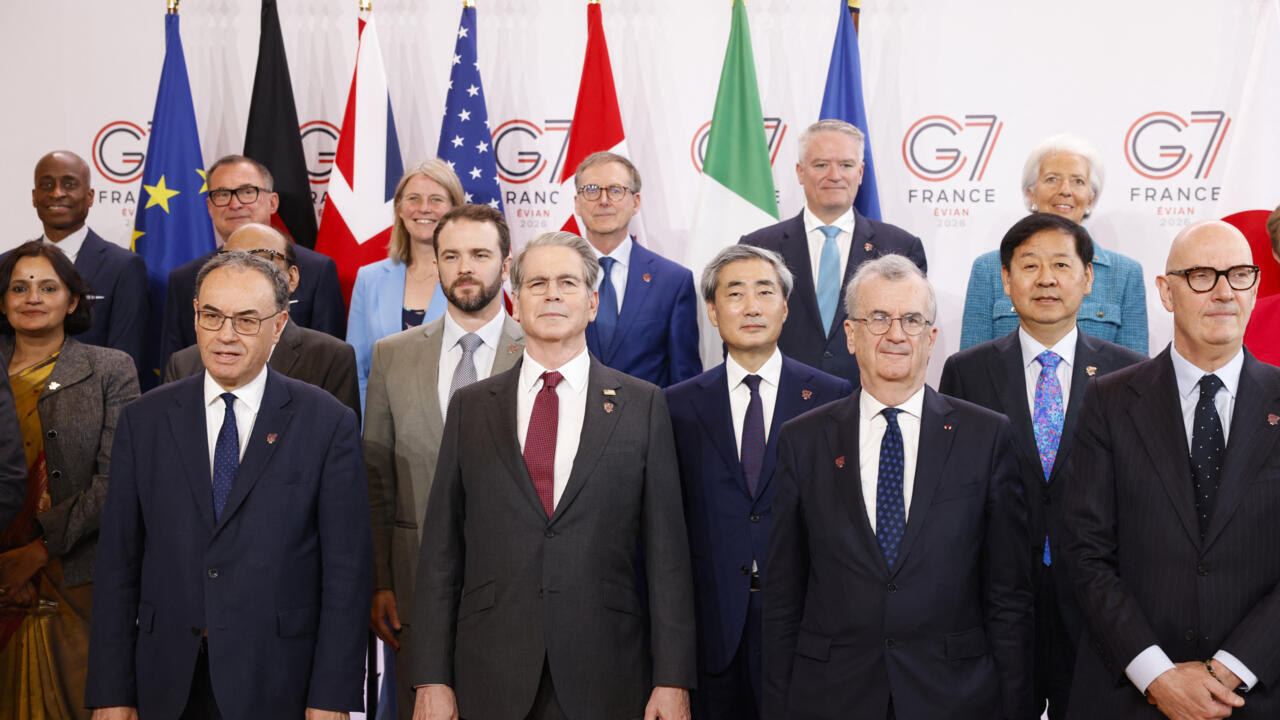
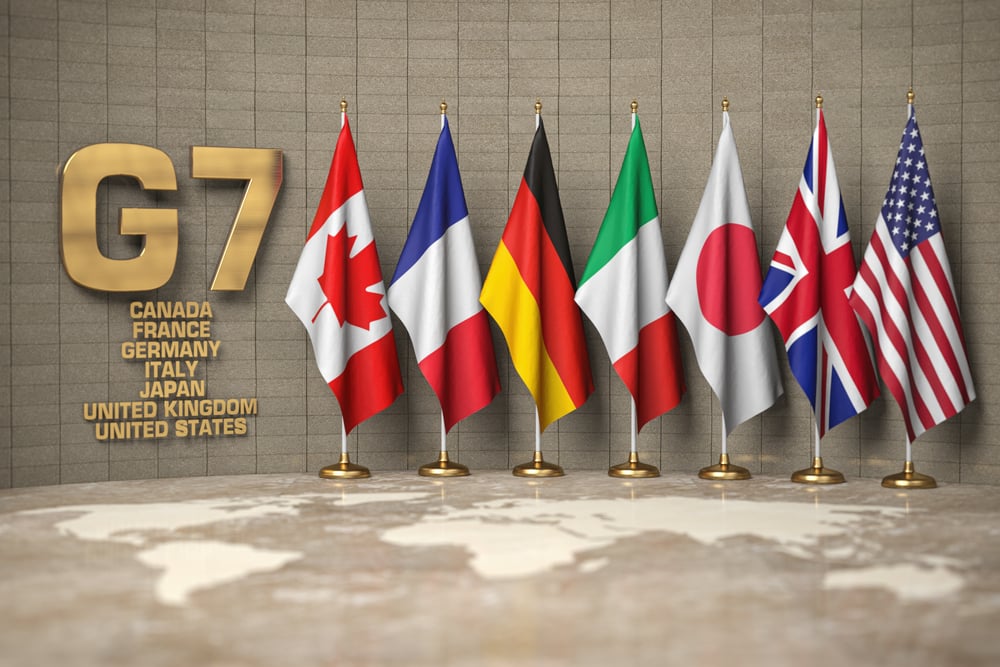
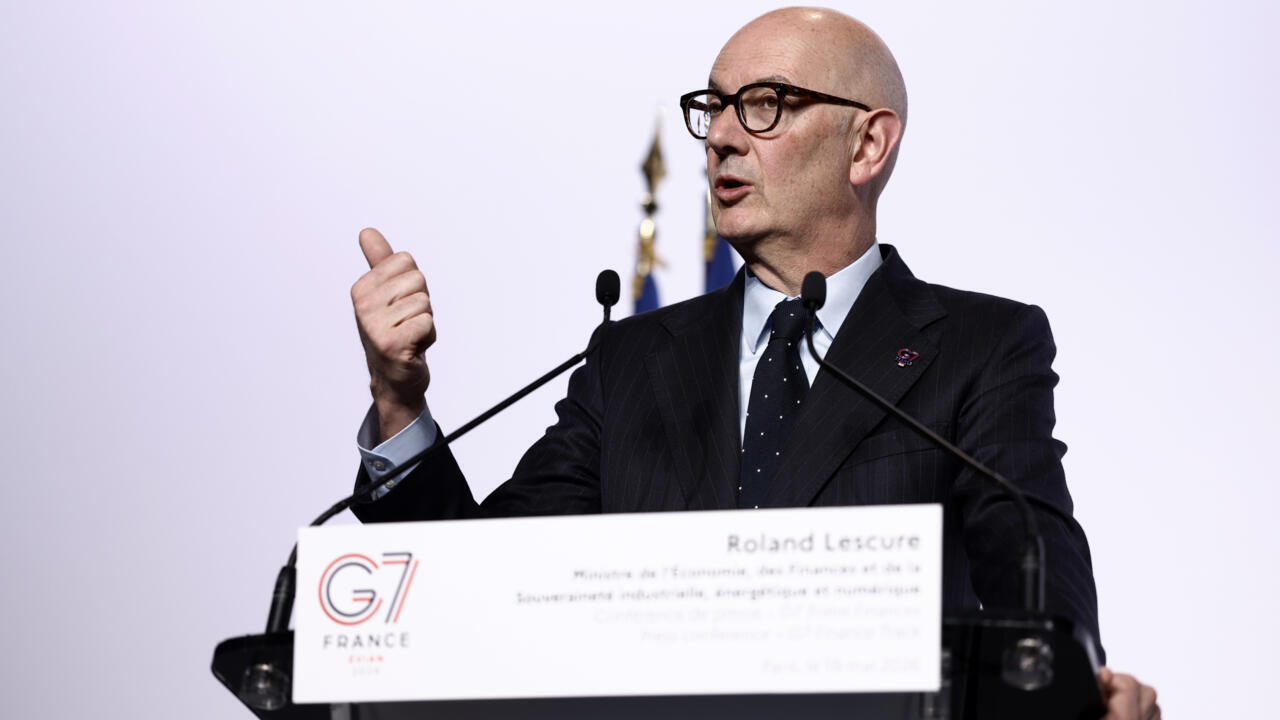
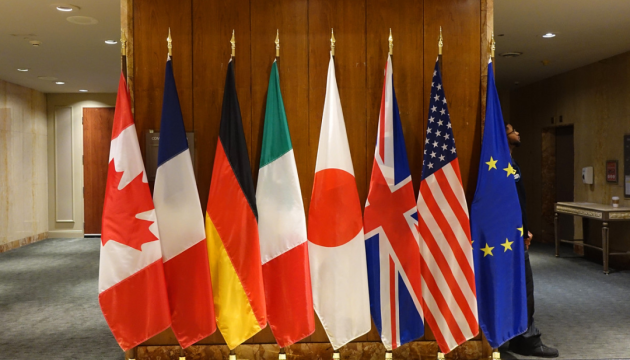
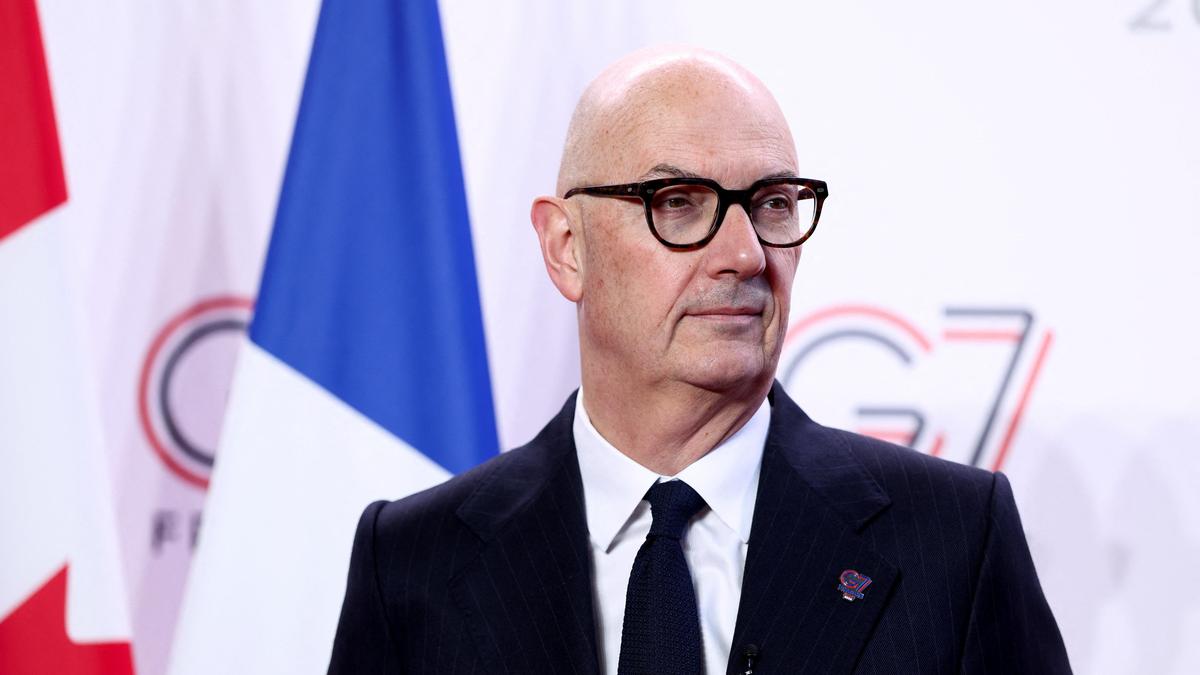
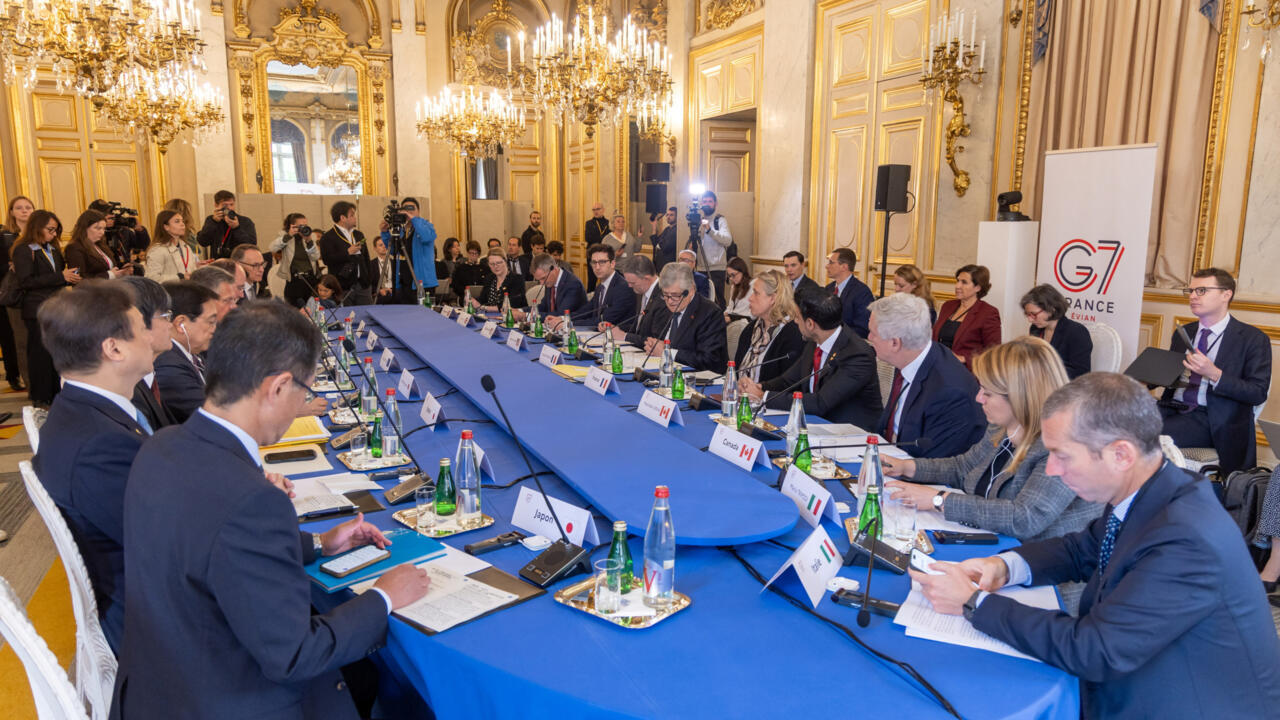
Finance ministers and bankers from the world’s richest democracies – the US, UK, Canada, France, Germany, Italy and Japan – will meet on Monday and Tuesday in Paris. France, which holds the rotating G7 presidency this year, wants the meeting to produce at least a shared diagnosis of what is going wrong in the global economy. “The way the global economy has been developing for more than a decade is clearly unsustainable,” France’s Economy and Finance Minister Roland Lescure told reporters on Wednesday. He pointed to America’s large budget deficit, Europe’s weak innovation record and sluggish Chinese consumption alongside industrial overcapacity. Paris insists the point of the meeting is dialogue, though French officials privately acknowledge how difficult that has become. “I want to show that multilateralism can work,” Lescure said. “But the discussions are not easy. I’m not going to tell you we agree on everything, including obviously with our American friends.” The sharpest disagreements concern trade, after Washington imposed new 15 percent tariff surcharges earlier this year. China and critical minerals The talks come days after Donald Trump’s visit to Beijing – the first by a US president since 2017. Officials are increasingly worried about dependence on China for rare earths and other strategic minerals used in batteries, defence systems and electronics. In recent years, countries dominating the extraction and processing of those materials – China in particular – have at times curbed exports or used their market position to influence prices. The aim is to “ensure that we are not dependent on any one country – China, to name but one – for our supply of rare earths”, said Lescure. EU moves to reduce reliance on China for rare earth supplies Common toolbox Another subject under discussion will be joint market mechanisms for strategic raw materials – from trade agreements to floor prices, quotas and tariffs. Officials describe it as a shared “toolbox”. The longer-term aim is to back multinational industrial projects capable of processing minerals independently of China. French officials point to the Cermag rare earth plant being built in Lacq in south-west France with Japanese backing. Development finance is also on the agenda. Paris wants to shift away from traditional aid towards investment partnerships designed to attract private capital – an approach championed by President Emmanuel Macron at the Africa-France summit in Nairobi. Macron champions African investment and backs restitution of colonial artefacts War and oil prices G7 ministers are also expected to discuss the economic fallout from the war in the Middle East and Iran’s blockade of the Strait of Hormuz – a vital route for shipping oil, gas and fertilisers. Following a spike in energy prices, the International Monetary Fund expects weaker global growth and higher inflation next year. Lescure said that G7 countries were not planning to discuss a new release of strategic oil stocks at the summit but that it could "certainly arise in the following weeks and months". (with AFP)