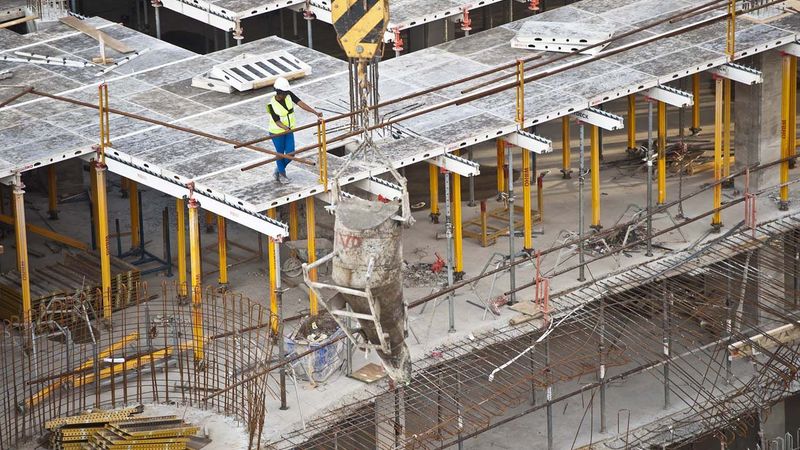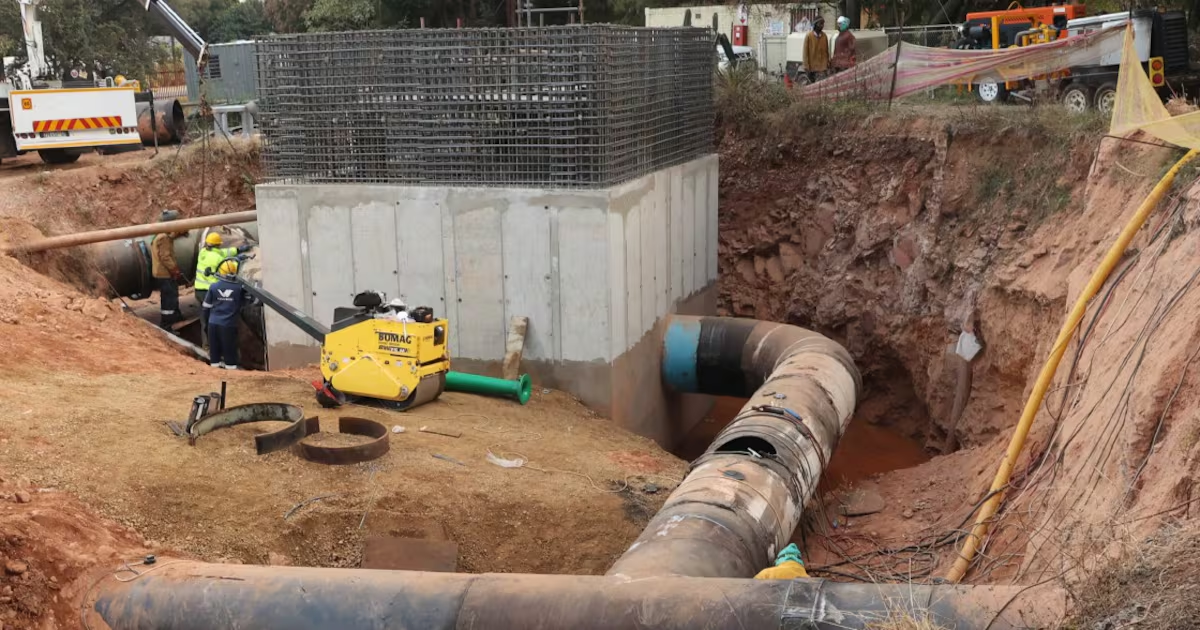
For more than a decade, infrastructure has been positioned as South Africa’s growth engine. For just as long, delivery has lagged. The constraint is no longer pipeline. It is execution.South Africa’s real gross domestic product growth has averaged about 0.7% to 0.8% per year over the past decade. This is well below the level required to reduce unemployment or expand industrial capacity at scale. At the same time, the country requires infrastructure investment of more than R1-trillion over the medium term. The case for accelerated delivery makes itself. Infrastructure drives growth only when projects reach financial close, break ground and are completed. It lowers the cost of doing business, enables trade and builds long-term competitiveness. Achieving these outcomes depends on coordination, capital discipline and institutional accountability. A coordinated systemInfrastructure is not a collection of projects. It is a coordinated system of capital, funding, industrial capacity and execution capability. Delivery depends on how these elements move together, not in isolation.That system rests on roads, ports, power stations and the industrial capacity that enables delivery. Cement, steel, energy inputs and logistics platforms are the material inputs that make delivery possible. Without domestic production capability, infrastructure delivery becomes exposed to supply chain volatility, currency risk and imported cost pressures. Countries that build at scale align infrastructure policy with industrial policy. When local production weakens, delivery becomes slower, more expensive and less predictable.The backbone of infrastructure deliveryBacked by Nedbank Corporate and Investment Banking (CIB), the commissioning of Pretoria Portal Cement’s (PPC’s) new integrated cement plant in the Western Cape reflects a long-term commitment to strengthening the backbone that underpins infrastructure delivery.Beyond competitiveness, it enhances the security of supply; supports more efficient, lower-emission production; and directly underpins infrastructure delivery capacity.That investment reflects a broader logic. Industrial investment and infrastructure delivery reinforce one another. Expanded production deepens supply chains, supports regional competitiveness and creates employment, while credible infrastructure demand provides the certainty manufacturers require to invest. Capital flows where delivery is credible, and industrial capacity follows predictable demand.From left: Matias Cardarelli, CEO of PPC Africa, and Anél Bosman, group managing executive of Nedbank CIB. (Nedbank CIB) As long-term partners, PPC and Nedbank Corporate and Investment Banking (CIB) share a conviction that infrastructure delivery and industrial capacity must advance together. The companies’ collaboration on this transaction has focused on disciplined structuring and capital allocation designed from the outset to improve resilience, efficiency and delivery confidence. That meant aligning financing tenor with the investment cycle, stress-testing assumptions against energy and input cost volatility, and building in the governance structures that give both partners confidence over the long term.The investment supports PPC’s modernisation strategy, replacing ageing, energy-intensive capacity with more efficient production. It strengthens cost competitiveness and operational resilience in a sector directly exposed to energy volatility and input cost pressures.Why funding is not the problemInfrastructure discussions often default to funding gaps. That is the wrong assumption. Funding is available and is not the primary constraint. The real constraint is the process from idea to execution — too slow, too uncertain, and too fragmented.Funding follows where execution discipline, cost control and delivery capacity are in place. Capital is applied where returns are visible and risk is appropriately allocated. Where these conditions are absent, both withdraw. Capital does not solve for weak execution — it avoids it.The test is straightforward: does the project strengthen the country’s infrastructure foundation, demonstrate execution capability and generate durable returns? When finance is structured responsibly, it does more than fund a single asset. It mobilises ecosystems of suppliers, contractors and communities, translating investment into economic momentum and employment.At a national level, infrastructure ambition and private capital are more aligned in South Africa than they have been in years, with priority sectors such as energy, logistics, water and industrial capacity becoming clearer. The focus has shifted from planning to execution. Acceleration requires coordination, integrated solutions and accountability, with capital, funding, industrial capability and infrastructure demand moving in concert.Alignment, however, is not delivery. The country’s trajectory will be defined by assets being commissioned and capital responsibly allocated, and by long-term commitments being converted into delivery.Partnerships between industrial leaders and financial institutions enable delivery. When discipline, capability and conviction align, infrastructure delivers on its promise.That is the difference between planning infrastructure and delivering it. Infrastructure is a system — not a slogan.This article was sponsored by Nedbank CIB.
Infrastructure is a system: closing SA’s delivery gap
SPONSORED | Nedbank CIB-PPC partnership illustrates how industrial investment and infrastructure delivery reinforce one another
720 words~3 min read