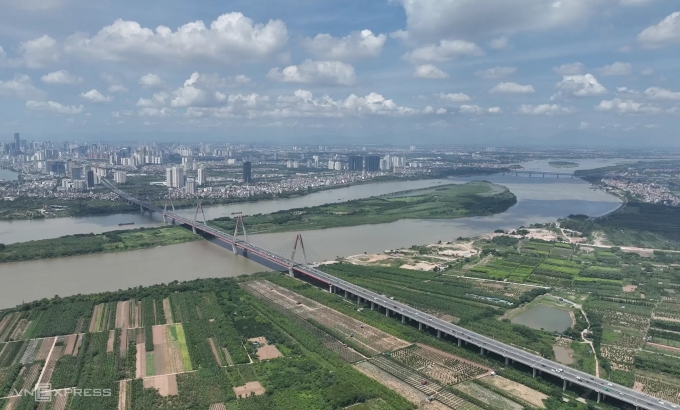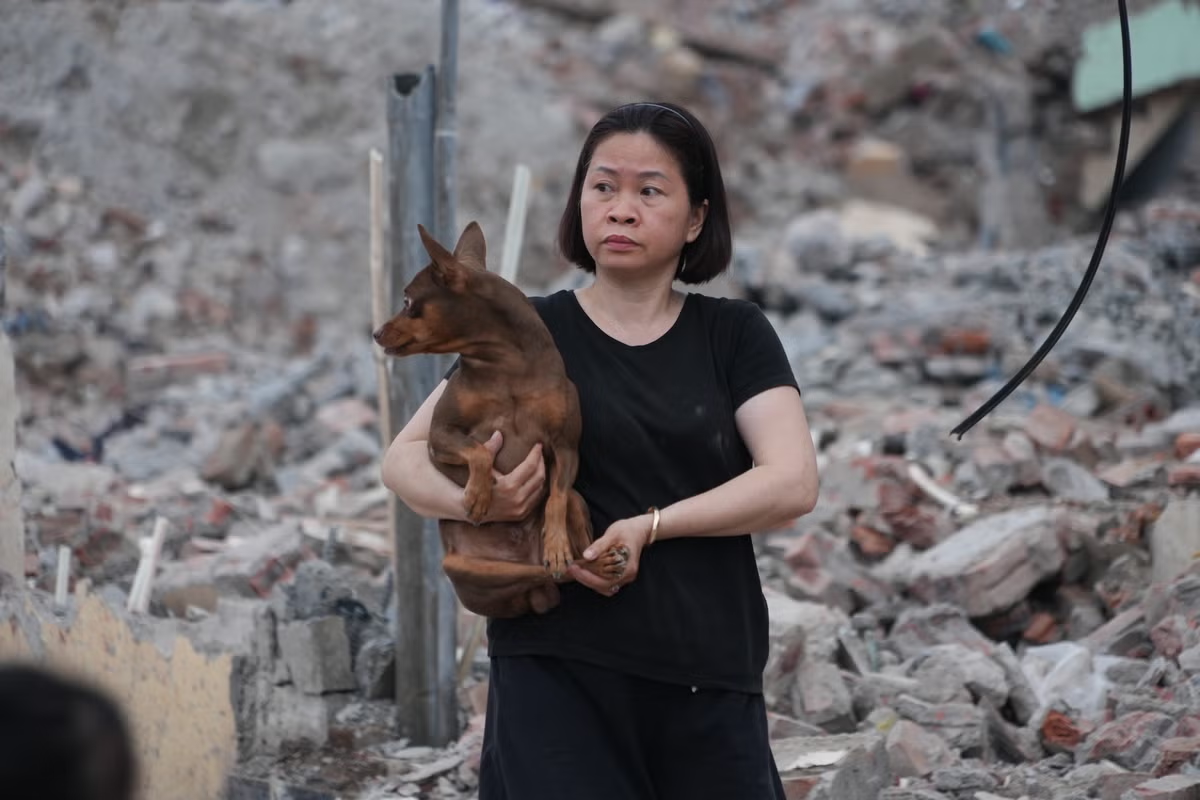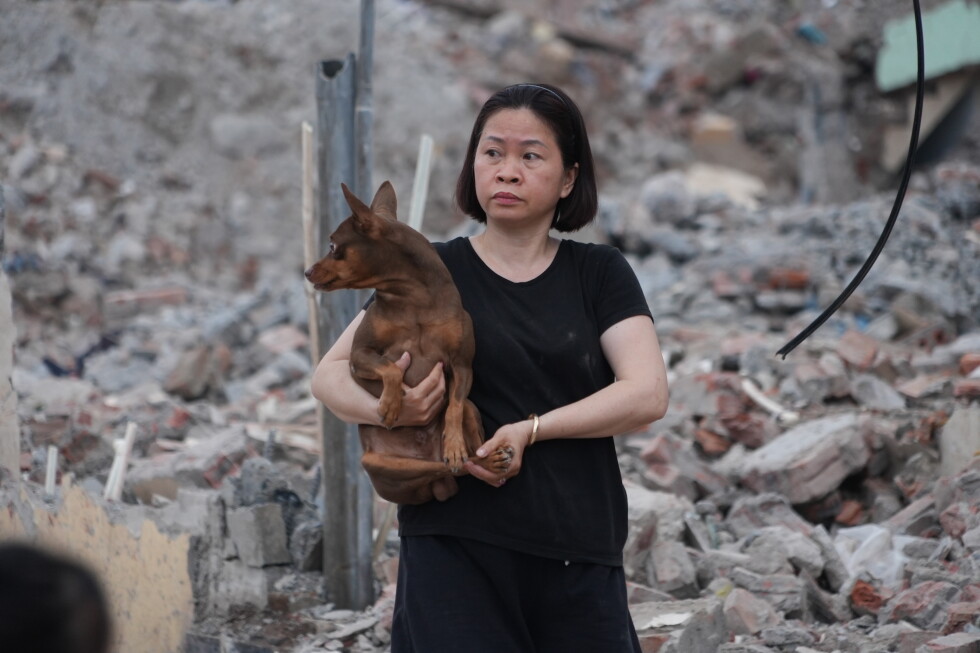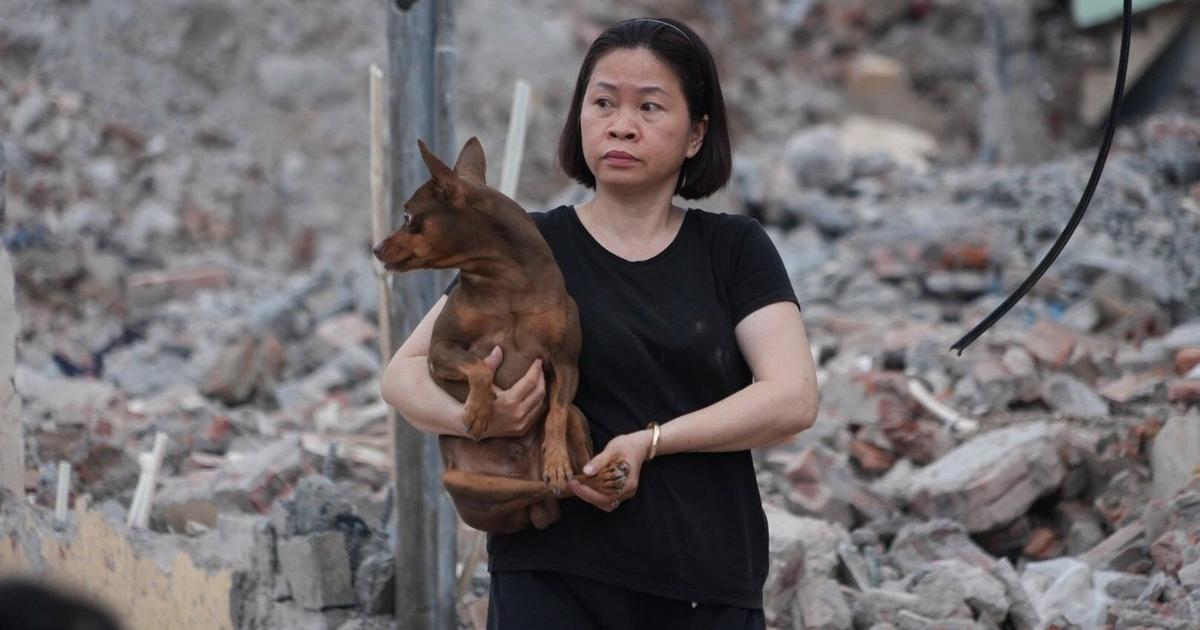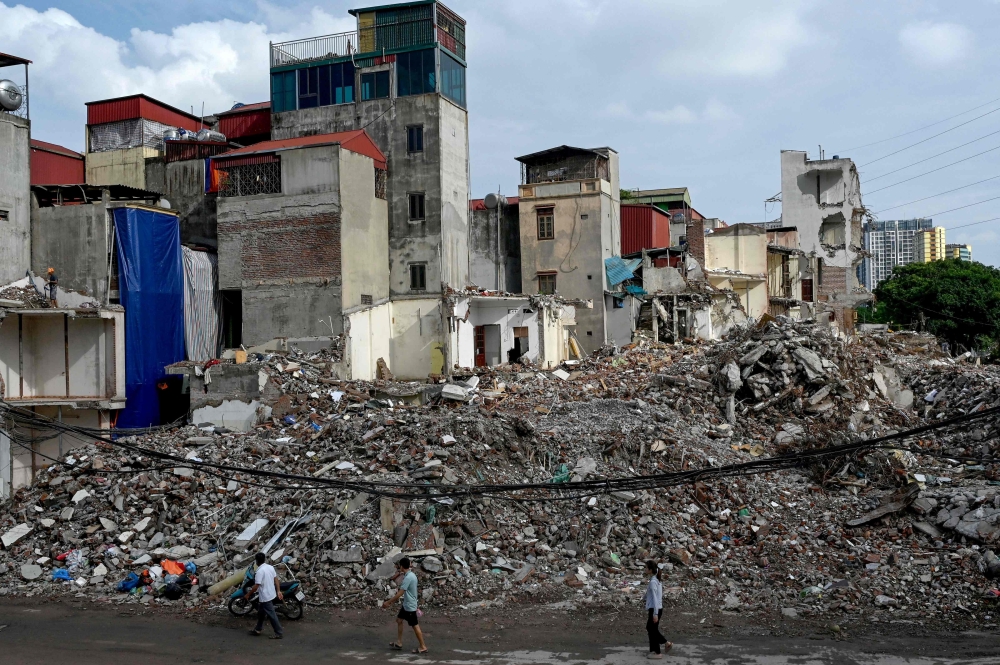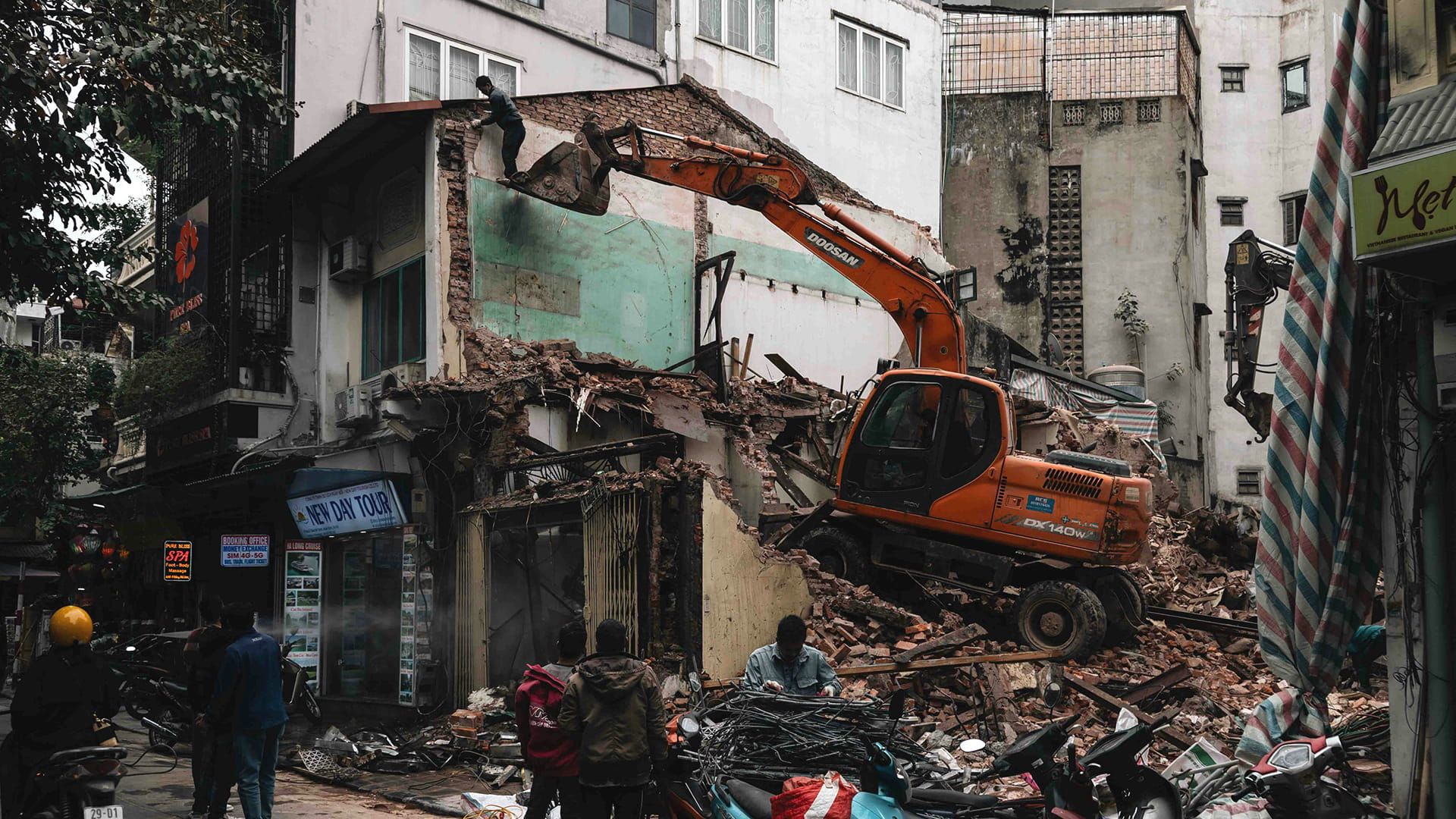
After more than five decades with the giant Red River as a constant, quiet neighbor, Hanoi resident Bui Minh Phuong is bracing for her life to be upended.
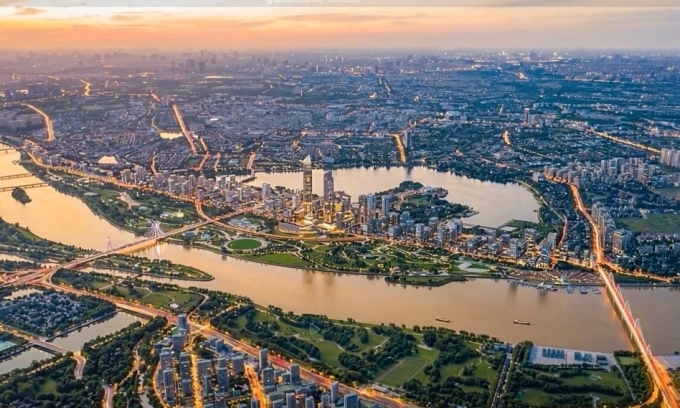
She is one of a growing number of Hanoians living in uncertainty as mass relocations loom. The Vietnamese capital has embarked on one of the most ambitious urban transformations in its history: a multi-decade, USD 2.5 trillion renewal designed to sustain rapid economic growth over the coming decades as the national government targets developed nation status by 2045.
From Beijing to Mumbai and Tokyo to Indonesia’s new capital Nusantara, huge city redevelopments have proliferated across Asia, but Hanoi’s plan is as striking as any. Making space for a population set to double in that period means big change for many in a city that was already home to nearly nine million people in 2024.
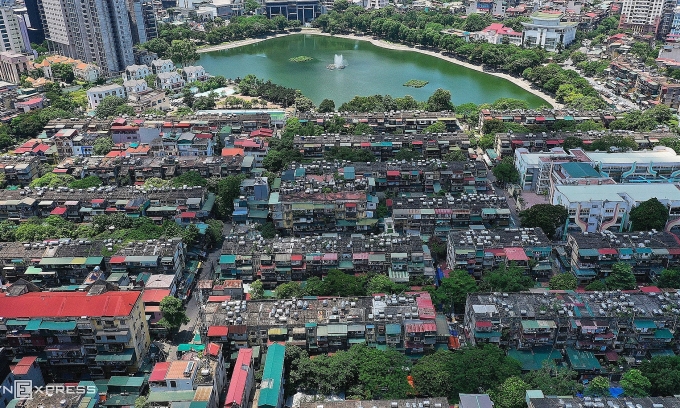
Breakneck economic growth in recent decades has transformed economic wellbeing for many in an urban setting that housed just 400,000 residents when France formally pulled out of northern Vietnam in 1954. But Hanoi is still characterized by narrow alleys and tightly packed housing in many areas, a number of which are now bursting at the seams.
Phuong, preferring to use a pseudonym for reasons of privacy, is worried about the future. The 52-year-old domestic services worker has spent her entire life in a riverside neighborhood just a kilometer from the city center and now lives with her husband and teenage daughter in a 16-square-meter studio apartment in a crumbling building. The sleeping area, kitchen, and storage space are compressed into a single room, and a 1.5-square-meter bathroom allows barely enough space to stand.