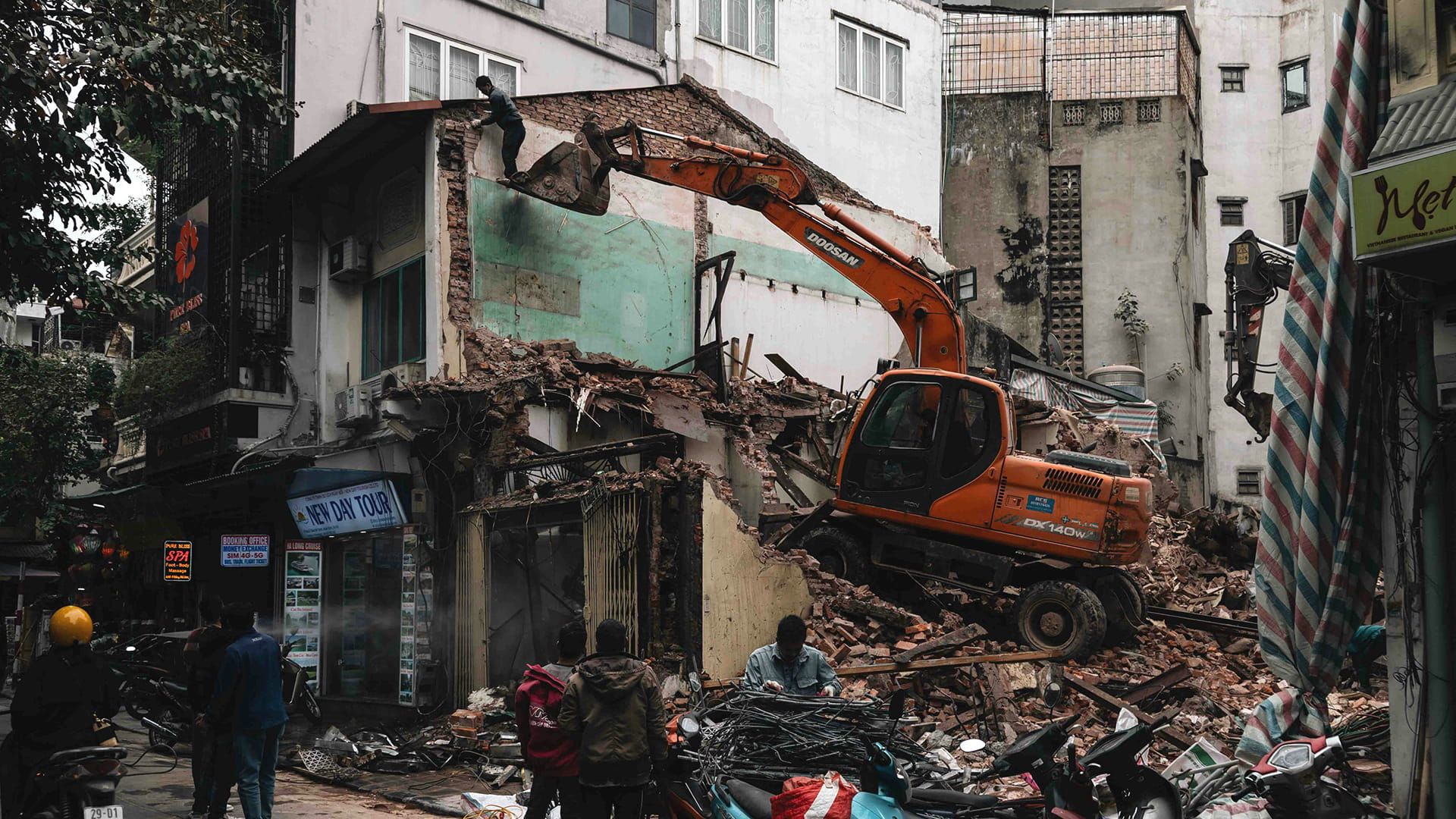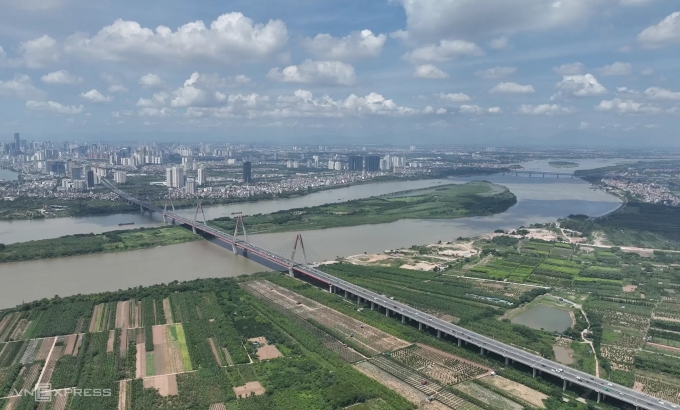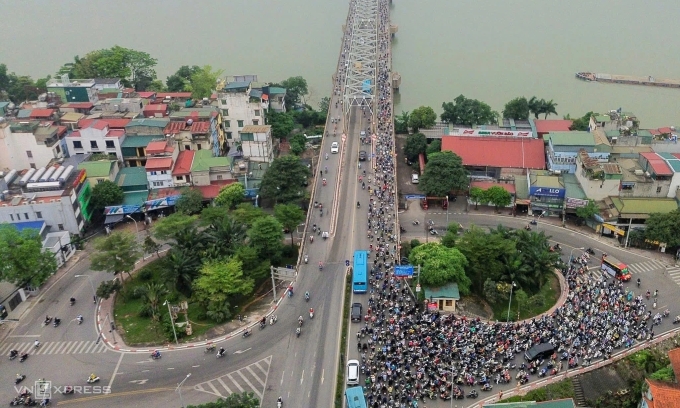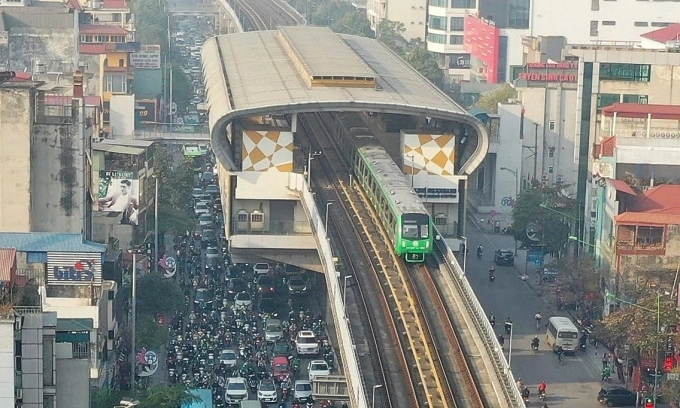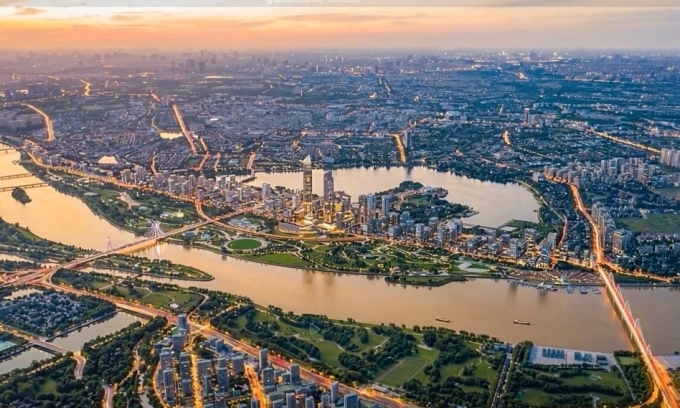
The plan, formalized through a decision signed by Hanoi People's Committee Chairman Vu Dai Thang on May 13, lays out a phased relocation. About 442,000 residents are expected to move out from areas along the Red River, around West Lake and from several inner-city streets between 2026 and 2035. Another 420,000 will follow from the Old Quarter and other areas inside Ring Road 3 between 2036 and 2045.
City authorities are using financial and policy incentives to draw residents into new urban developments built around metro stations on the city's edge. The receiving areas, including Dong Anh, Gia Lam and the Hoa Lac science and technology hub west of the city, are being upgraded as part of the same plan, with infrastructure designed to integrate housing, transit and employment.
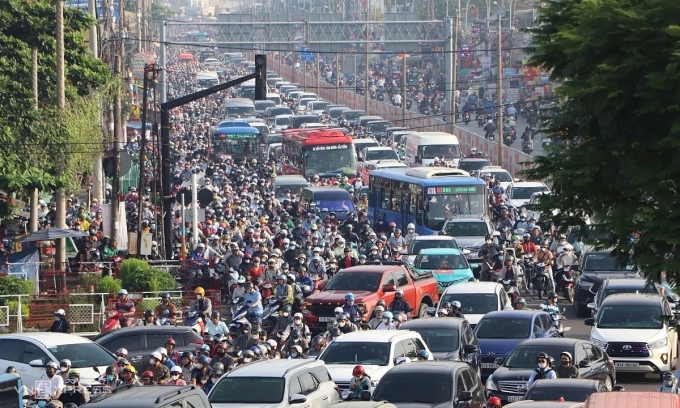
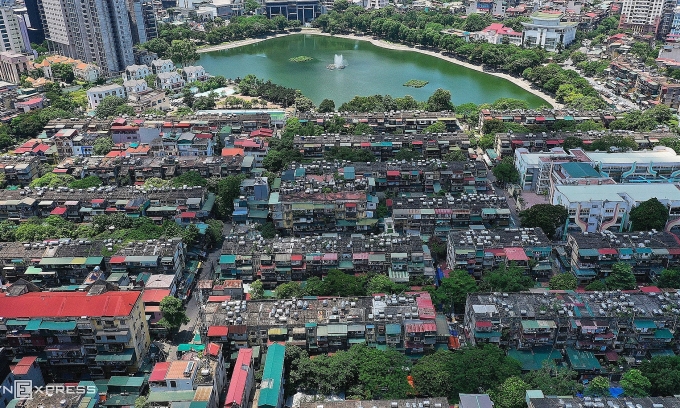
The goal is to ease pressure on the historic core, where the densest inner-city wards pack more than 20,000 people into every sq.km, while preserving the architectural character of areas like Hoan Kiem and the French Quarter. The Old Quarter's resident population has already fallen by 30-50% over the past 20 years through spontaneous outmigration, according to estimates from the Hanoi Association of Architects.
For housing development, Hanoi is targeting at least 35 sq.m of floor space per person between 2026 and 2030, with a stretch goal of 40 sq.m, rising to at least 45 sq.m per person during 2031-2035. The housing strategy is tied to a transit-oriented development (TOD) model that concentrates new construction around metro stations.