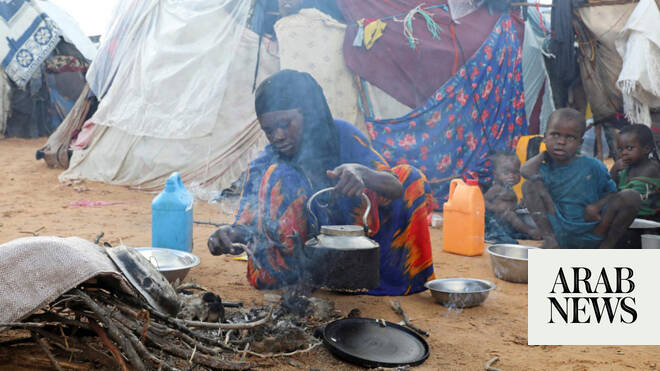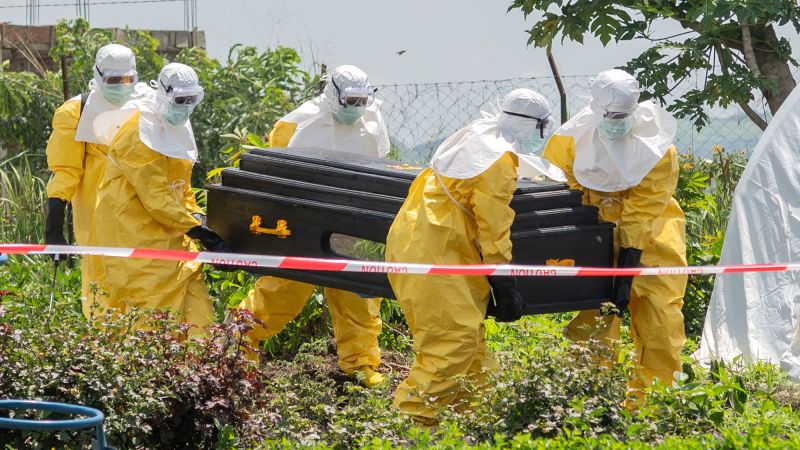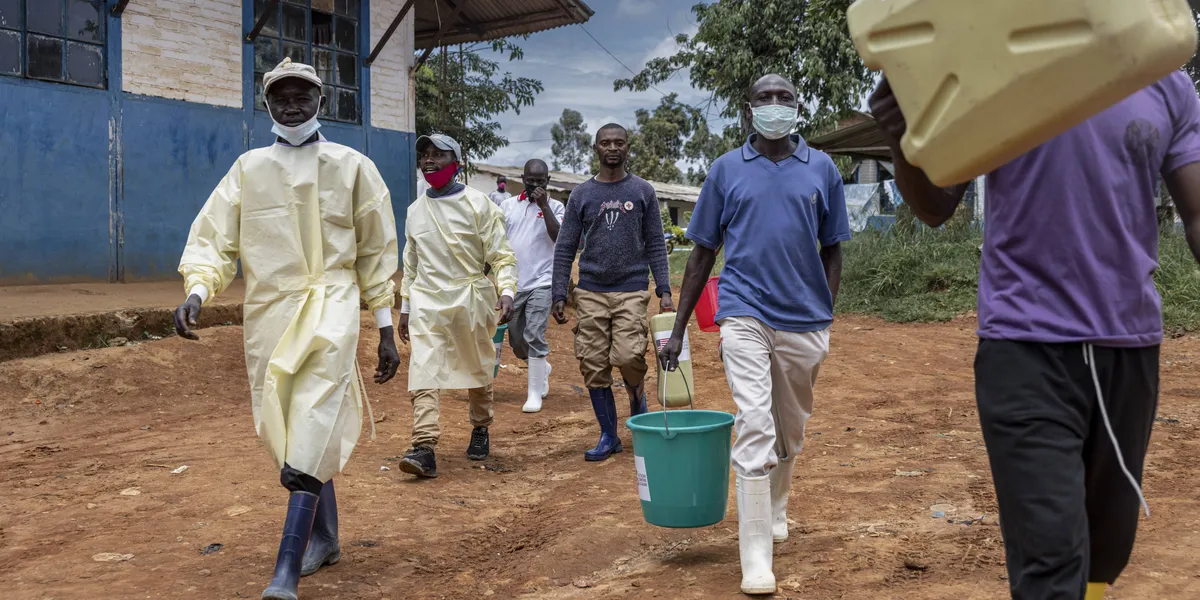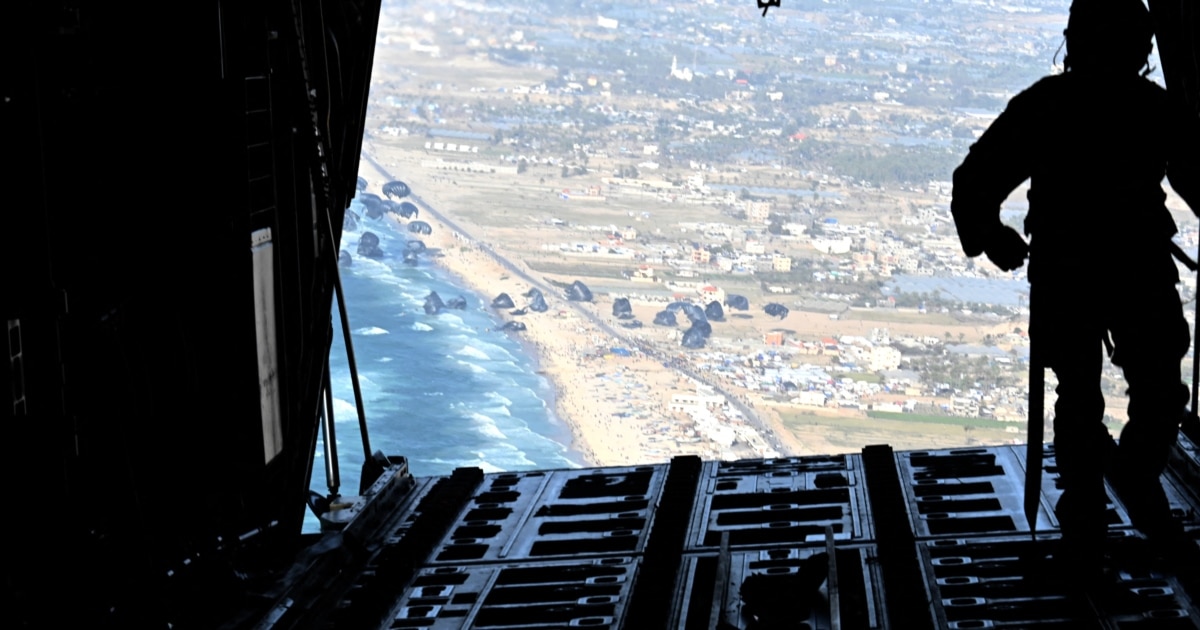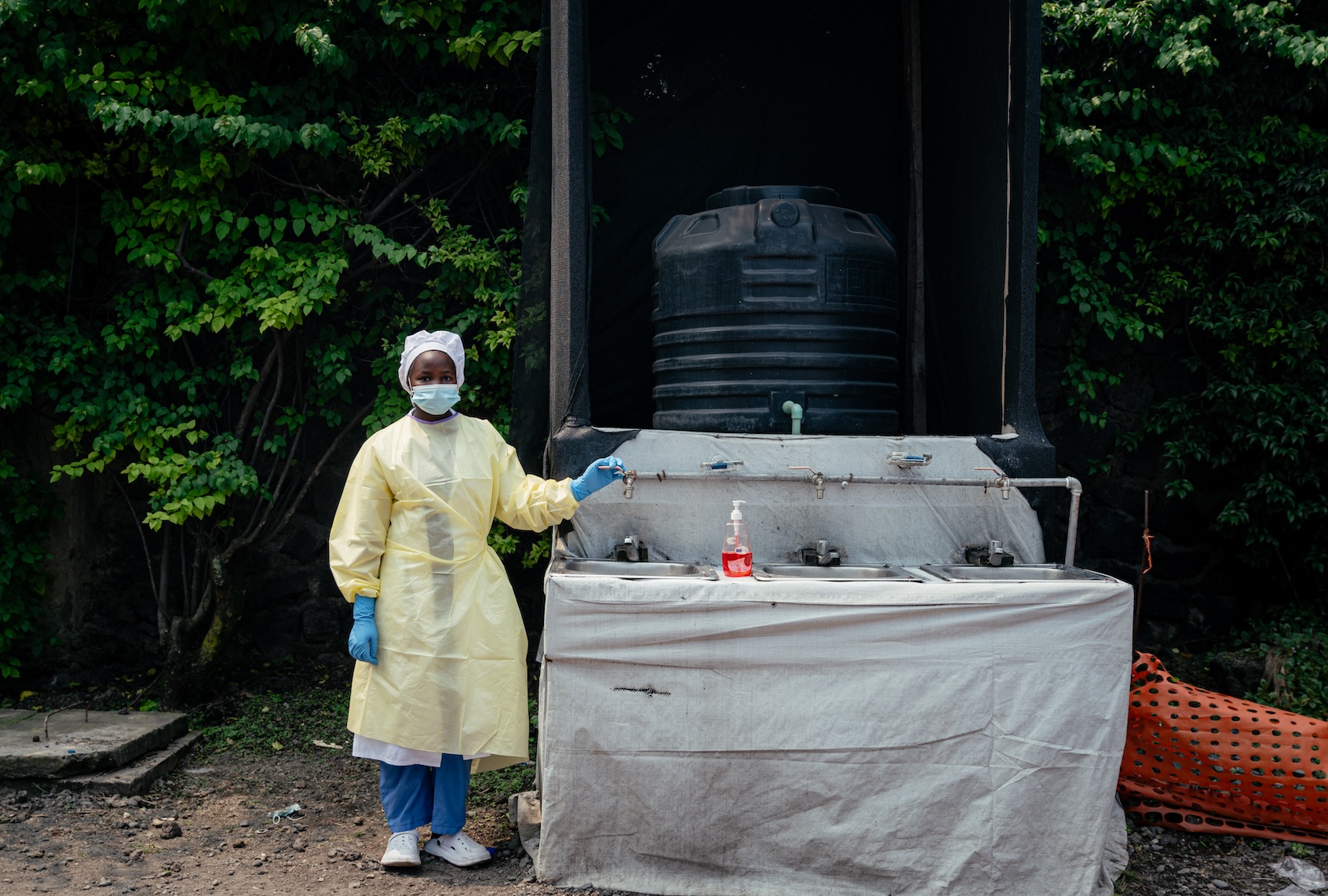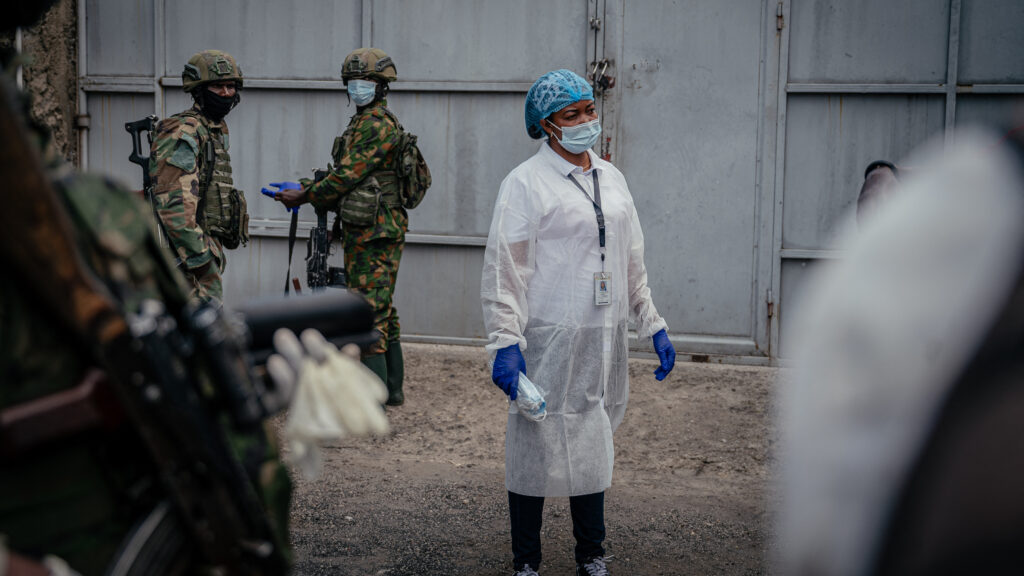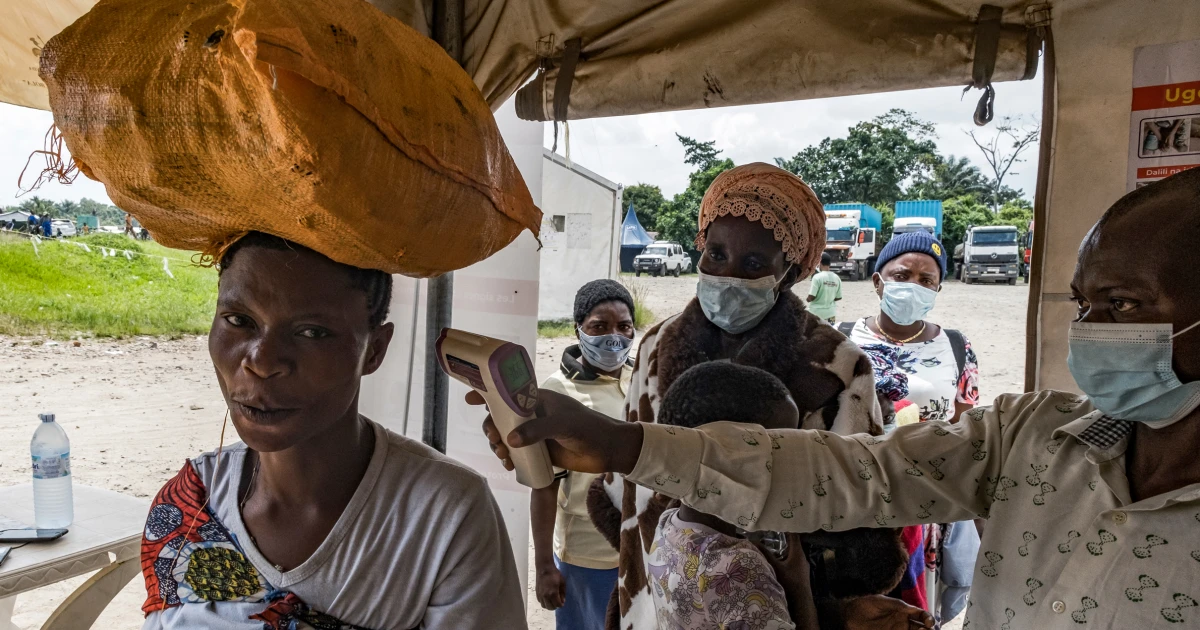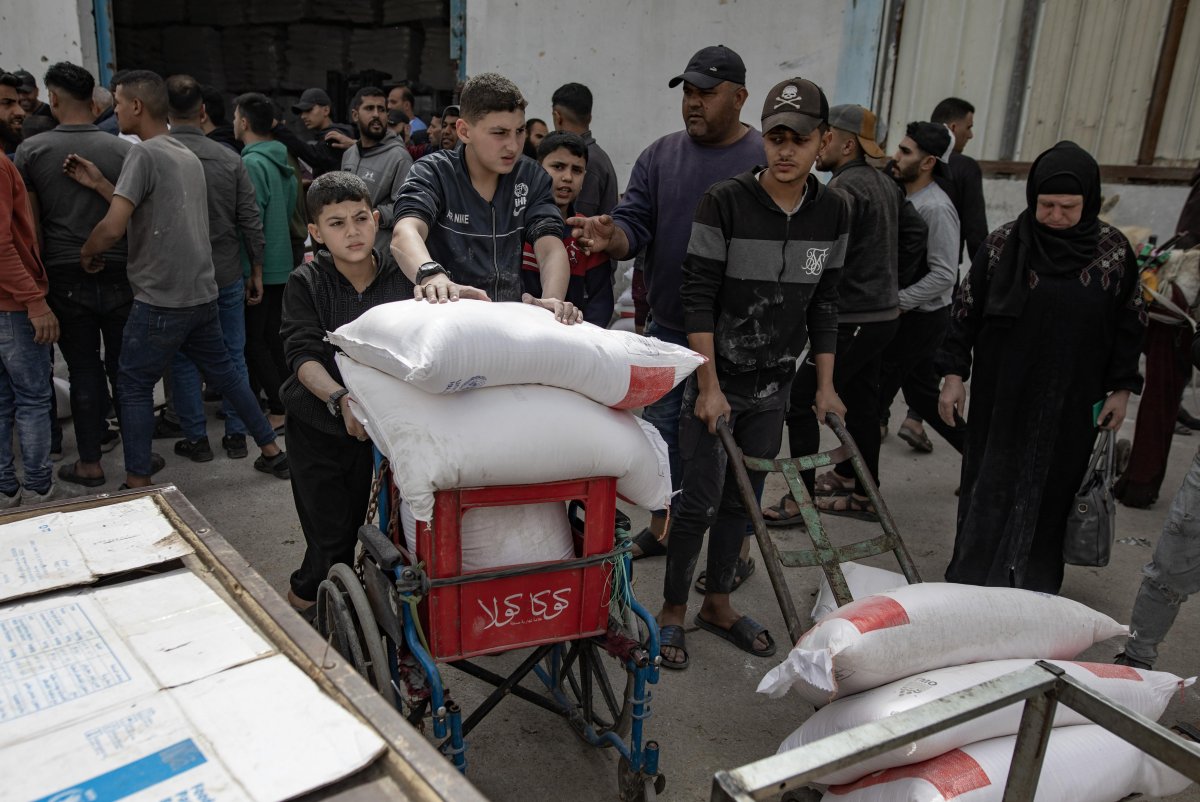
The hantavirus outbreak, and the mpox epidemic before it, highlight how the United States faces a variety of threats that originate overseas. It also underscores how military tools alone cannot protect Americans from such challenges, whether infectious disease outbreaks or destabilizing intra-state conflicts that generate mass migration, as in Haiti, or complicate access to critical sea lanes, as with Sudan and the Red Sea.We could increase the U.S. military budget tenfold, but no number of precision military strikes can neutralize deadly microbes, suppress terrorist recruitment, or stabilize important regions affected by conflict. We need non-military tools, such as international assistance, to mitigate these threats. This is not “soft” power but the smart use of non-military tools to insulate the American people from serious dangers.
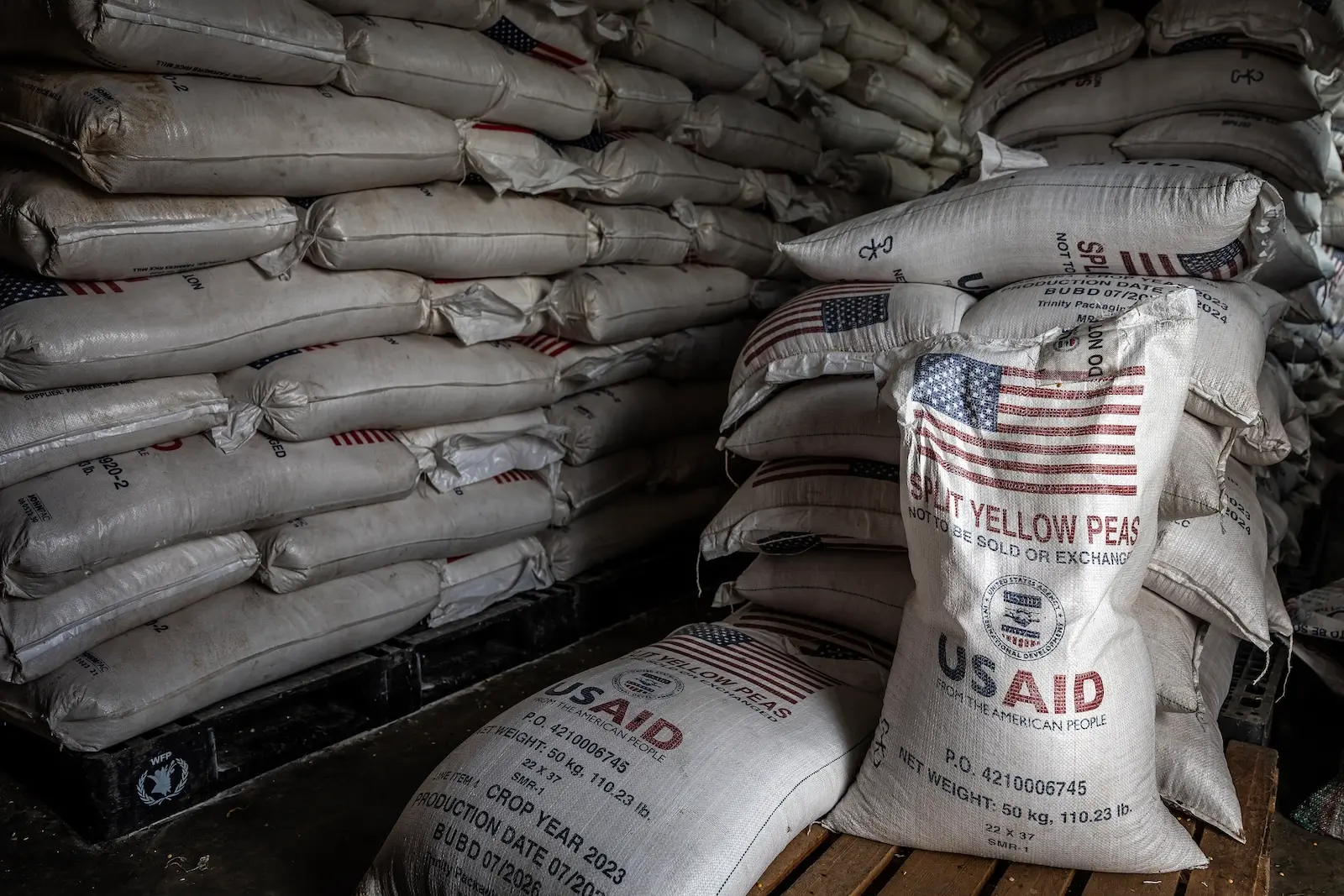
But in the past year, governments across the world — including the U.S. — have significantly reduced support for foreign aid. These cuts risk both immediate and long-term global consequences that are counterproductive to U.S. priorities abroad. Cutting international assistance undermines U.S. strength, security, and prosperity by disrupting proven and effective efforts that deliver returns on U.S. taxpayer dollars. We should be making strategic, forward-looking investments that help insulate the U.S. from threats that do not respond to kinetic means alone.