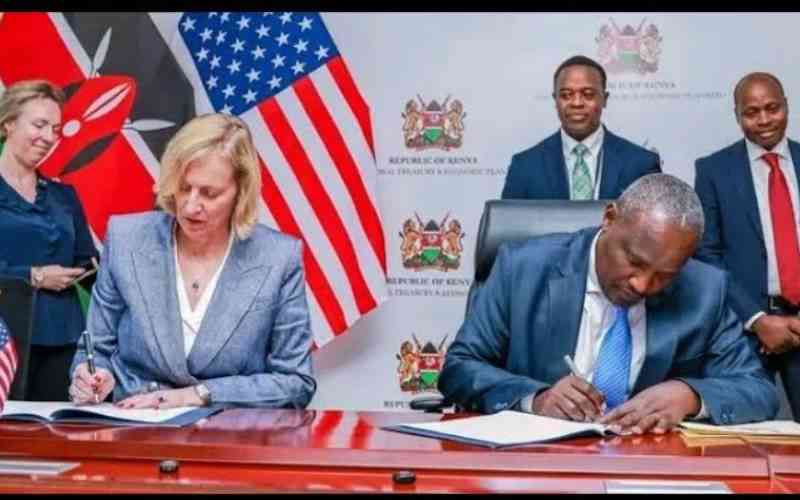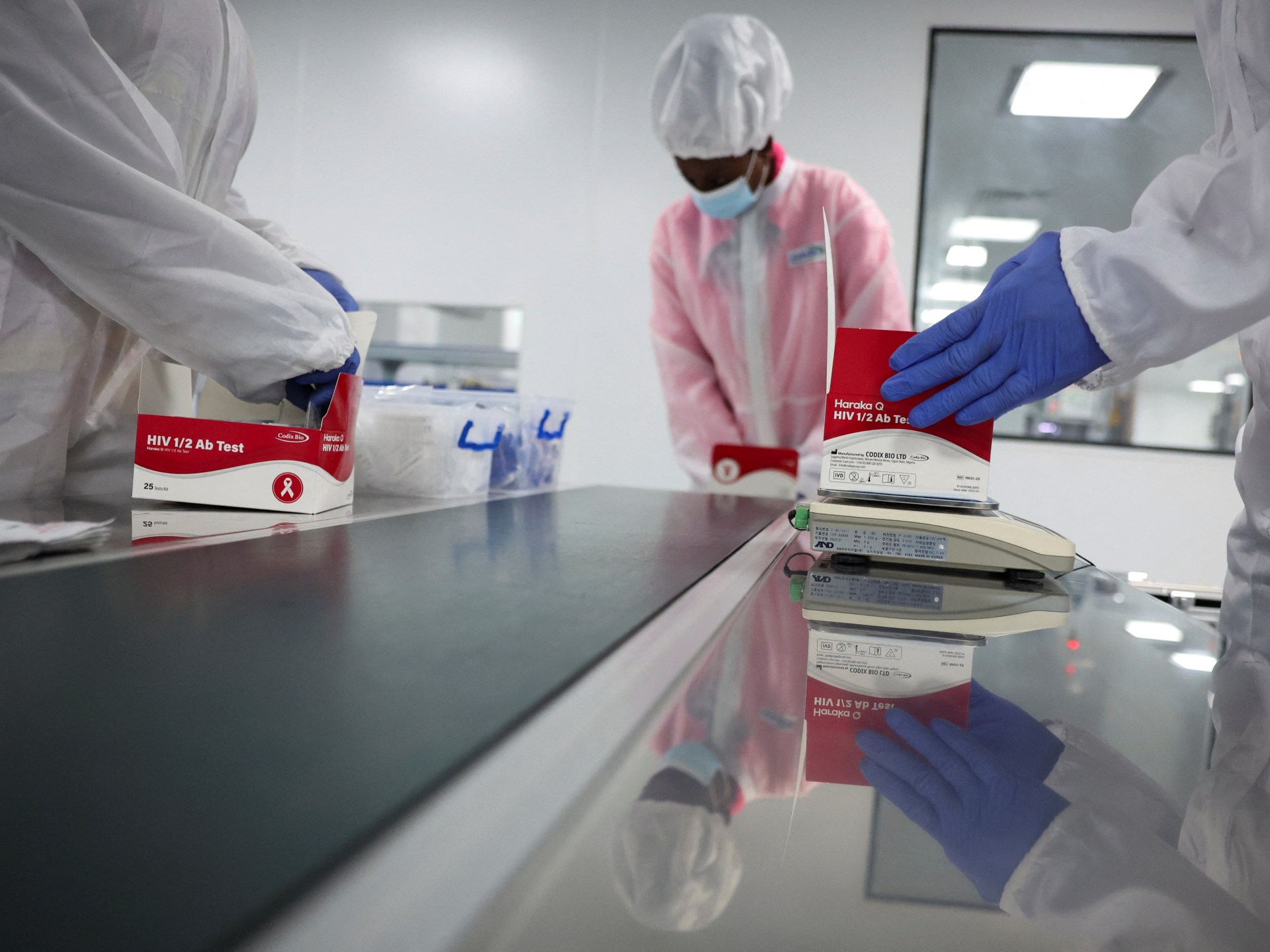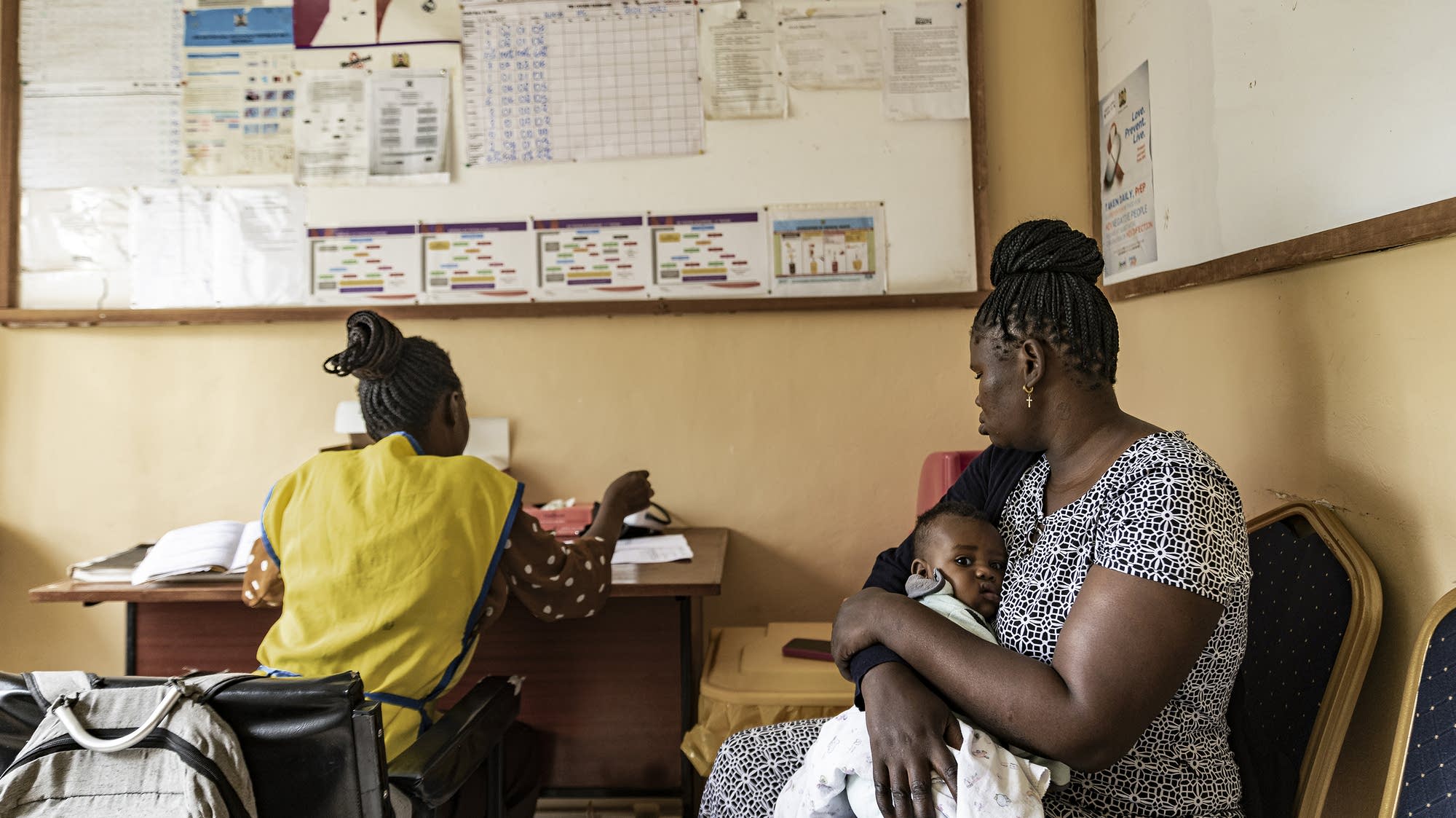
The way U.S. aid is distributed to countries around the world has changed significantly since the beginning of President Donald Trump's second term. It was formally largely distributed through USAID with relatively few strings attached.Now, under a series of new agreements, access to a country's sensitive health data can unlock funding that many nations desperately need. And as a result, the health data of millions of people across numerous African countries is now being shared with the U.S. government. To discuss what these agreements mean, Marketplace Morning Report host Kimberly Adams spoke with Sharon Lerner and Anna Maria Barry-Jester, the ProPublica reporters behind the recent investigation titled "Digital Colonialism": U.S. Demands to Access Africans' Data Raise Privacy, Sovereignty Concerns. The following is an edited transcript of their conversation.Kimberly Adams: Can you tell me about these deals and how you discovered them?Anna Maria Barry-Jester: So last year, the Trump administration dismantled USAID, which was the largest provider of foreign aid in the world, and it was the primary mechanism through which the U.S. gave aid to other countries. And in September, they announced that they were doing something new in its place — this thing called the America First Global Health Strategy — and that as part of that, they would be signing agreements with individual countries to provide the aid that they previously provided, usually through NGOs and nonprofits. The agreements have been largely kept secret; the U.S. has refused to release them publicly. We were able to see a handful of the agreements with the countries, and also these sort of other agreements that go with them. So there's a data-sharing agreement and a specimen-sharing agreement with a lot of countries.Kimberly Adams: What kind of data are we talking about?Anna Maria Barry-Jester: We were able to see the data agreement with Uganda, and one of the things that several data privacy experts told us was fairly shocking to them is that it requires access to the United States. It gives direct logins to the nation's healthcare systems, like their data systems. So we're talking about, you know, medical records, lab data, data collected by community health workers, and the agreements call for that data to be de-identified, meaning you know, masking who exactly the data belongs to, but there are problems with that.Kimberly Adams: Sharon, why are these agreements raising the alarm in some of these countries?Sharon Lerner: The people we spoke with in Africa and people who are experts in digital privacy around the world have said that the agreements leave Africans vulnerable to breaches and other misuses of their information. So there's a lot of concern about the potential for accessing this information inappropriately. Kimberly Adams: Why does the United States want this data so much?Sharon Lerner: The State Department has told us that they need the data to provide care and to fulfill their obligations. The State Department has openly said that it intends, through these agreements and through its new America First approach, to make the U.S. more prosperous and to promote American health innovations. So we know that they are bringing in private companies to a degree that they have never before. We know that some of the companies will be employing AI and other new technologies, and may need and use the data in ways that we don't quite understand yet.Kimberly Adams: It's hard not to read your reporting and think that we've almost created a new global currency of this health data, especially given how valuable mass troves of data like this are in the world of AI. Somebody's making money off of this.Sharon Lerner: I think that someone will. Many companies will make money off it. We just don't quite know who yet and how much.Kimberly Adams: This is all happening with the dismantling of USAID, and a lot of countries were left with a big hole in their budgets to fight diseases like HIV, malaria, Ebola. There's an Ebola outbreak right now that's hit parts of West and Central Africa. How are these agreements playing into what's happening on the ground in terms of healthcare on the continent?Anna Maria Barry-Jester: The agreements include a lot of money in most of these countries. So, in the case of Uganda, for example, it's about $1.7 billion over five years. But it's a huge decline from what the U.S. spent there before the new administration came into office. By the end of this agreement, it'll be about half of what the U.S. previously spent. One of the other things these agreements does is that it requires countries to spend more money on their healthcare systems, but many experts told us that the amounts that these countries are being required to include is probably unrealistic for many countries. So they were concerned that they would not be able to meet the amounts that they agreed to, and the question is, does the U.S. then pull its support as well?Kimberly Adams: And what are the consequences of that?Sharon Lerner: Well, this is life-saving aid. We're talking about money for diseases that kill millions of people: HIV, malaria, TB.Kimberly Adams: Anna Maria, you wanted to add something.Anna Maria Barry-Jester: One thing that really struck us is Kenya was the first country to sign an agreement, and there was a huge uproar there. There were court cases, and the courts put the agreement on hold. But the Kenyan government argued that it is obligated to provide the highest attainable standard of health, and that it needs U.S. funding to do that. And so the courts allowed the agreement to continue while the case winds its way through court.Kimberly Adams: I mean, the goal of the administration here is to rebuild some kind of health network, even if USAID has gone away and the United States has pulled out of the World Health Organization. All of these other things, how effective is this collection of deals compared to the infrastructure we had before.Sharon Lerner: There are about 30 deals now with countries, and that is not all the countries. You have this spotty patchwork. So when you look at the Ebola outbreak, which is now really surging in the Democratic Republic of Congo, five of the nine countries that border the Democratic Republic of Congo don't have healthcare agreements with us. So it just makes it really difficult when you're trying to do something like outbreak control that used to be done in a more global and universal way.
The new currency of global health aid: data
As the U.S. reshapes its foreign assistance strategy, countries receiving health funding are sharing access to medical information.
1,081 words~5 min read