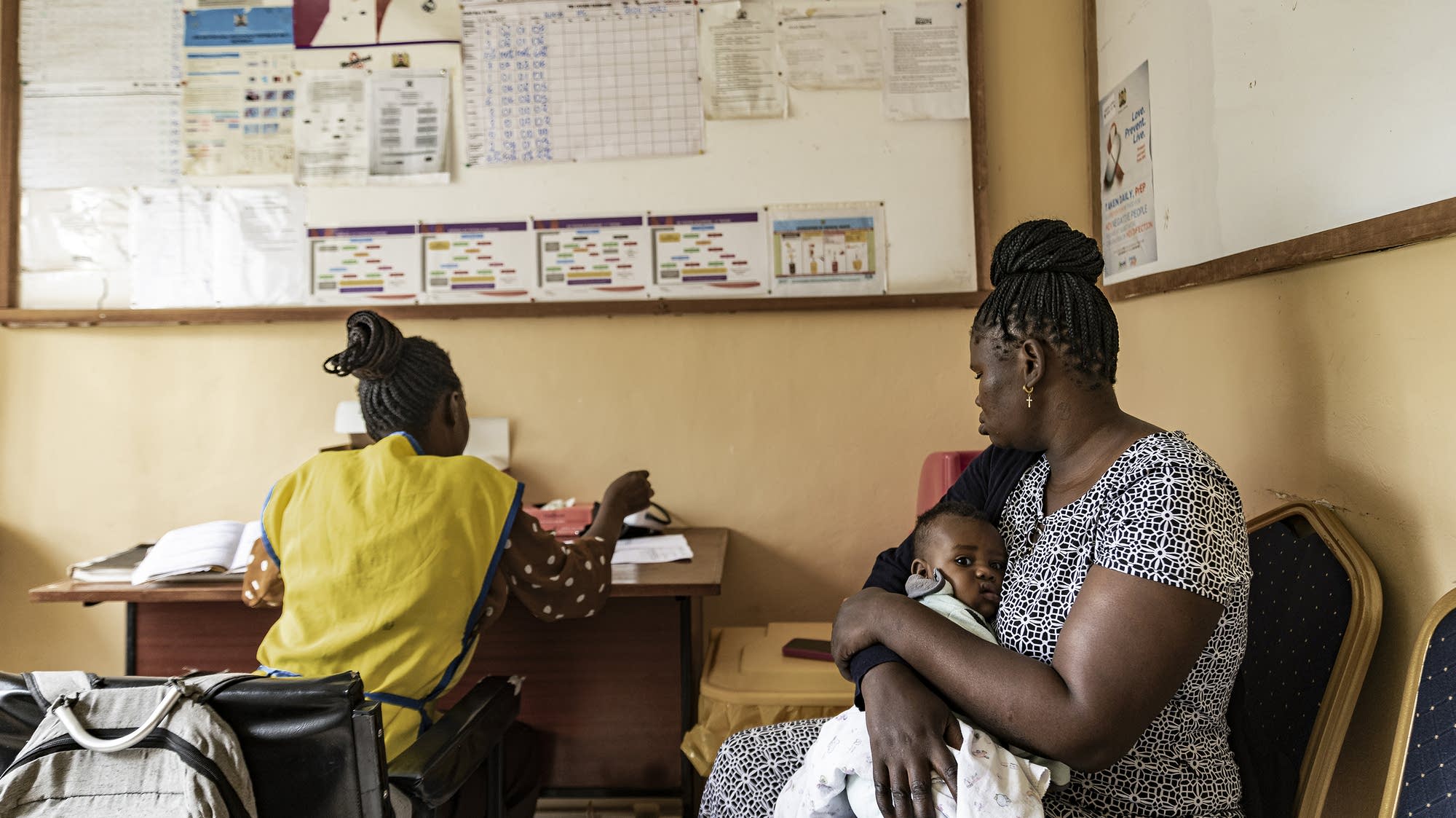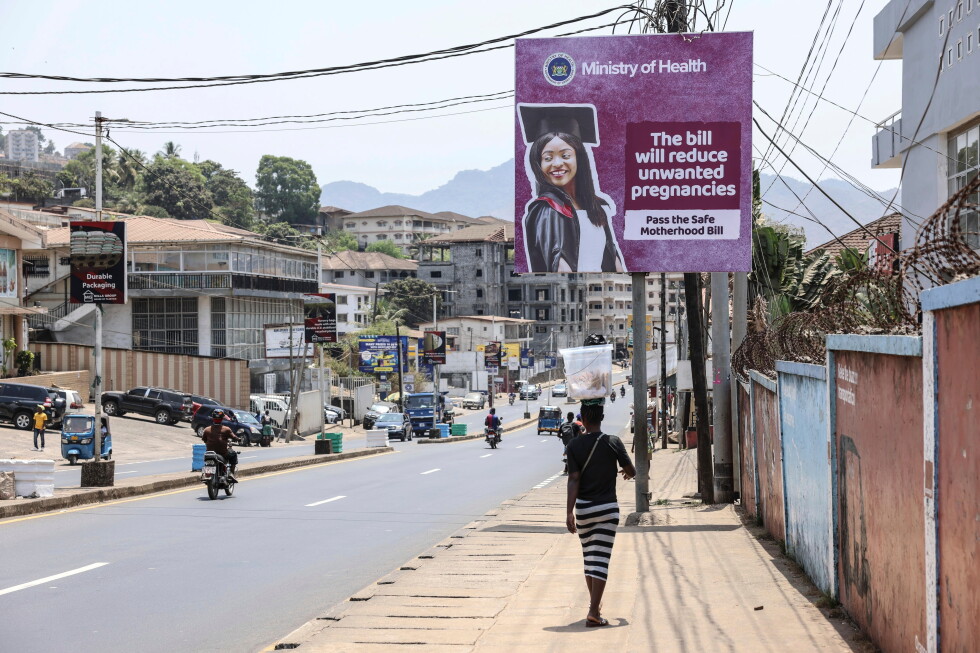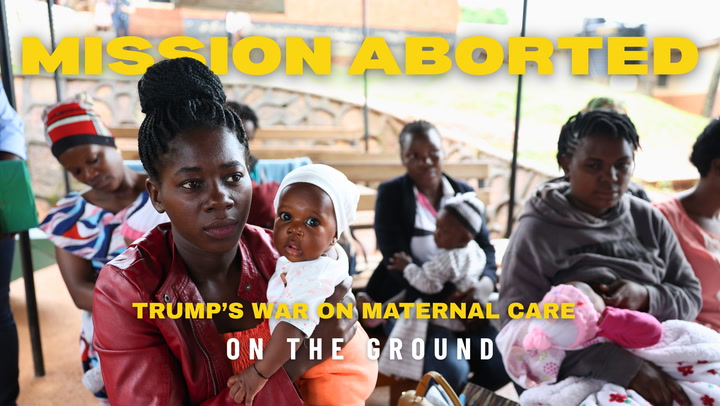
As the Trump administration rolls out bilateral health partnerships with dozens of countries under its America First Global Health Strategy, it is doing more than restructuring foreign assistance. It is replacing a decades-old model that too often exported ideology instead of improving health.When a mother survives childbirth in rural Uganda, the ripple effects reach far beyond the delivery room. Her children are more likely to stay in school. Her family is more likely to thrive. Her community grows stronger. Health is not a boutique issue. It is the foundation on which strong families and, ultimately, strong nations are built.That truth should be uncontroversial. Yet for decades, much of the global health establishment treated health assistance as leverage rather than partnership. Too often, aid arrived with ideological conditions attached: embrace our preferred social policies or risk losing support. Countries that simply wanted safer deliveries, stronger clinics, and healthier children found themselves pressured to adopt agendas that had little to do with improving health.
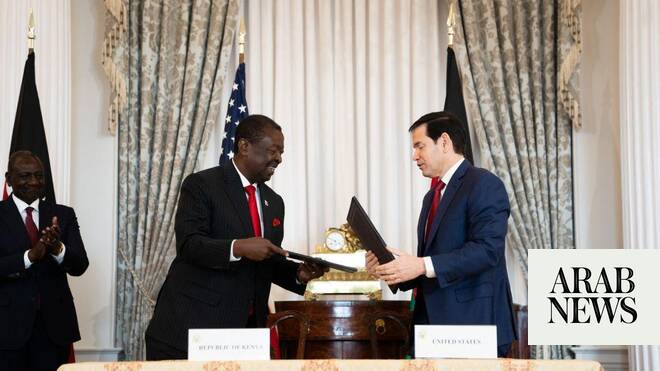
You cannot claim to champion women’s health while making it conditional on political conformity.Under the America First Global Health Strategy, the United States has signed bilateral health agreements with more than 30 nations, representing more than $23 billion in shared commitments through 2030. Partner governments are pledging to shoulder an increasing share of the investment before ultimately assuming full ownership themselves. Critics question whether developing nations can meet those benchmarks. They are asking the wrong question. Nations rise to expectations rooted in respect. What they resist are conditions rooted in ideology.I know because I have spent years listening to them. In 2020, President Donald Trump launched the Geneva Consensus Declaration, a coalition of sovereign nations committed to four shared principles: better health for women, strengthening the family, protecting life, and defending national sovereignty in policymaking. I had the honor of building that coalition as U.S. special representative for global women’s health.Many predicted the declaration would collapse under international pressure. Instead, it grew from six nations to 41 across Africa, Latin America, the Middle East, Europe, and Asia because it asked countries to uphold commitments they already believed in rather than abandon them.Those nations did not want another declaration. They wanted authentic partnership.That is why the Institute for Women’s Health launched the Protego Global Initiative, translating the declaration’s principles into action through four pillars: health, education, legal support, and diplomacy. In Uganda, where the State Department is prioritizing faith- and community-based health systems, we are working alongside government ministries and local partners to improve health literacy and women’s health across every stage of life. In Guatemala, this model has already taken root. The country sets the priorities, and we help build the capacity to achieve them.The results-first approach is straightforward. The leading cause of maternal death worldwide is hemorrhage. Too often, one of the greatest barriers to reducing those deaths has not been a lack of medical knowledge but the politicization of foreign aid. A woman hemorrhaging after childbirth needs skilled attendants, reliable blood supplies, and functioning referral systems. She does not need someone else’s politics. Every dollar diverted from lifesaving care to ideological advocacy is a dollar that fails her.Sovereignty is not an obstacle to better health. It is one of its greatest strengths. When governments own their priorities and partners help build lasting capacity, improvements continue long after outside assistance ends. When foreign donors bypass governments to bankroll activist organizations pressuring those same governments, they create dependence, resentment, and distrust. Programs that work within a nation’s culture and institutions consistently outperform those that work against them because communities sustain what they own and quietly abandon what is imposed.The same principle applies to families. The family is the first health system any of us will ever know. It is where nutrition, safety, caregiving, and resilience begin. Policies that strengthen families multiply the impact of every clinic and every health worker. Policies that weaken families undermine the very health outcomes they claim to improve. Every woman, every child, and every family possesses inherent dignity, and health partnerships should reflect that conviction.OPINION: THE DECEPTIVE ADVERTISEMENTS MASKING DRUG DANGERSForty-one nations have already demonstrated what a coalition built on mutual respect can accomplish. Now dozens of nations have embraced a model of American assistance that treats them as partners rather than projects. More will follow because the proposition is compelling: partnership without paternalism, assistance without ideological strings, and success measured in healthier people rather than political agendas.For too long, global health became a vehicle for exporting political priorities. America’s new bilateral strategy with nations restores its original purpose: helping people live healthier lives while respecting the nations and the families that call it home. That is not just better diplomacy. It is better health.Valerie Huber is the founder, president, and CEO of the Institute for Women’s Health and served as U.S. special representative for global women’s health during the first Trump administration.