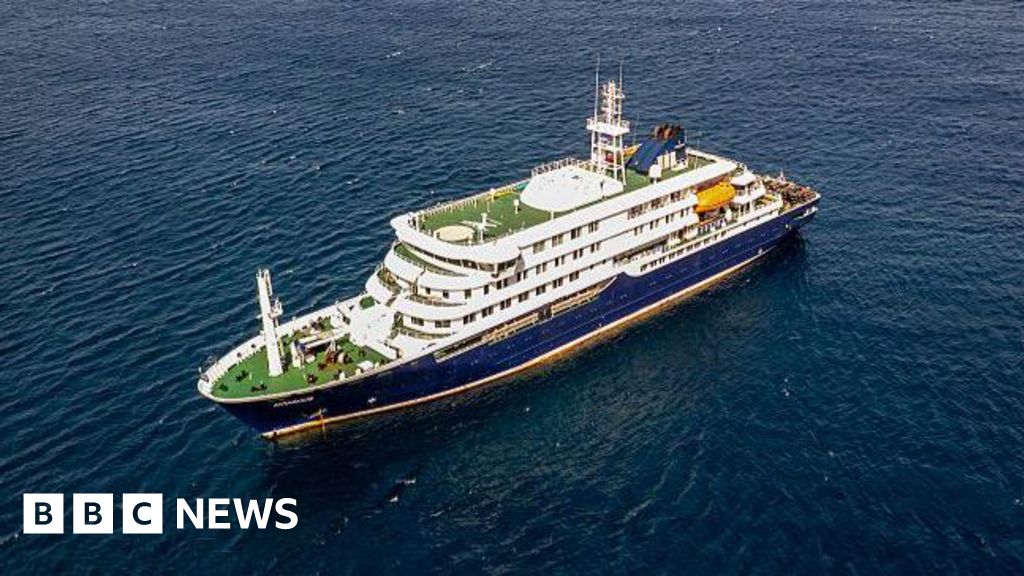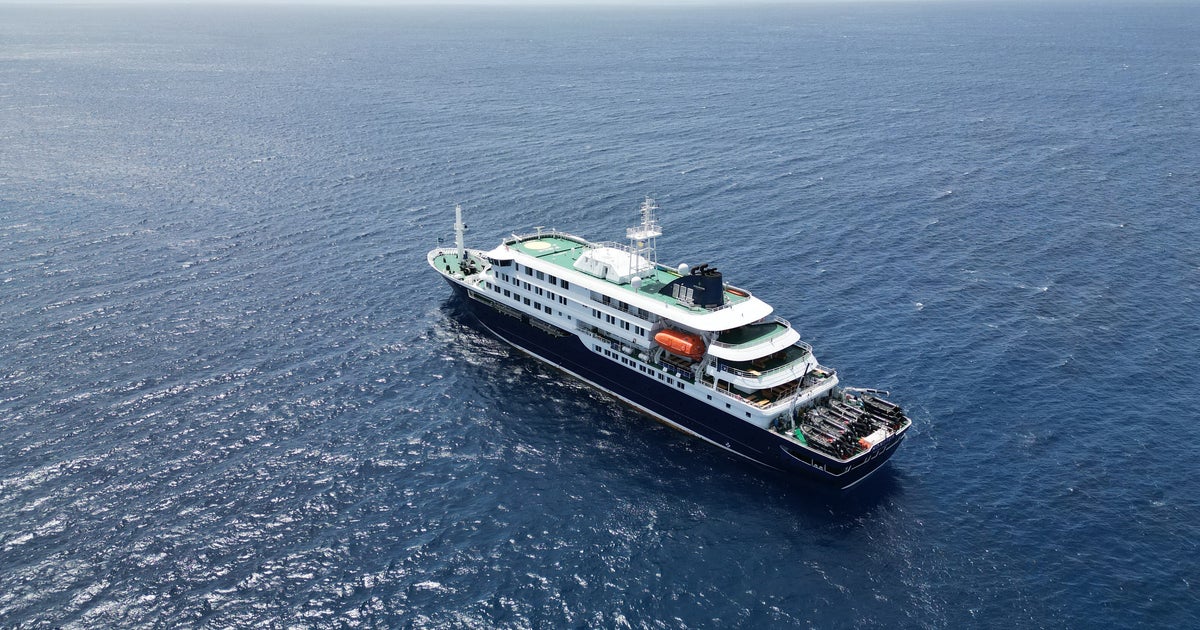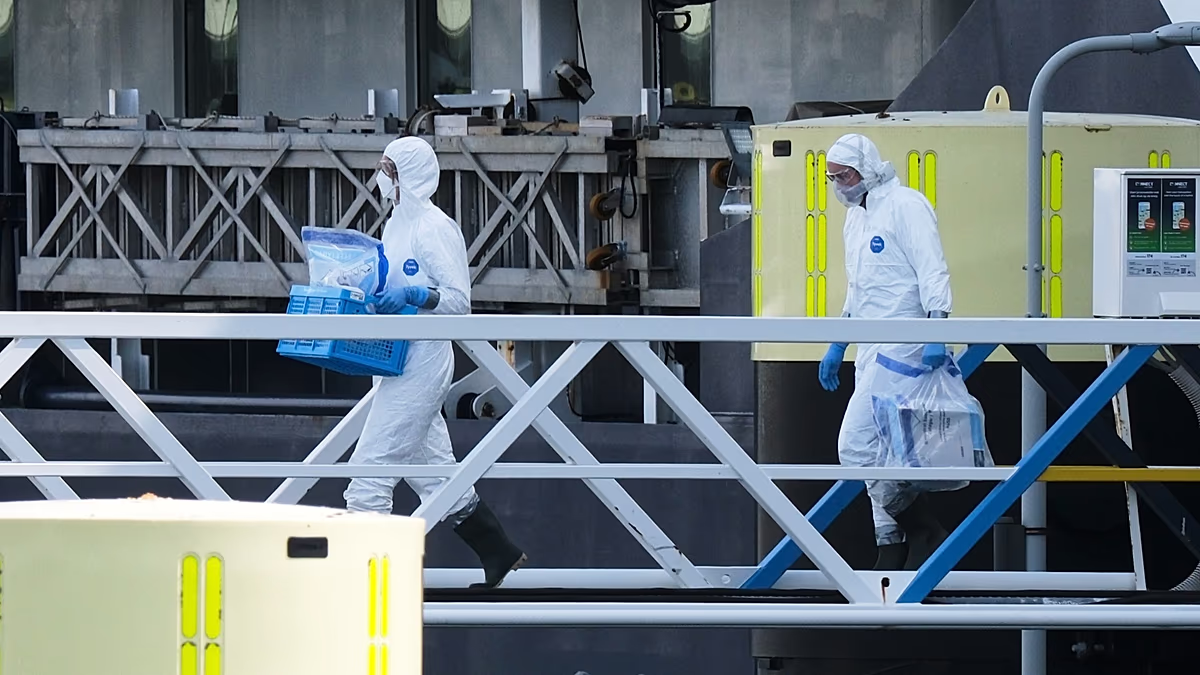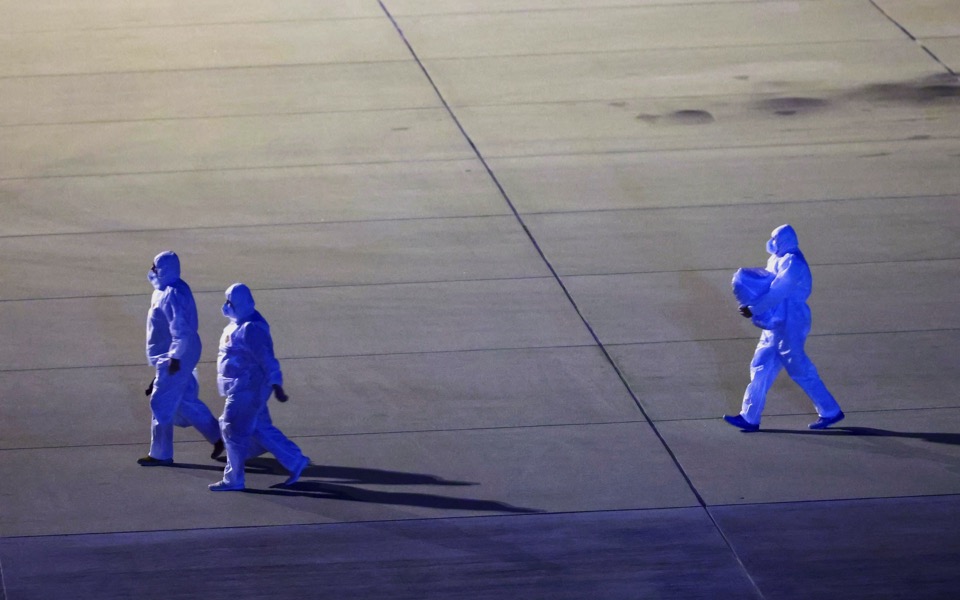
As the epidemiological profile and transmission chain of the hantavirus cases aboard the cruise ship are being studied more systematically, the scientific community’s initial concern about the possibility of broader transmission is gradually subsiding. This is what George Pavlakis tells Kathimerini. Pavlakis is an internationally recognized Greek scientist and US-based researcher specializing in molecular biology, virology, and immunology, widely regarded as a pioneer in DNA vaccine technology, HIV research, and the development of innovative immunotherapies.
Dr Pavlakis, who is currently serving as a visiting professor at Emory University in Atlanta – where two of the American passengers from the cruise ship were transferred for quarantine and medical monitoring – says that “the clearer the epidemiological picture becomes, the more confident the scientific community is that this incident will not lead to broader epidemiological consequences” before explaining the scientific basis for that assessment.
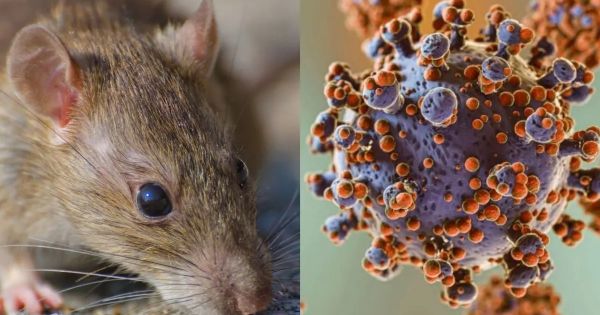
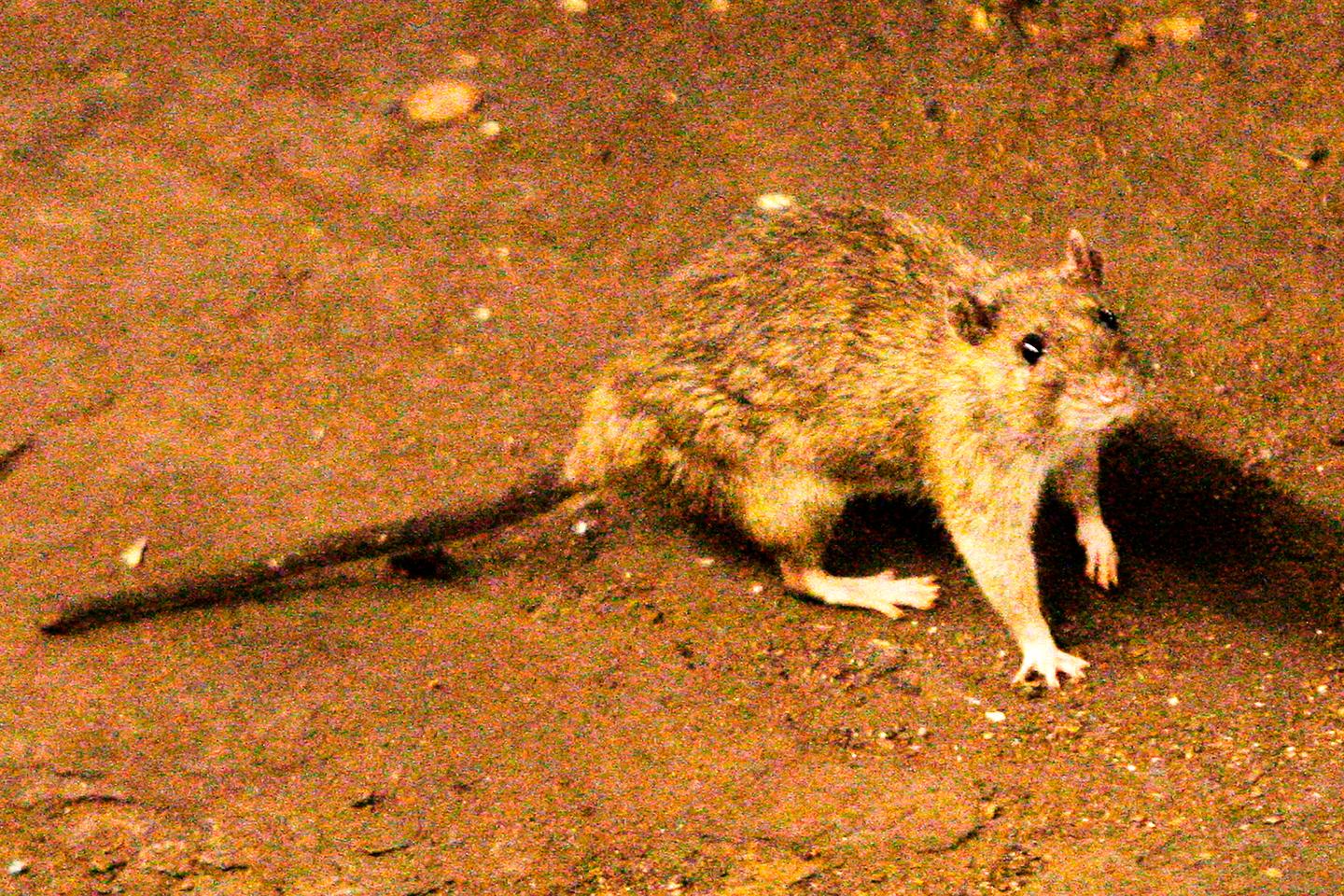
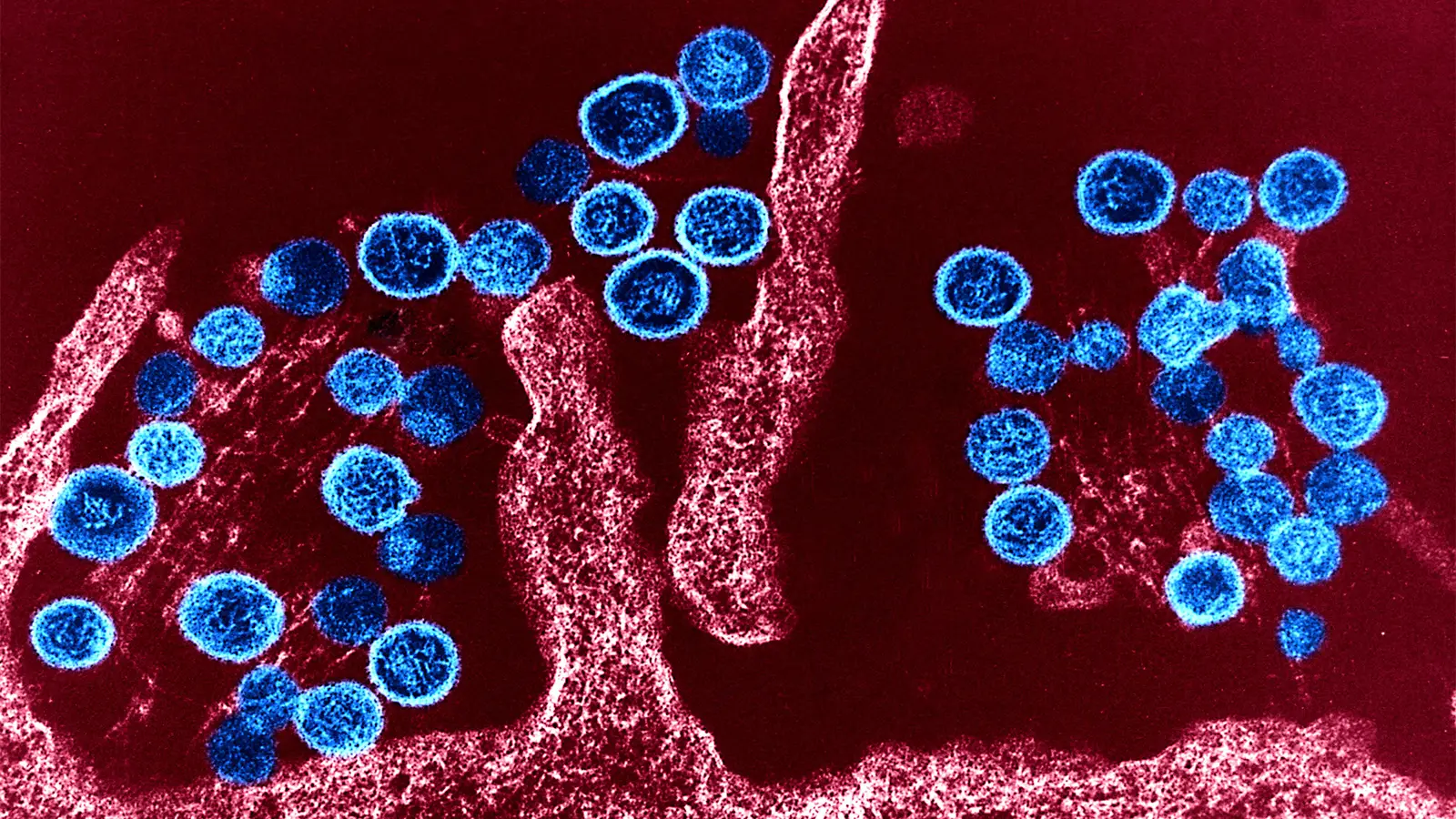
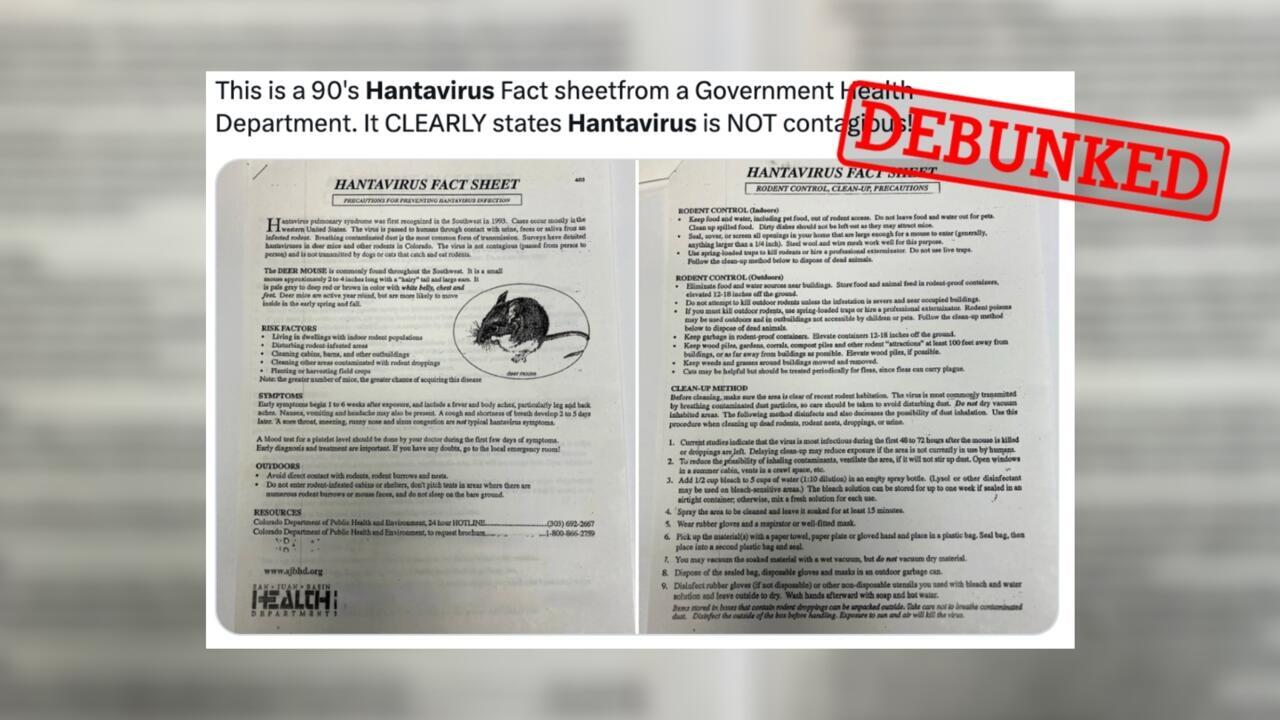
“Hantavirus has been known for decades and has been extensively studied, so we generally understand its properties and capabilities. It is endemic in rodents and is transmitted to humans primarily through rodent excreta or contaminated dust. Dust containing rodent droppings is a classic route of transmission to humans. In other words, it is a form of airborne transmission through aerosolized viral particles,” he explains, adding that most forms of the virus are not transmitted from person to person.