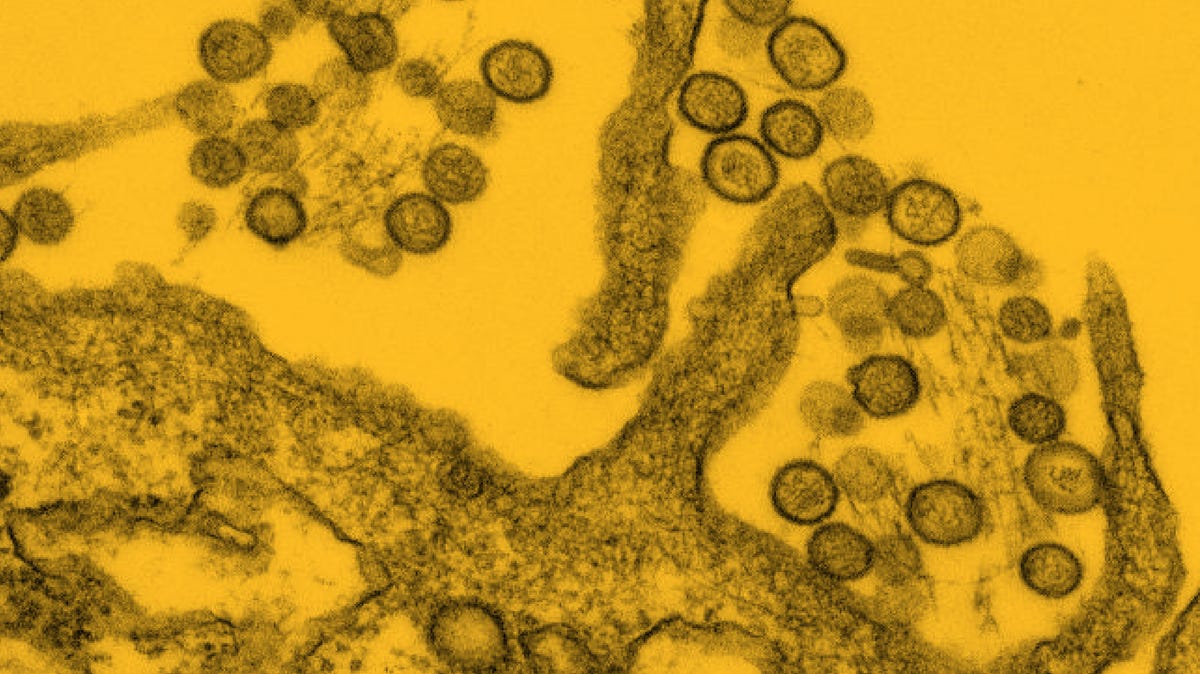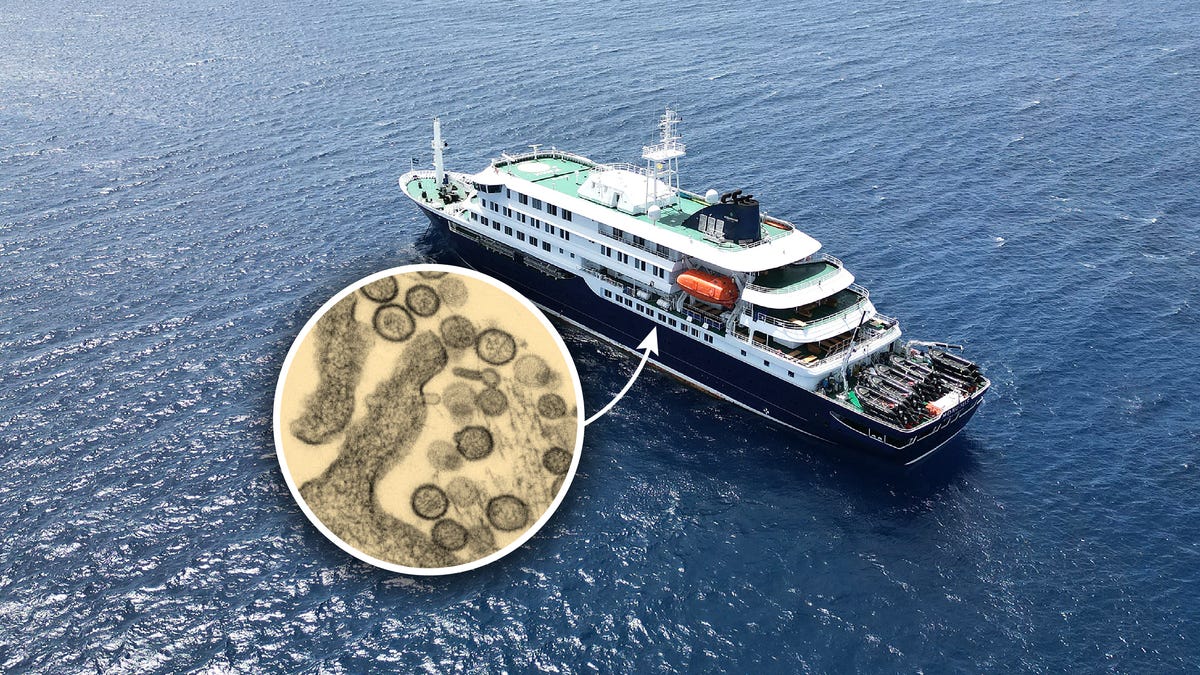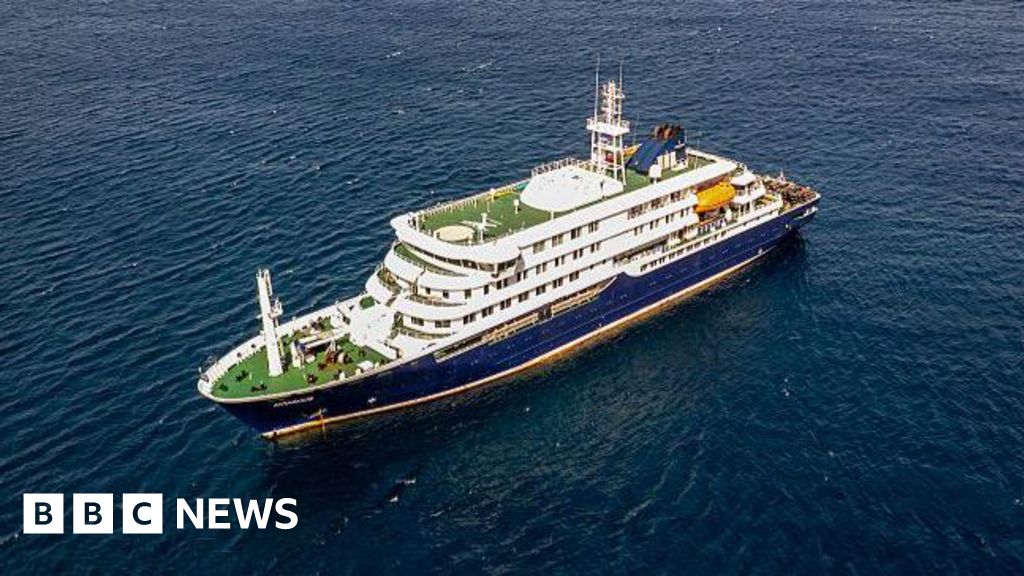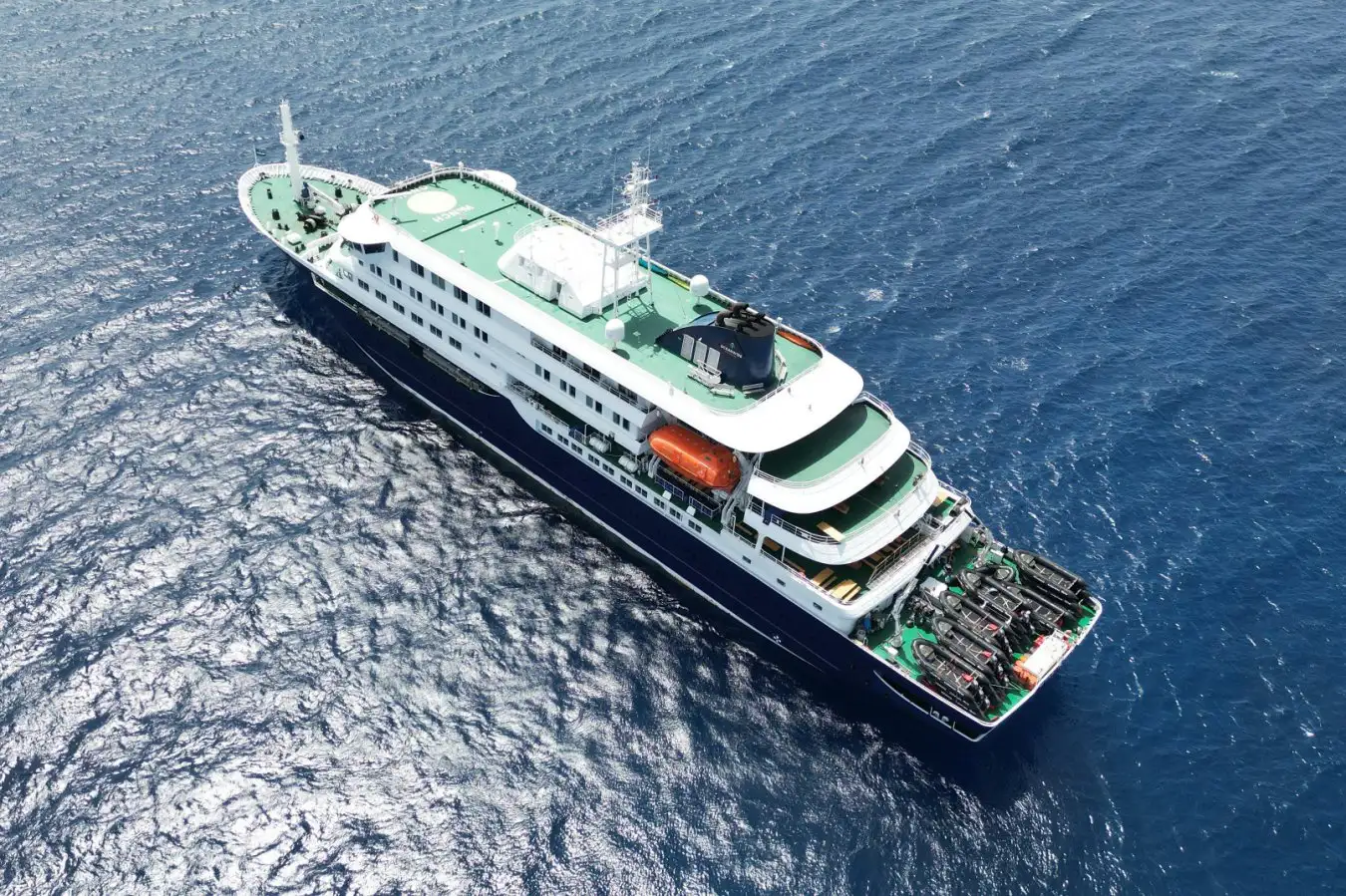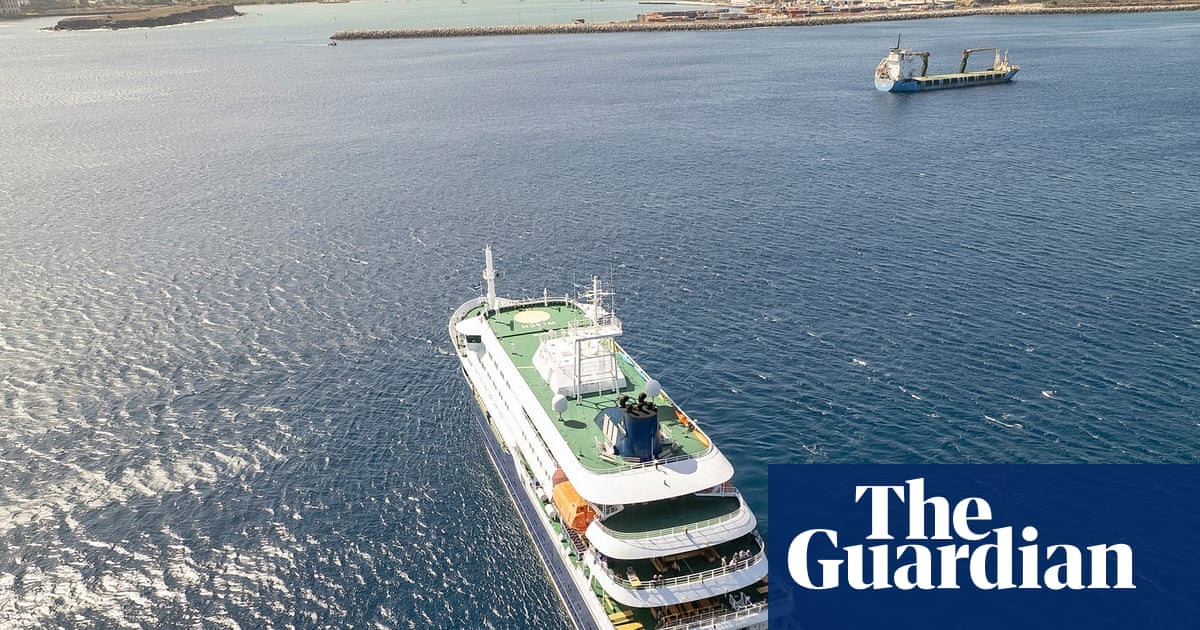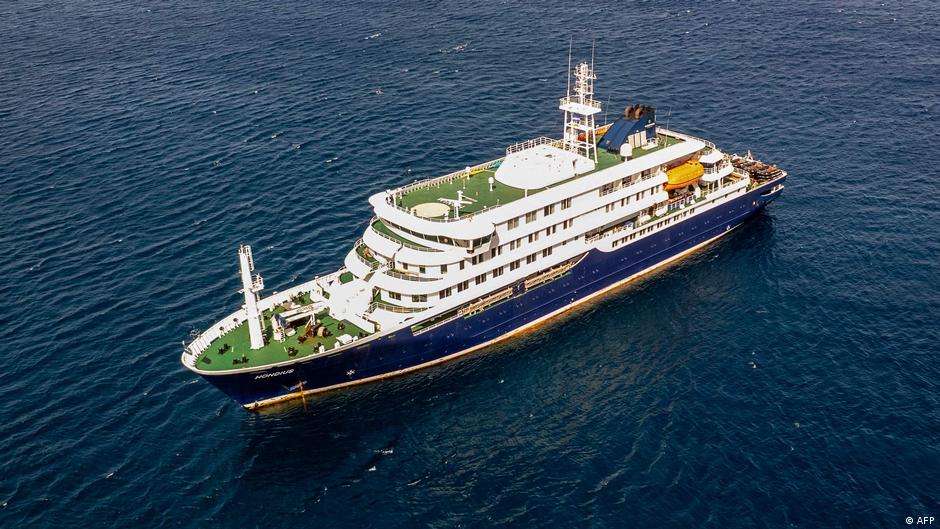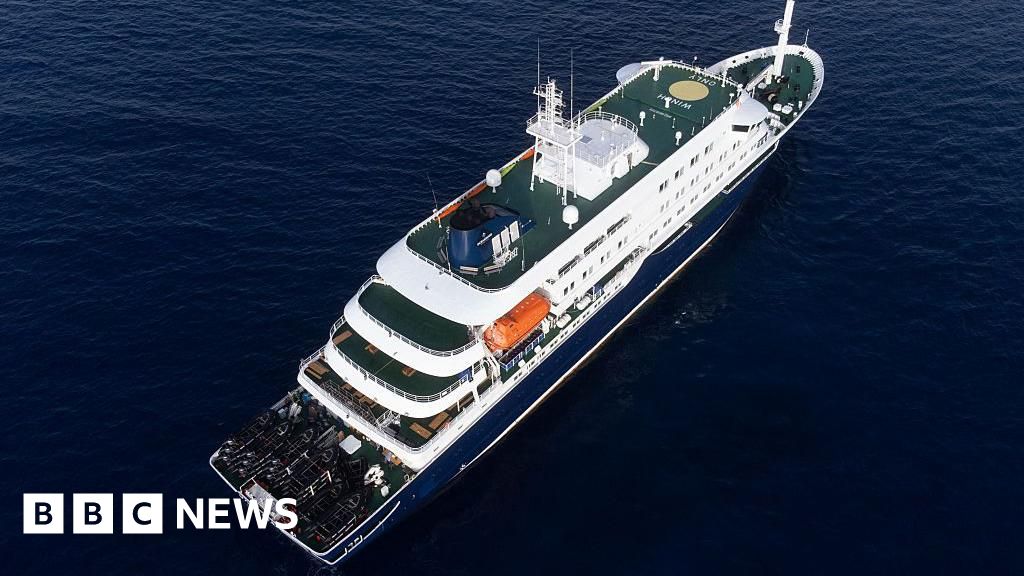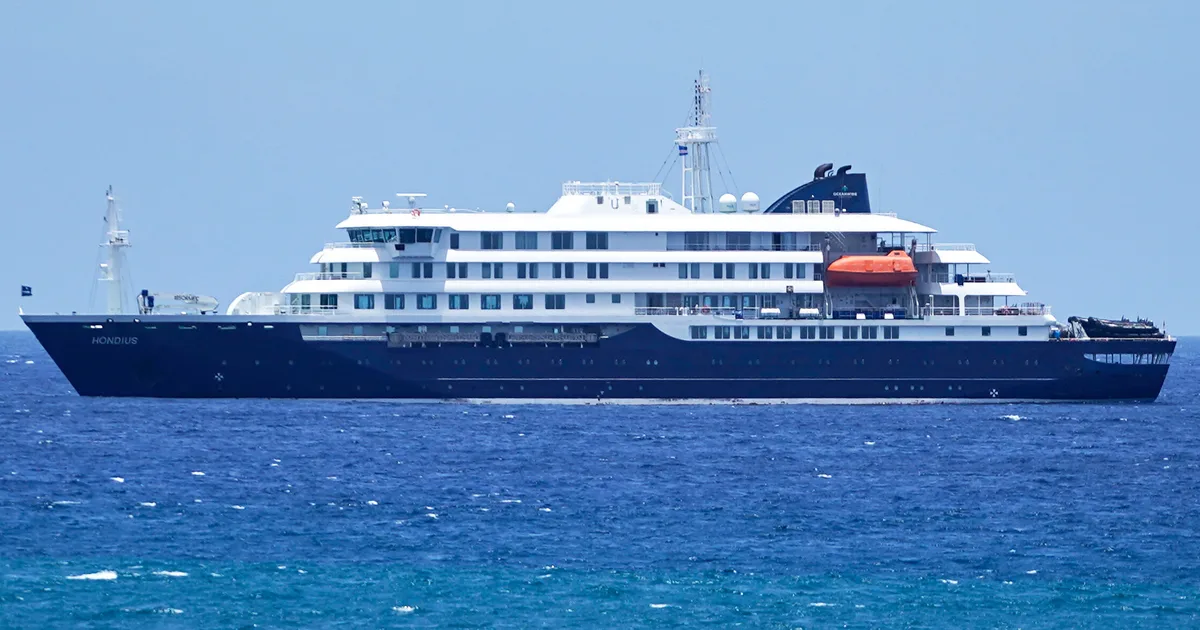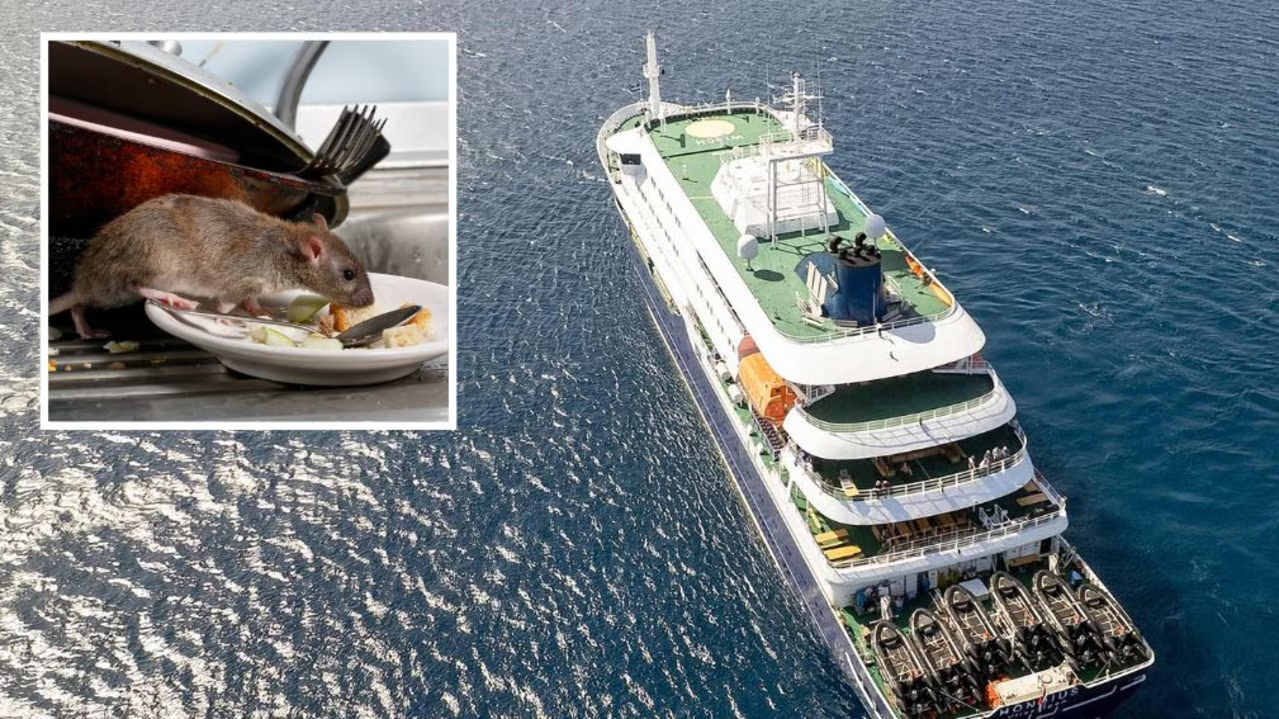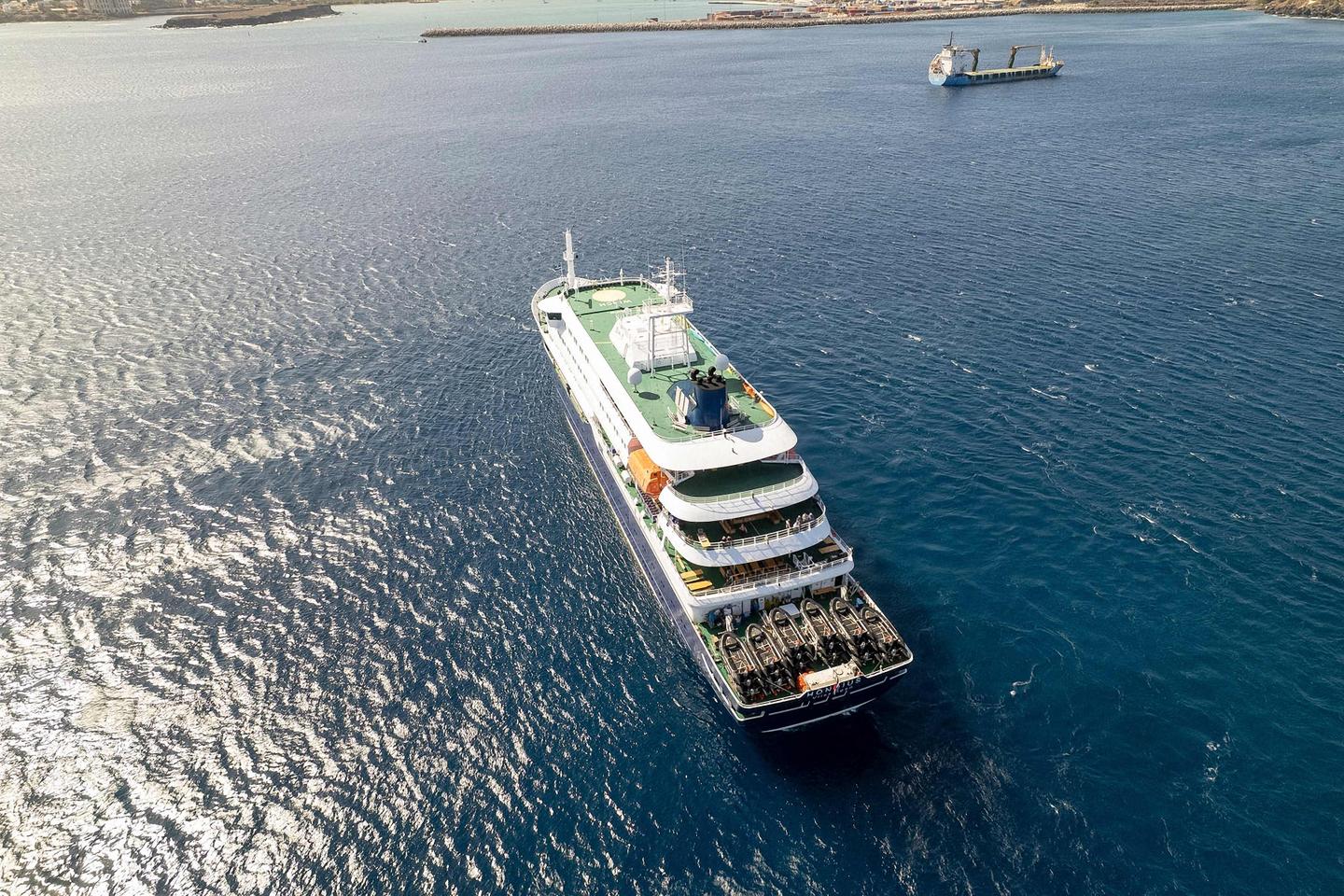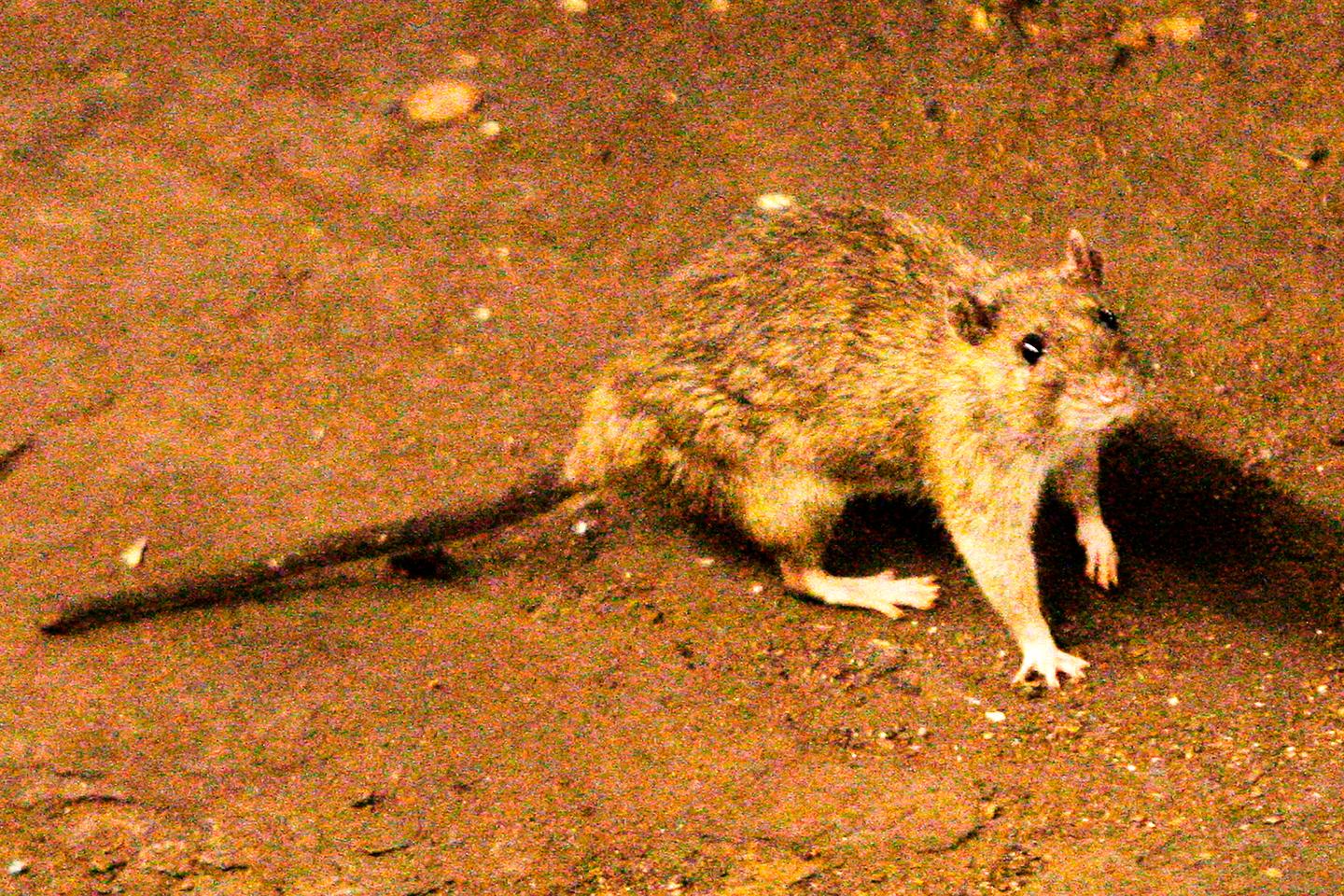
Hantavirus, the disease which has caused a deadly outbreak on a cruise ship in the southern Atlantic, circulates in rodents and can be deadly when transmitted to humans. Dutch cruise operator Oceanwide Expeditions confirmed on Monday, May 4, that it was dealing with "a serious medical situation" on board the MV Hondius, traveling from Argentina to Cape Verde.
While three people have died on the ship, hantavirus presents a low risk to the public, the head of the World Health Organization Europe said on Monday. "The risk to the wider public remains low. There is no need for panic or travel restrictions," Hans Kluge said in a statement, adding that hantavirus infections were "uncommon and usually linked to exposure to infected rodents."
Hantaviruses are among the pathogens that can cause respiratory and cardiac distress, as well as hemorrhagic fevers. There are no vaccines or specific medications to combat them, meaning treatment consists only of attempting to relieve the symptoms.
Named after the South Korean Hantan River
There are many types of hantavirus, which vary in their geographical spread and their pathologies, according to Switzerland's FOPH health ministry. "Human-to-human transmission has only been observed with one single virus type, which is extremely rare," it says. Hantaviruses are found on every continent.