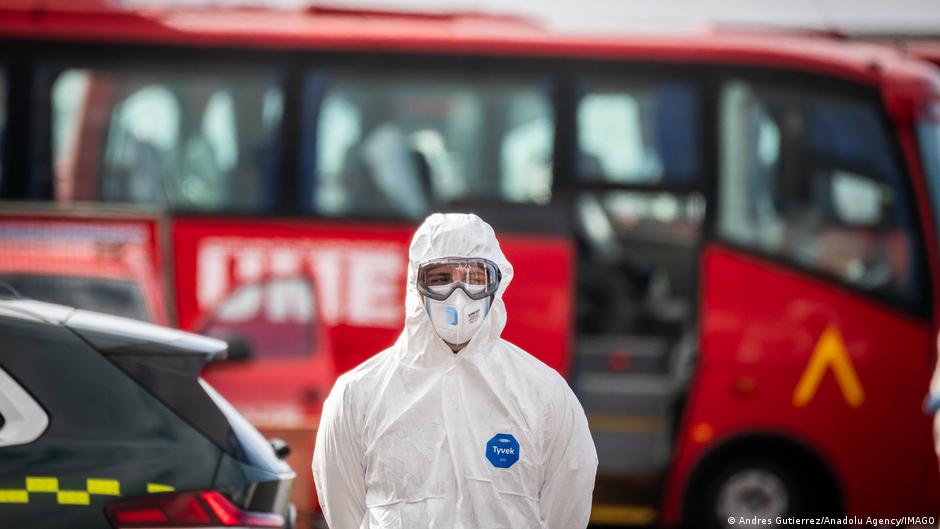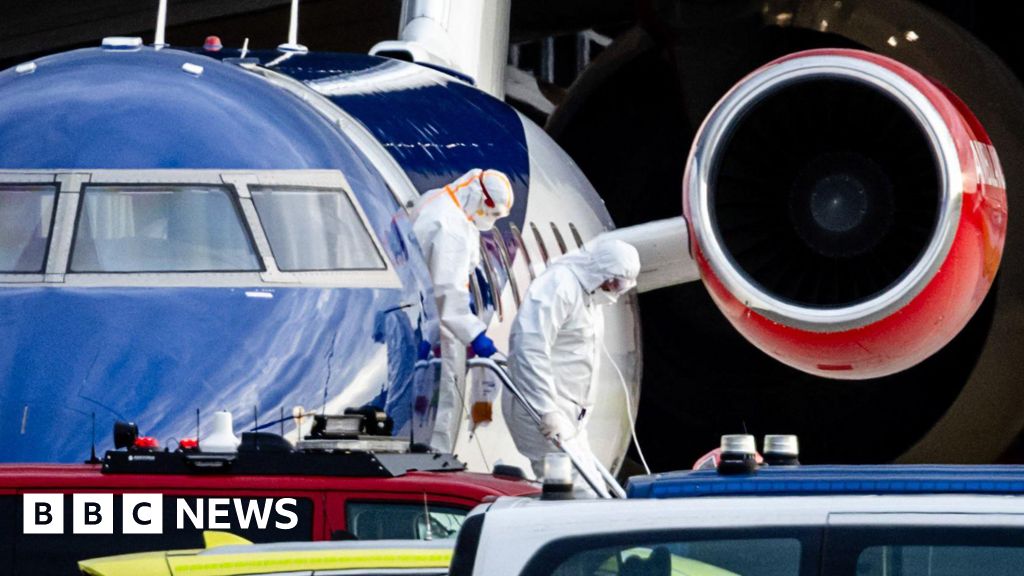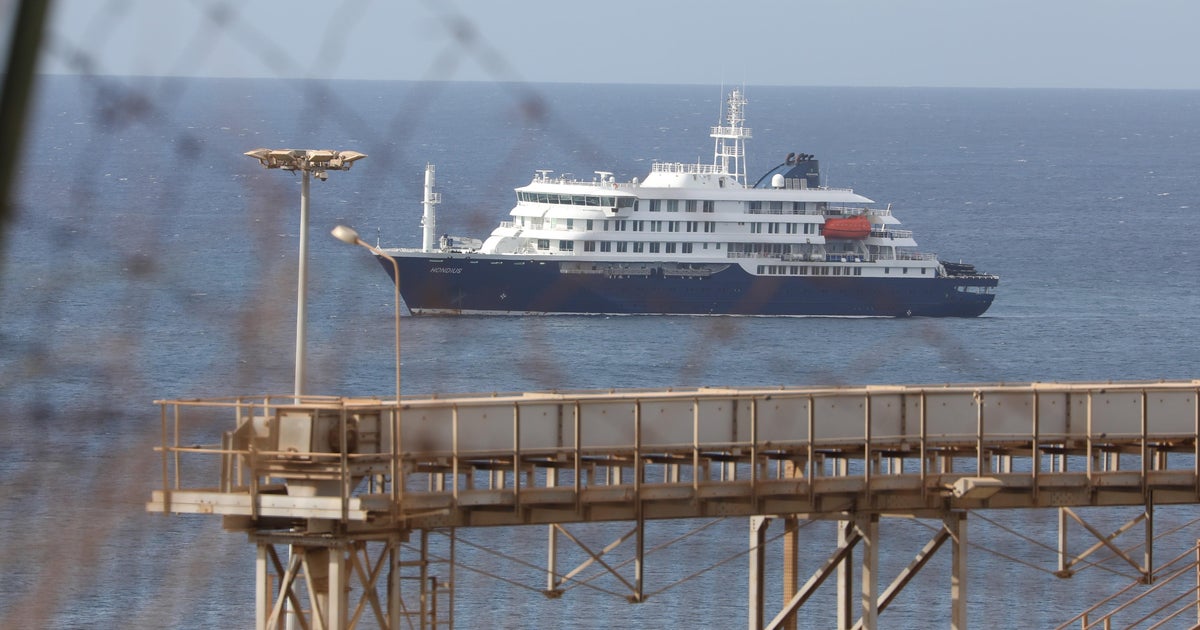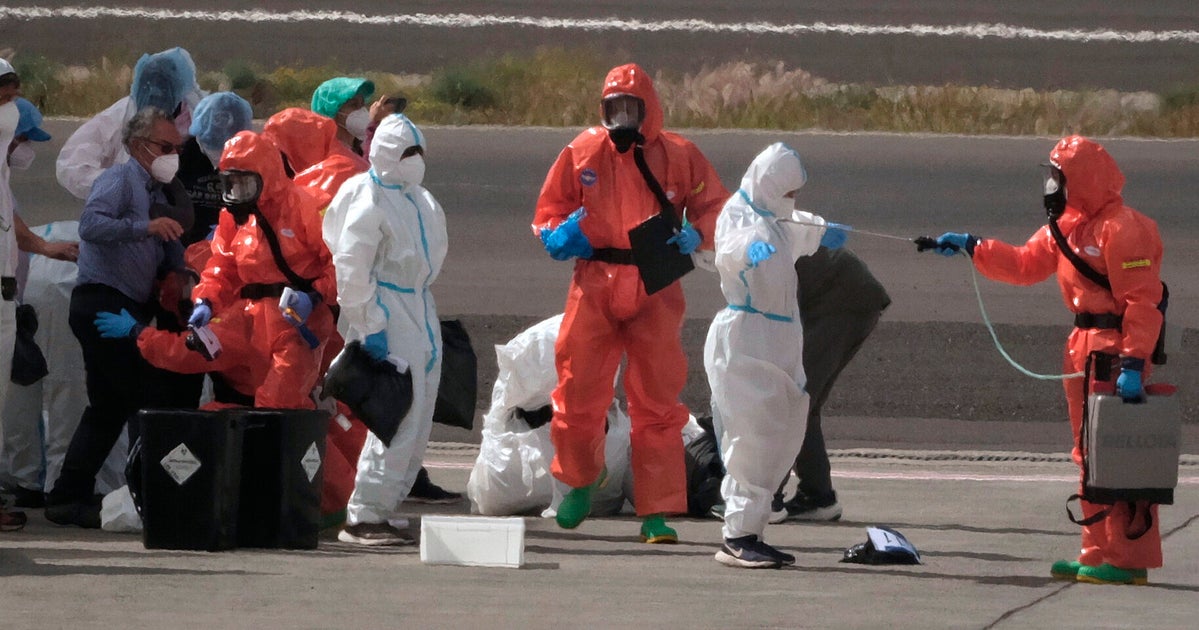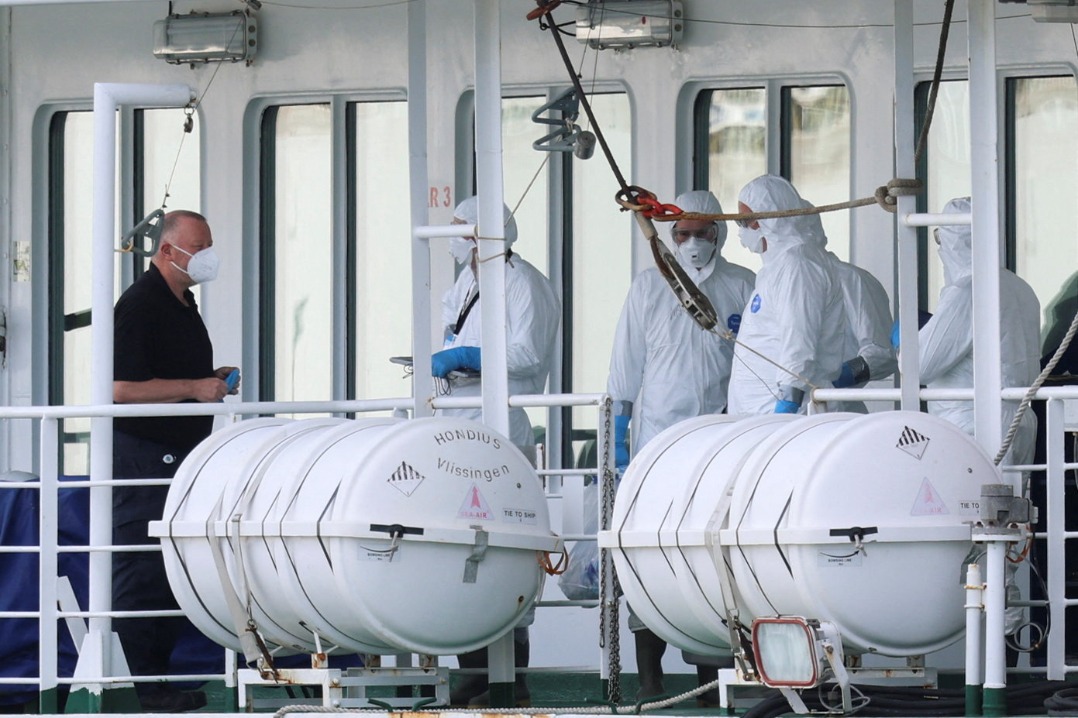
The public health focus surrounding the deadly hantavirus outbreak on the Dutch cruise ship MV Hondius is now turning to preventing onward transmission, as the 18 American passengers of the vessel arrived in the U.S. on Monday and most of the rest of the travelers are either en route to or back in their home countries.
The World Health Organization reports eight cases and three deaths as of May 8. Hantavirus is deadlier, case-by-case, than COVID, but is significantly harder to spread, according to William Hanage, professor of epidemiology at the Harvard T.H. Chan School of Public Health.
In this edited conversation, the Gazette spoke with Hanage, who is also associate director of the Chan School’s Center for Communicable Disease Dynamics, about the outbreak and his expectation that it will be fully contained, though that will likely take some time.
Eighteen people, including one who tested positive, are being monitored in the U.S. How dangerous is this? There have been three deaths so far, which sounds like a lot for the number of exposures we know about.
The numbers that float about are around 40 percent case fatality. But it’s always difficult to be sure, because there could be milder cases that we don’t recognize amid the chaos of an outbreak. But it’s certainly toward the more severe end of the range.