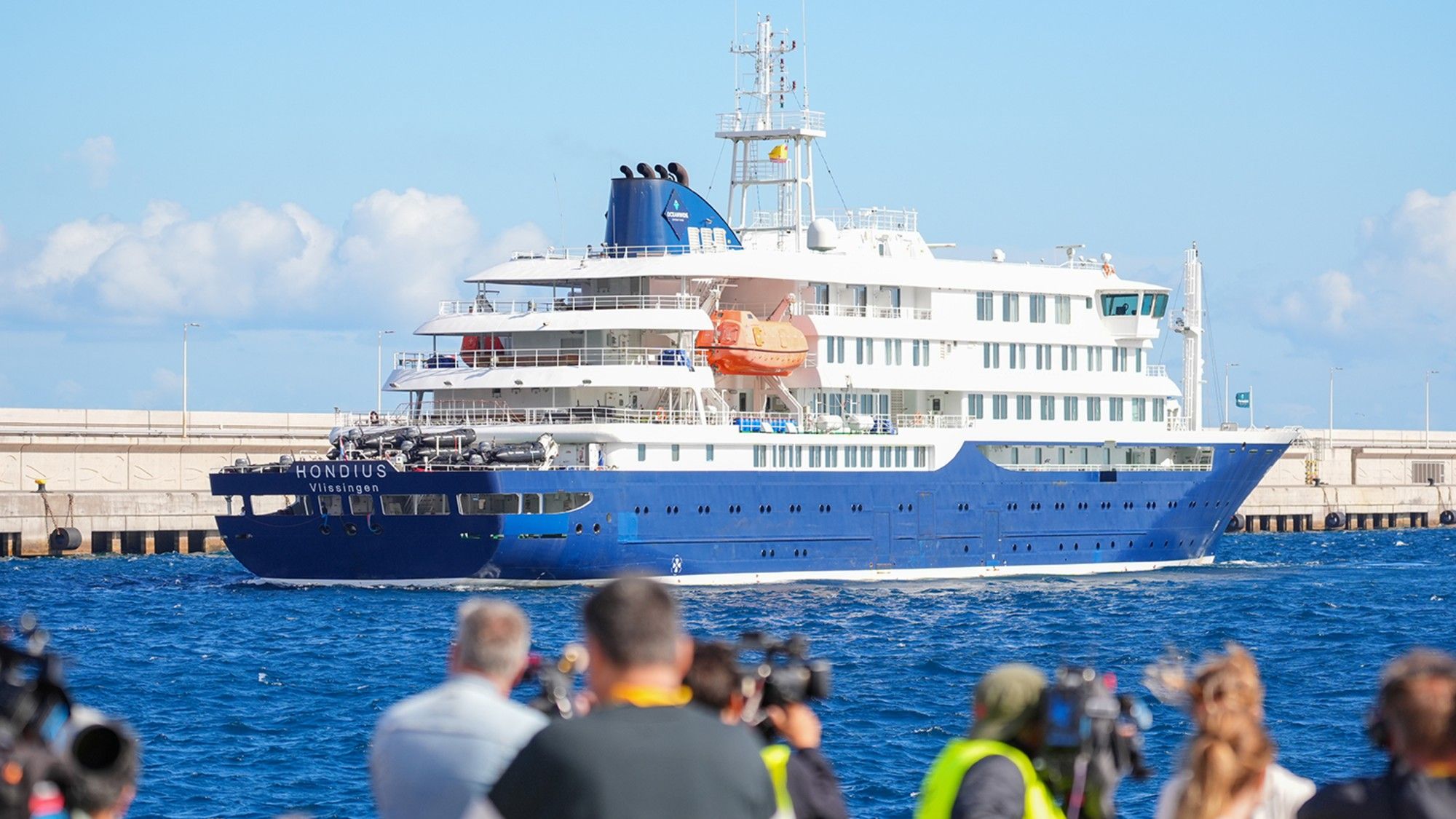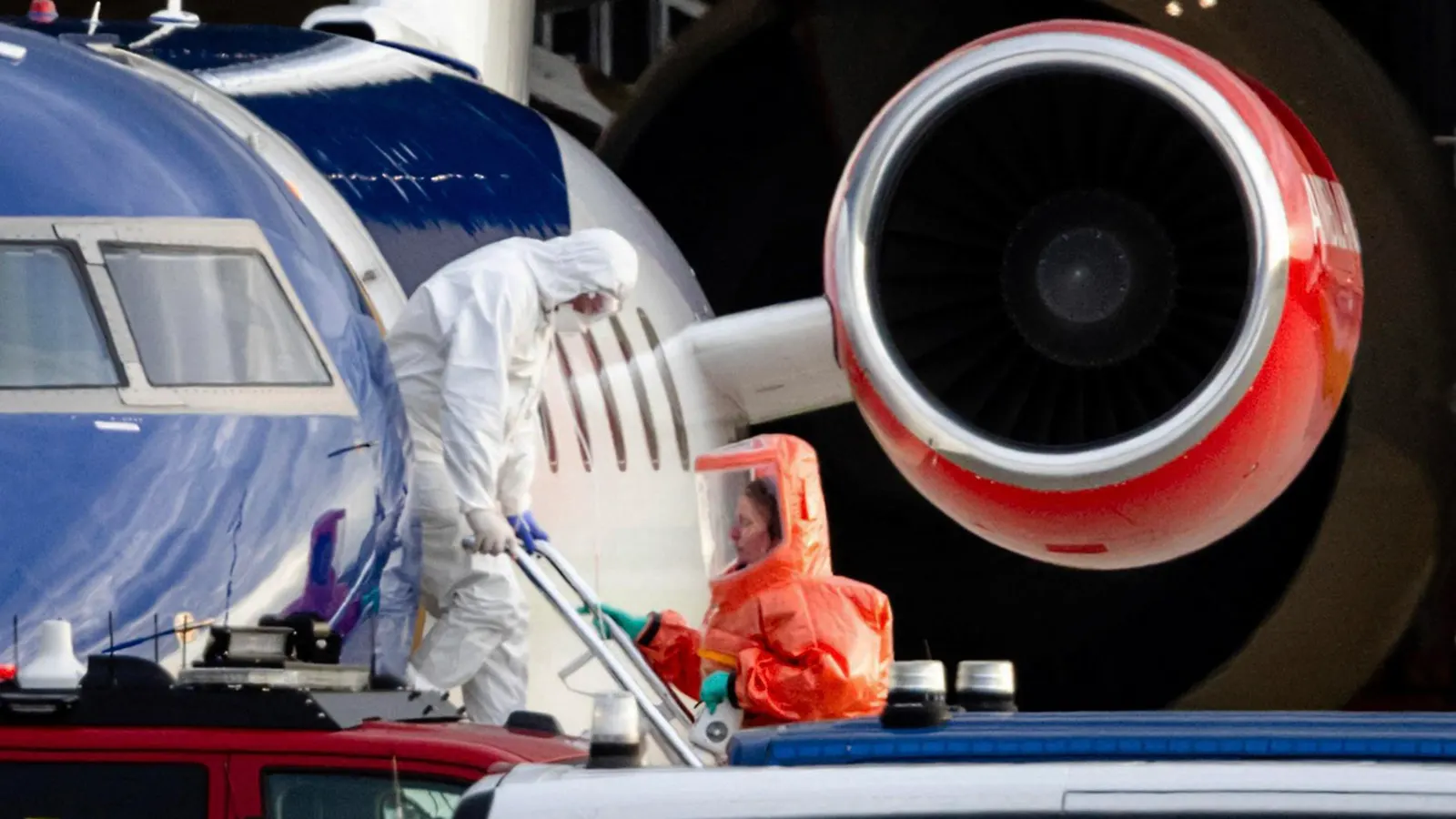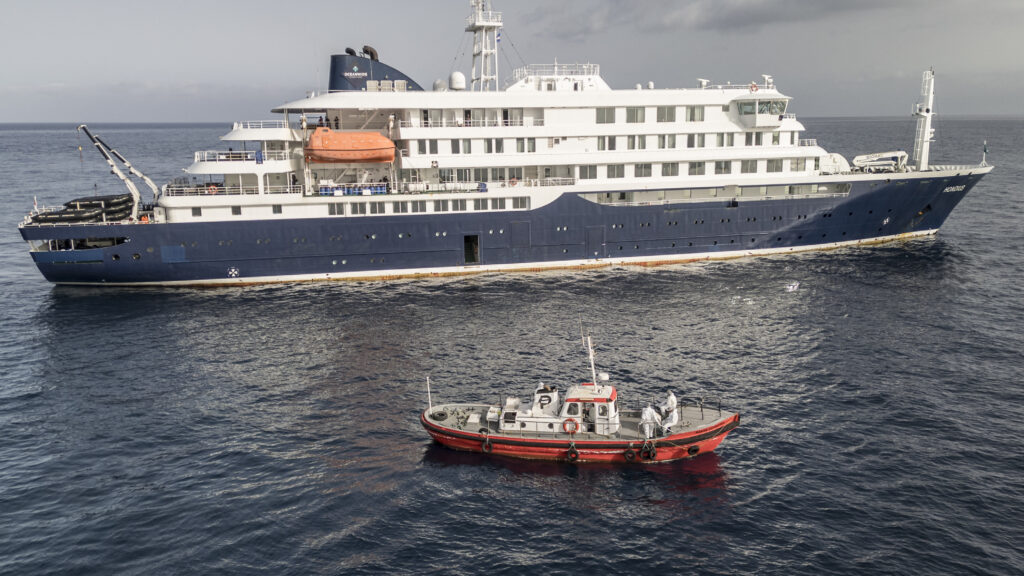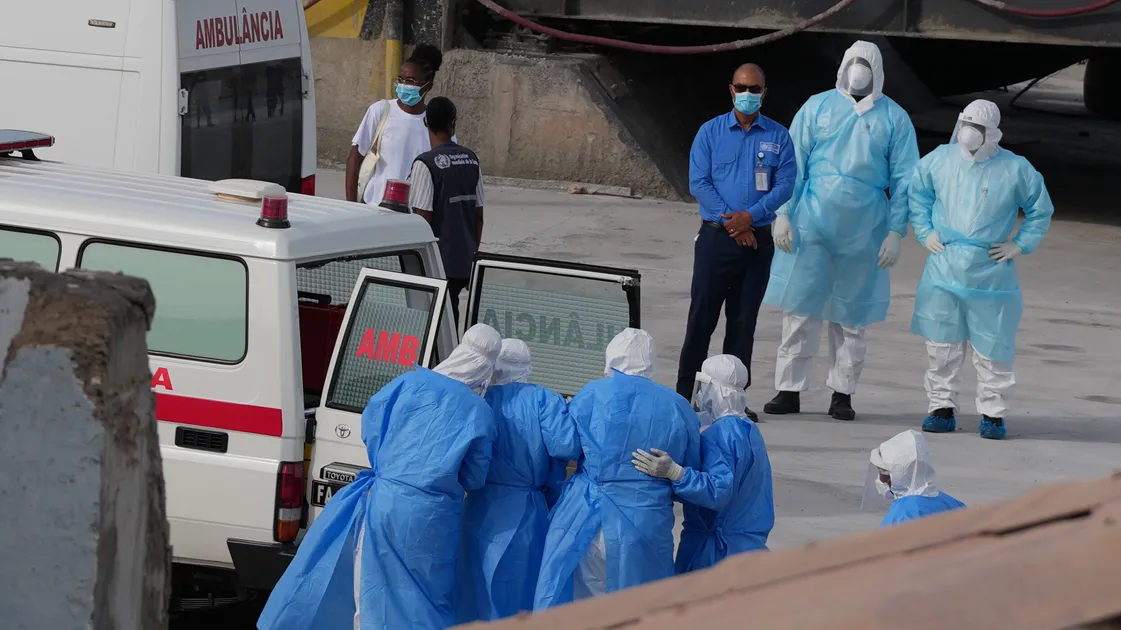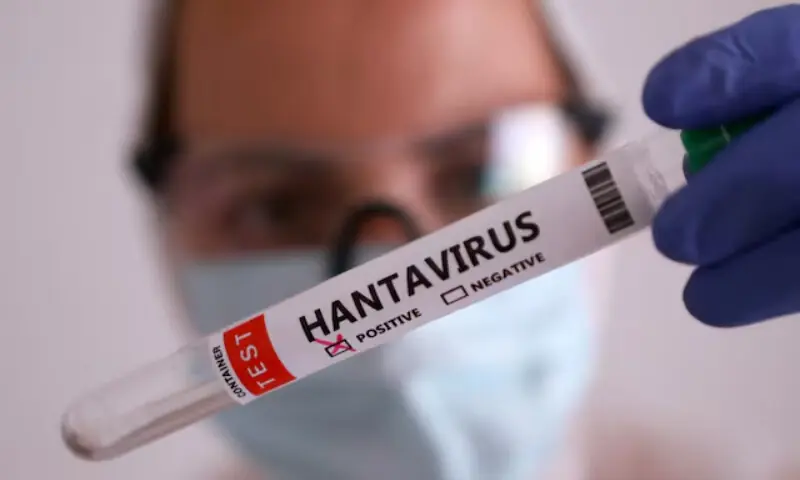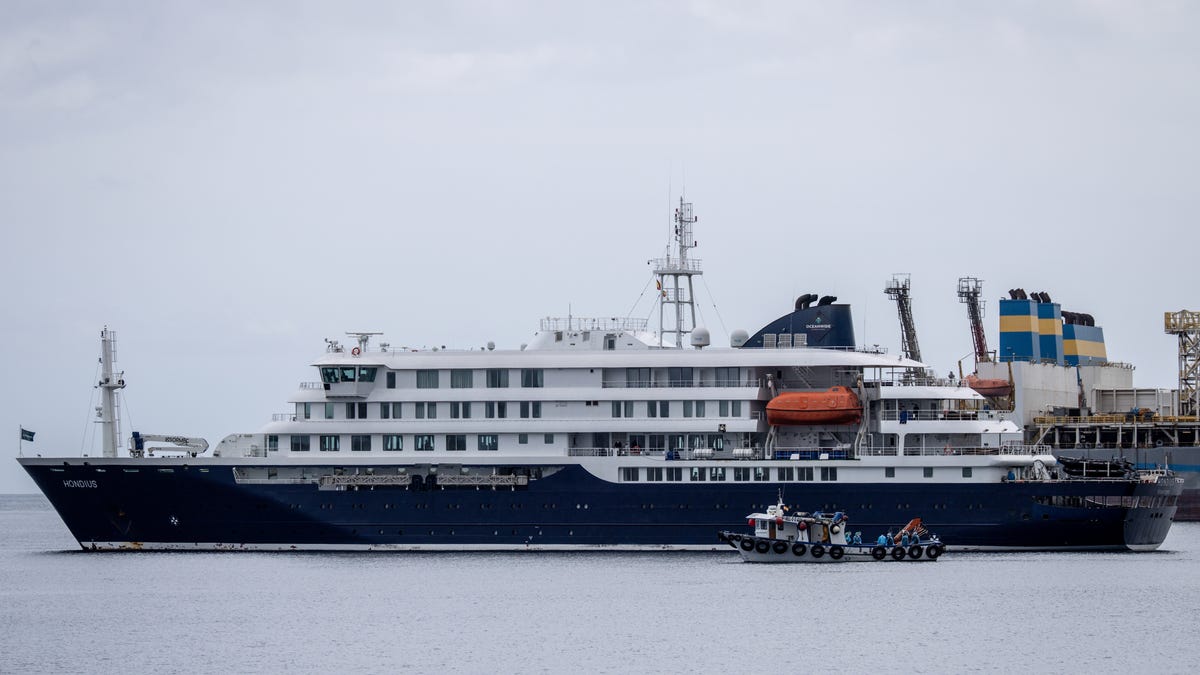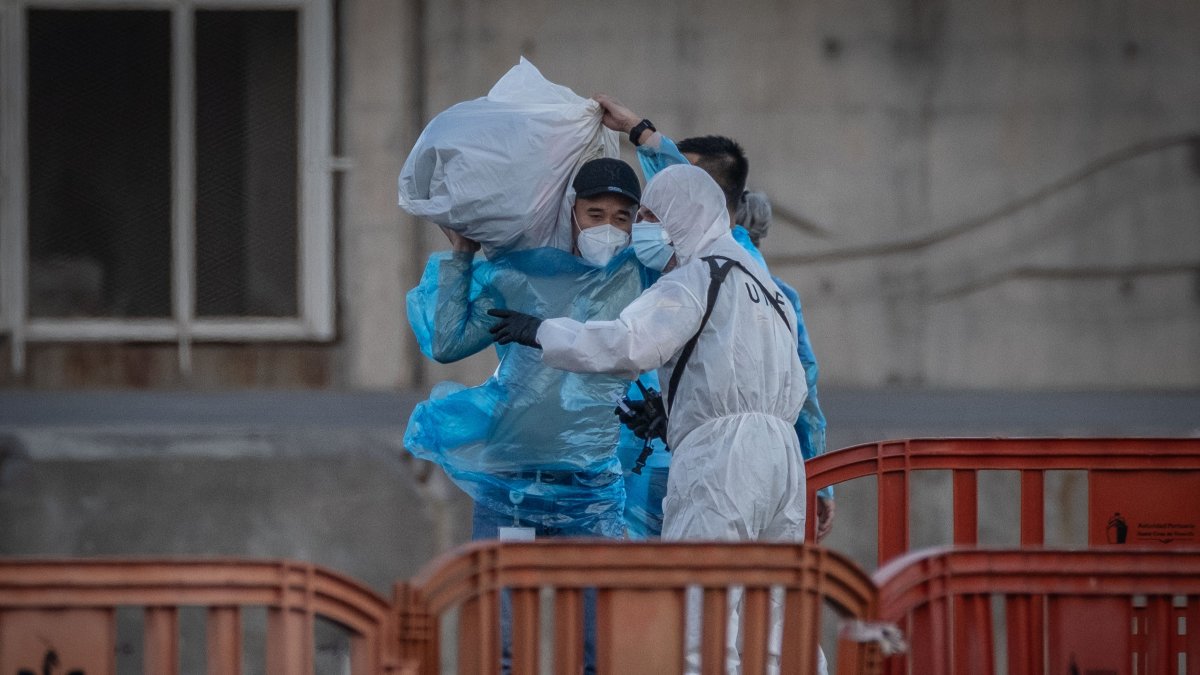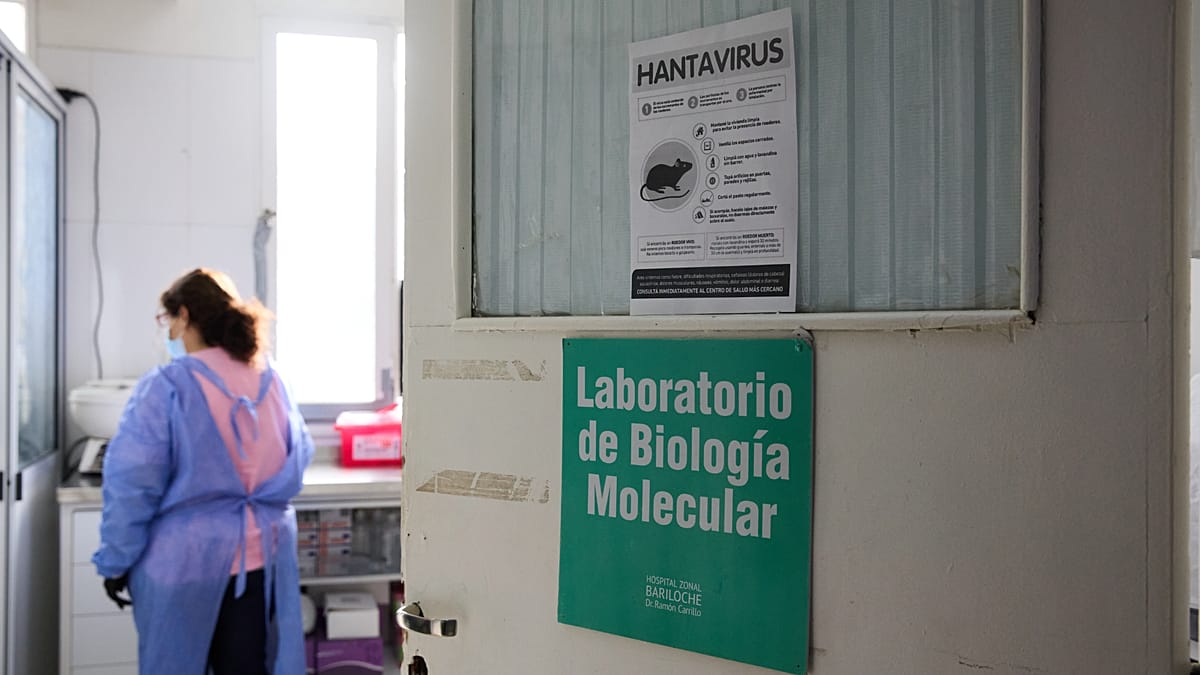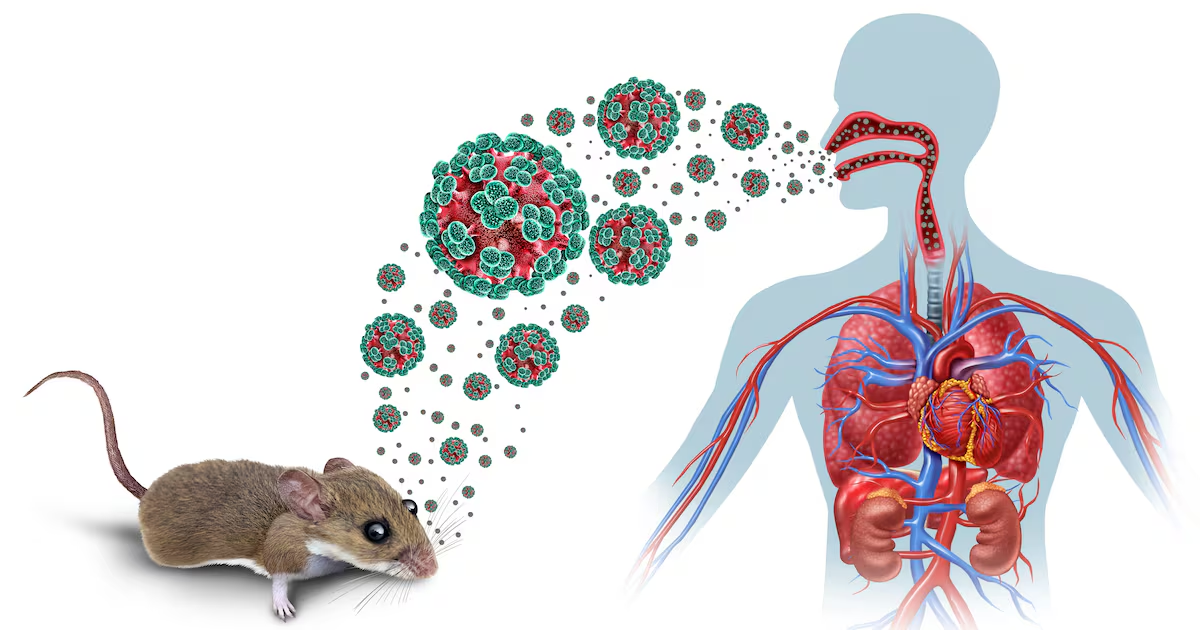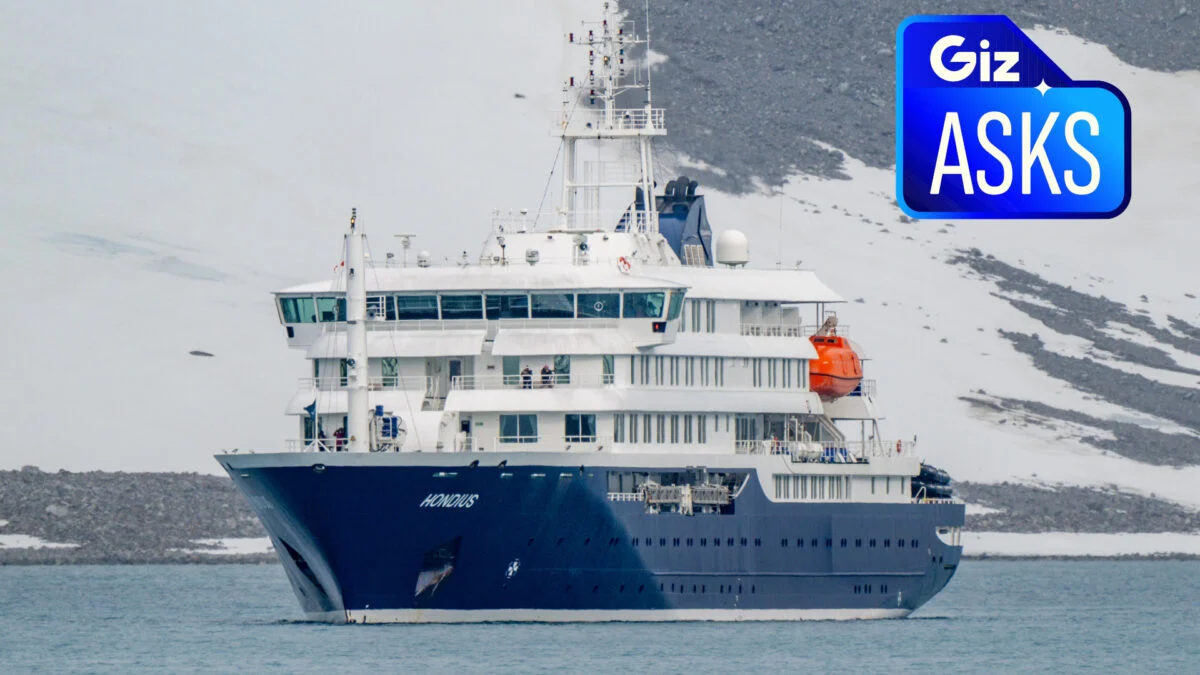
It’s been a minute since the world has had to focus its attention on a microscopic germ, but that’s exactly what has happened in the wake of a deadly hantavirus outbreak aboard the cruise ship MV Hondius. As of May 12, there have been 11 probable or confirmed cases of hantavirus connected to the ship outbreak, along with three linked deaths. One of these victims, a French woman, is currently in critical condition. All of the cases so far have occurred among passengers and crew, but health officials are tracking and testing people who came into contact with infected people outside the cruise, particularly a Dutch woman who boarded two flights after leaving the ship in late April. Hantaviruses typically are zoonotic (animal-to-human) diseases that spread through contact with infected rodents or their droppings. This outbreak, however, is being caused by a species that can be transmitted between people, the Andes virus. And the World Health Organization and other groups have stated that more cases may emerge in the weeks to come, including secondary infections caught outside the cruise. At the same time, WHO officials have also consistently stated this outbreak poses a low risk to the public, even explicitly saying this is not “another covid” in reference to the covid-19 pandemic that caused widespread deaths and illnesses starting just six years ago. It’s an assessment that I completely agree with, for reasons I’ve gone over before. Yet this outbreak can’t help but make many people, myself included, wonder just how well we would fare if a pandemic-level threat did cross our path again in the near future. One 2021 study estimated that another pandemic on the scale of covid-19 is likely to arrive sometime in the next six decades, within many of our lifetimes.
Could We Handle Another Pandemic So Soon After Covid?
The next big one won't come from the hantavirus cruise outbreak, but there are still lessons to take away from it, experts say.
1,413 words~6 min read