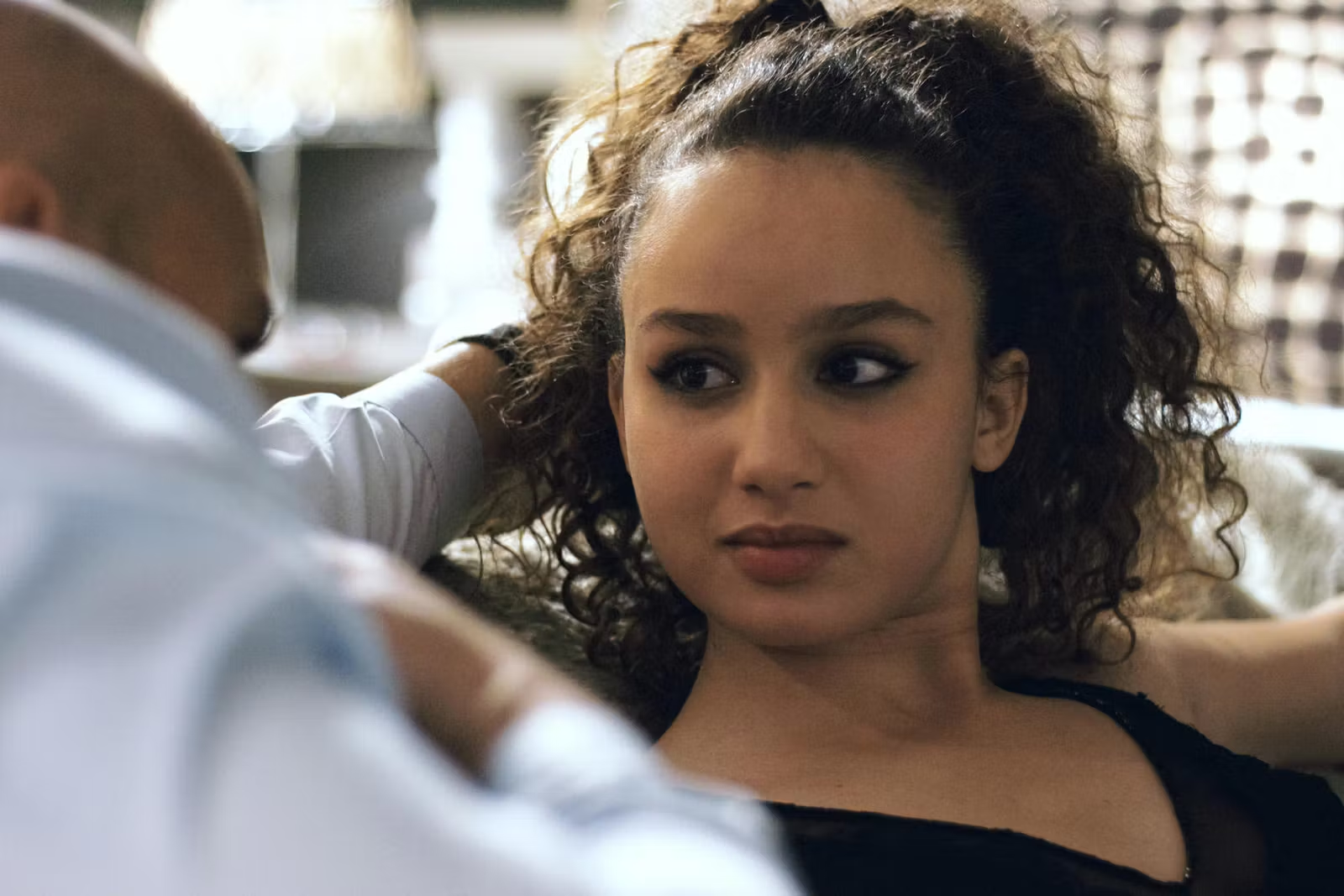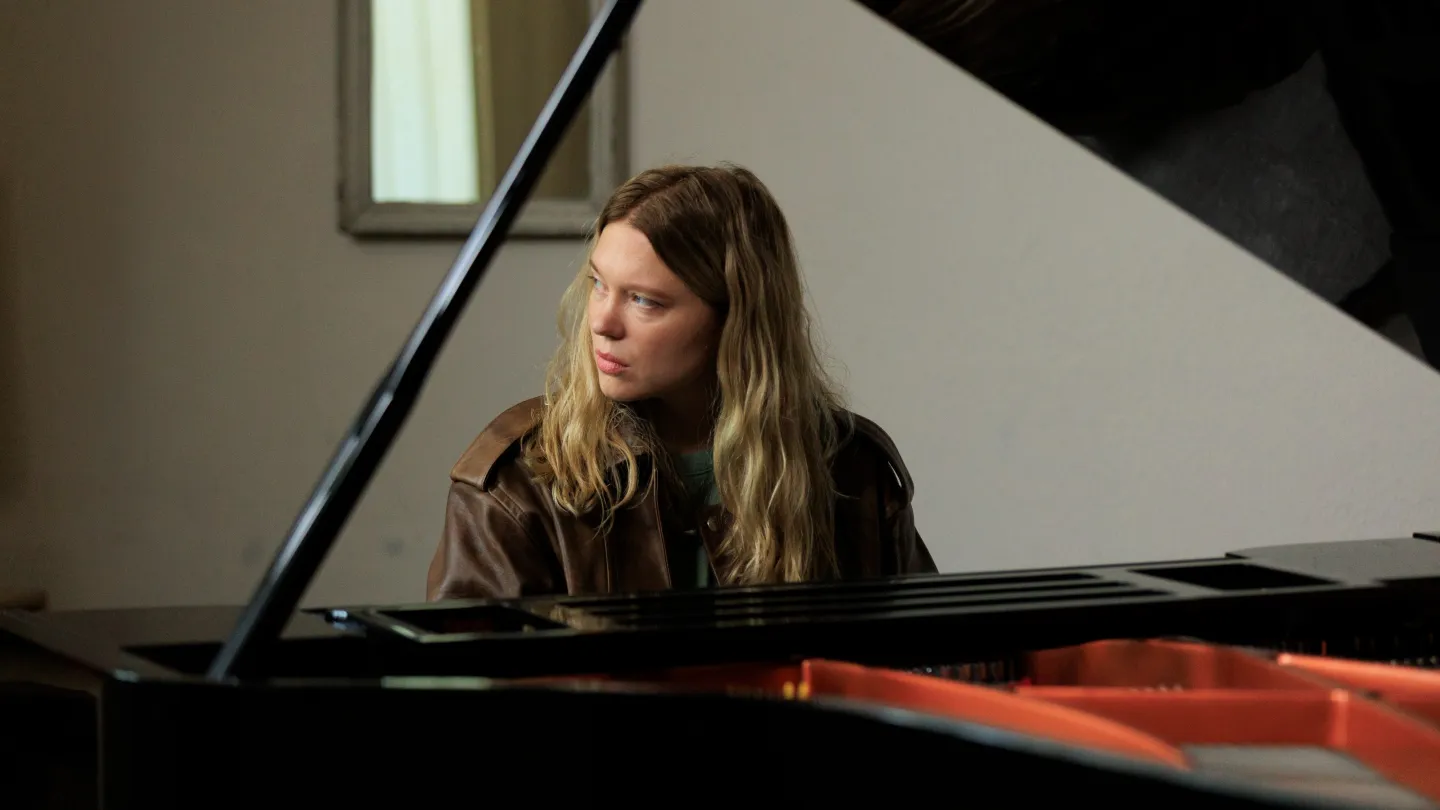
The resemblance between Judith Godrèche and her daughter Tess Barthélemy — also the luminous lead of her mother’s debut feature “A Girl’s Life” — will be particularly powerful for anyone familiar with Godrèche’s teenage breakthrough role in the 1990 Jacques Doillon drama “The Disenchanted.” Watching the doe-eyed Barthélémy in this assured adaptation of Annie Ernaux’s novel of the same title, one can’t help but draw parallels between this bitter story of sexual initiation and the experiences of Godrèche’s own life, namely the accusations of sexual abuse she lodged against Doillon (and the director Bênoit Jacquot) as well as her standing, today, as one of the most notable champions of France’s #MeToo movement.
But in step with Ernaux’s vision, where extremely intimate, first-person narratives take on a collective, intentionally universalizing, sweep, “A Girl’s Life” succeeds not just as a haunting echo of Godrèche’s early years but as a moving, at times disturbing, meditation on the gender relations that normalize violence against women — specifically the kind of violence that’s hard to recognize until well after the damage is done.
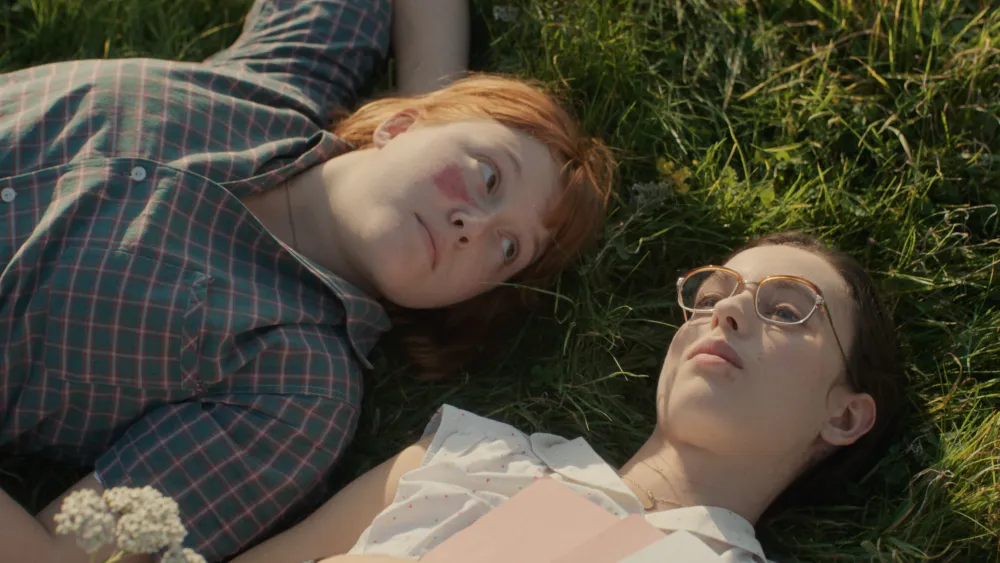
Bookended by voiceover narration drawn straight from Ernaux’s novel, delivered by a septuagenarian version of the writer performed by Valérie Dréville, the film primarily tells the story of Annie at 17 (Barthélemy) in the summer of 1958. With her fishbowl glasses and major sweet tooth, girlish Annie is a sheltered dreamer yearning to escape the Catholic restrictions of her smalltown existence and “find her people,” which she expects will happen in the sunny months away from home during her first stint as a camp counselor in training.