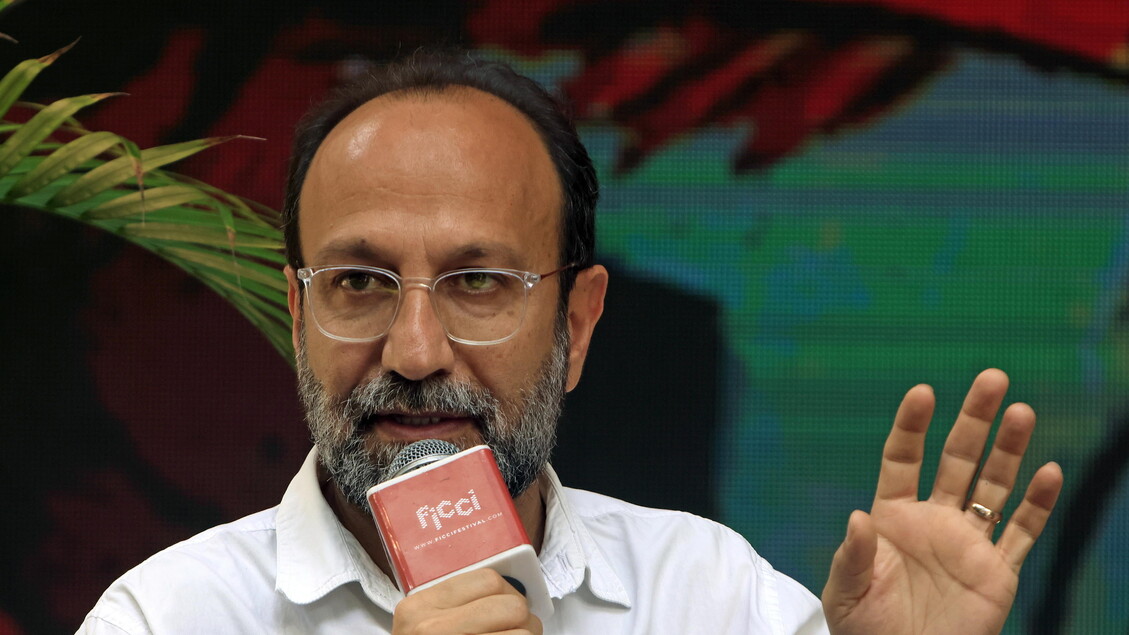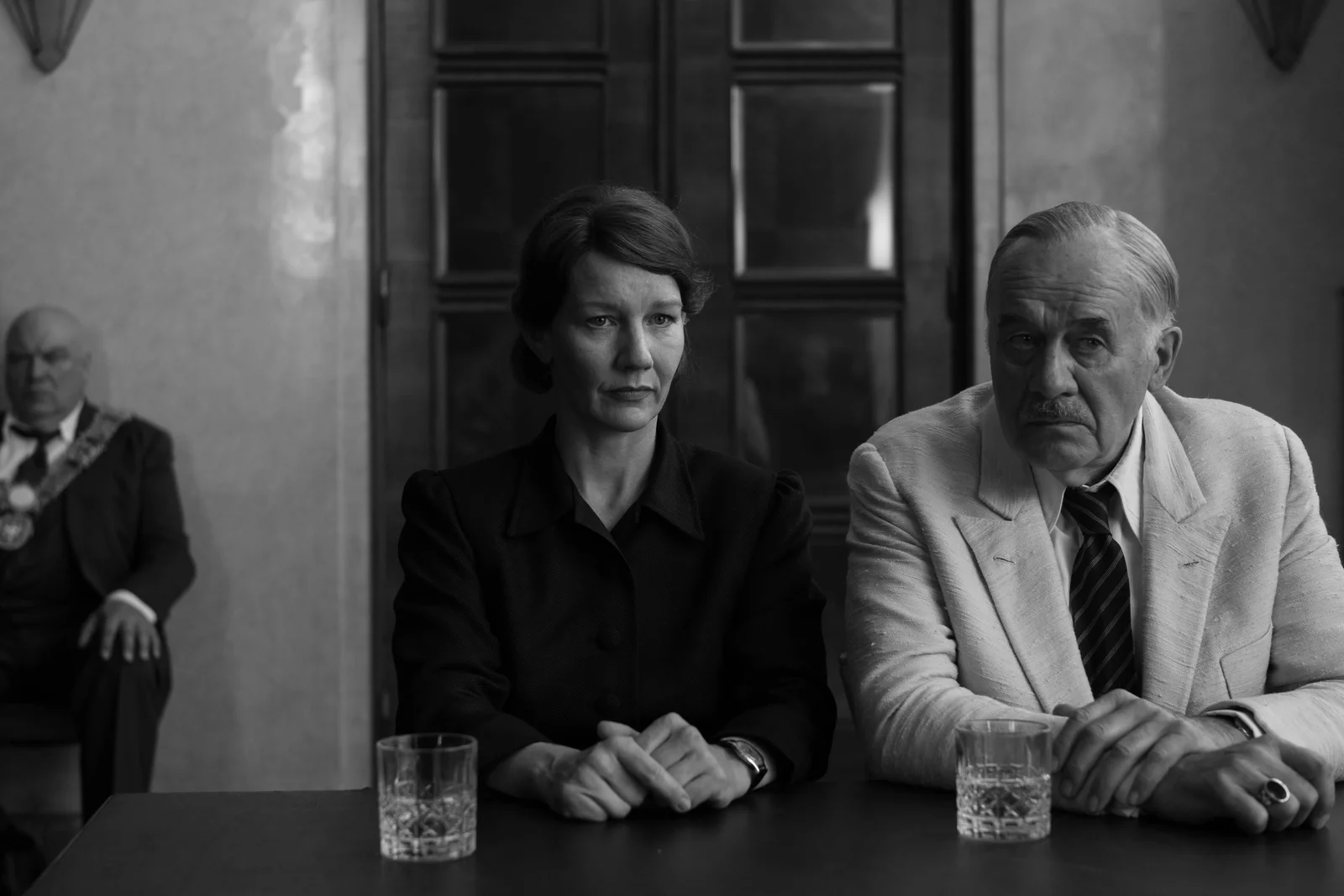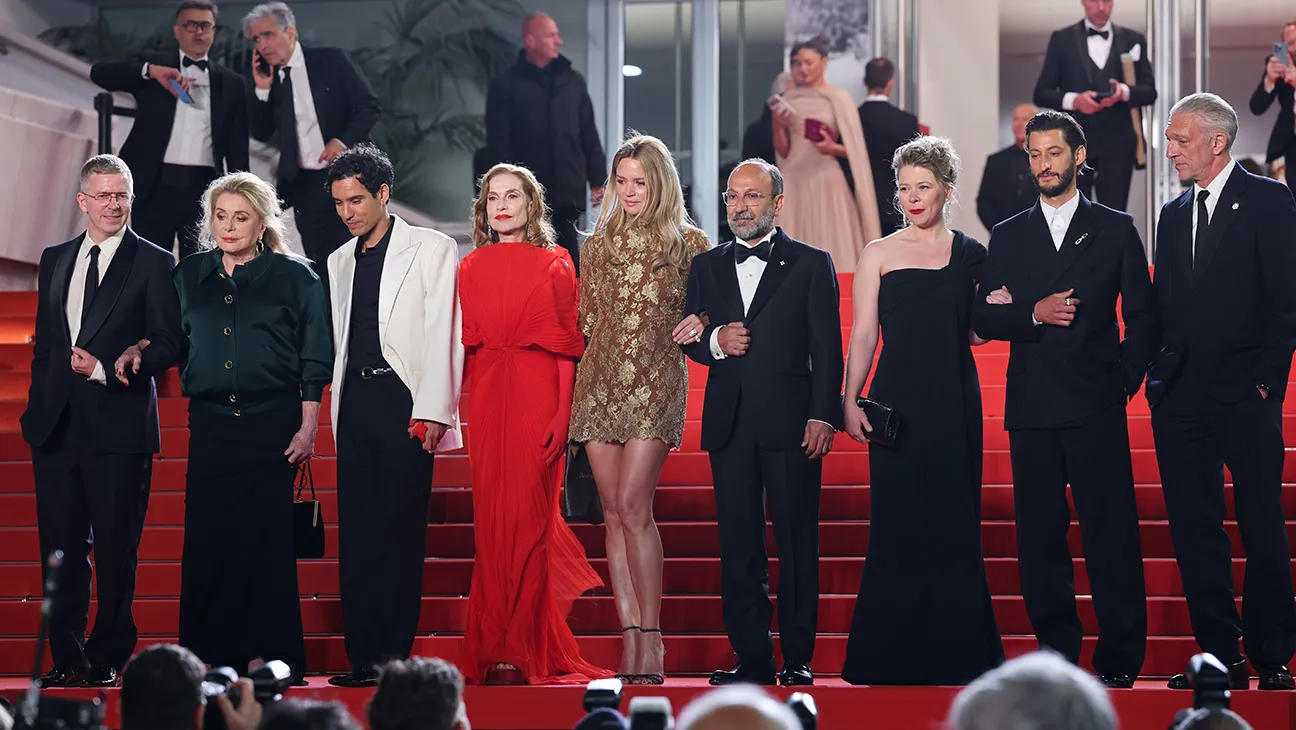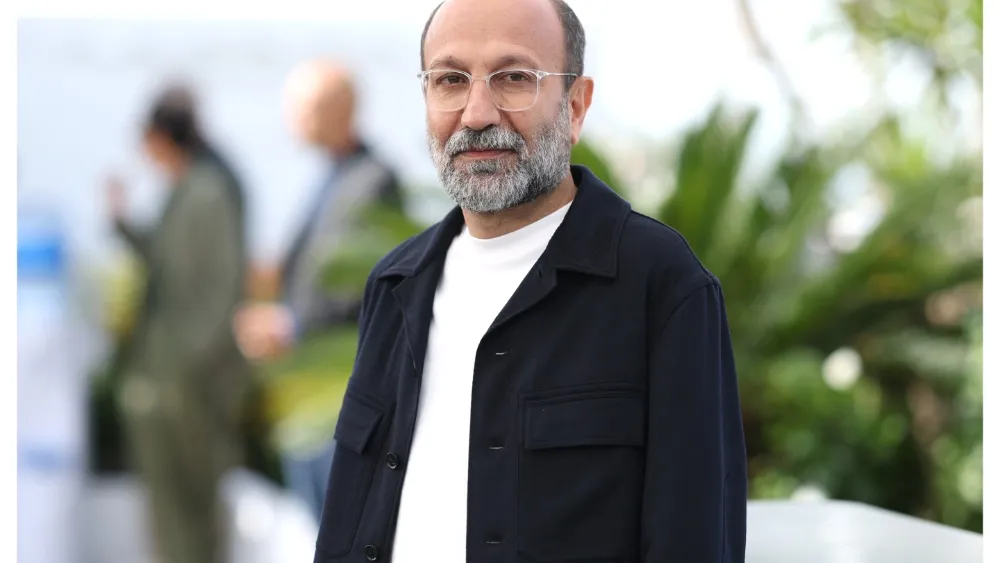
Countless exceptional films have been made in which voyeurism — whether practiced by the protagonist or the audience — is a significant component. Think Hitchcock’s Rear Window, Polanski’s The Tenant, Haneke’s Caché, Coppola’s The Conversation and Powell’s Peeping Tom for starters, or at the more delectably lurid end of the spectrum, De Palma’s Body Double and Dressed to Kill. Asghar Farhadi’s elegant but frustrating Parallel Tales (Histoires parallèles) treats voyeurism as a jumping-off point to reflect on the uneasy relationship between truth and imagination. But the film keeps circling itself, with diminishing traction.
The director and his sibling co-writer Saeed Farhadi loosely based their script on the sixth chapter of the great Krzysztof Kieślowski’s 10-part project for Polish television, Dekalog, an episode that was expanded to feature length and released theatrically in 1988 as A Short Film About Love. Running a fleet 86 minutes, that masterful feat of storytelling observes the love of a withdrawn young Warsaw post office worker for a beautiful, promiscuous woman living in an apartment directly across the street, where he watches her every night through a telescope.
Parallel Tales