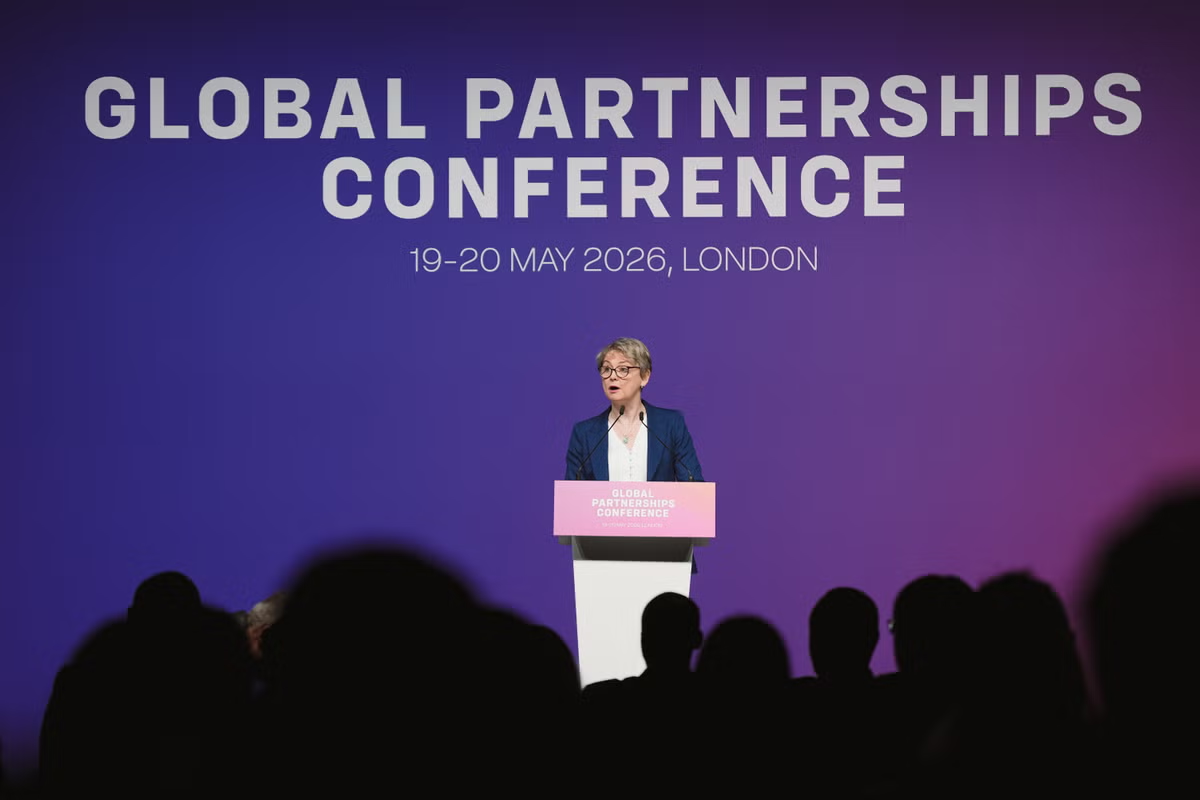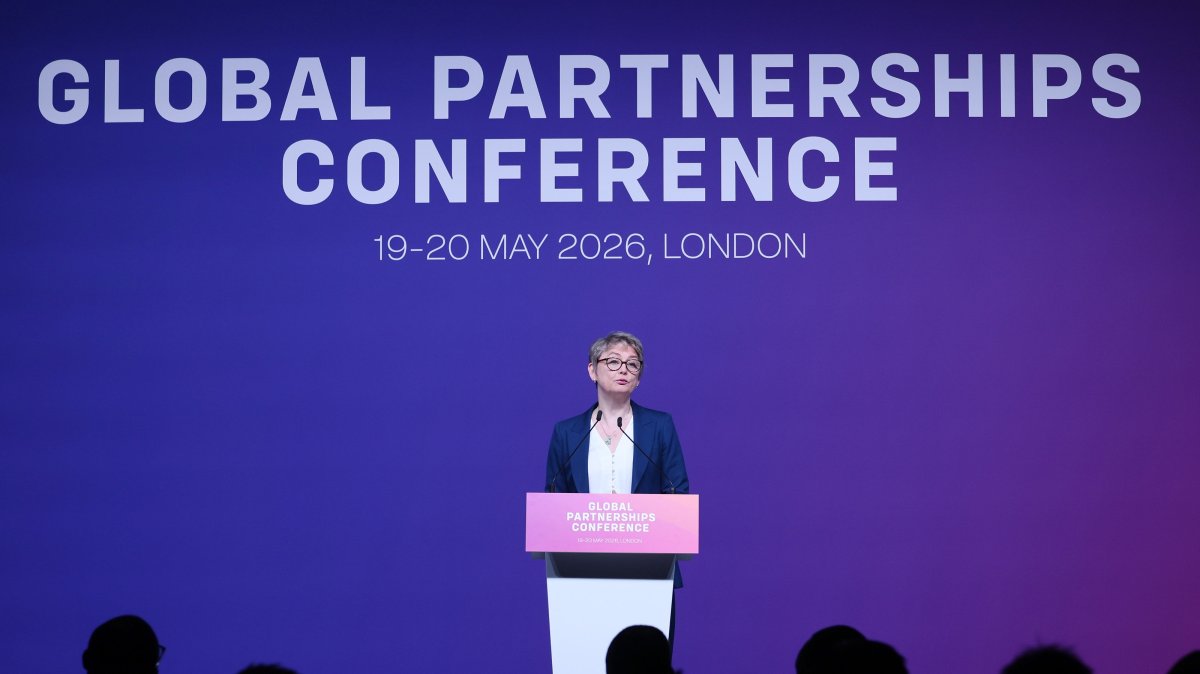
The crisis in Iran has exposed how the international system cannot keep up with the challenges of today. The ripples we feel from conflict, pandemics, and climate change hits developing countries as it hits the UK. They show up in higher energy and food prices, disrupted supply chains, and greater pressures on our own economic and national security.International development has achieved remarkable progress in recent decades. Extreme poverty has fallen dramatically. Child deaths have been cut by more than half, and millions of people have access to services that simply did not exist at the turn of the century. Those gains are real, and they were hard-won.But we live in a world where trade and economic integration have changed from a tool of progress to a weapon of geopolitical rivalry. The world is fragmenting, with conflict spreading. Hard power has become more dominant. Global conflicts are more widespread and last longer. Humanitarian needs are beyond the resources we have to respond.The system is not set up to deal with this. It is too slow and too fragmented. We need a new model of cooperation fit for today’s pace of change.The UK has a key role to play with our friends and partners. That’s why alongside our co-hosts South Africa, British International Investment and the Children’s Investment Fund Foundation, we are hosting the Global Partnerships Conference in London this week.This will bring together a wider group of people beyond the traditional players to work together in a new way. That includes governments, businesses, tech leaders, philanthropists, and international organisations, all to discuss the future of cooperation that we need for today’s global challenges.Continuing to work in the same way and expecting different results is no longer defensible.We are bringing people together to push for a new model of development cooperation. One that can spot risks and opportunities earlier, takes action sooner, and build stronger systems.This means people in the UK are better shielded from global crises like the conflict in Iran. It also means they see a better return on investment, while also creating new growth opportunities for UK businesses. And by supporting stability, jobs and opportunity overseas, it helps reduce the pressures that drive irregular migration to the UK. Coalitions are central to this. When governments, international organisations, private investors and civil society come together around shared objectives – and share risk and accountability – scale becomes possible.These are the coalitions and expertise that will be at the heart of the UK’s approach to its upcoming G20 Presidency – driving growth and stability abroad to deliver for working people in the UK.With the UK’s strength in global finance and world-leading technical expertise, we are in a good place to bring minds together. With less money to spend, we need to modernise.The countries we work with are calling for a new model too. They want partnerships based on respect and shared priorities, not shaped by old hierarchies. A more effective model starts from a different place: that countries and communities are best placed to define their own priorities and lead their own development.At the heart of this mission is our announcement at the conference of new “Communities of Expertise”.The idea behind these networks is it brings all the best of the UK – from our universities, private sector, the City of London, tech sector – to support developing countries with their challenges. This is win-win. Our partners benefit from our world-class expertise, while UK business and academia is able to expand further around the world.The Nigerian finance minister asked me recently for advice on how to build a data centre. Twenty years ago, we might have provided the money and delivered it for them. Today, Nigeria wants to have control. They don’t want our money, but they want our advice on regulation, legislation, and our expertise and experience.By providing a platform for new voices and new ideas, we hope to bring in the best of all the UK has to improve lives across the world. The prize is huge. Helping countries build their own systems in a sustainable way, and getting far more money flowing into developing countries than ODA ever could. For the UK, that means shaping the standards, partnerships and investments that will define the global economy in the years ahead.The world has changed. It is still changing fast. Development has changed with it. But our values, our ambition and our determination to build a safer, fairer, more prosperous world remains stronger than ever.Humanity can still achieve these goals if we work together. The Global Partnerships Conference this week is a small part of this journey.Baroness Chapman of Darlington is the minister of state for international development and AfricaThis article has been produced as part of The Independent’s Rethinking Global Aid project
We live in a deeply volatile world. How we help others has to change
Ahead of the Global Partnerships Conference, hosted in the UK, the development minister, Baroness Jenny Chapman, writes that global humanitarian needs are beyond the resources we have to respond and that a new model of cooperation is needed
793 words~4 min read