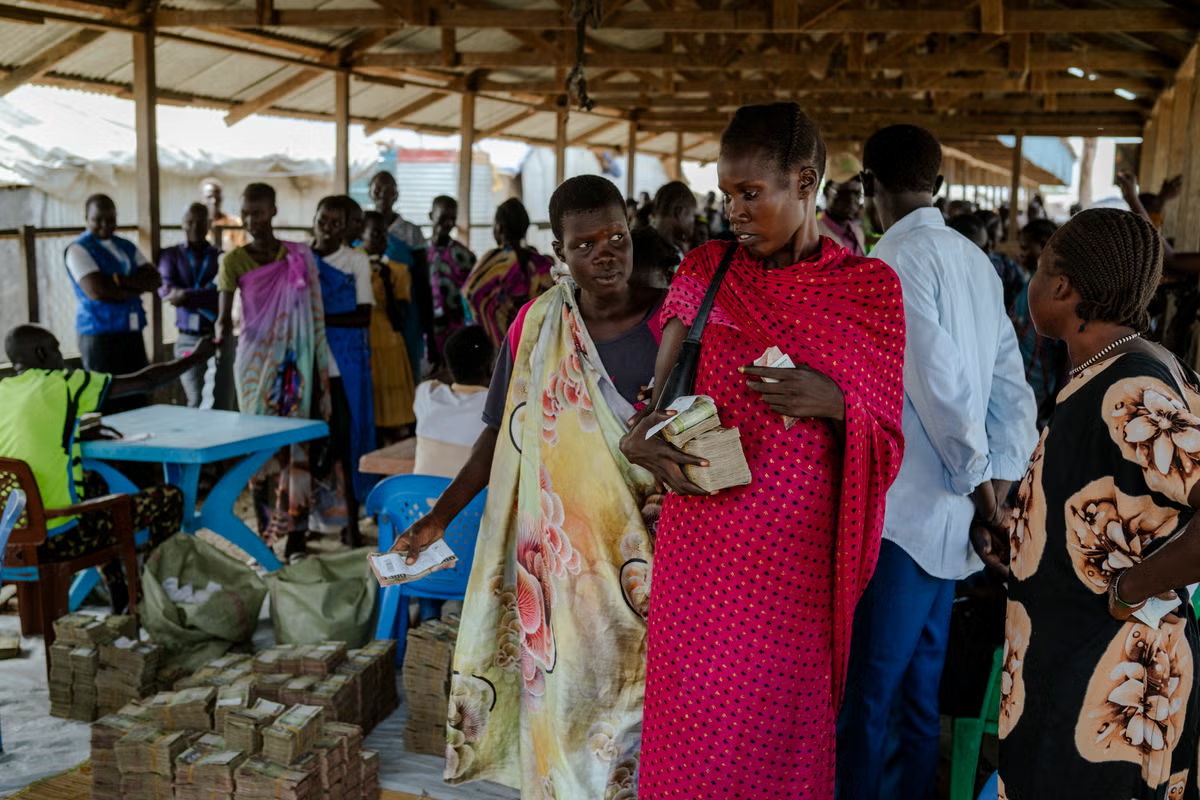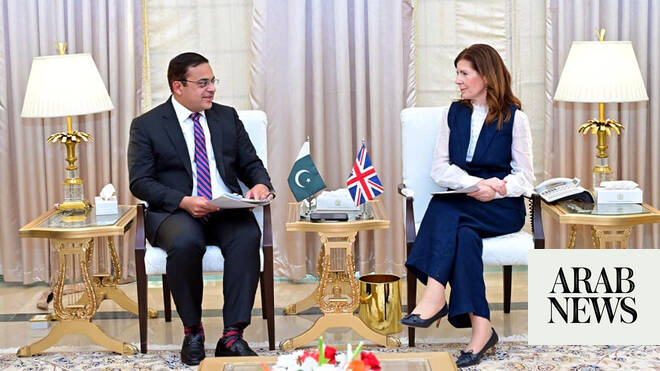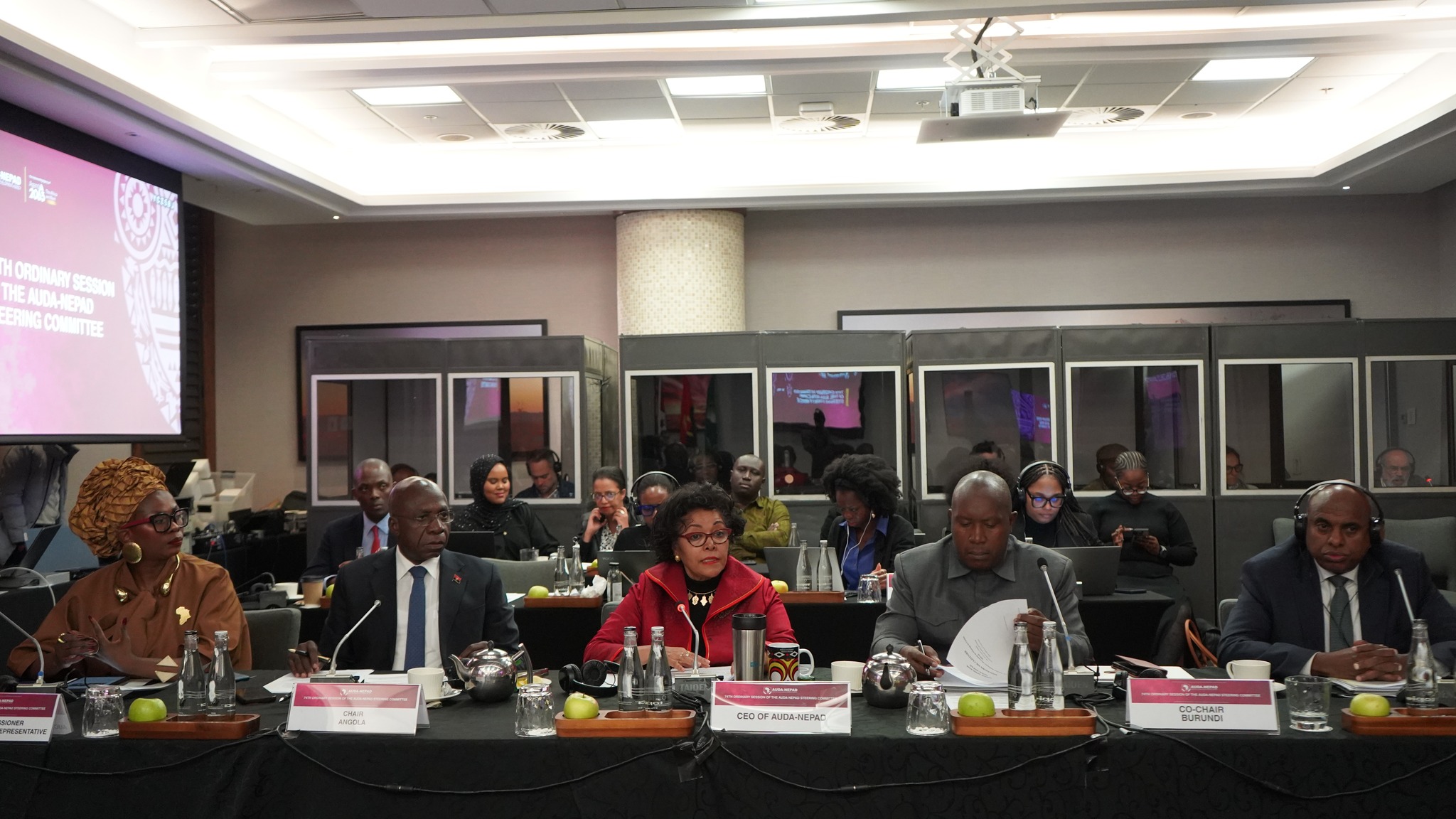
Twenty years ago, the world felt on the cusp of a breakthrough: with advances in knowledge, technology, global co-operation. This meant an investment of capital to end the worst forms of poverty for good. That optimism wasn’t naïve — it was rooted in real progress, from dramatic reductions in extreme poverty to more than halving child deaths in a generation, and a renewed energy towards collective action to drive sustainable development. But the context has changed. The world is more fractured, crises are more frequent, inequalities persist, and geopolitical competition increasingly shapes economics and investment. The development system that delivered many of yesterday’s gains is now under strain. The needs of billions of people — especially in the poorest and most climate‑vulnerable countries — cannot be met by the resources and approaches designed for a different era. The gap between ambition and available resources remains significant, particularly for countries in the Global South. This moment presents a crucial opportunity to build an inclusive path towards development and co-operation, through partnerships which advance mutual benefit and broad prosperity. That is why the UK and South Africa are co‑hosting the global partnerships conference in London this week. We do so not just as co-hosts, but as equal partners, committed to an approach to development grounded in shared values and practical co-operation — and shaped by the priorities of those most affected. The UK and South Africa stand together in believing that development is about dignity and freedom — the right of every person to live free from violence, with access to opportunity, and with their human rights protected.When women and girls are safe, economies grow and communities thrive. When human rights are protected, societies become more stable and prosperousThe UK and South Africa are united in the understanding that sustainable development must include social inclusion, economic transformation and the inclusion of previously marginalised communities. We emphasise the advancement of: ending violence against women and girls;strengthening health systems;protecting human rights;bolstering climate resilience; and reaching those in greatest need. When women and girls are safe, economies grow and communities thrive. When human rights are protected, societies become more stable and prosperous. When health systems are strong, countries are better equipped to withstand shocks — and the world is safer.The annual financing gap to deliver the global sustainable development goals is well over $1.3-trillion (R20-trillion) — showing up in overstretched health systems, underfunded education, constrained growth and debt servicing that crowds out investment. Against that scale, traditional official development assistance is only a fraction of what is needed: according to the OECD-Development Assistance Committee statistics on aid flows, aid to Africa totalled $66.5bn in 2024. Aid matters, but aid alone cannot close a trillion‑dollar gap. Continuing to work in the same way and expecting different results is no longer defensible. Nowhere is the case for a new approach clearer than in Africa, a continent that holds great potential through its youthful, innovative and entrepreneurial verve and natural resources.At the same time, many low- and middle‑income countries have been clear about what they want: long‑term, genuine partnerships rooted in mutual respect and shared priorities, not old hierarchies. That call is not a critique of co-operation. It is a demand that co-operation becomes fit for purpose, and fit for a world where global challenges like climate, conflict, pandemics and economic instability intersect and compound each other. Modern development means shifting power, not just moving money. Too many initiatives proclaim partnership while quietly preserving the same hierarchies that have always held progress back. A new model means decision‑making and resources moving closer to countries and communities, because those closest to the problems are best placed to design and deliver solutions. Therefore, global coalitions should prioritise a whole-of-society approach, bringing together a broader group of partners across governments, development finance institutions, the private sector, civil society, multilateral institutions and communities.Coalitions can also play an important role in supporting regional trade and integration. We are seeing this being actioned through the African Continental Free Trade Area (AfCTA), which is supporting Africa’s long-term economic transformation by deepening intra-African trade, with a view to expanding industrialisation and infrastructure investment, and creating sustainable opportunities for the continent’s growing youth population. At the global partnerships conference, we will bring together leaders and doers — including those who do not traditionally define their work as “development”, but who shape outcomes through the finance they mobilise, the systems they design and the risks they manage. Coalitions are crucial in changing an increasingly fragmented donor landscape, where more than 300 new agencies were created in the past 10 years, creating overlapping priorities and burdens for developing countries. When co-ordination fails, opportunities are missed and impact is diluted.We can help change this — we have an opportunity to convene and align the global system to enable collective action in support of countries and communities leading their own development. At the global partnerships conference, we will bring together leaders and doers — including those who do not traditionally define their work as “development”, but who shape outcomes through the finance they mobilise, the systems they design and the risks they manage. This conference builds on the momentum of South Africa’s successful G20 presidency, which placed the priorities of Africa and the Global South firmly on the global agenda, and brought together governments and representatives from high, middle and low-income countries to drive inclusive solutions to shared challenges and to build a better world. The global partnerships conference will see us take a step forward on the global challenges discussed as G20 development ministers in the Kruger National Park last July. As co‑hosts, we are using this conference to demonstrate what a modern partnership can look like: one grounded in mutual respect, country leadership and practical co-operation. Together we are convening governments, multilaterals, private investors, philanthropies, innovators and civil society; not to prescribe solutions but to build coalitions and align behind the priorities defined by countries and communities themselves. But the conference is not the destination. It is the next, important step to translate commitment on partnerships into action and to springboard the changes needed to build a fairer, more inclusive development system. The global partnerships compact is intended to carry this UK–South Africa ambition forward, reducing fragmentation, aligning finance with impact and accelerating collective action beyond May. What matters most is not what is announced, but what changes in how we work together.In a more divided world, the UK and South Africa are choosing co-operation over competition, partnership over hierarchy, and shared accountability over short‑term gains. We invite others to join us in shaping a development model that reflects today’s realities — and the values we share — so that progress is faster, fairer and led by those it is meant to serve.• Baroness Chapman is the British minister for development and Ramokgopa is the minister in the Presidency for planning, monitoring & evaluation
BARONESS CHAPMAN & MAROPENE RAMOKGOPA | Why the UK and SA are building a new model of development together
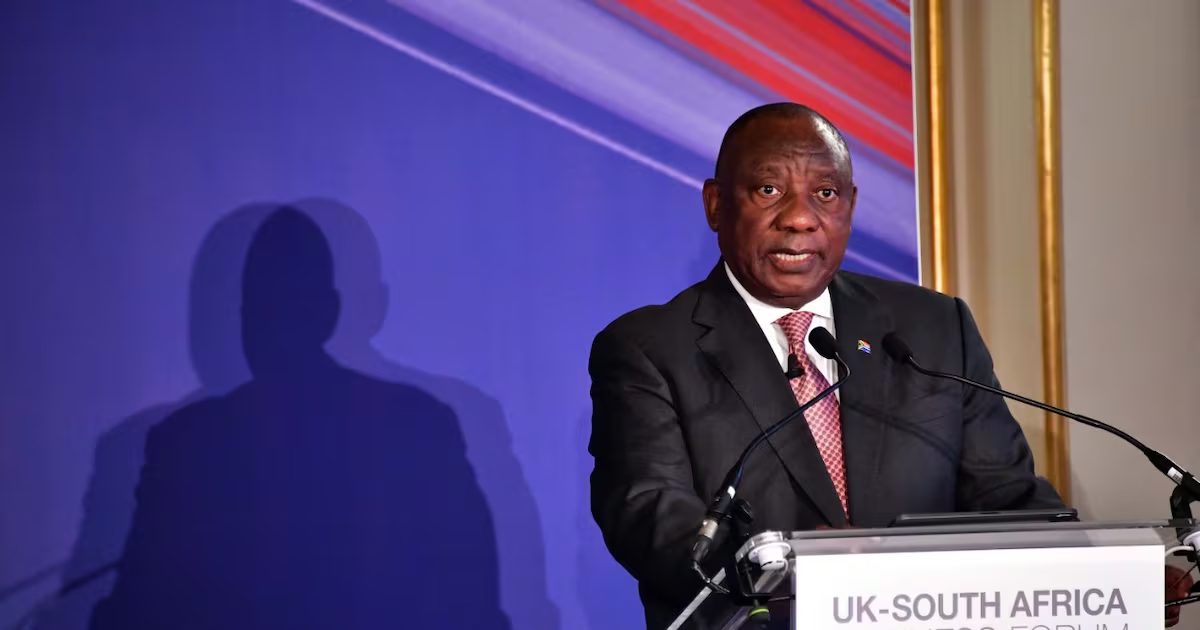
The two countries are co-hosting a global partnerships conference in London this week.
1,145 words~5 min read