Audio By Vocalize
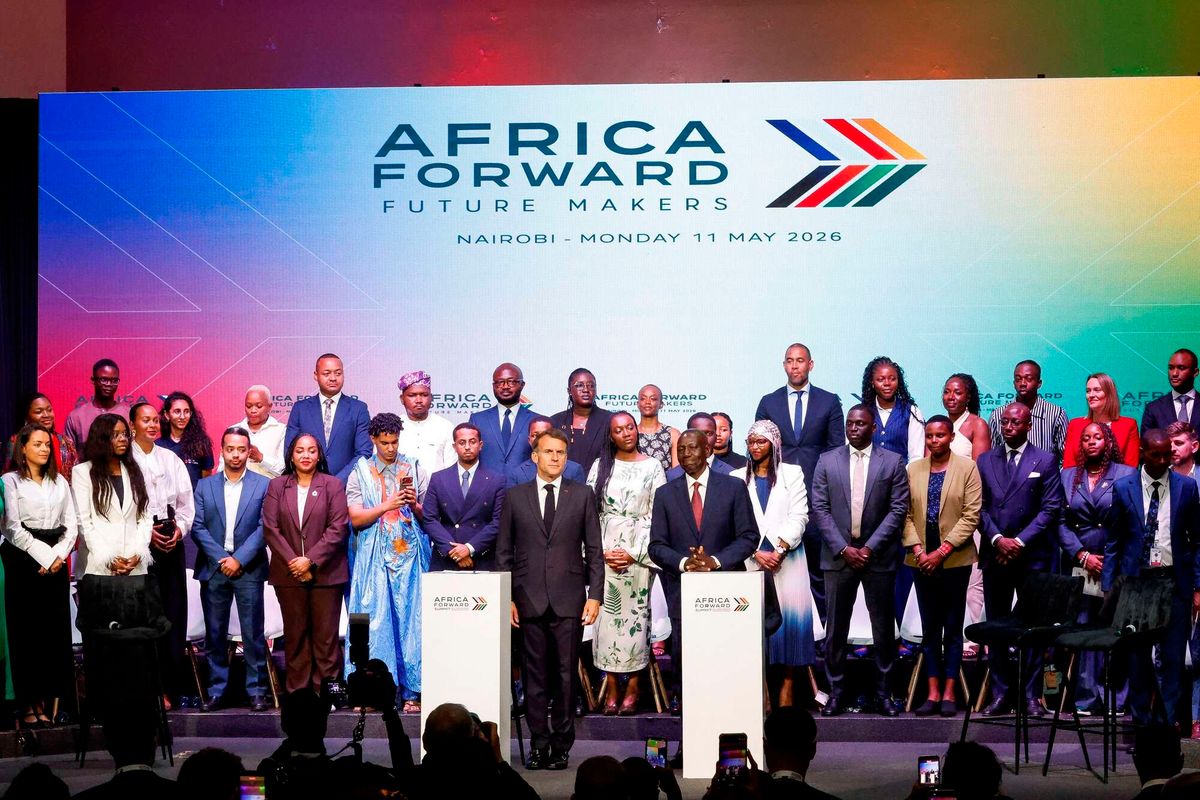
President William Ruto, India's President Droupadi Murmu (centre) and Prime Minister Narenda Modi. [File, Standard]
India–Africa development cooperation has emerged as a substantive and enduring pillars of South–South engagement, rooted in a shared historical experience of colonialism, a common developmental trajectory, and a mutual aspiration for strategic autonomy. Over the past two decades, this partnership has been institutionalised through the India–Africa Forum Summit (IAFS), which provided political direction and programmatic depth. Through 3 summits, India translated its political goodwill into tangible outcomes across human resource development, concessional financing, and grant-based assistance. Yet, after a decade-long hiatus since the last summit in 2015, the moment calls not merely for revival but for a recalibration of this partnership in line with Africa’s evolving priorities and the shifting global context.
The most enduring success of India’s development cooperation in Africa lies in the domain of human resource development. India’s approach, unlike traditional donors, emphasized capacity building as a long-term investment rather than short-term project delivery. Through programmes like the Indian Technical and Economic Cooperation initiative, thousands of African professionals have been trained in areas ranging from public administration and information technology to agriculture, healthcare, and defence. This has created a wide network of African alumni with professional and institutional linkages to India. The Pan-African e-Network, which connected African universities and hospitals with Indian centres of excellence, represented an innovative model of technology-enabled capacity building, bringing education and healthcare access to remote regions. Scholarships and training programmes strengthened this ecosystem, embedding India’s presence in Africa’s human capital formation. The success of this approach lies in its multiplier effect: it builds indigenous capacity, fosters institutional resilience, and generates enduring goodwill that transcends transactional engagement.