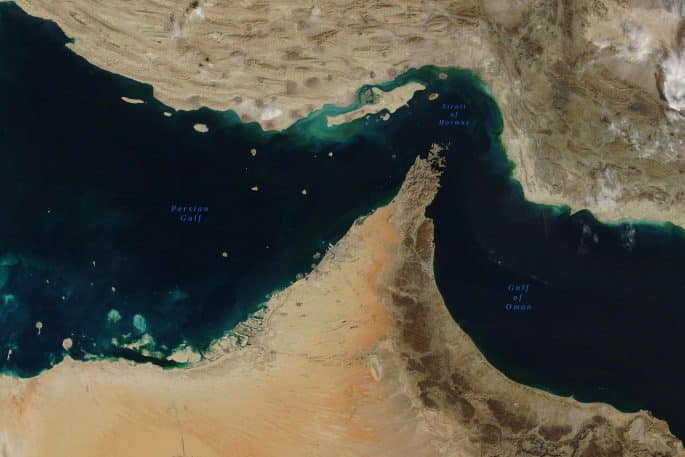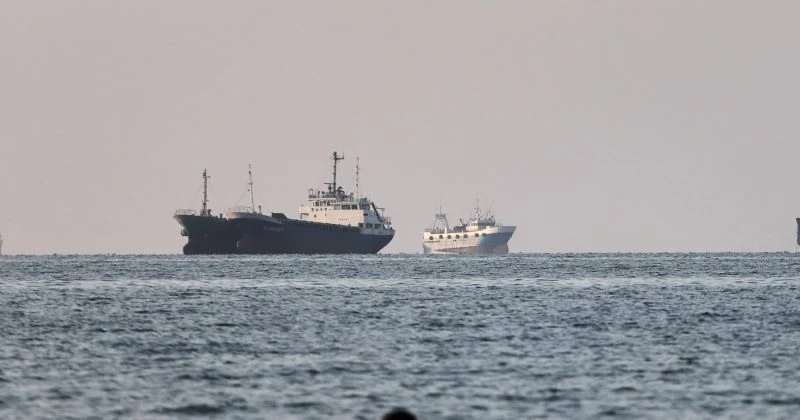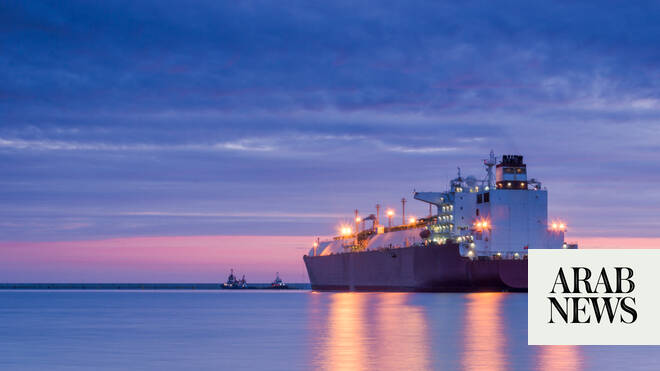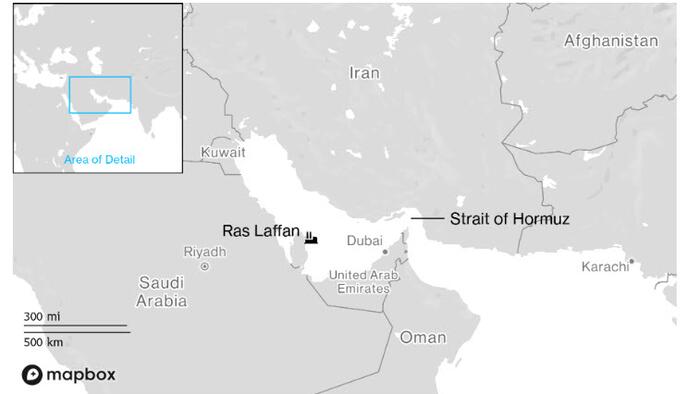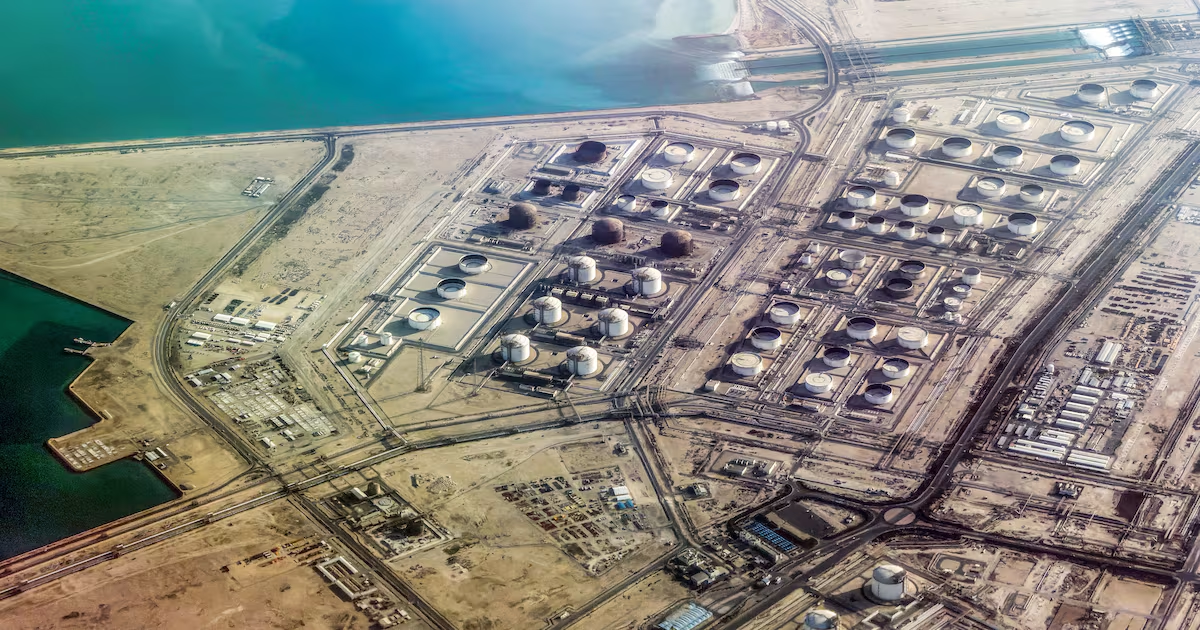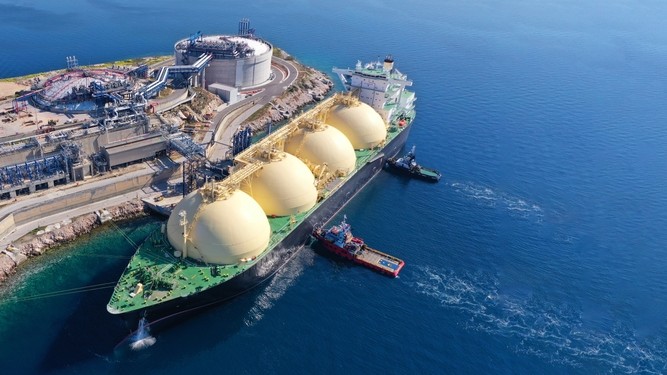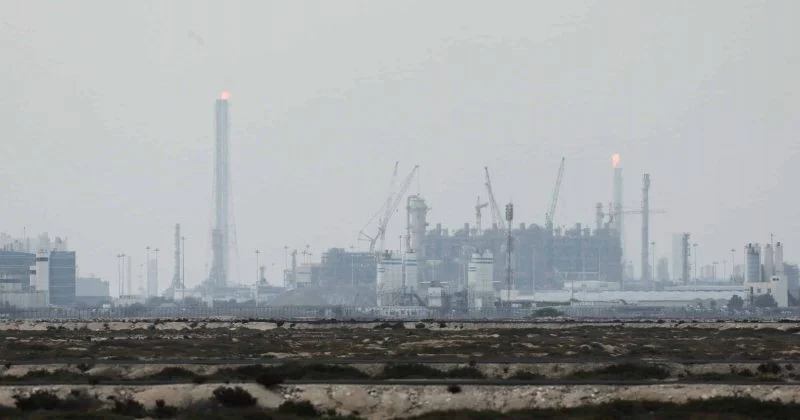
Qatar, responsible for roughly 20% of global liquefied natural gas trade, has seen its exports completely shut down for approximately 60 days. The closure of the Strait of Hormuz, compounded by missile strikes on the Ras Laffan industrial complex, has created what is shaping up to be the most significant energy supply disruption in years.
Qatar’s finance minister, Ali bin Ahmed Al Kuwari, has described the energy price increases seen so far as merely the “tip of the iceberg.” He warned that if disruptions persist, the full-scale macroeconomic impacts will materialize within one to two months.
The scale of the damage
Ras Laffan is the single largest concentration of LNG production capacity on the planet, handling nearly 20% of global LNG exports on its own. The damage from missile strikes has been severe enough that full restoration timelines are estimated at three to five years.
US LNG exports are already operating near maximum capacity at roughly 18 billion cubic feet per day. There is very little room to ramp up production to offset the loss of Qatar’s output, which means the global gas market is staring at a structural supply deficit with no easy fix.