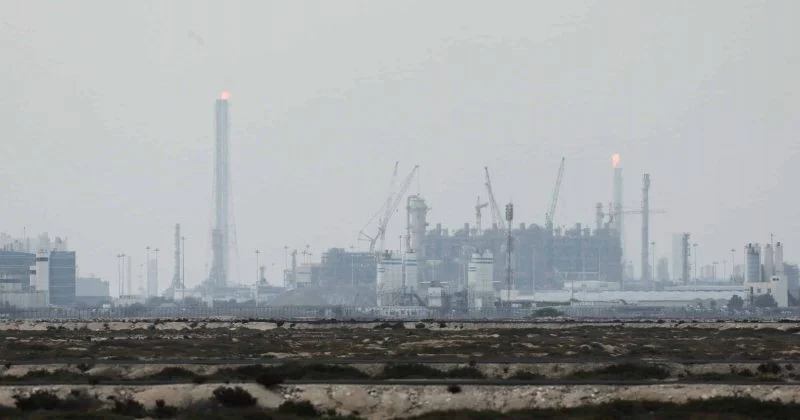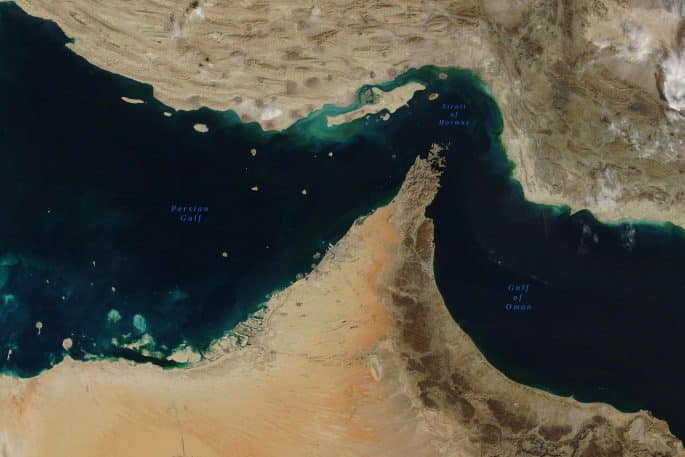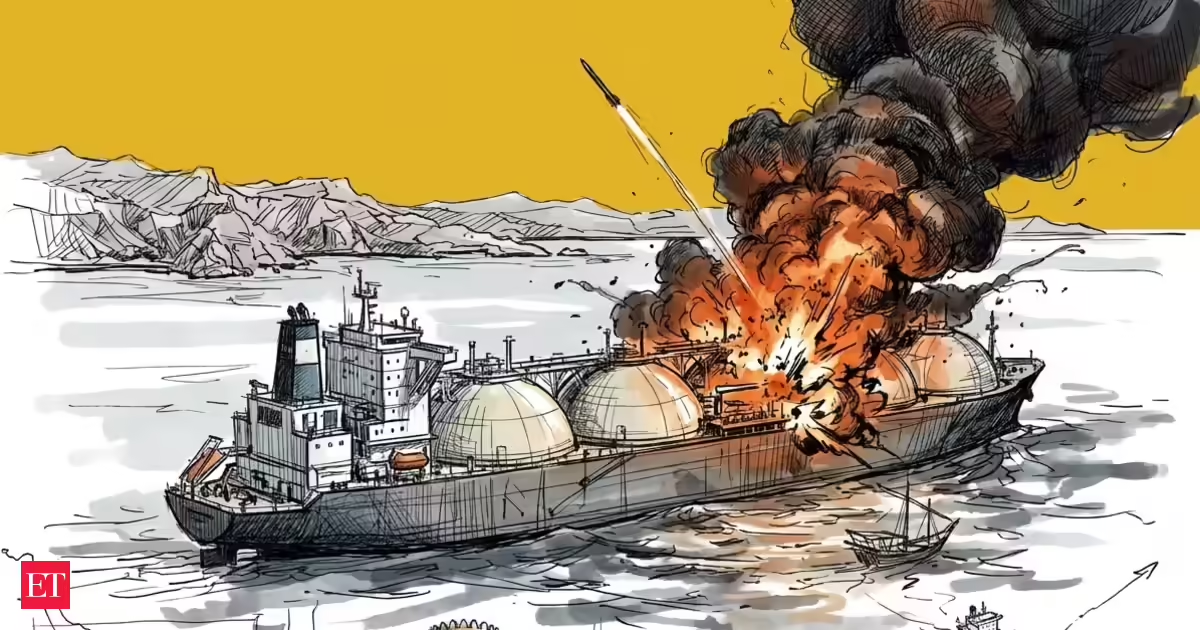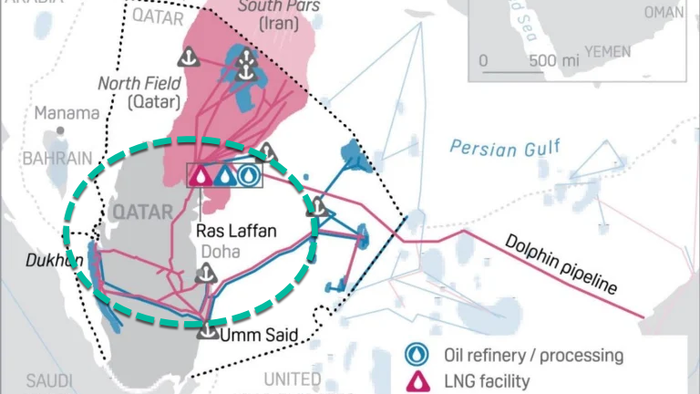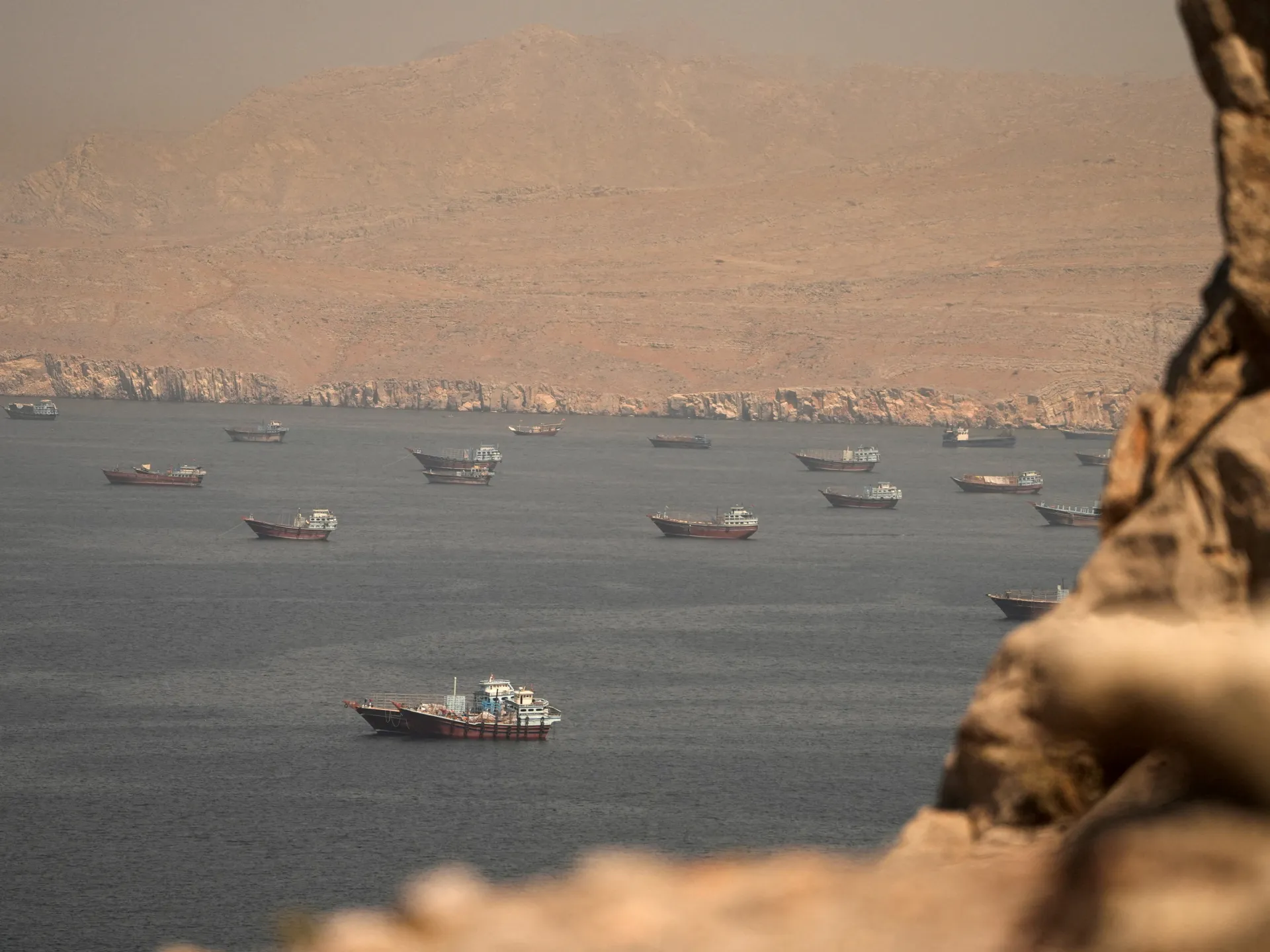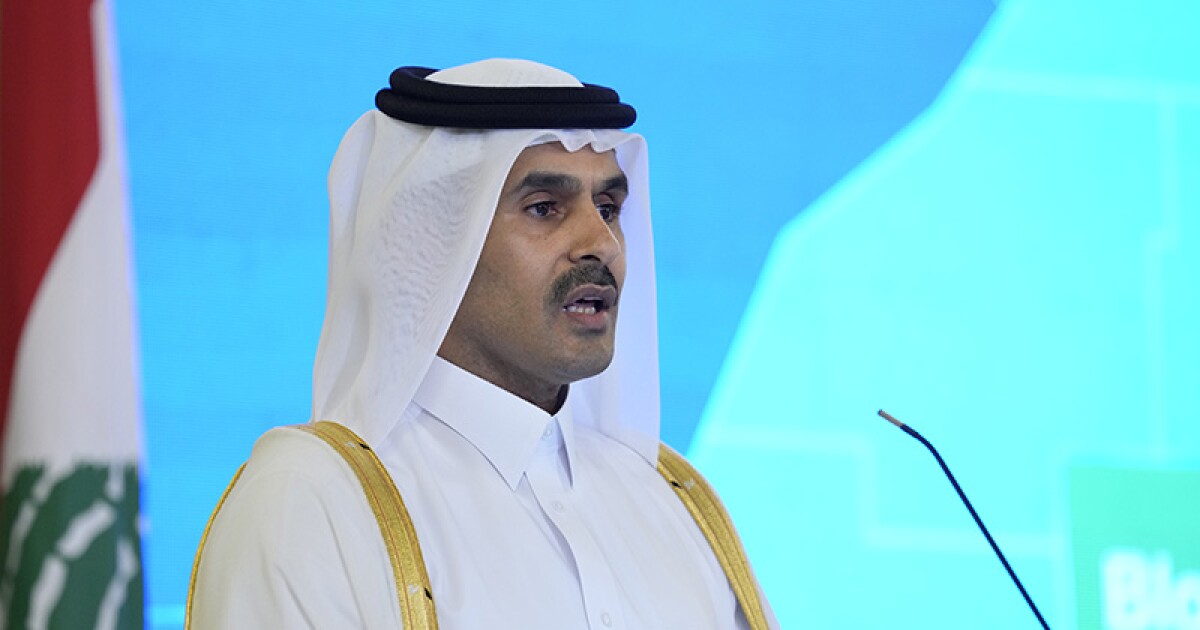
Since the start of the Mideast crisis, Qatar has looked particularly exposed. It has no alternative routes to export outside the Gulf, and it suffered precision missile strikes on two multibillion-dollar LNG trains that won't be repaired much before 2030. But the mood in Doha this week was cautiously confident. The world will force a deal between the US and Iran before too long, and with it, unlock a slow, difficult return to normal exports of the products the world needs, according to Qatari Energy Minister Saad al-Kaabi. "Everybody is obligated to open the Strait of Hormuz for the economies of the world," he told Energy Intelligence in an exclusive, wide-ranging interview. The US and Iran appeared no closer to a deal this week, but al-Kaabi, who is also the CEO of state-backed QatarEnergy, believes the global shortage of hydrocarbon-derived products across the board — LNG and oil, yes, but also petrochemicals and fertilizers — is rapidly reaching acute levels and will push up prices, pressuring consumers and, by extension, governments. He admitted to being surprised that oil and gas prices have stayed relatively subdued to date, but al-Kaabi predicted that "the paper money and the physical prices are going to converge very quickly." He sees the political pressure rising in the US, warning that $8 per gallon gasoline could become a reality by July, up from $4.53 now.
World Is Responsible for Opening Hormuz Strait: Al-Kaabi
As Qatar's export predicament continues, the message from Doha is that shortages and price spikes are around the corner if Hormuz isn't opened soon.
229 words~1 min read