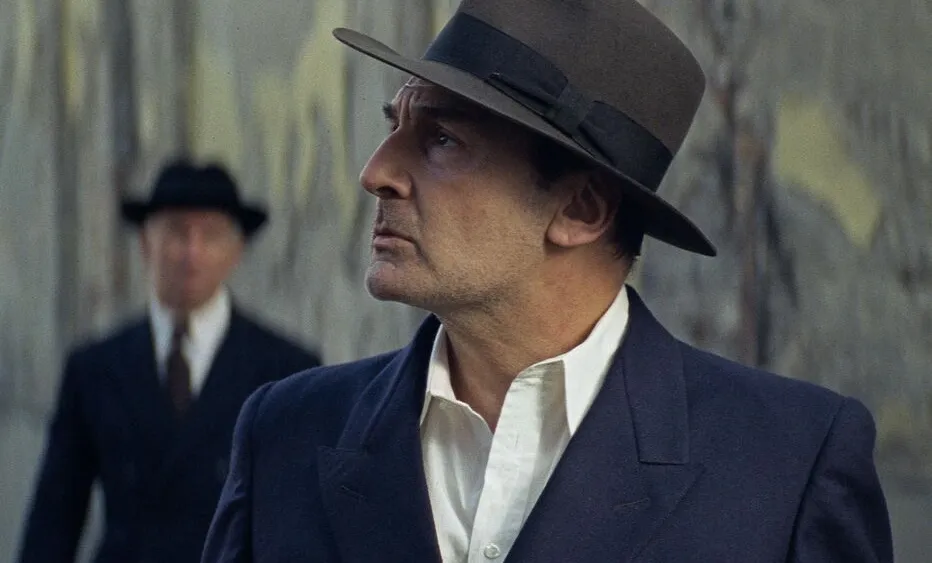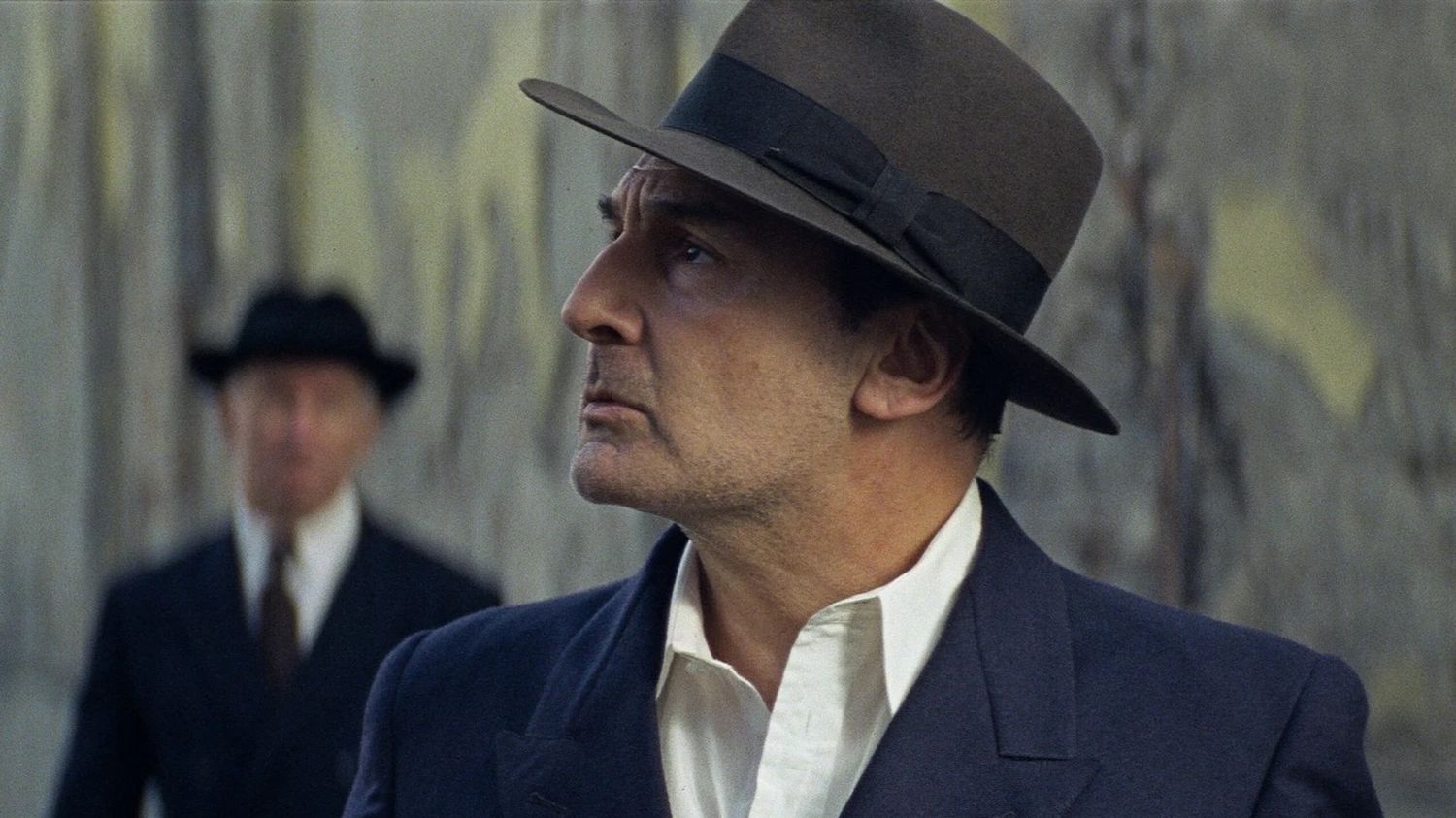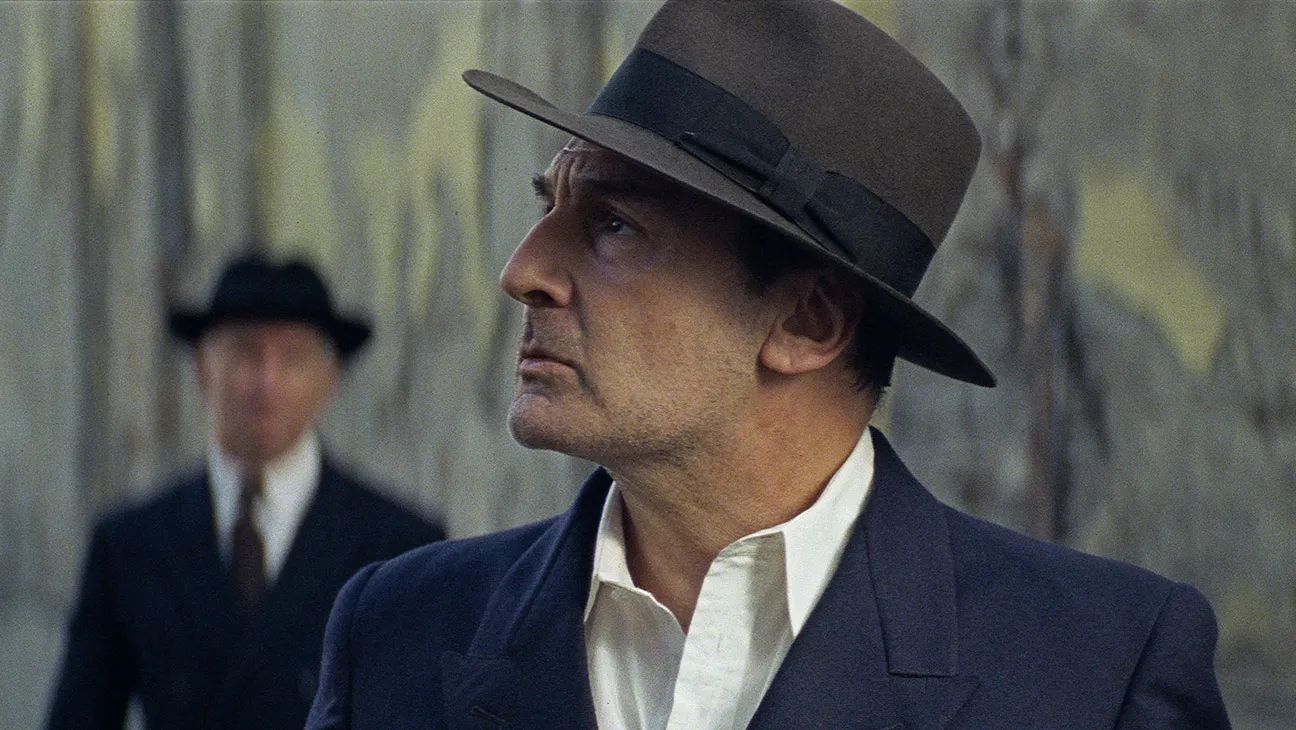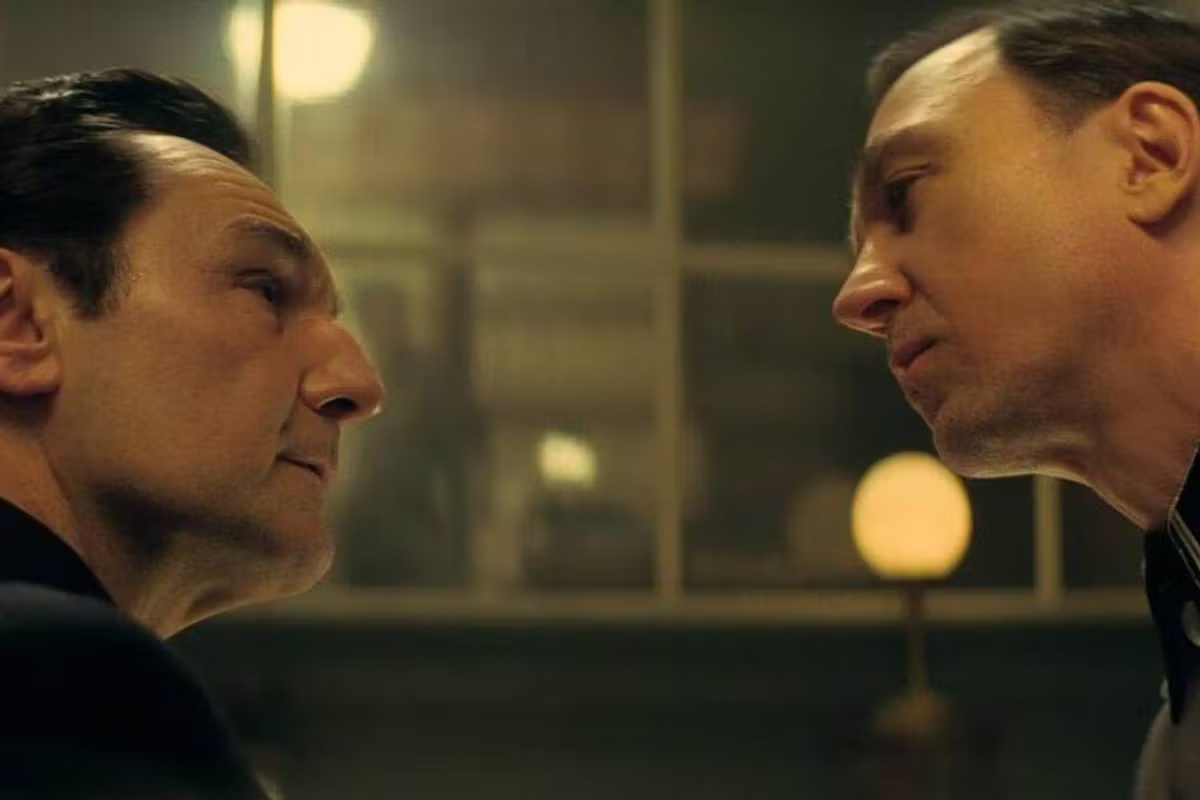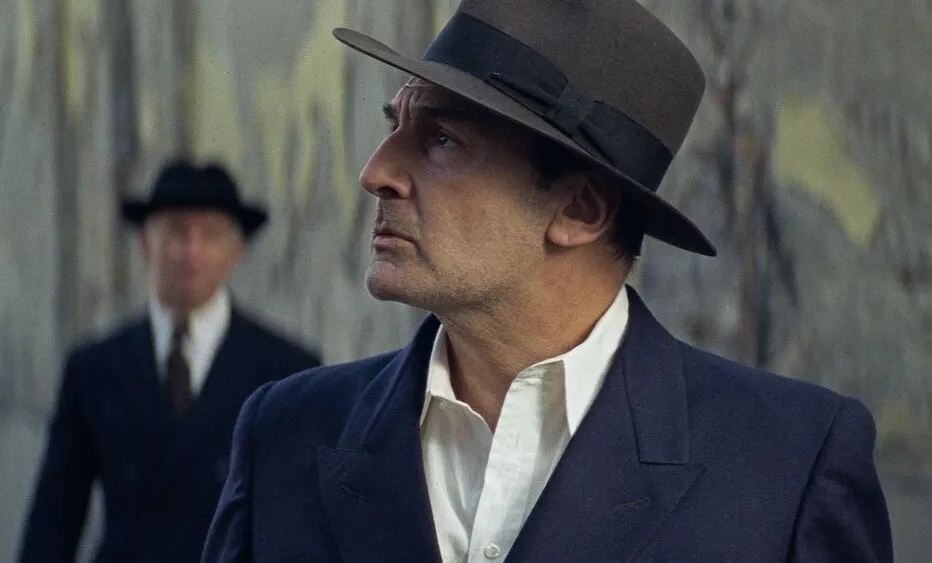
Eleven years after stunning Cannes with the searing Holocaust drama “Son of Saul,” which won the Grand Prix and went on to earn the Oscar for best international feature, Hungarian filmmaker Laszlo Nemes returns to the Croisette with another harrowing journey into WWII in Europe. But while “Son of Saul” immersed audiences in the machinery of extermination, Nemes’ new competition entry, “Moulin,” explores France under the German occupation through the eyes of French Resistance hero Jean Moulin.Rather than doing a biopic of Moulin, Nemes charts the final 10 days before his death and his chilling confrontation with Klaus Barbie, the infamous Nazi officer known as the “Butcher of Lyon.” Played by Gilles Lellouche in a transformative performance opposite a haunting Lars Eidinger as Barbie, “Moulin” is an “immersive take on what he went through and the choices he made,” Laszlo told Variety in an interview ahead of the Cannes Film Festival. “There are elements of a spy movie, adventurousness, some epic quality,” Nemes says. “It’s a confrontational movie, and the tension of that confrontation between Barbie and Moulin is at the heart of it.” For Nemes, who spent part of his childhood under Hungary’s communist dictatorship before the fall of the Berlin Wall, the material resonated. “I cherish those memories in my gut of what it was to live in a world that’s not free. We were yearning so much to be free. Sometimes the West doesn’t quite understand how lucky they are to be free.”Nemes says he was especially drawn to the philosophical and moral dimensions of Moulin’s resistance. “It was almost like a clash of civilizations between a view of the world that’s humanism and a world focused on destroying anything good in humans,” he says. “This confrontation between these two men says something about human civilization and its two faces.”The filmmaker also wanted to steer clear of caricatures on either side of the conflict. “I didn’t want a circus Nazi,” he says of Eidinger’s portrayal of Barbie. “I also didn’t want two-dimensional heroes on Jean Moulin’s side either. The foundational fact is that both men are humans, not demons or gods. There are two ways a human being can evolve.”“Moulin,” produced by Alain Goldman at Pitchipoï Prods. and Montmartre Films, in co-production with TF1 Films Production, marks Nemes’ first French-language feature and is one of the several WWII-set movies bowing at Cannes, alongside Emmanuel Marre’s “A Man of His Name,” Antonin Baudry’s “De Gaulle” and Daniel Auteuil’s “La Troisieme Nuit.”
After ‘Son of Saul,’ László Nemes Returns to WWII With ‘Moulin’ and a Warning About Tyranny: ‘You Have to Choose Your Side’
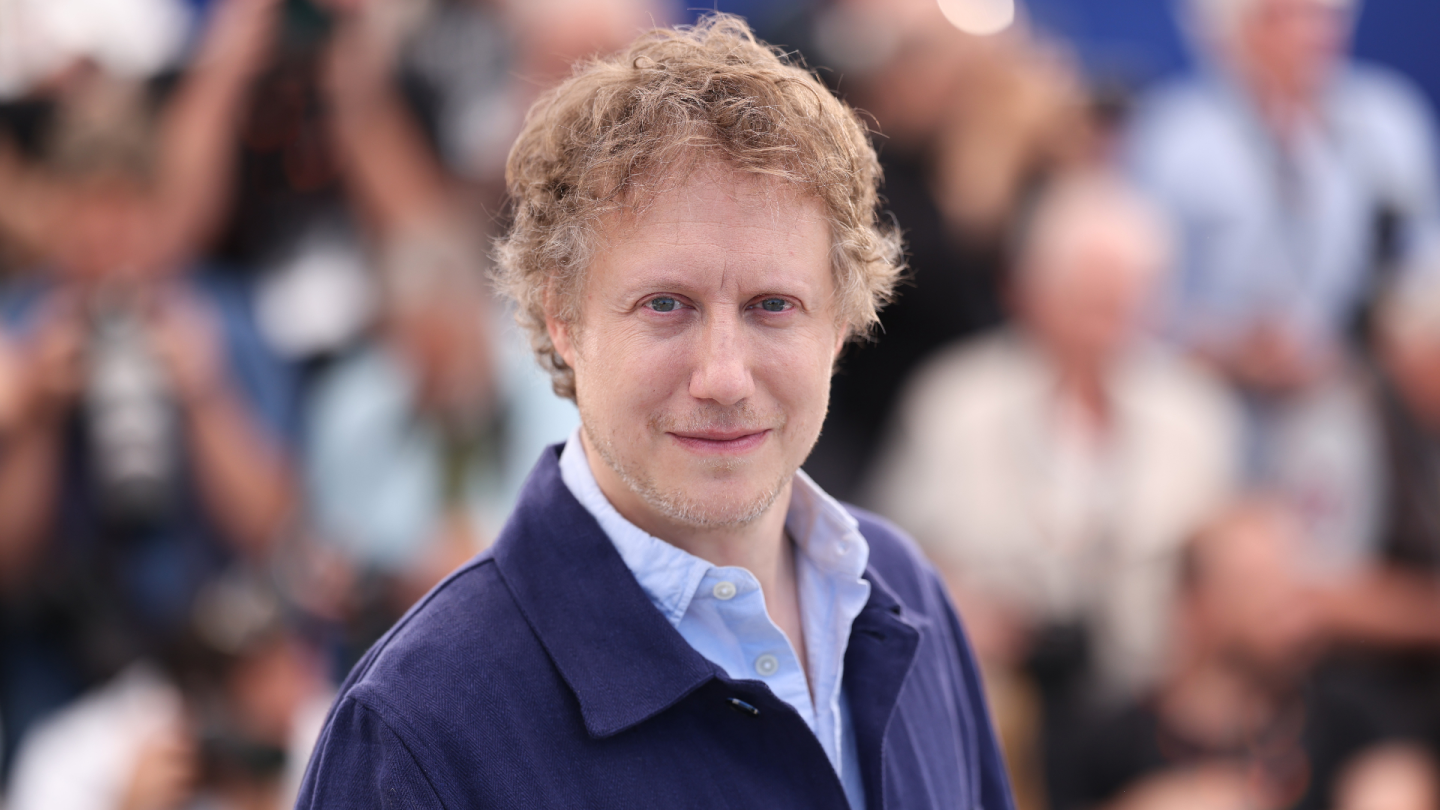
Laszlo Nemes is returning to Cannes with 'Moulin,' a thriller revolving around the face off between French Resistance hero Jean Moulin and Nazi officer Klaus Barbie.
2,753 words~13 min read