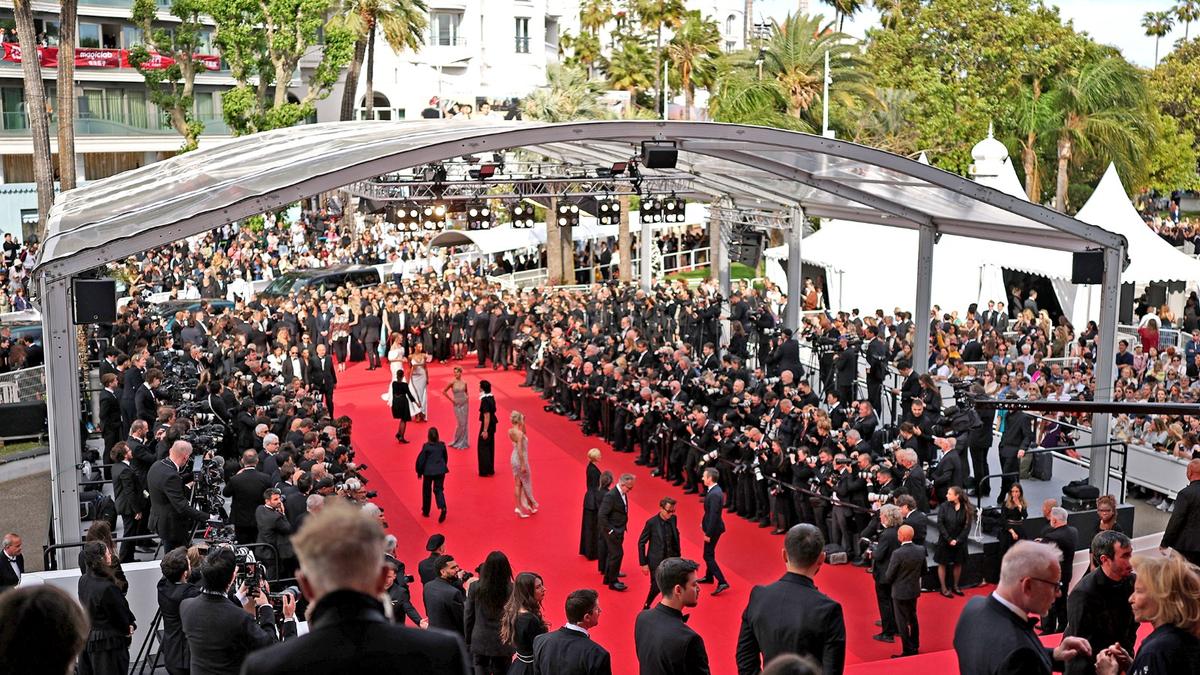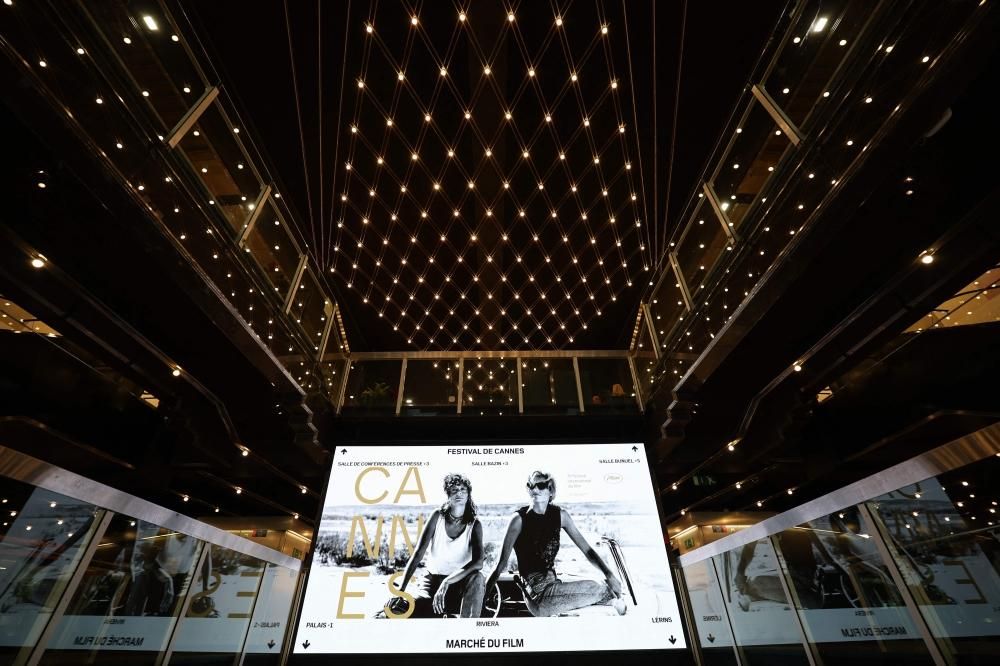
Let’s be honest: Business is slow. At this point in a typical Cannes Film Market, there would usually be at least a handful of big deals, a bidding war or two. Instead, crickets.
The hallways of the Palais des Festivals are busy enough — there are plenty of packages on offer and buyers and sellers are making the rounds. But the deals aren’t coming, at least not at the pace or the scale the market once reliably delivered.
The independent film industry, to put it plainly, is in transition — and nobody has quite figured out what it’s transitioning into.
The old model, the one that sustained the indie ecosystem, is visibly fraying. At its center was the pay-one television window: a predictable, lucrative revenue stream that allowed distributors to take risks on projects at the presale stage, backing films before a frame was shot based on talent attachments and a promising pitch. That window has largely collapsed, squeezed out by streaming platforms that negotiate their own deals directly and on their own terms. What’s left for independent distributors is a landscape stripped of the financial cushions that once made risk-taking viable.
Without the pay-one window, distributors simply aren’t willing to pre-buy the way they used to, especially at the high end, for $50 million plus projects, unless they are obvious, mainstream theatrical plays with big, bankable stars. The kind that are few and far between at the Cannes Marché this year.