in History, Science | May 8th, 2026 Leave a Comment
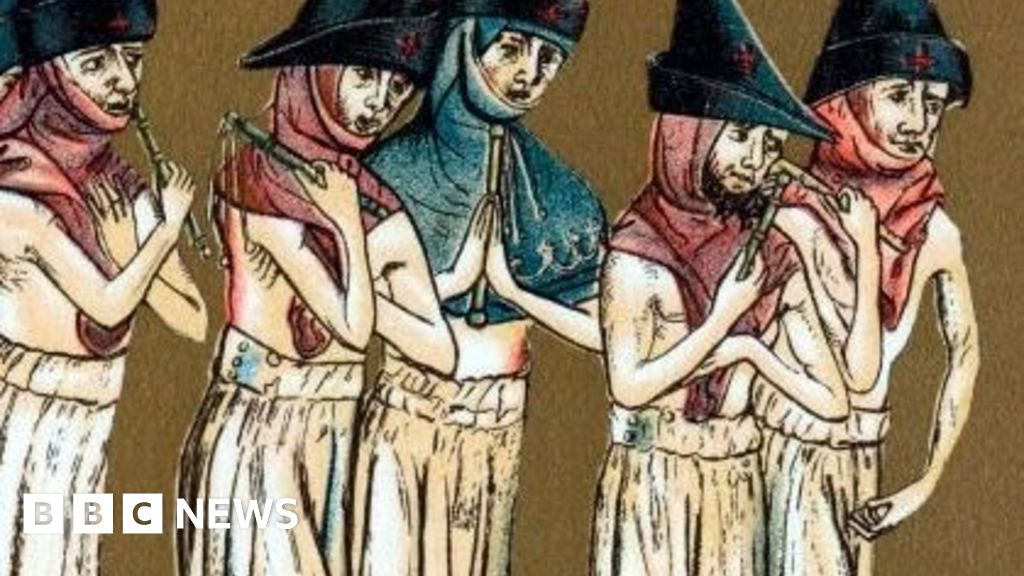
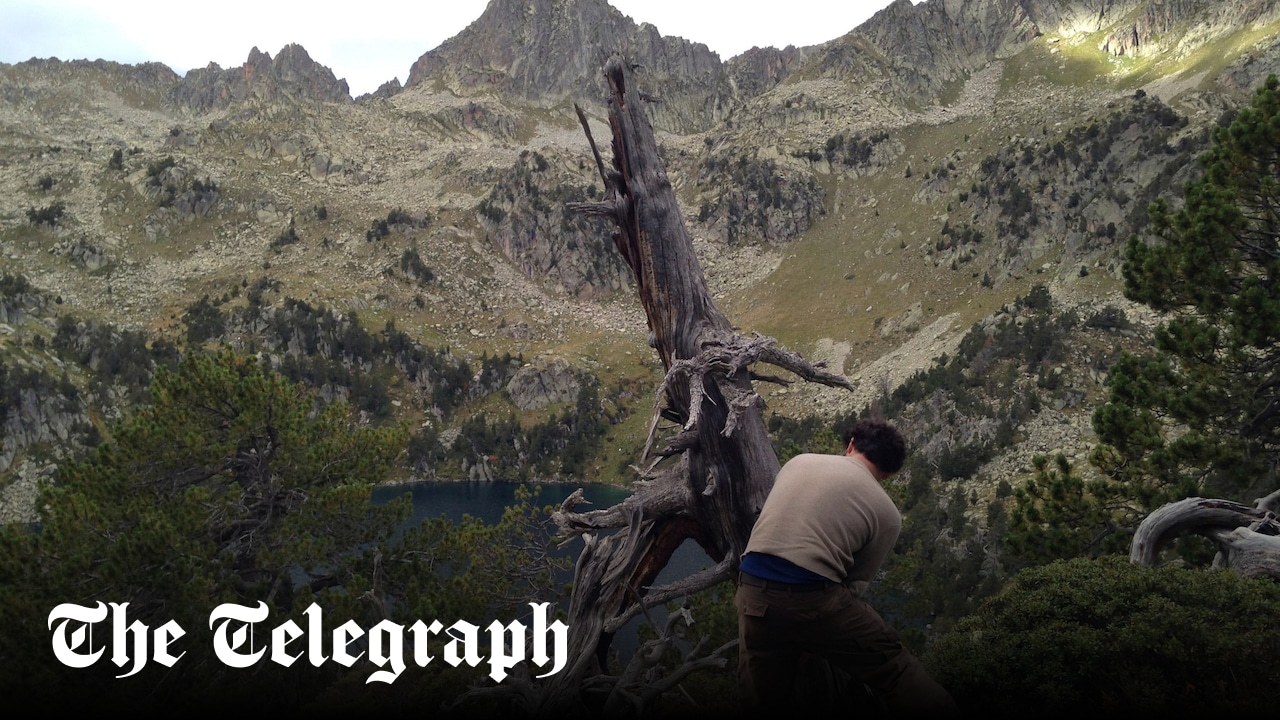
The flap of a butterfly’s wings on one side of the world can cause a hurricane on the other, or so they say. If we take it a bit too literally, that old observation may make us wonder what a hurricane can cause. Or if not a hurricane, how about another kind of large-scale natural disaster? If new findings by researchers from the University of Cambridge and the Leibniz Institute for the History and Culture of Eastern Europe are to be believed, a volcano’s eruption helped lead to the outbreak and spread of the Black Death across Europe in the fourteenth century. In the video above, British history and environmental science specialist Paul Whitewick explains the evidence on a visit to one of the abandoned medieval villages stricken by that plague.
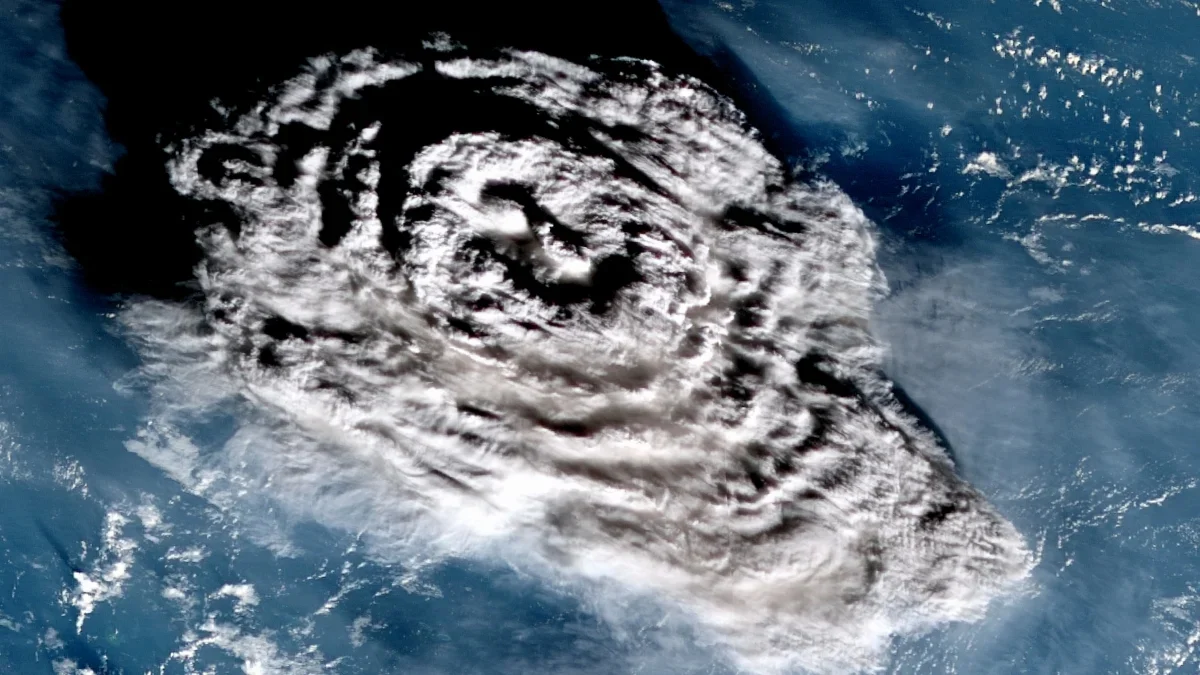
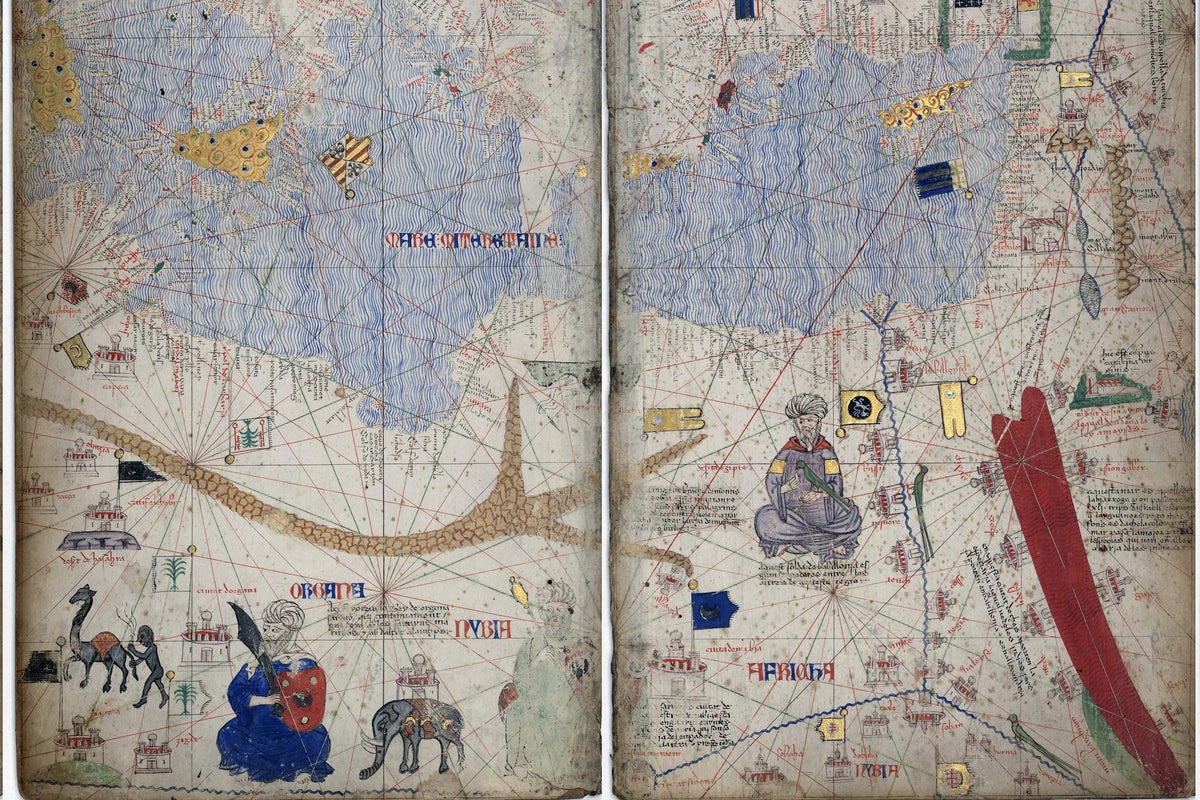
As Cambridge’s Sarah Collins writes, “the evidence suggests that a volcanic eruption — or cluster of eruptions — around 1345 caused annual temperatures to drop for consecutive years due to the haze from volcanic ash and gases, which in turn caused crops to fail across the Mediterranean region.” Desperate Italian city-states thus fell back on trading with grain producers around the Black Sea. “This climate-driven change in long-distance trade routes helped avoid famine, but in addition to life-saving food, the ships were carrying the deadly bacterium that ultimately caused the Black Death, enabling the first and deadliest wave of the second plague pandemic to gain a foothold in Europe.”