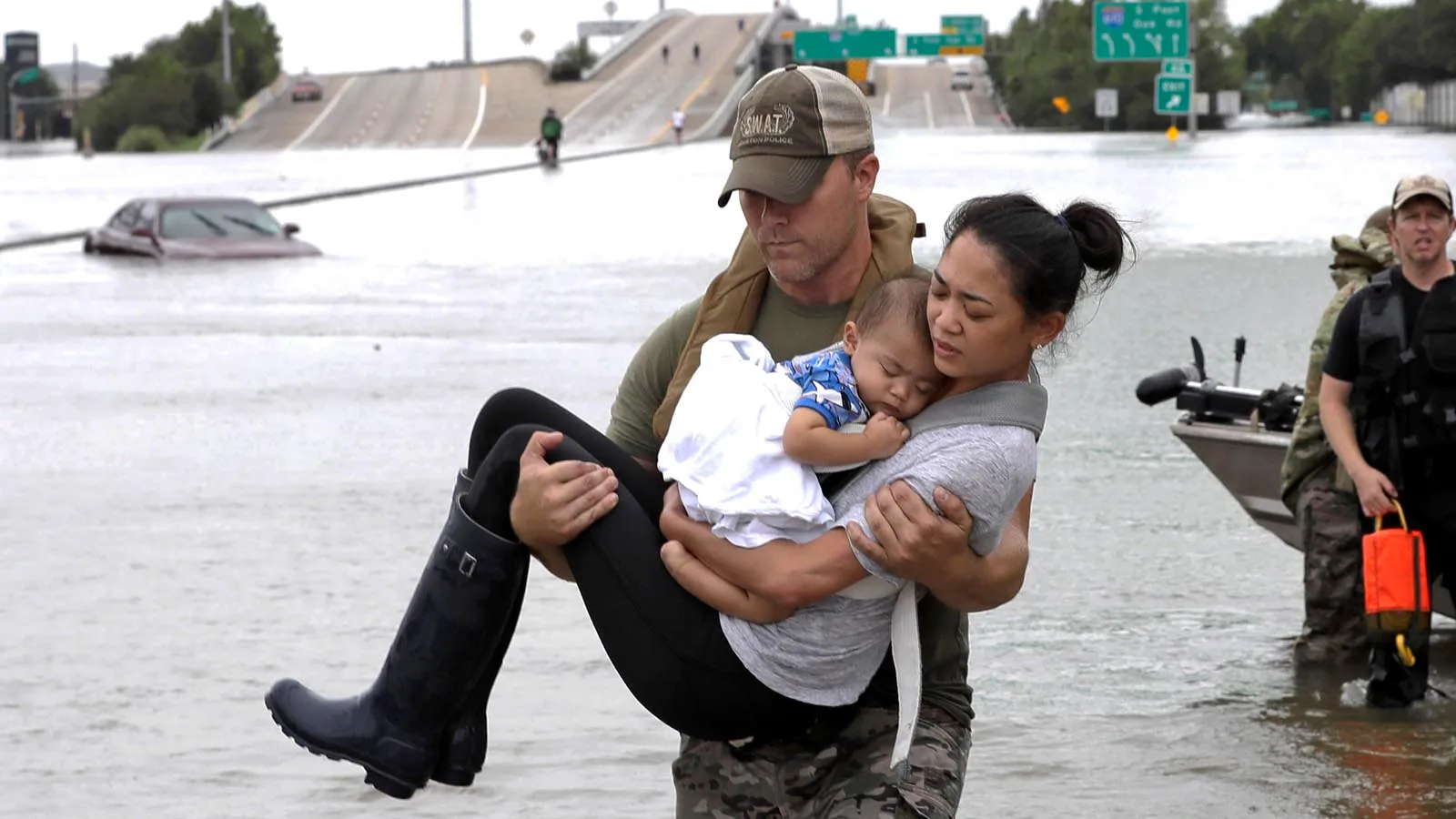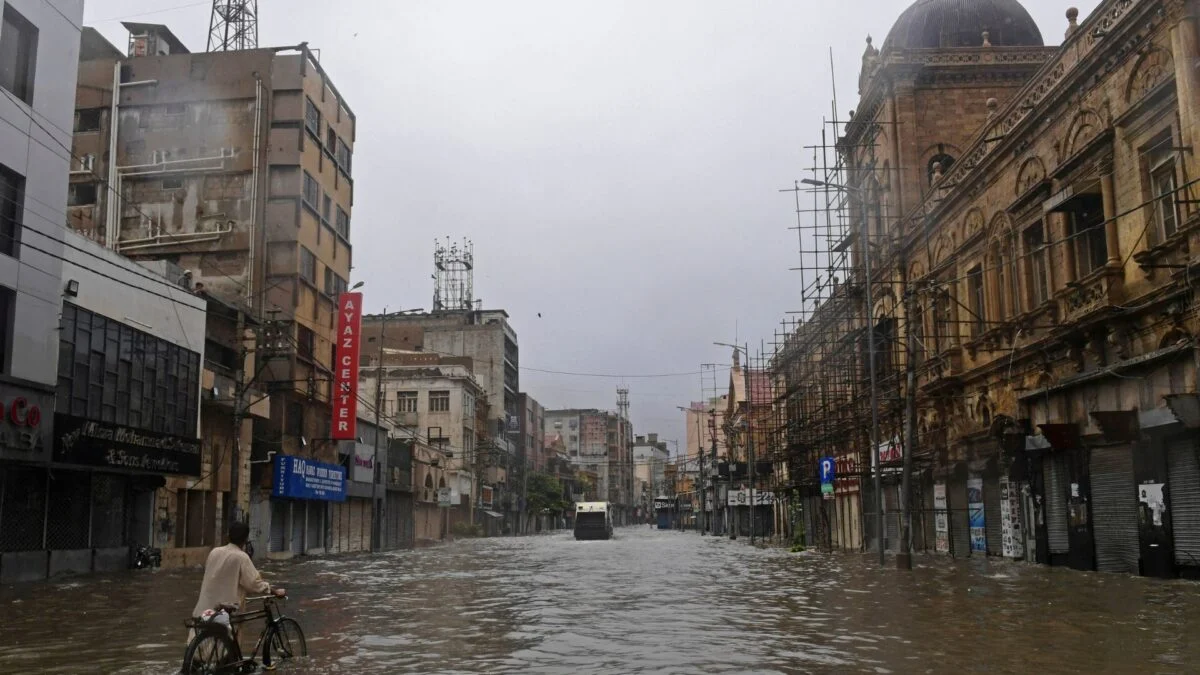
Difficulty means severe storms arrive with little warning of where or when exactly they will hit, with sometimes deadly consequences
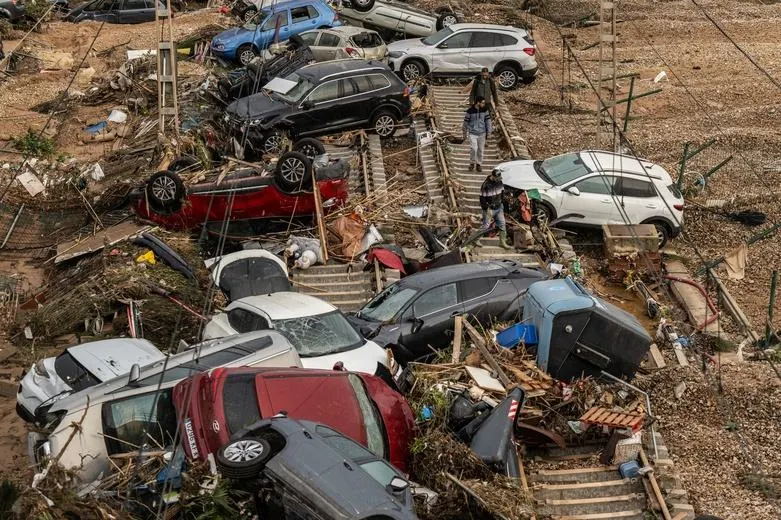
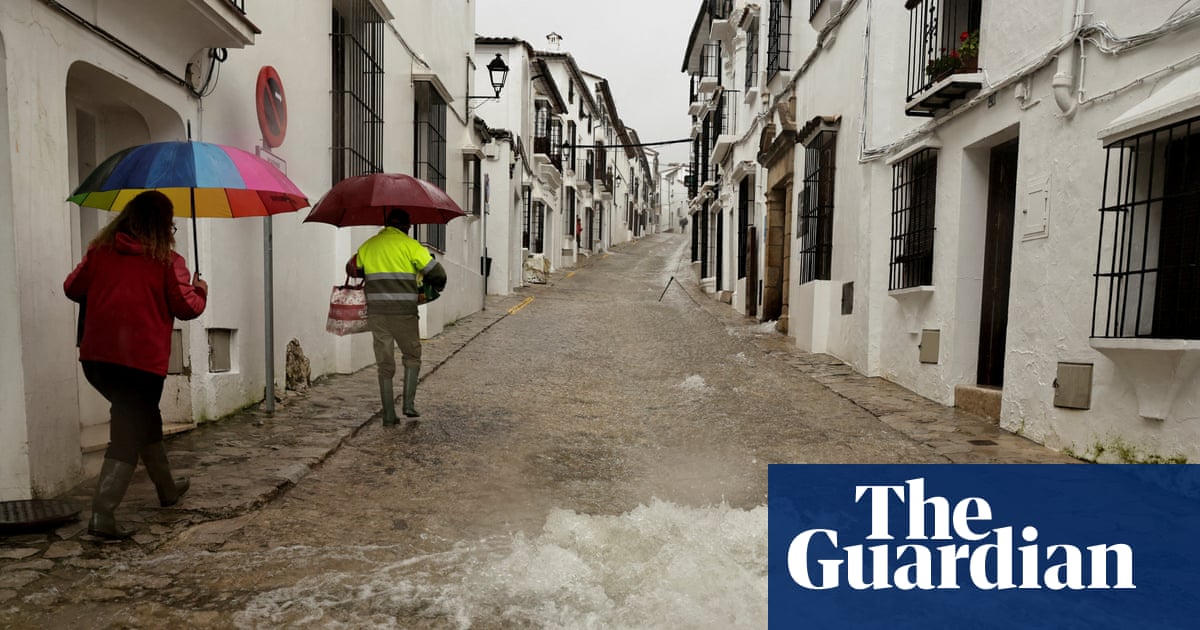
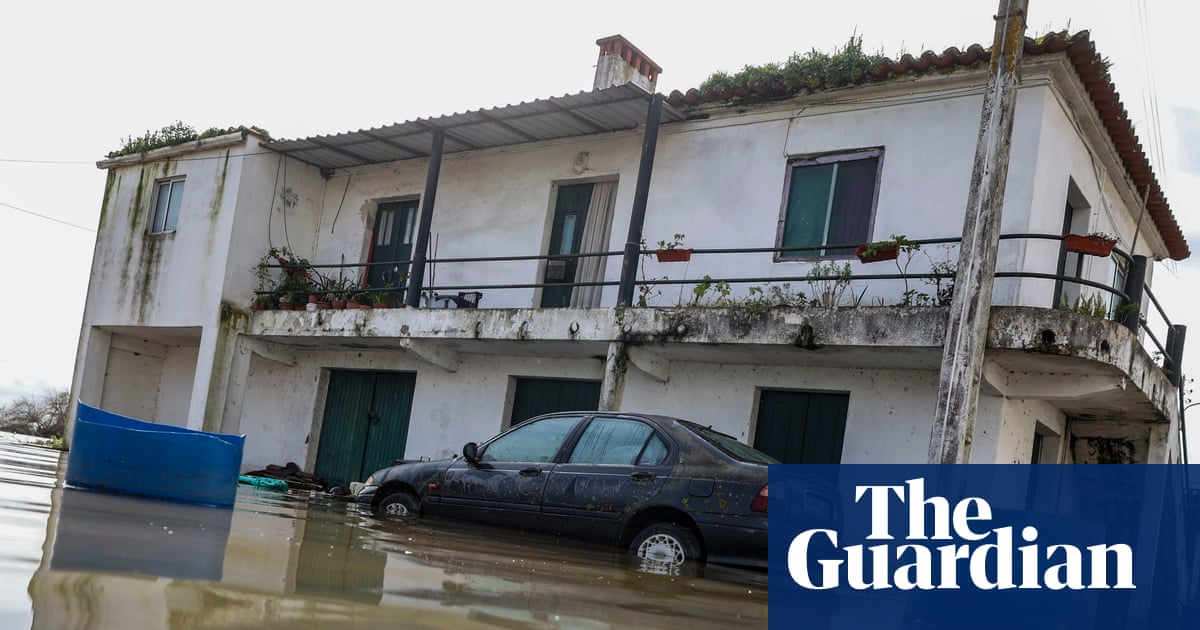
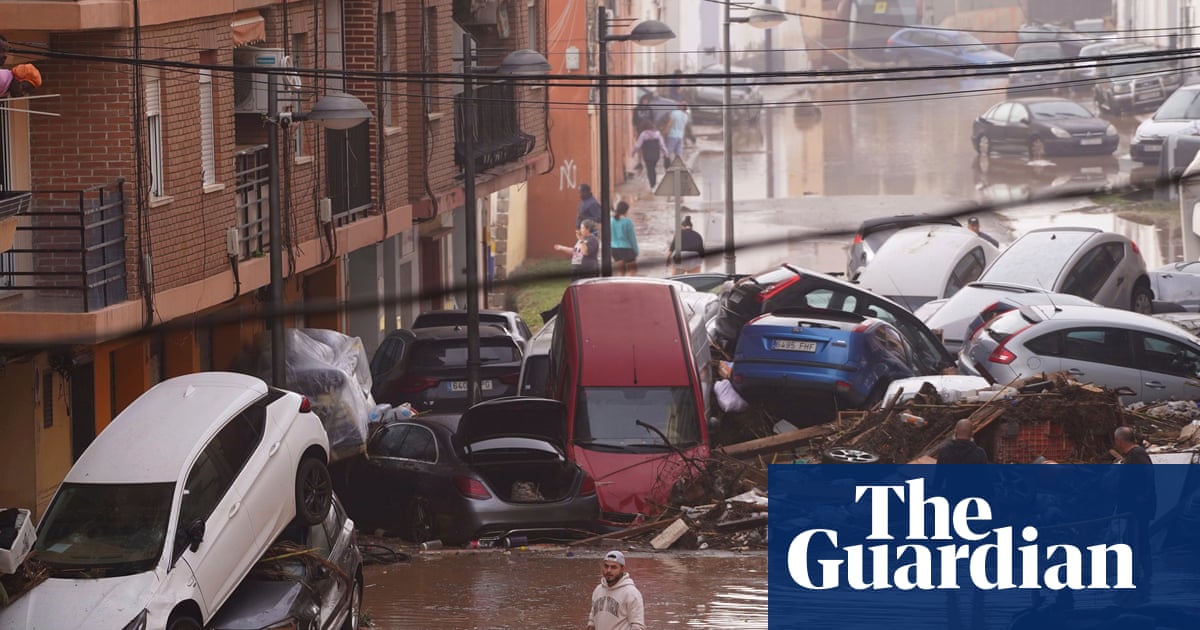
In October 2024 eastern Spain was hit by a deadly storm when more than a year’s worth of rain fell on the streets of Valencia. The resulting floods claimed more than 230 lives. Weather forecasts predicted that a major storm was on the way, but failed to pinpoint exactly where and when heavy rainfall would land.
Now a study has shown that one of the reasons rainfall is so hard to predict is because climate models are underestimating the shifts in large-scale wind patterns, such as the jet stream, that control storm tracks and rainfall distribution.
Lei Gu, from the University of Oxford, and colleagues analysed winter rainfall patterns across the northern hemisphere from 1950 to 2022 and studied the influence of a warmer atmosphere and changing circulation patterns.
Their findings, published in the journal Nature, show that climate models are accurately capturing the impact of a warmer atmosphere holding more moisture, but struggling to represent the shift in atmospheric circulation patterns caused by human emissions, which ultimately determine where the rain falls.