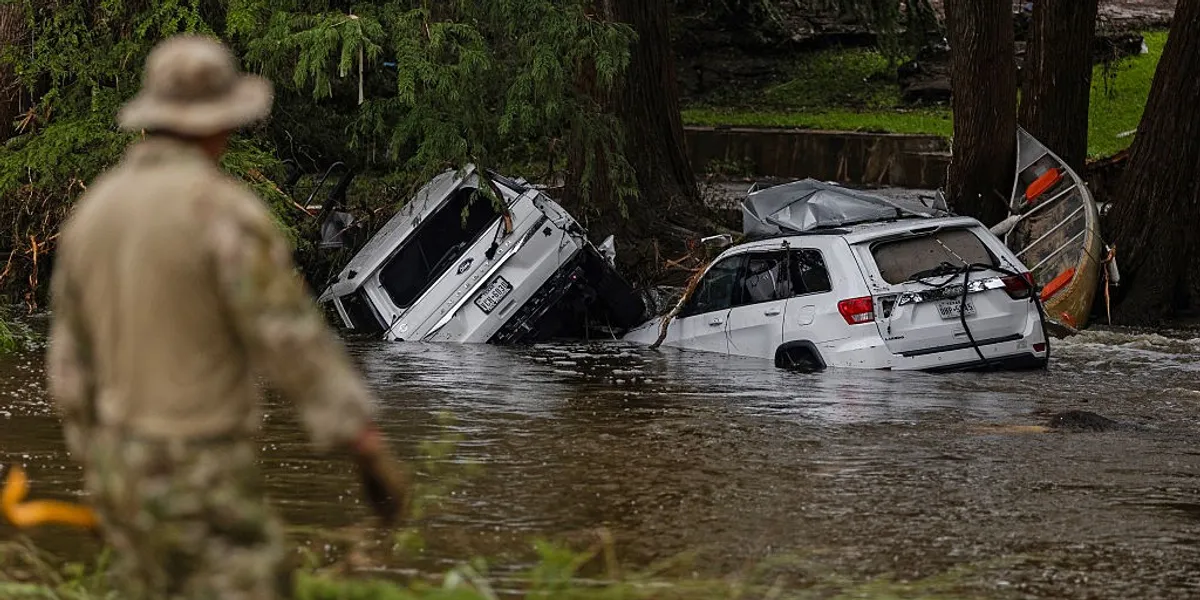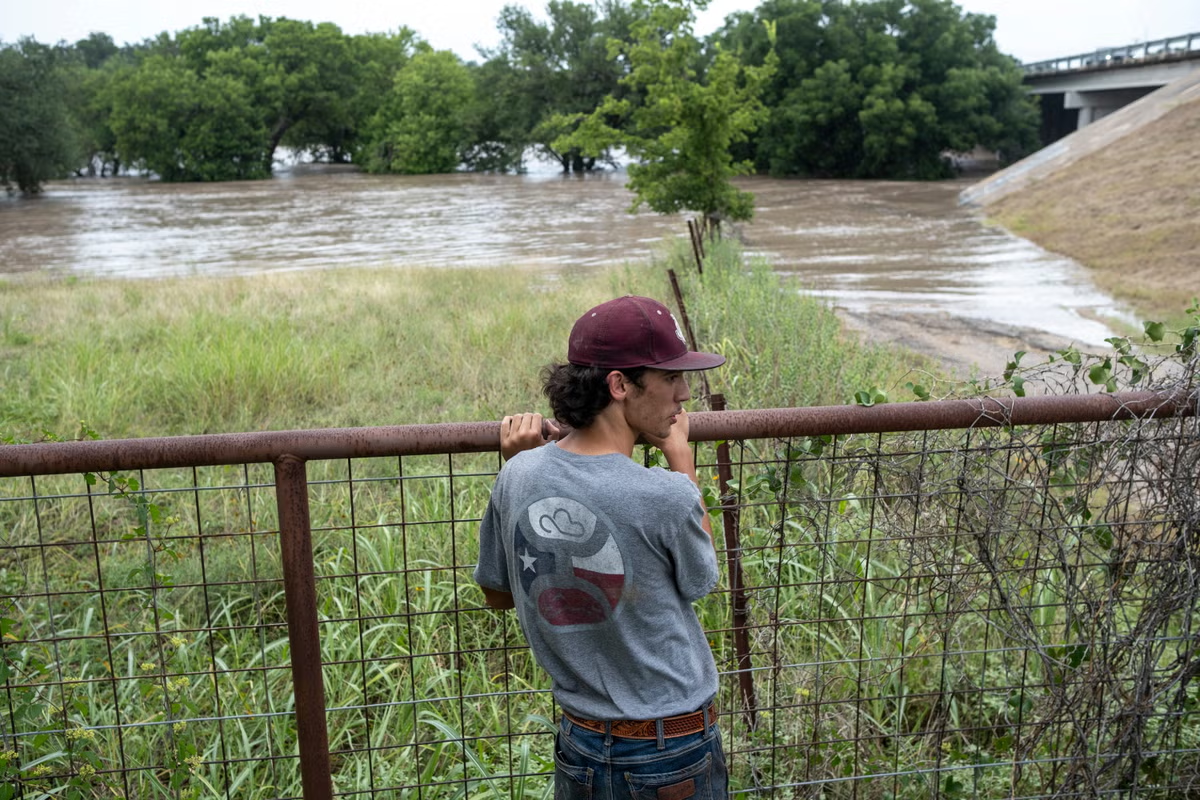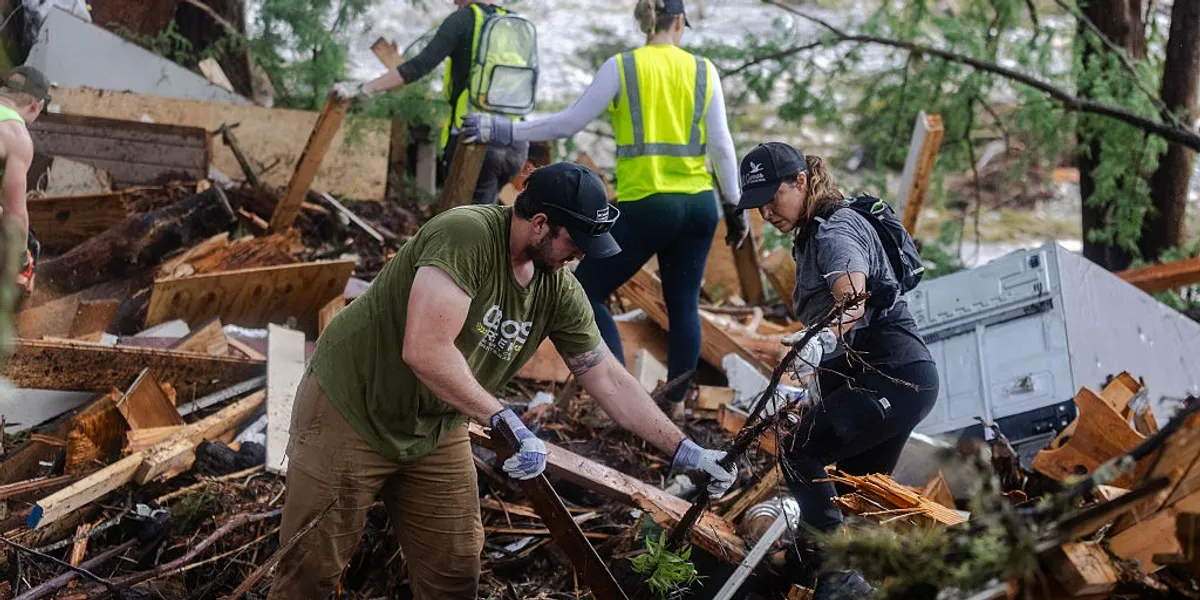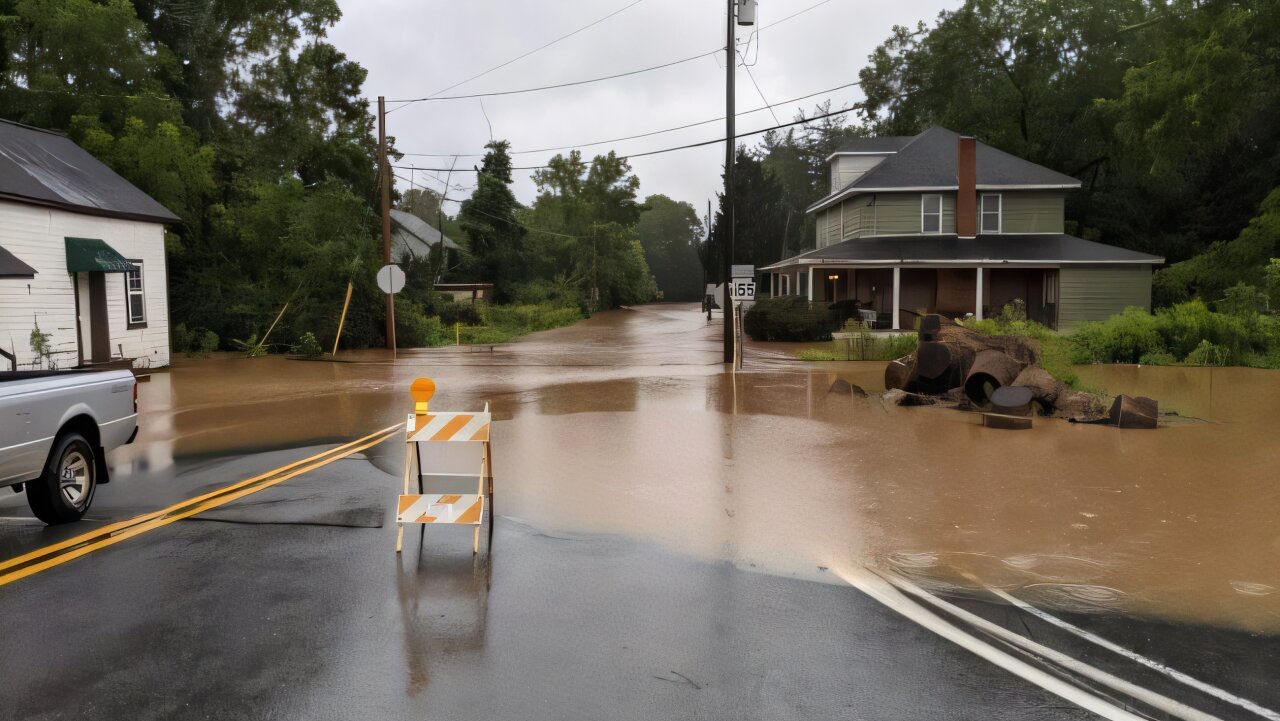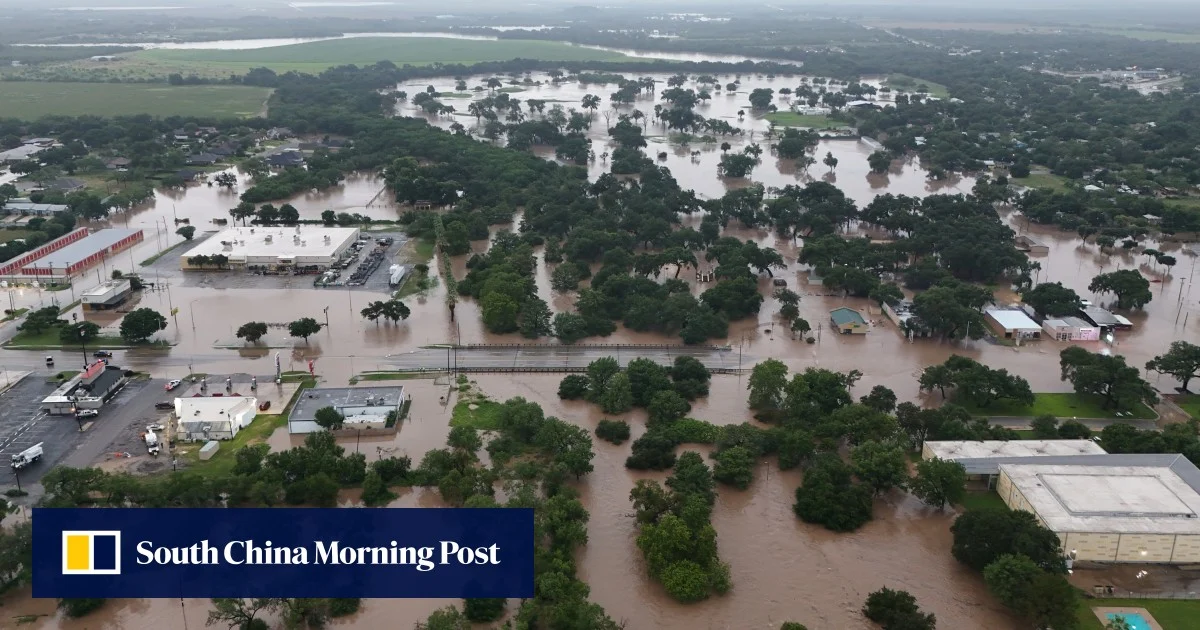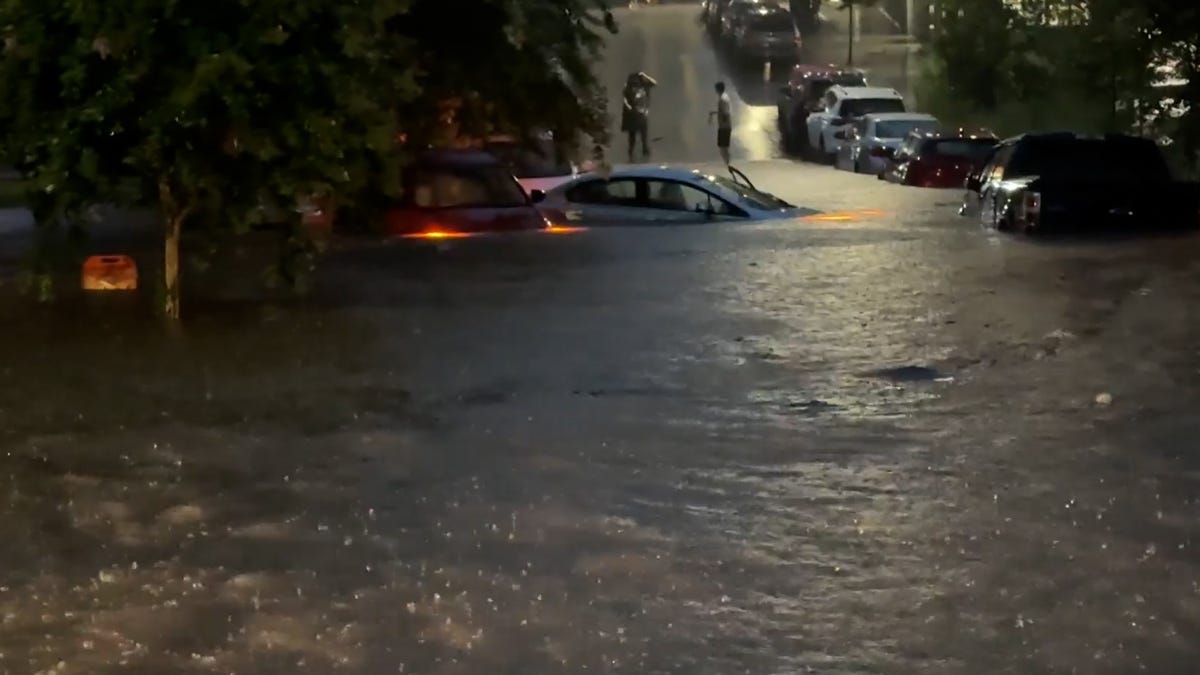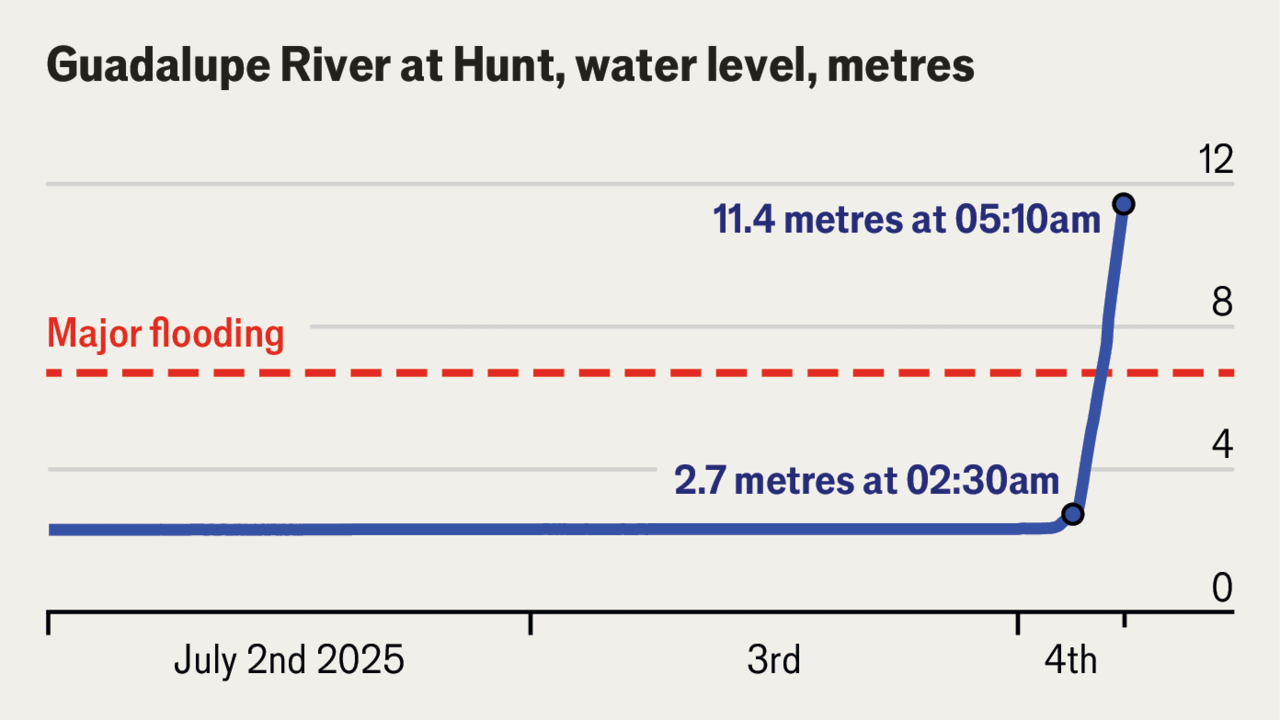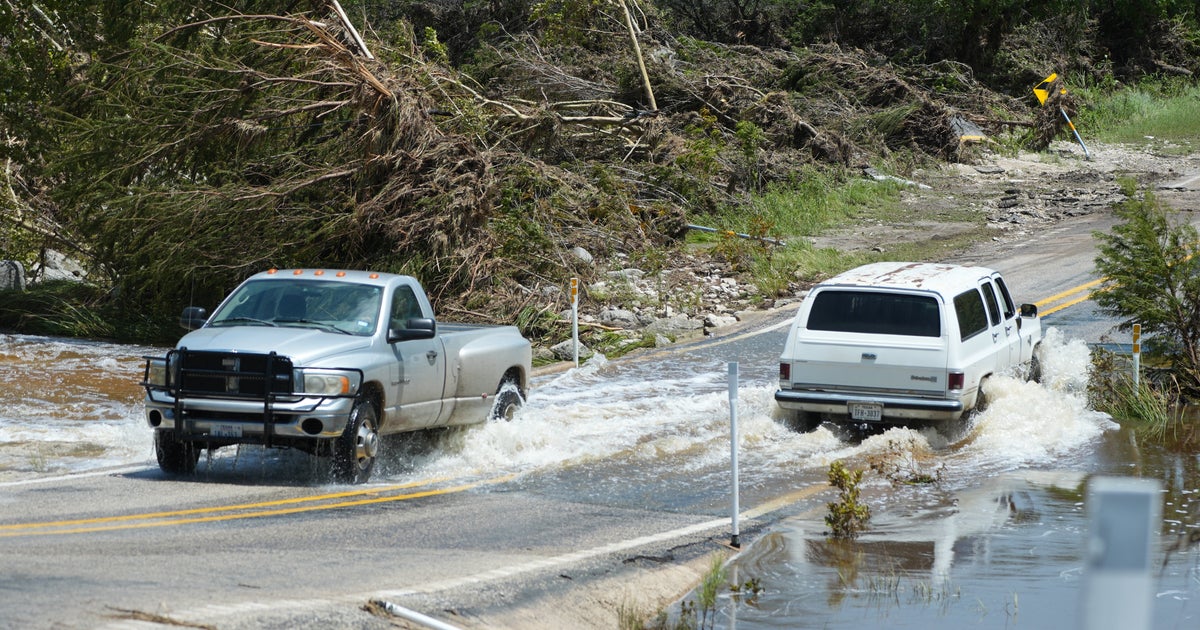
In Texas, a massive storm dumped as much as 15 inches of rain, fueling floods that claimed at least 104 lives this past week. In New Mexico, another storm unloaded 3 1/2 inches of monsoonal rains in 90 minutes, spurring flooding that killed three people. In North Carolina, Tropical Storm Chantal deposited up to 10 inches of rain, triggering flooding that resulted in five deaths.
The “extreme precipitation” that occurred in all three places is becoming increasingly common and more intense due to climate change, according to experts.
“These are roughly one-in-1,000-year events, [and] would be extremely rare in the absence of human-caused warming,” said Michael Mann, a University of Pennsylvania climate scientist, to HuffPost.
One key factor behind heavier rains is a warmer atmosphere, which is a direct result of climate change. Warm air can hold more moisture, so more precipitation is unleashed when storms occur. For every degree-Celsius that the atmosphere’s temperature increases, the amount of water vapor in it can go up by 7%, per NASA.
“The scientific literature shows that a warming atmosphere increases water vapor availability to storms. That’s just basic physics,” said James Marshall Shepherd, director of the atmospheric sciences program at the University of Georgia.