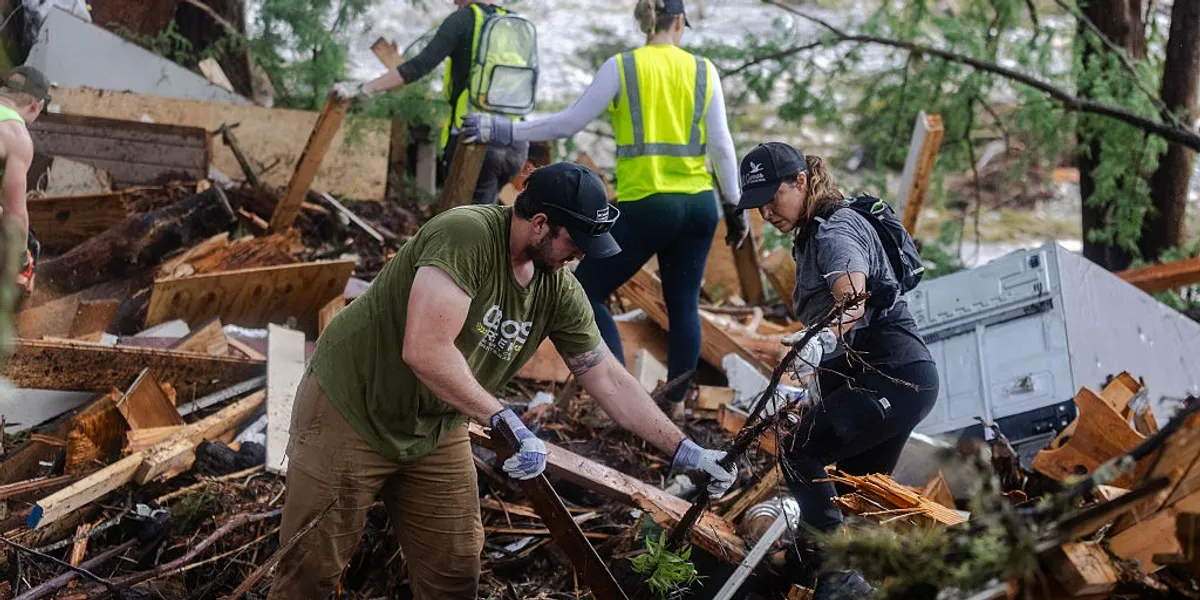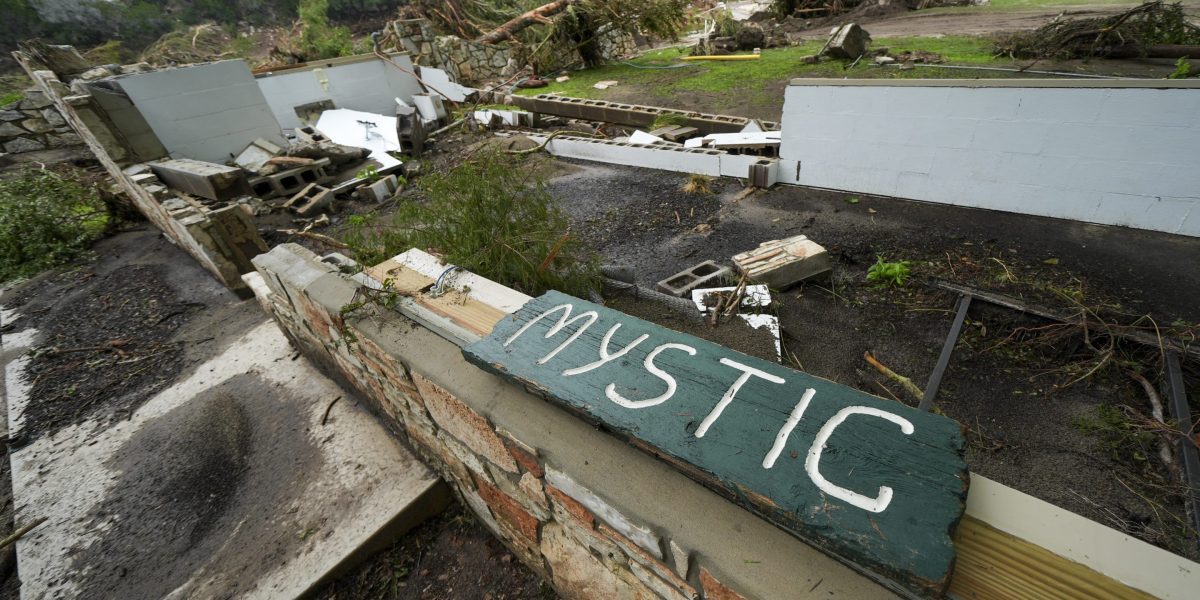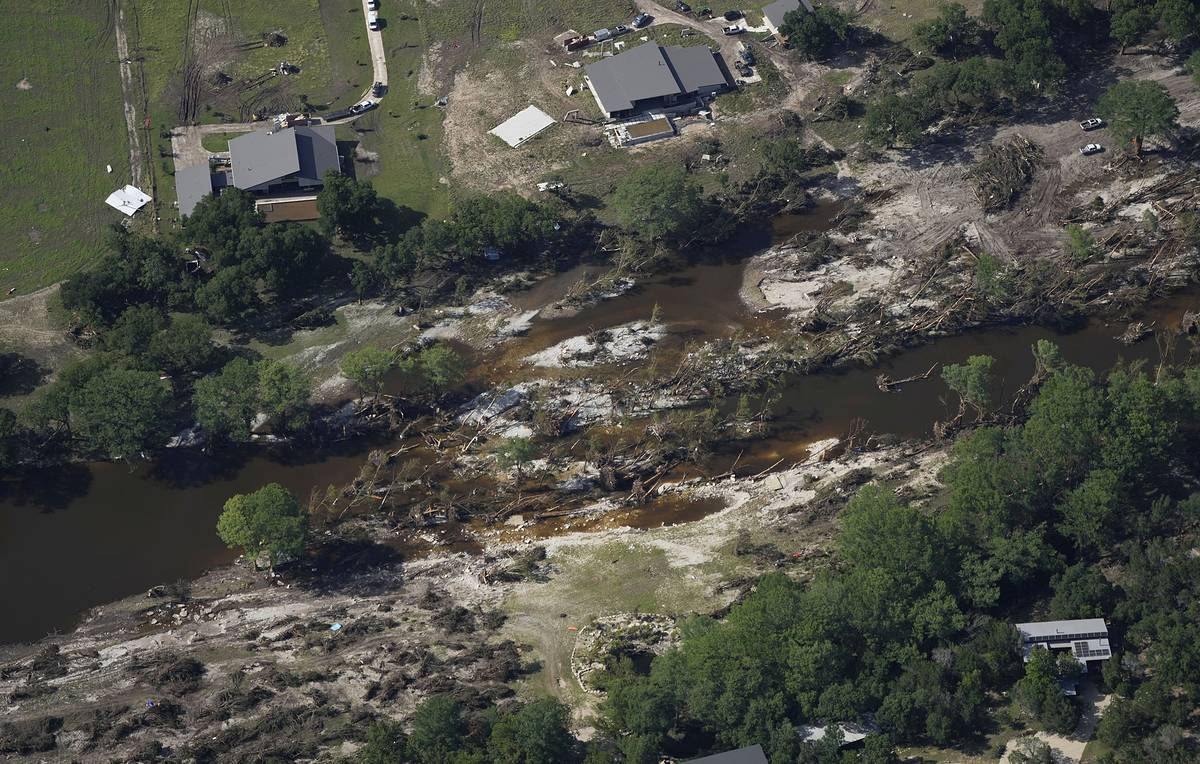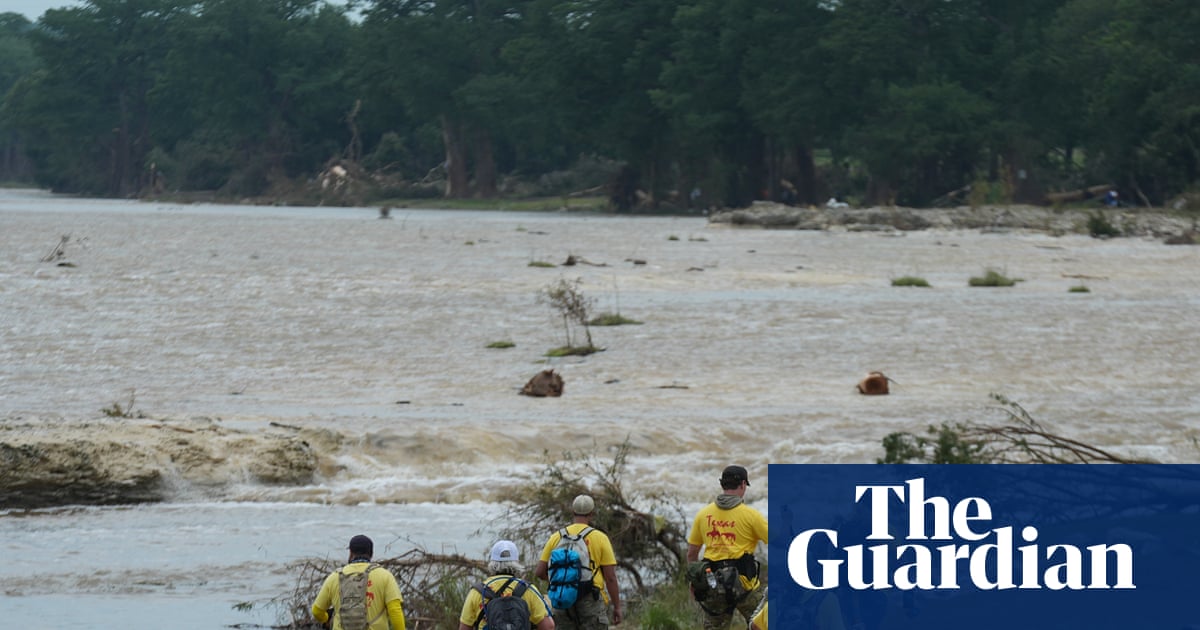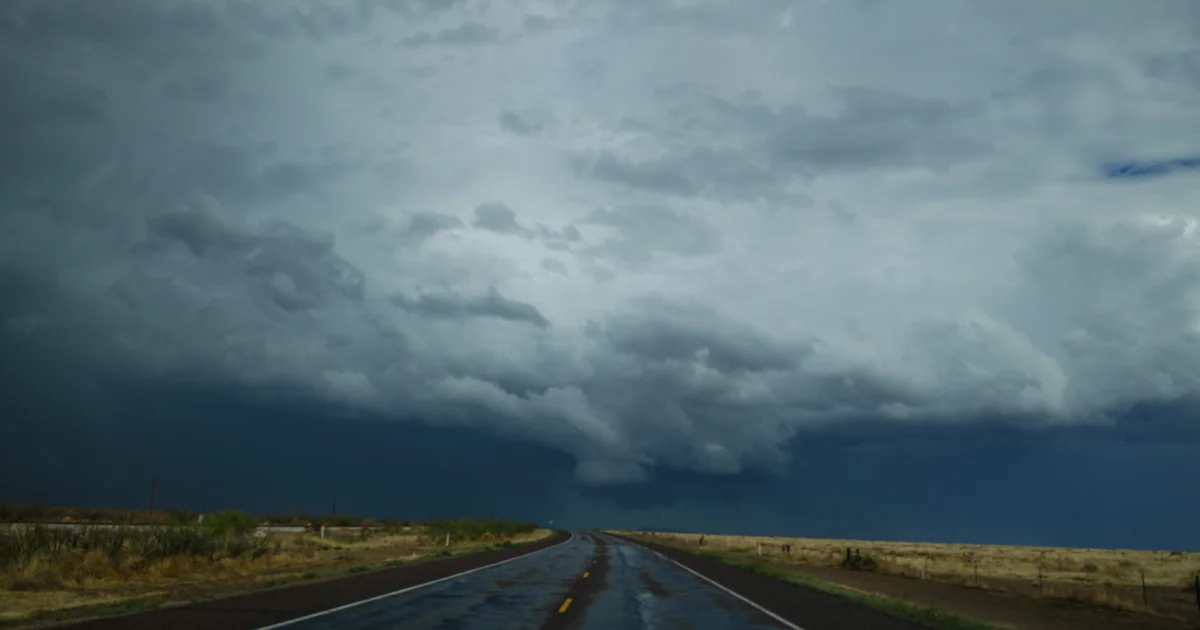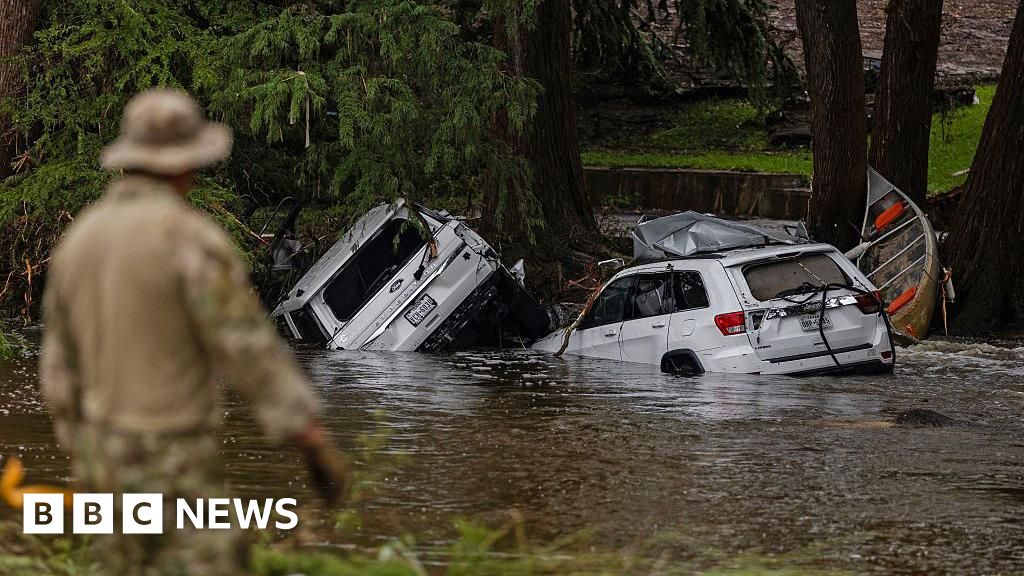
Deadly storms over the 4 July holiday ravaged Texas' Hill Country with several months' worth of rain in a few hours, leaving behind mangled trees, swaths of deep mud and heartbreak over hundreds lost or missing.
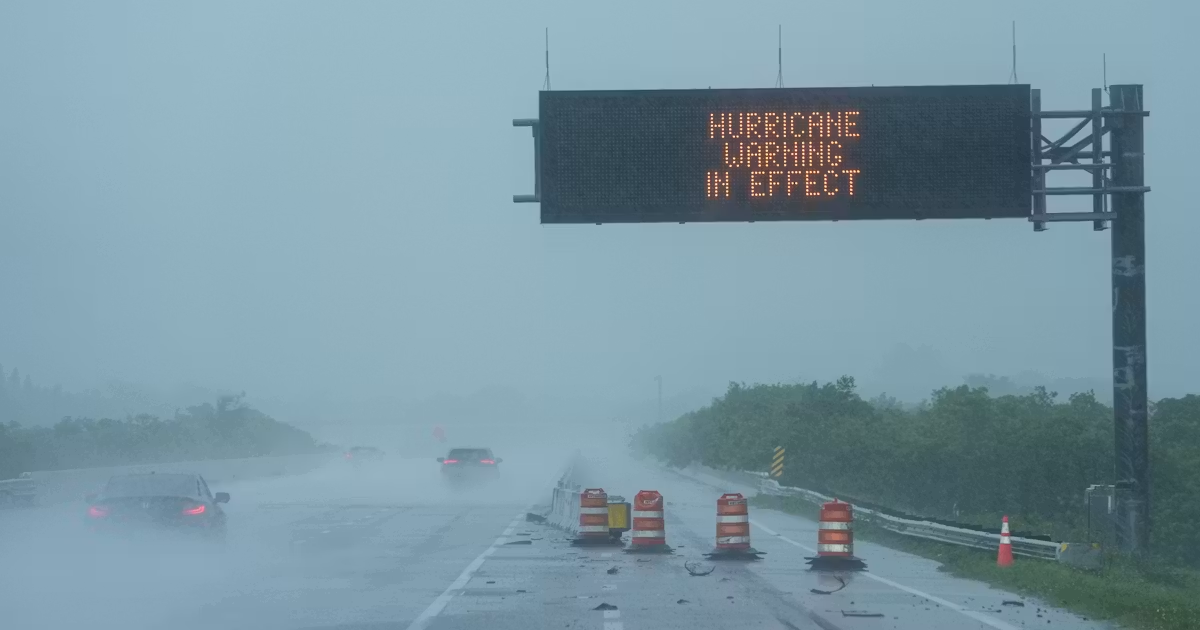
They also renewed focus on the US government's ability to warn and protect residents from weather catastrophes.
The intense rainfall and flash floods are the deadliest weather disaster in the US since President Donald Trump's administration conducted mass staff cuts at two key weather and climate agencies: the National Oceanic and Atmospheric Organisation (NOAA) and its subsidiary, the National Weather Service (NWS).
While experts say the National Weather Service issued alerts in a timely manner over the weekend, the deadly incident carries warnings about what could happen if the NWS and NOAA are not properly staffed and funded in the future.
"The Weather Service did a good job with the information you had here. I don't think the staffing cuts contributed to this," said Andy Hazelton, a climate scientist who was laid off from NOAA where he modelled hurricane paths.