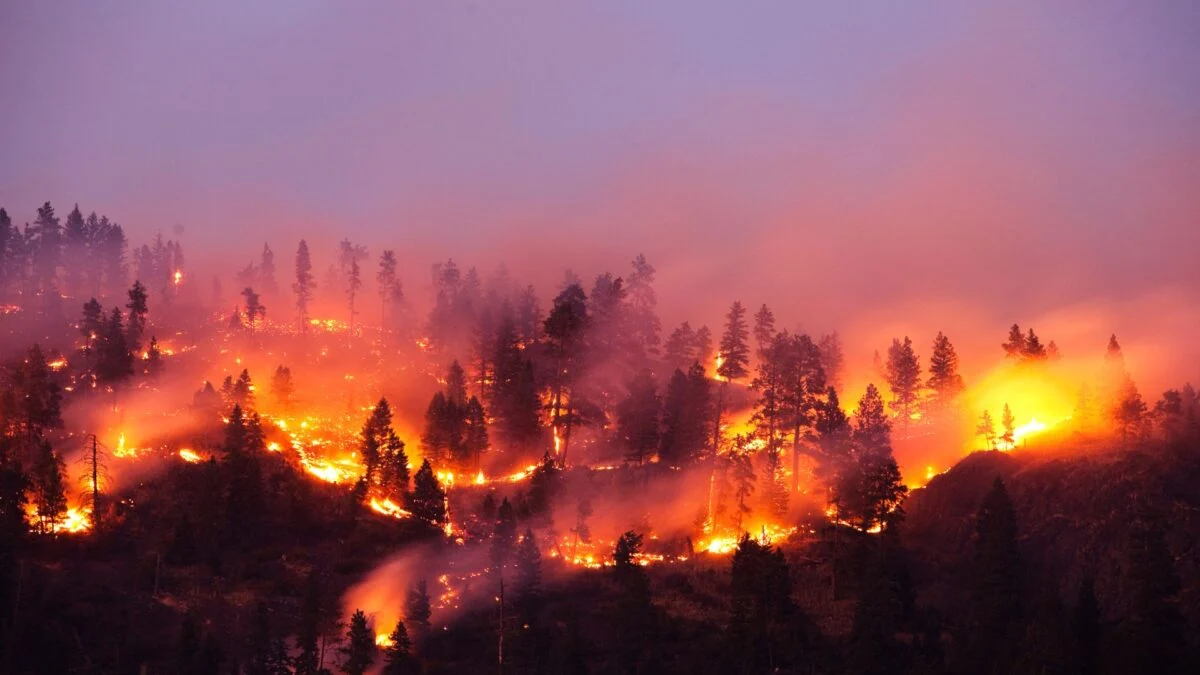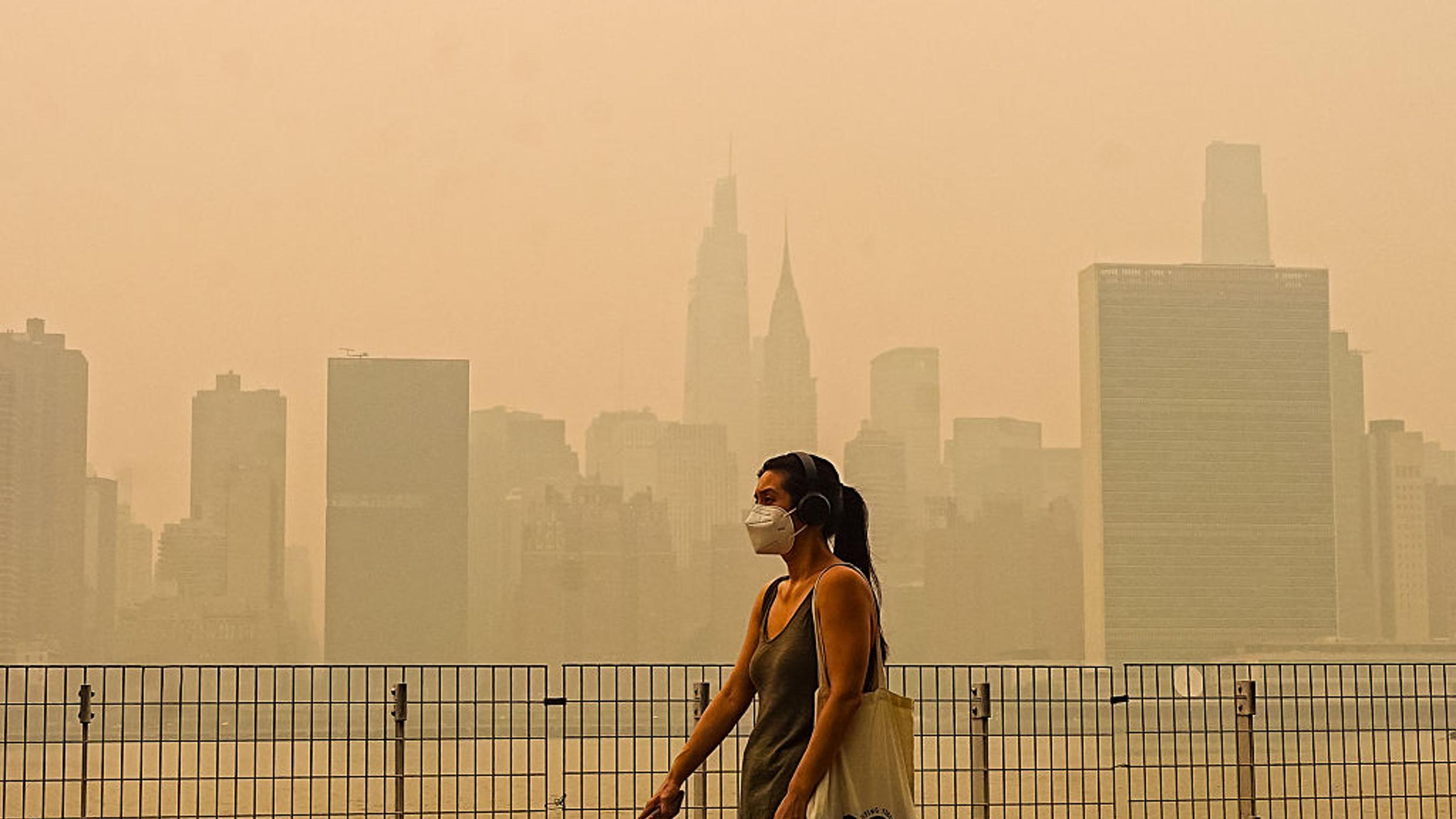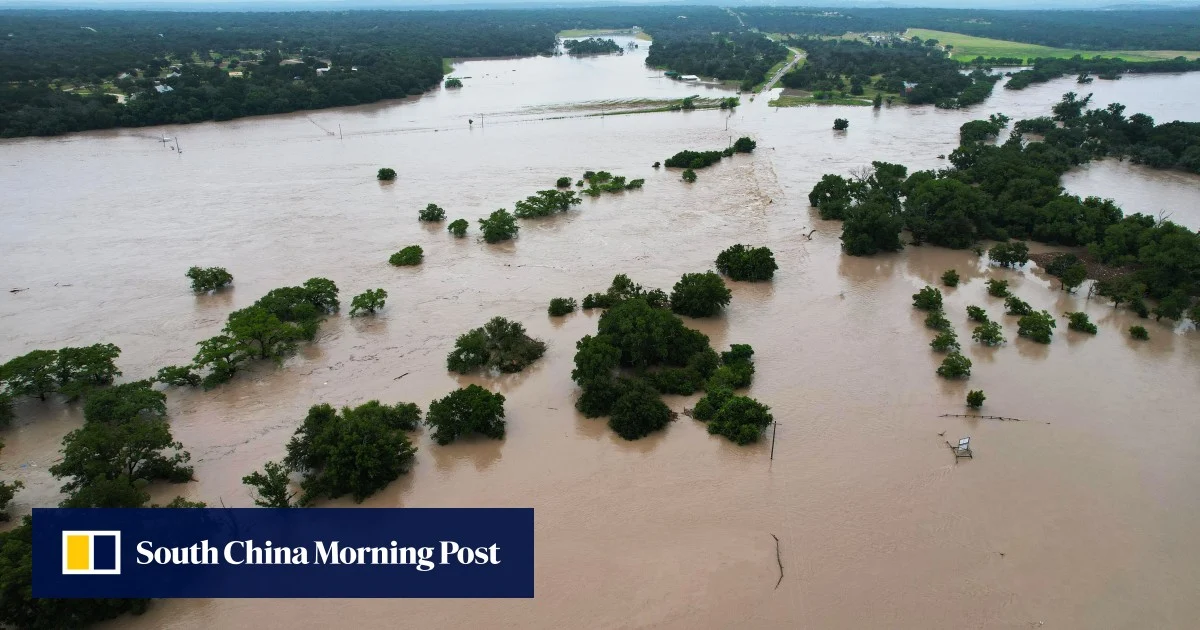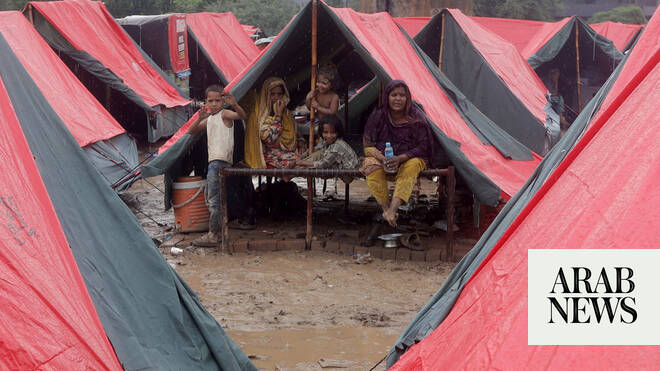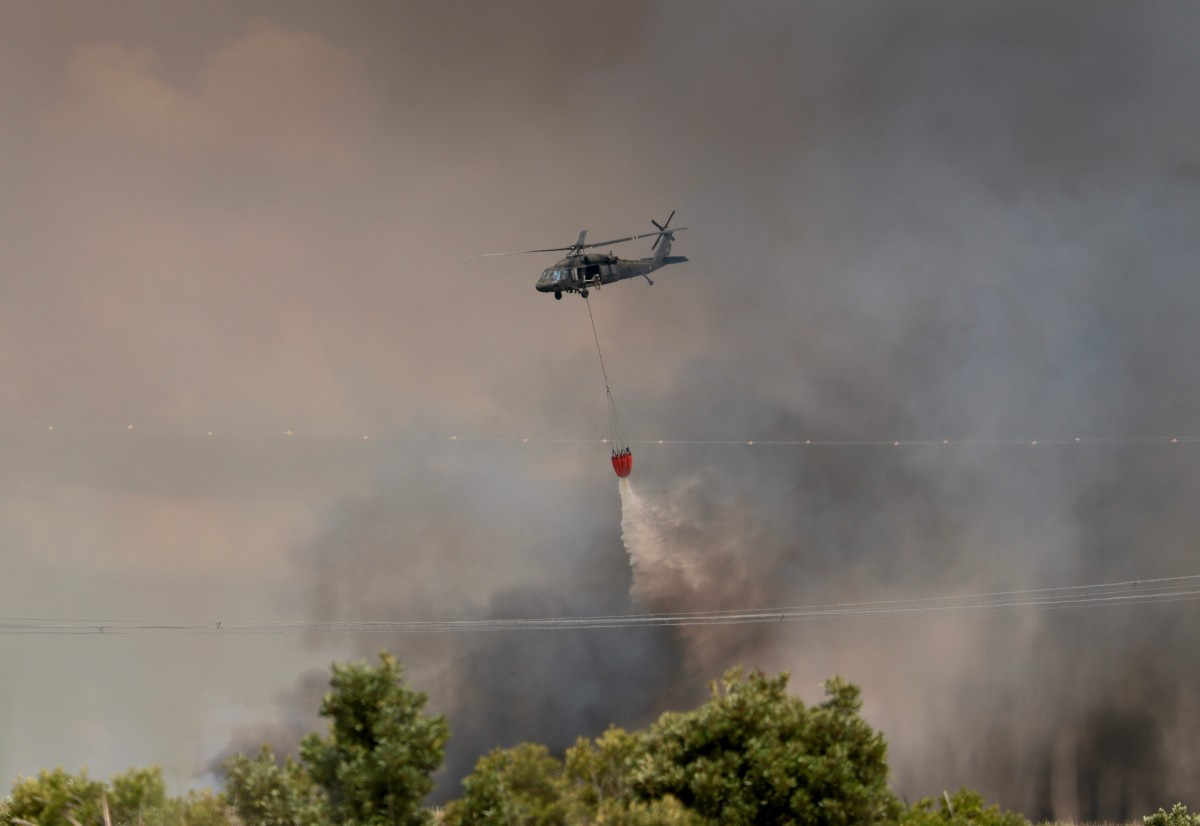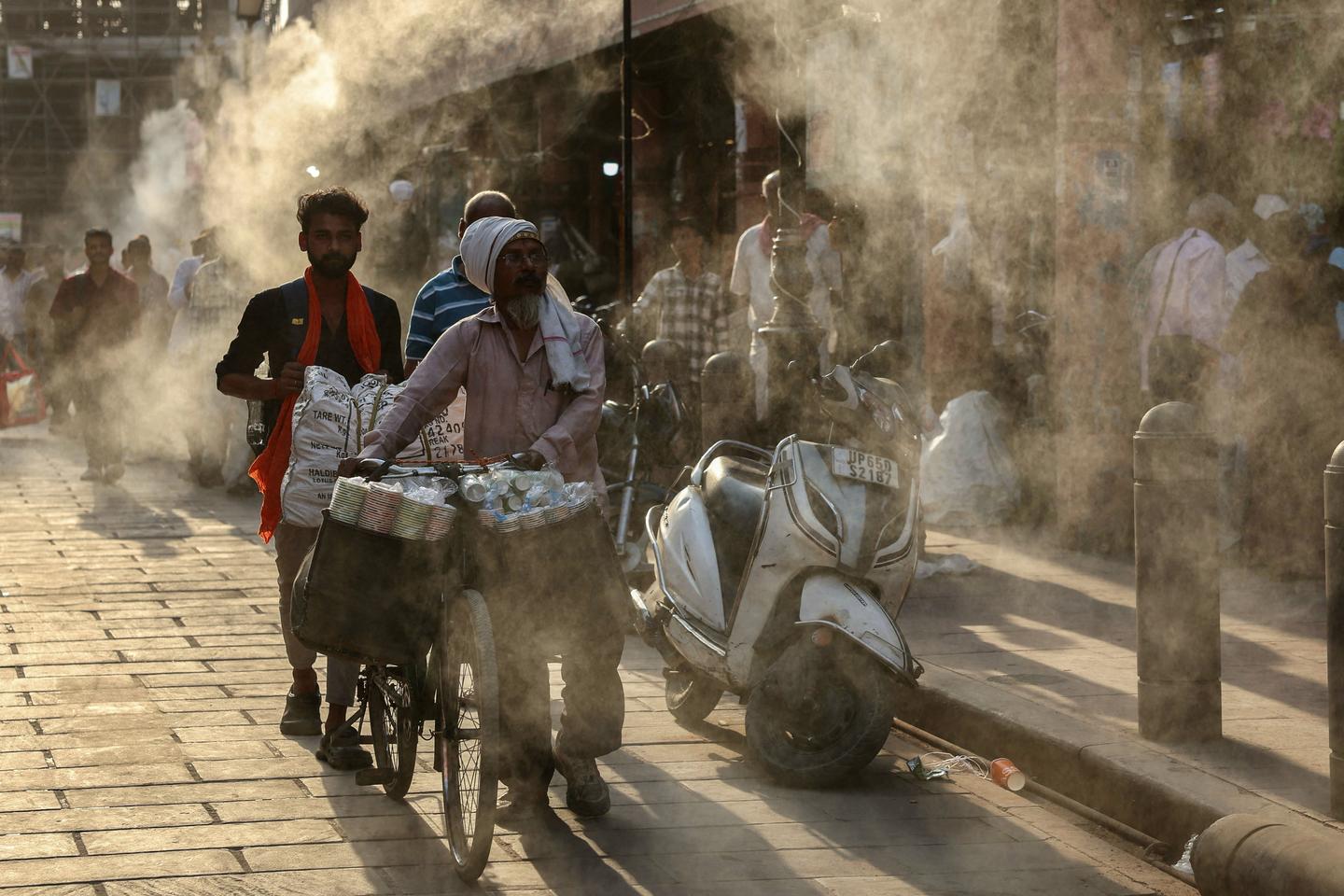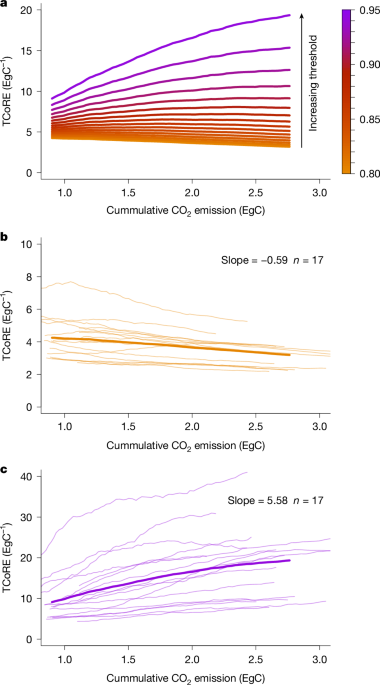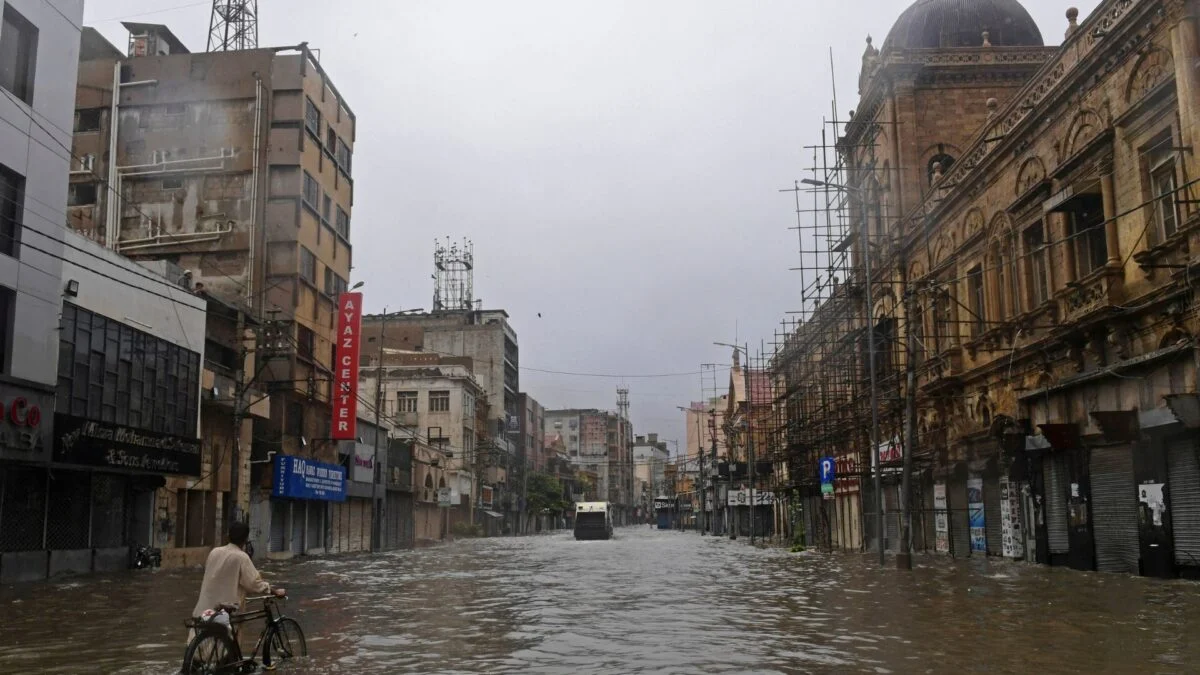
In 2022, the combined impact of devastating floods and a severe heatwave caused over $40 billion of damage and killed more than 1,700 people across Pakistan. The catastrophe was an example of a compound extreme weather event—when multiple natural disasters unfold at the same time. According to a new study, they’re going to become more common. The findings, published today in Nature, show that the frequency of compound events—such as concurrent hot-wet and drought-heat extremes—is linked to cumulative CO2 emissions. Alarmingly, the researchers predict that the frequency of rarer and more severe compound events will escalate rapidly. Based on their findings, they believe current emissions reduction targets need to be much lower to avoid the most catastrophic impacts of climate change. “These events are dangerous because their impacts are multifaceted,” co-author Yao Zhang, an assistant professor at Peking University in China, told Gizmodo in an email. “They can impact both natural and socioeconomic systems, and the impacts often get amplified when they occur together.”
Compounding risks The devastation Pakistan experienced in 2022 speaks to the danger of compound extremes. Heavy monsoon rains destroyed roads, homes, and electrical infrastructure, which increased human exposure to heat and humidity. Hot, wet conditions also encouraged the spread of disease. The floods themselves were amplified by abnormally high temperatures, which induced glacial melt and supercharged precipitation.