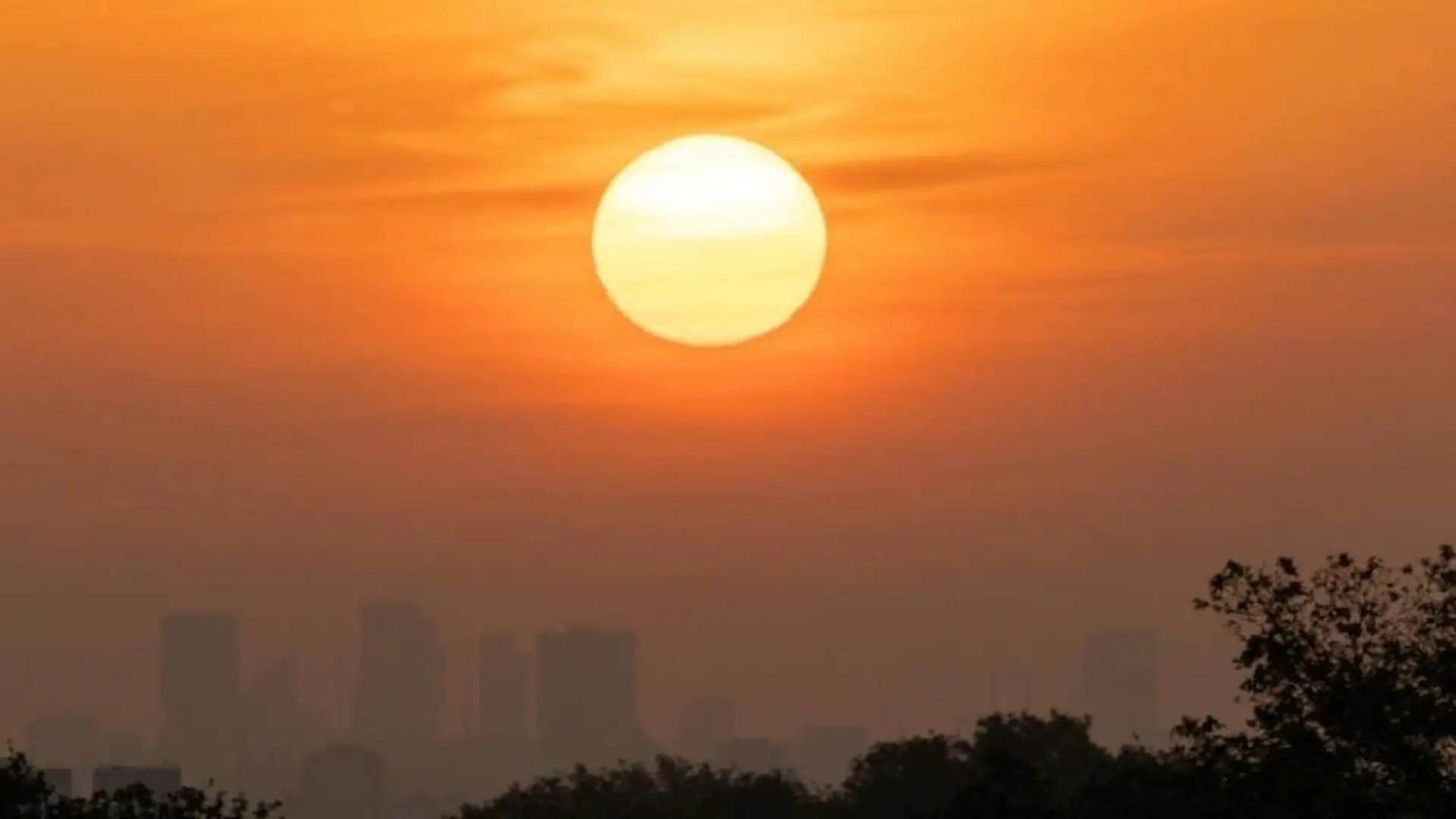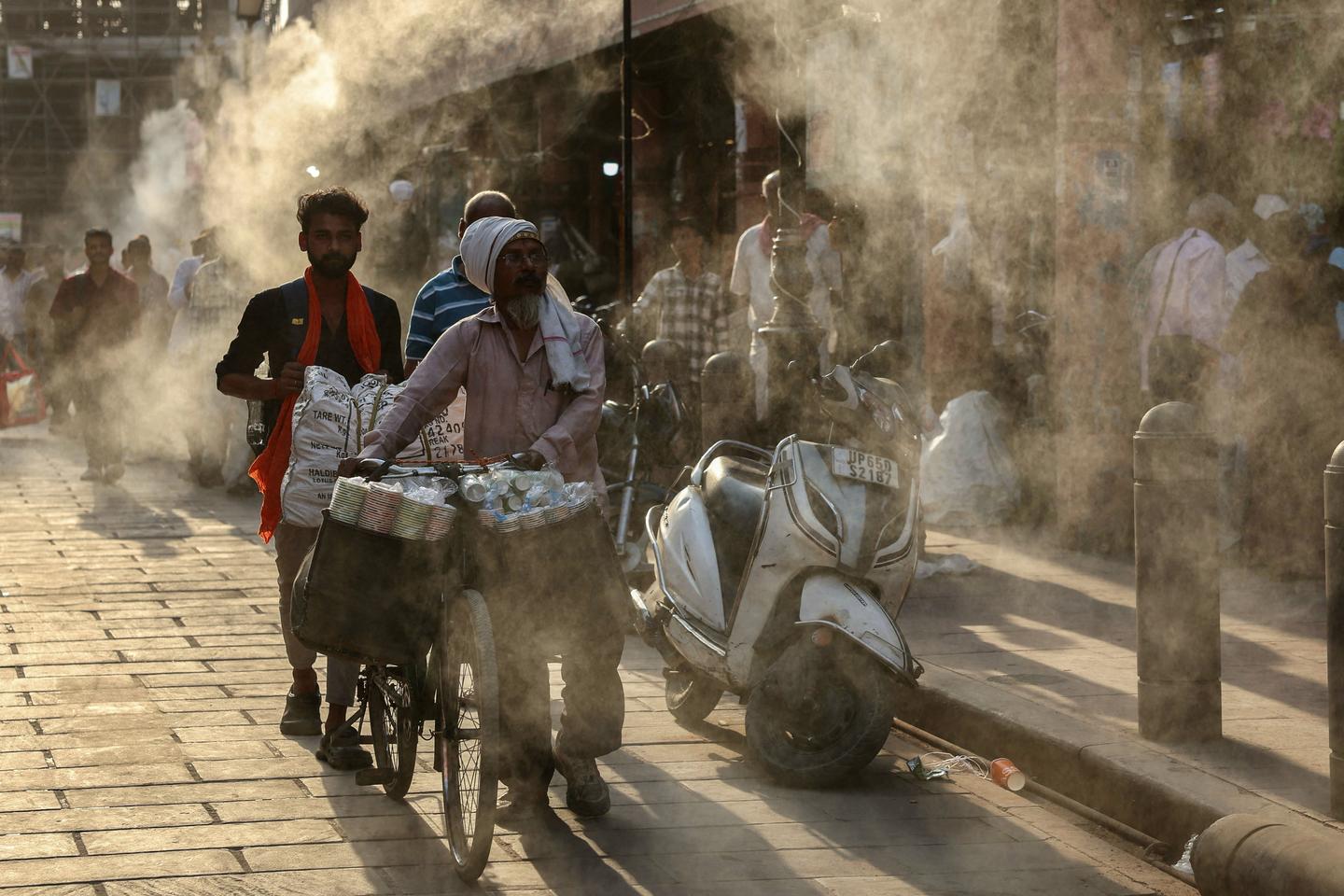
Misters spray water on a street during a heatwave in Varanasi, India, on April 27, 2026. NIHARIKA KULKARNI/AFP
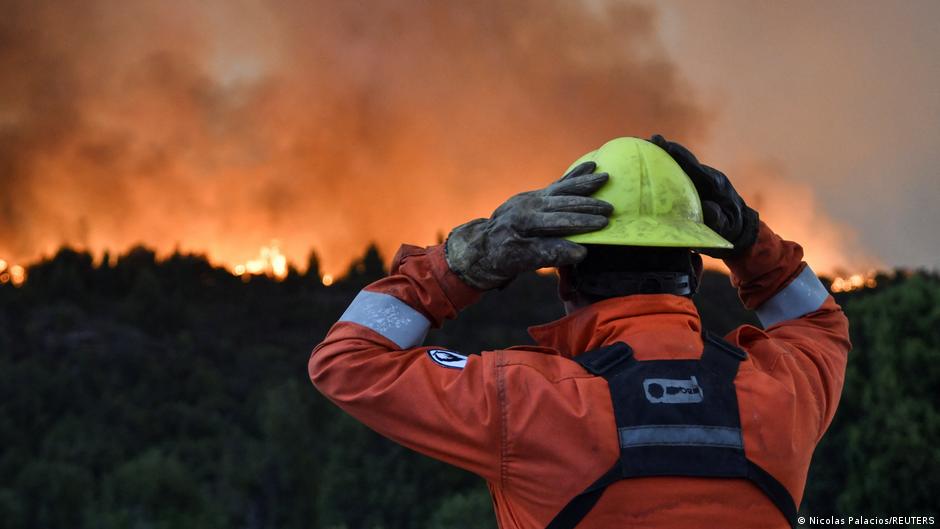
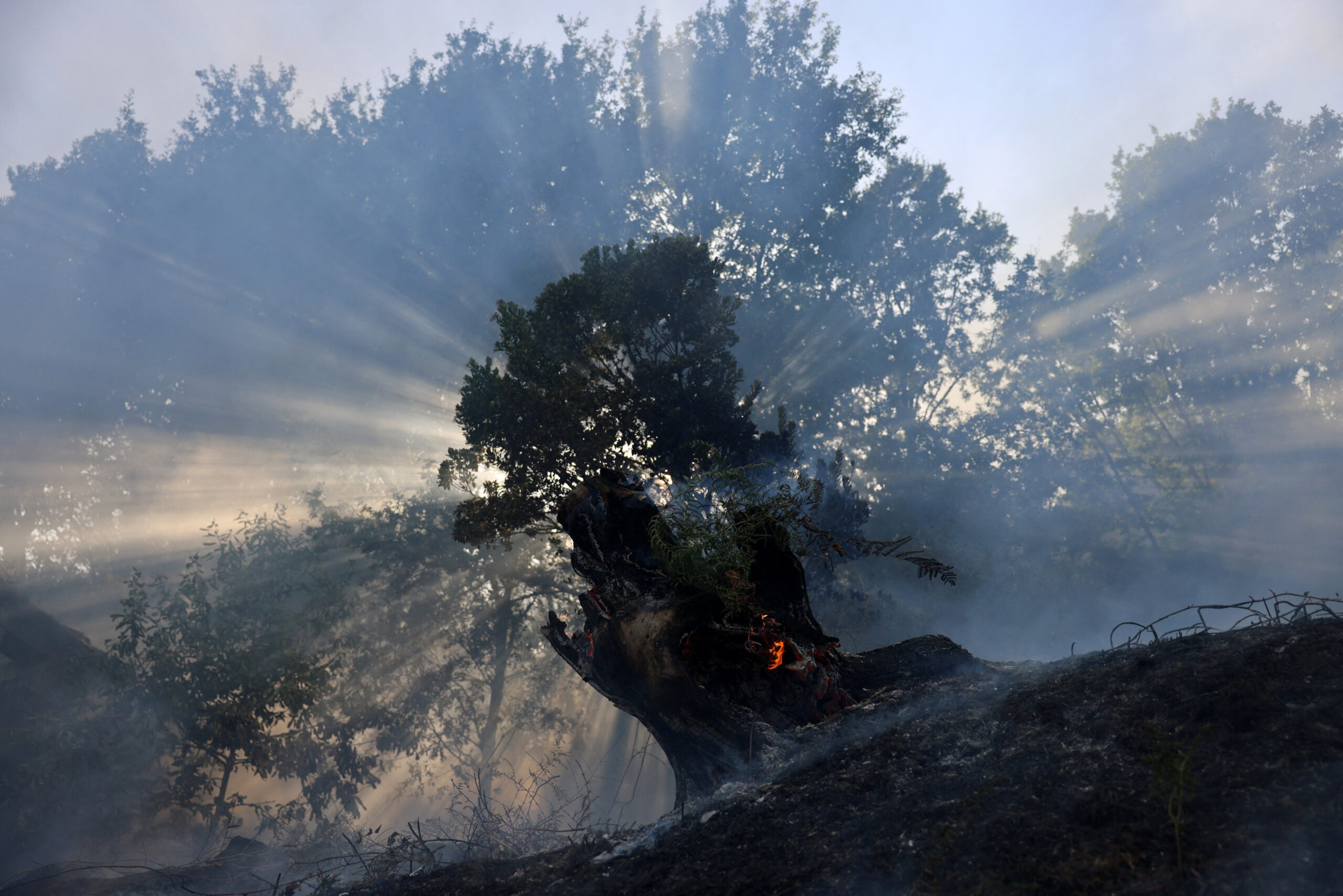
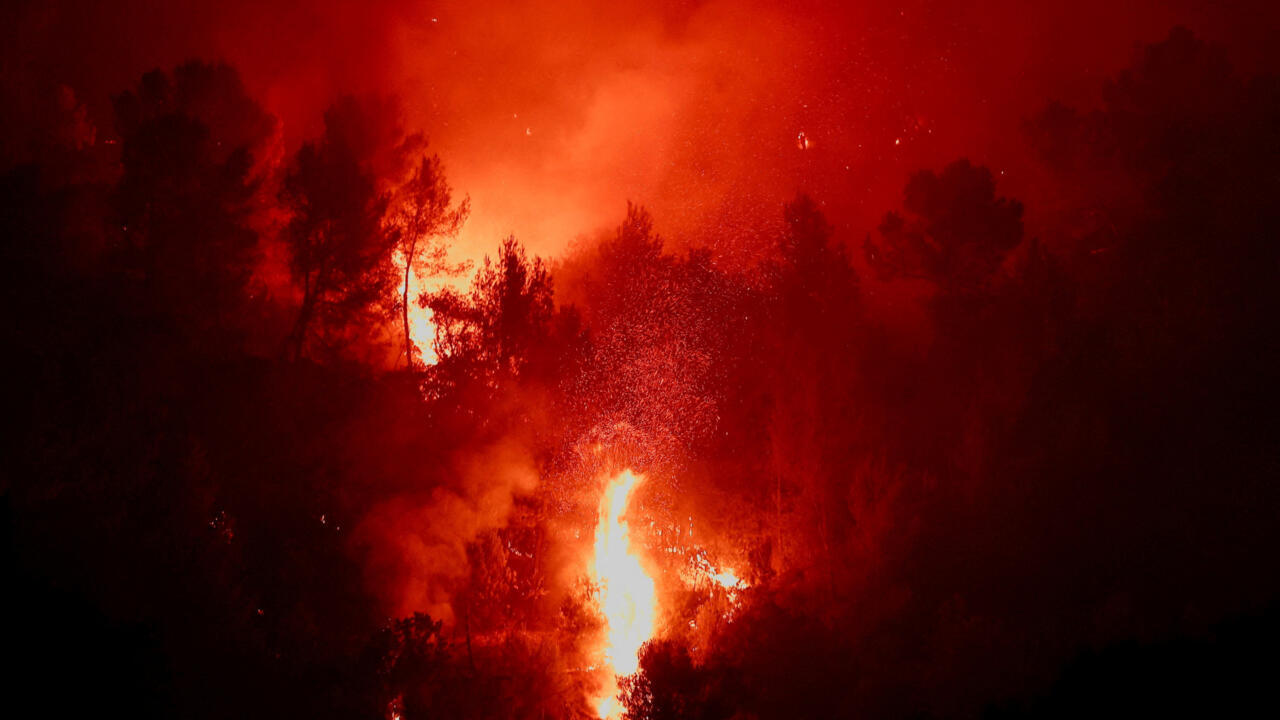
Day by day, disaster after disaster, a stark picture is coming into focus: 2026 could go down as one of the most extreme years ever recorded in climate history. The first months of the year, records have been broken for ocean temperatures, early heatwaves, massive wildfires and torrential rains. On Tuesday, May 12, scientists and international agencies renewed their warning, as El Niño's likely return is set to further intensify an already accelerating climate crisis.
Researchers said they were "deeply concerned" that the fight against global warming is being "pushed to the back burner." Several governments and corporations have scaled back their climate ambitions, while US President Donald Trump has escalated attacks on the environmental transition. "In our everyday work, we see just the devastating impacts from climate change that we already have now, when we are not quite at 1.5 degrees warming," said Friederike Otto, a climate scientist at Imperial College London, who joined the call to action. "We must take action, because the situation is set to worsen and the most vulnerable groups will be the hardest hit."