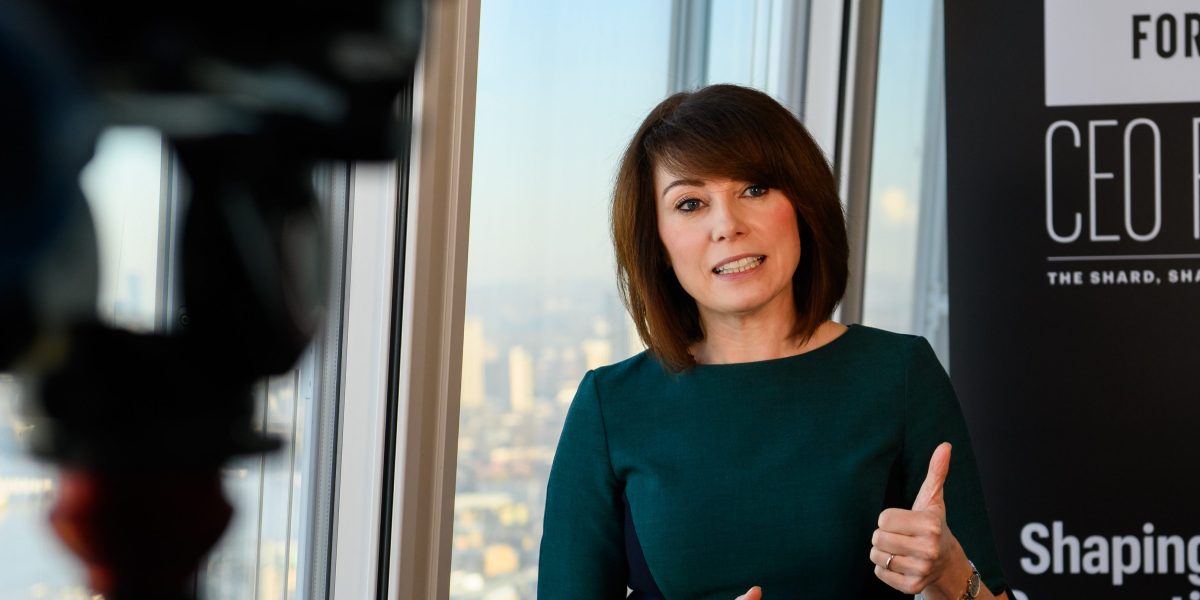
Yvonne Gando spent a decade designing interfaces for people to interact with digital assistants, augmented and virtual reality, and advertisements. Then, something shifted after she moved to Salesforce in 2023. The interfaces were still there, but what she was actually designing had become harder to name. “We’re moving from designing interfaces to designing behavior,” she said. Today she leads conversation design as Senior Director of User Interface, User Experience. She and her team shape how agents reason, collaborate, recover, and earn trust. What readied her for this new kind of role, one that enables AI to act less like a piece of technology and more like a trusted collaborator?“Poetry, teaching, and growing up speaking multiple languages taught me to pay attention to meaning, ambiguity, and what gets lost in translation,” said Gando. “Because a critical part of designing effective agents is preserving the human bits that often get lost as systems interpret intent, context, and meaning.”
She’s not alone. Many of the roles emerging inside companies like Salesforce are evolving as the company builds the infrastructure to help humans and AI work well together. The scale of that shift is significant. Chief Human Resources Officers project a 327% growth in agent adoption by 2027 and plan to redeploy nearly a quarter of their workforces into new roles as digital labor becomes standard, according to Salesforce research. The World Economic Forum projects that the skills needed for work will change by 70% by 2030, accelerated by AI. Salesforce has been living inside that transformation as its own Customer Zero by deploying the same agentic tools it sells to enterprise clients across its own workforce. It is also using a four-part framework to manage what that means for people by redesigning how work gets done, reskilling people, redeploying talent, and rebalancing work between humans and agents. The evolving roles are, in many ways, more human than ever.