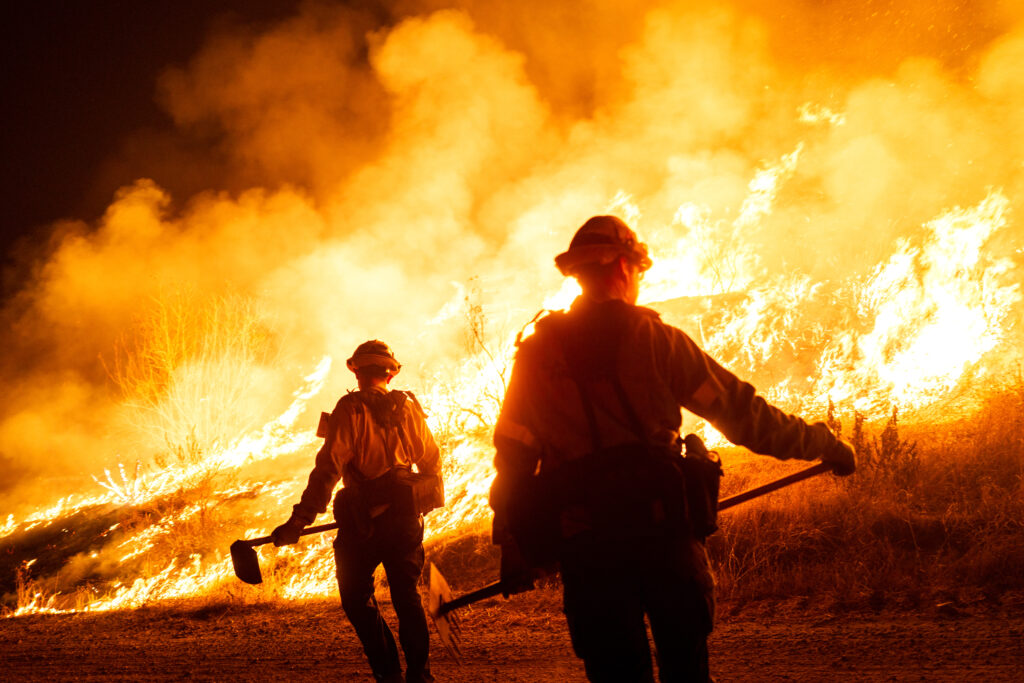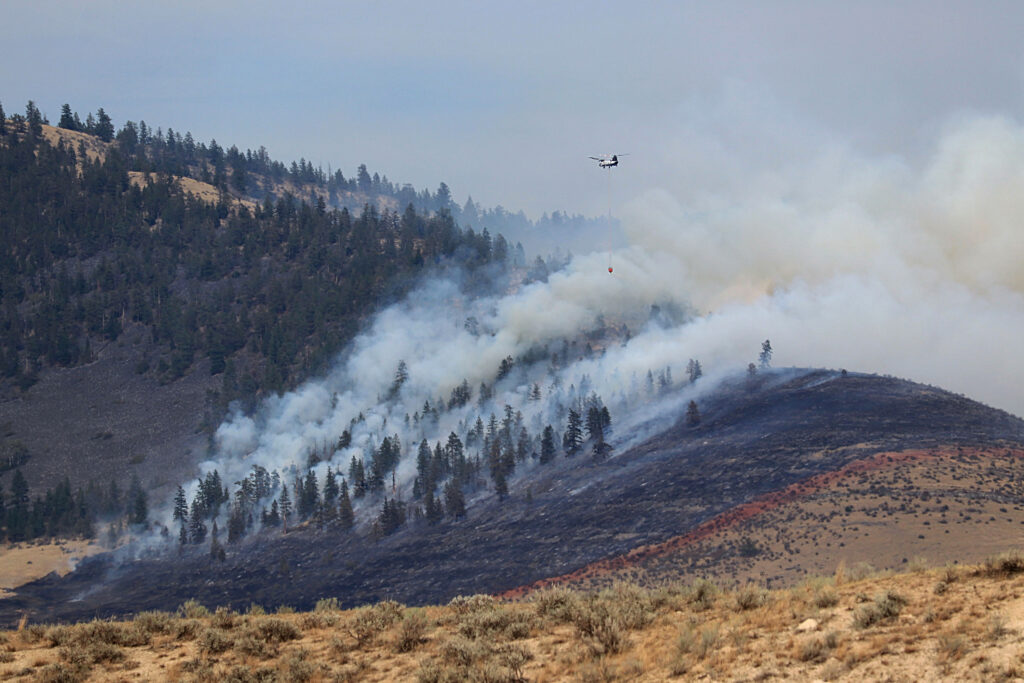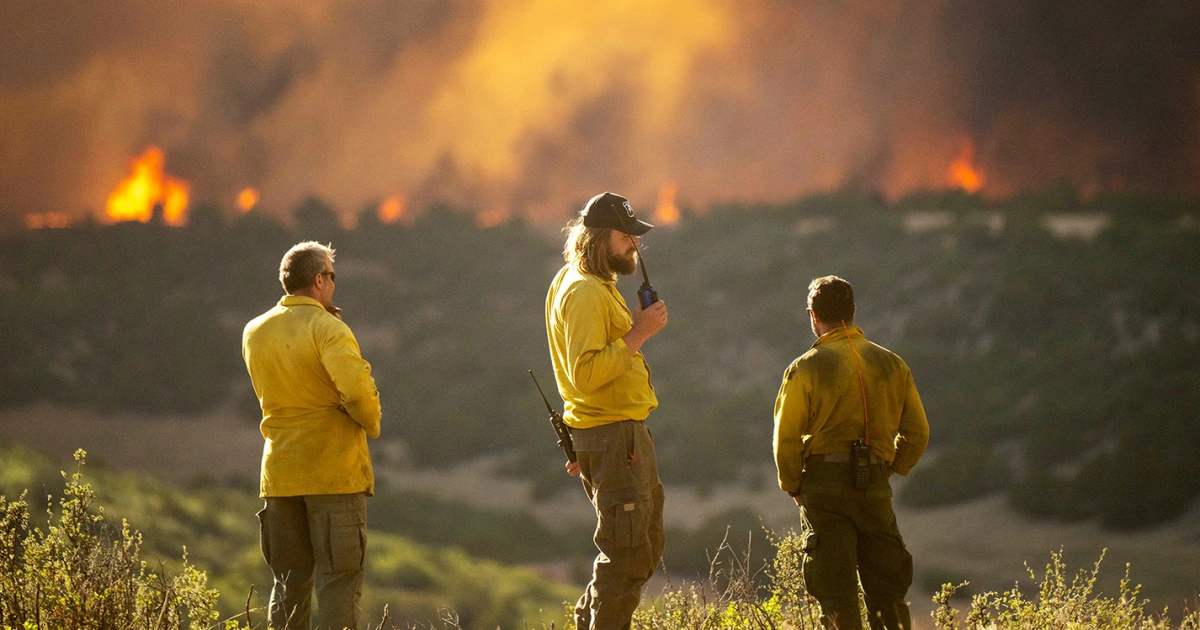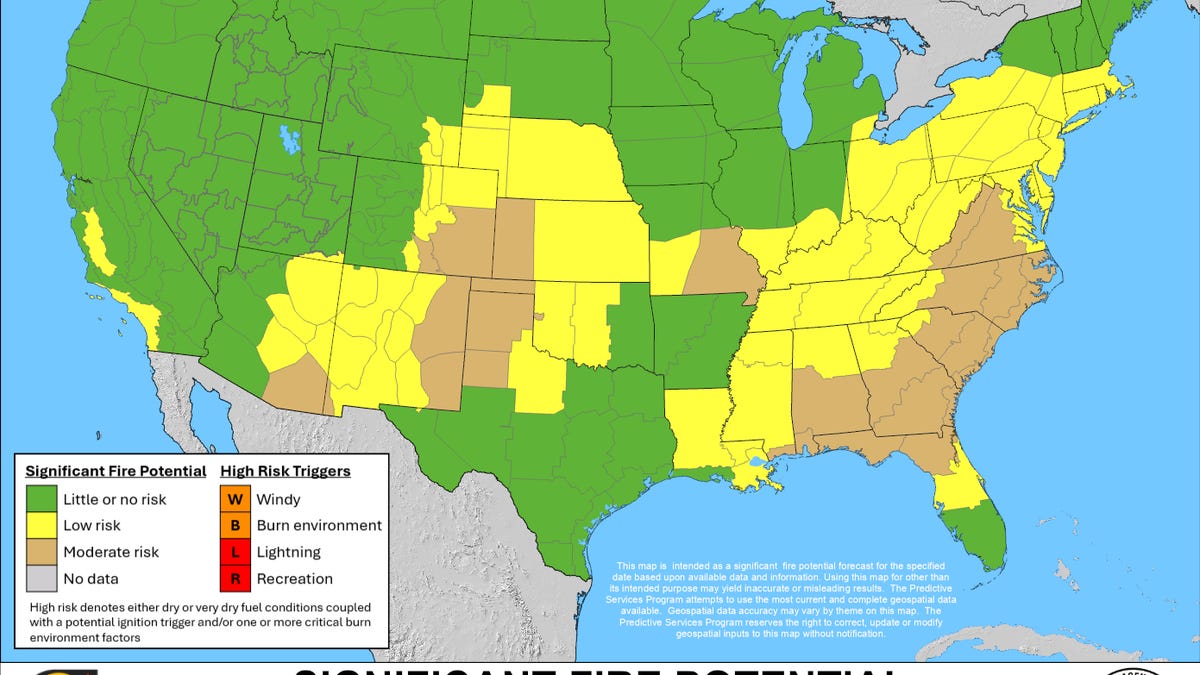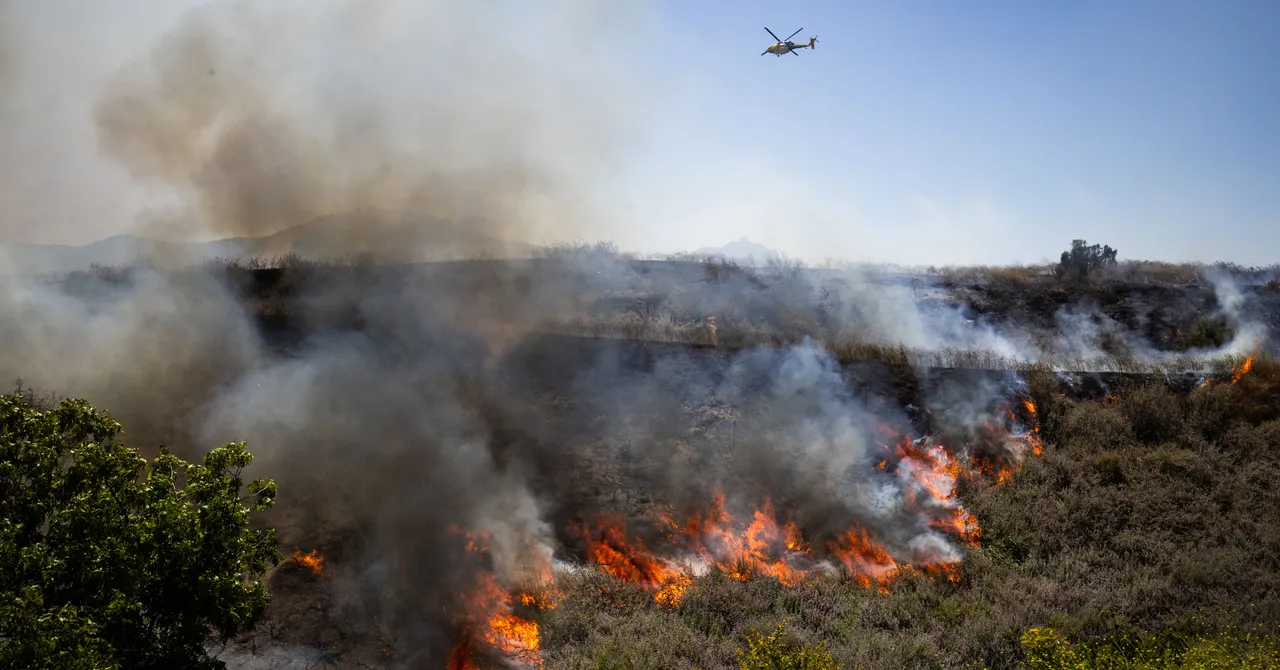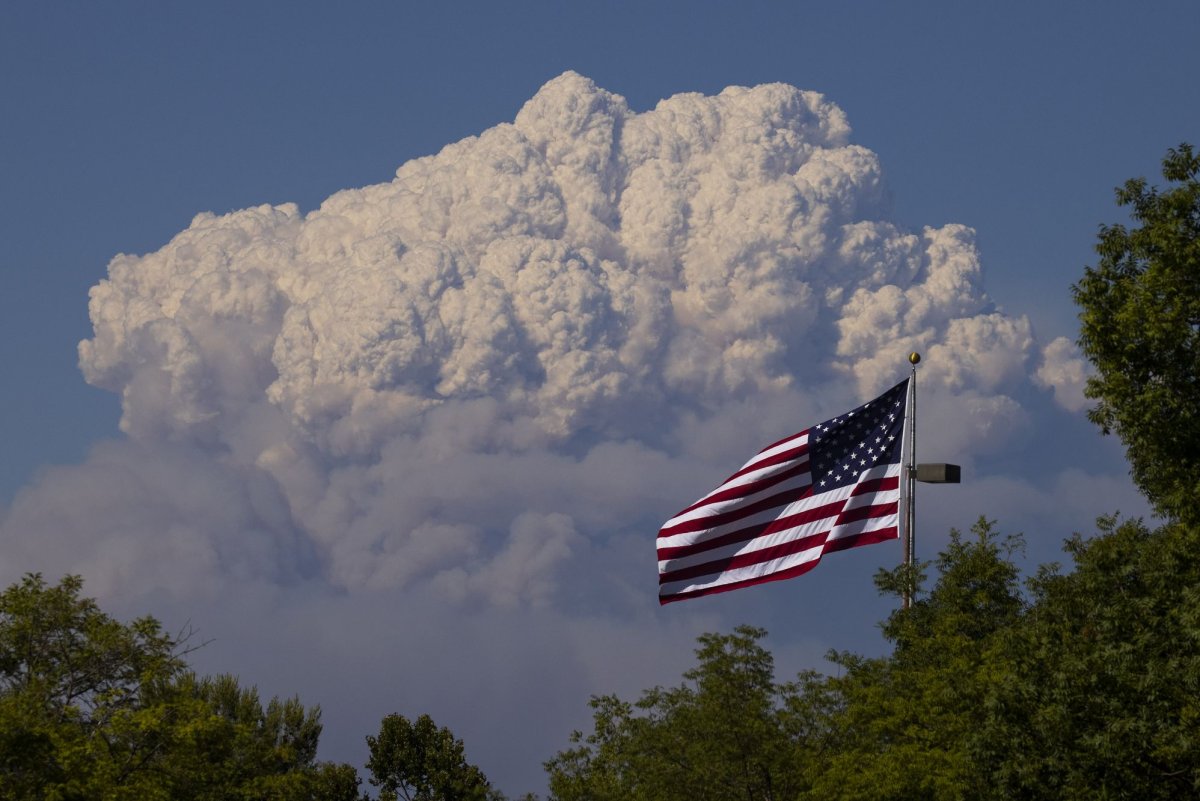
The New Jersey Forest Fire Service this month announced an elevated risk for fire spread across Delaware and parts of New Jersey. Conditions aligned—humidity dropped, temperatures rose into the 80s and southwest winds were gusting up to 30 miles per hour, elevating fire risk across the region.
These conditions, the service said in a statement, “support the rapid spread of any fires that ignite, which could quickly become difficult to control.”
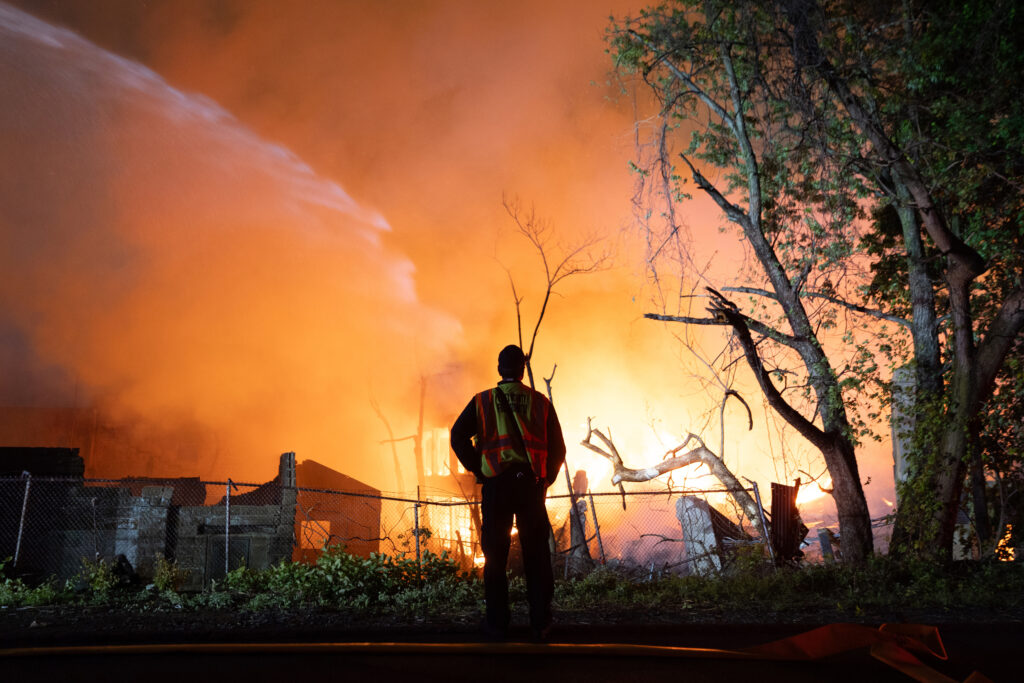
In Belleville Township, five miles north of Newark along the Passaic River, similar conditions contributed to a 14-alarm fire on May 3 that burned for days. The relative humidity was extremely low at 19 percent that night. Strong winds of 20 miles per hour pushed an industrial fire from a warehouse where it started to multiple buildings, prompting school closures and evacuations, leaving thick, hazardous smoke in its wake.
New Jersey is also back in the heat of its wildfire season, which ranges from March to May. The wildfire picture is more complicated than last year’s, when New Jersey had one of its worst outbreaks on record. Over 10,000 towering pitch pines were charred in a rampant wildfire that scorched 15,300 acres last April.
This season has been mild thus far with fewer acres burned than usual, but the New Jersey Forest Fire Service has had limited opportunities to use the state’s primary prevention tool: prescribed burning.